A discreet buyer guide to evaluating ocean and bay residences in Key Biscayne, with emphasis on views, access, building quality, privacy, service flow, and long-term livability.
For luxury buyers considering ocean and bay living in Key Biscayne, the central decision is not simply the view. It is the rhythm of the residence. Some buyers want the drama of open water from the primary suite, a terrace that functions like an outdoor room, and the quiet pleasure of sunrise coffee. Others place greater value on calmer exposures, boating convenience, protected outdoor living, or a building culture that feels private without feeling remote.
That distinction matters because waterfront living is rarely one-dimensional. A residence can be visually spectacular and still fall short on storage, elevator flow, guest arrivals, pet logistics, parking, staff access, or noise control. The strongest purchase is the one that supports how the household moves through a week, not merely how the property photographs at dusk.
In a practical search brief, establish priorities before touring: Key-biscayne for location discipline, Oceanfront for open-water orientation, Waterview for sightline quality, Beach-access for daily convenience, and Boat-slip only when marine use is truly central to the lifestyle. Those labels are simple, but they help keep emotion from overruling function.
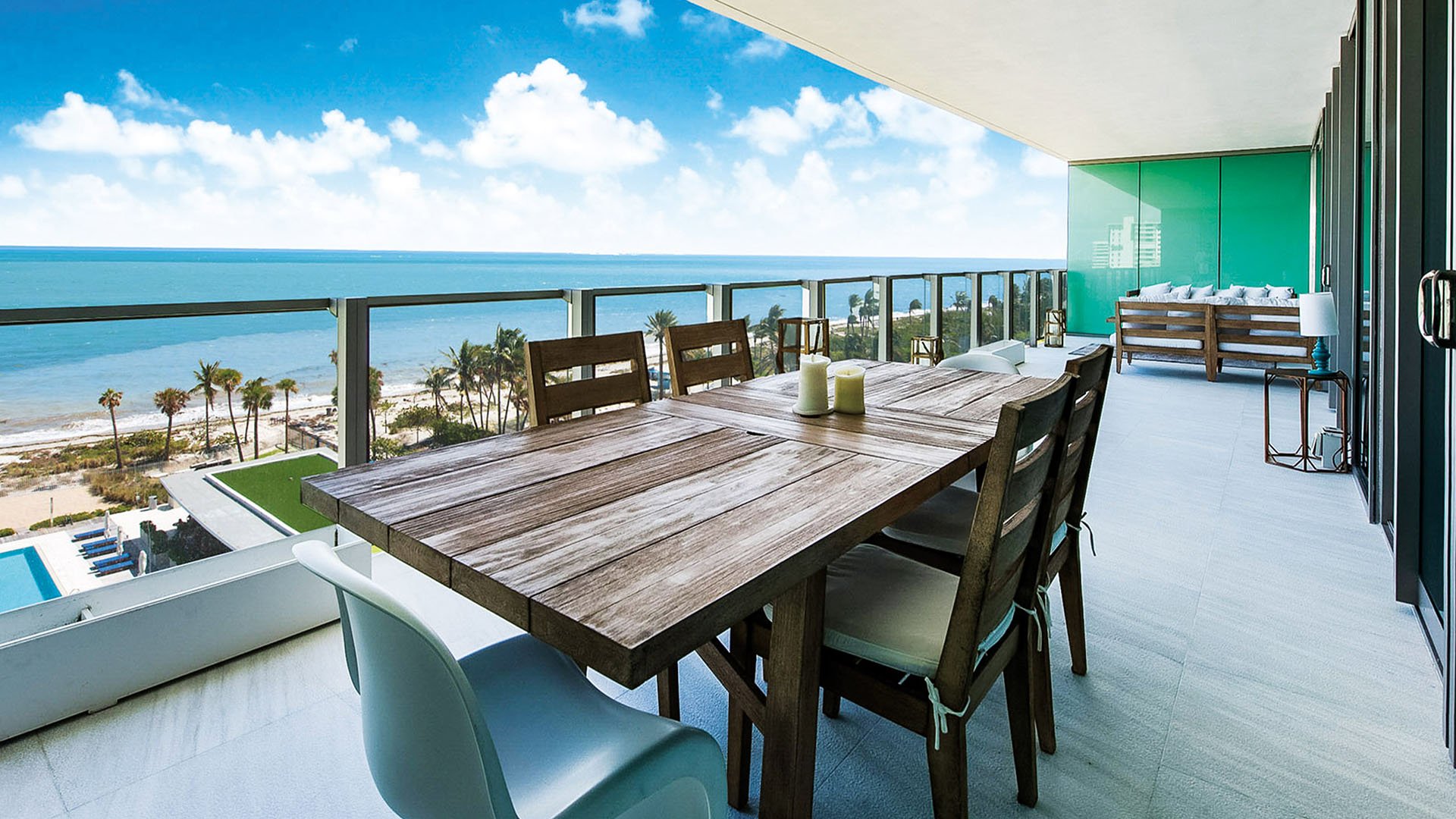
Oceanfront residences tend to attract buyers who want a direct relationship with light, horizon, and resort-style living. The appeal is immediate. Expansive glazing, generous terraces, and a strong sense of arrival all contribute to the emotional premium of the setting. The practical review should be equally rigorous: how the terrace handles wind, whether outdoor furniture placement is realistic, how the bedrooms are positioned, and whether glare or exposure affects daily comfort.
Bay-oriented living can feel more intimate. For some households, it offers a different expression of luxury: softer views, calmer evenings, and a greater emphasis on boating, sunset entertaining, or quiet water outlooks. The right choice is not universal. It depends on whether the owner wants spectacle, serenity, access, or a calibrated blend of all three.
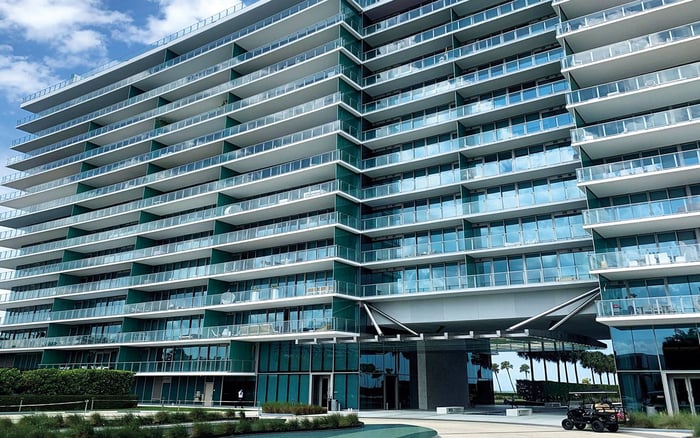
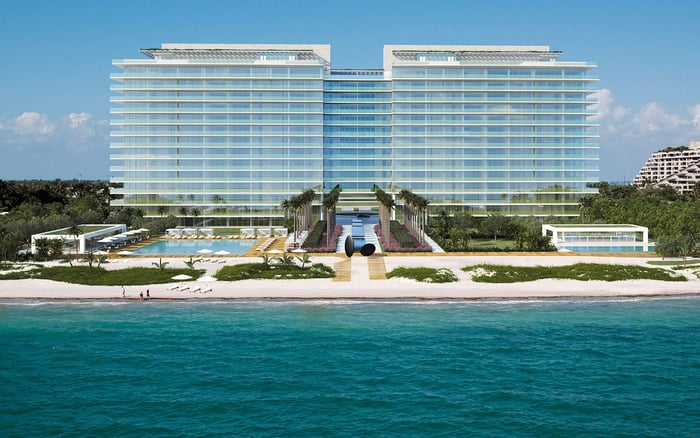
A residence such as Oceana Key Biscayne belongs in the conversation for buyers comparing Key Biscayne waterfront condominium living with other high-service coastal options. The point is not to chase a name. It is to understand how each building handles privacy, arrival, amenities, residence depth, terrace utility, and long-term ownership standards.
In the ultra-premium segment, a beautiful outlook cannot compensate for weak building fundamentals. Buyers should examine the condition and philosophy of the building as carefully as the floor plan. The questions are direct: How are major systems maintained? How clear is the reserve planning? How are insurance, service standards, staffing, security, and capital improvements handled? How predictable are the monthly ownership costs, and how transparent is the governance culture?
This level of review is not caution for its own sake. It is how buyers preserve the ease that luxury ownership is expected to deliver. A well-run waterfront building should feel composed. Elevators should support the number of residences. Valet, package handling, service entries, and guest procedures should feel intuitive. Amenity spaces should be maintained with discipline rather than theatricality.
The same standards apply when comparing nearby waterfront alternatives. Vita at Grove Isle offers a useful point of comparison for buyers studying privacy, water orientation, and residential scale beyond Key Biscayne. Park Grove Coconut Grove can also help frame the discussion around established waterfront living, canopy, service, and the relationship between architecture and neighborhood life.
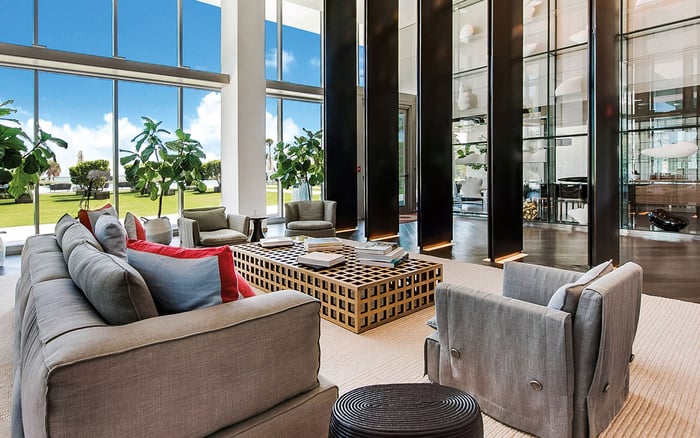
Waterfront interiors should be evaluated in full daylight and, when possible, at different moments of the day. The most refined plan is not always the largest. Look for rooms with usable proportions, not just impressive dimensions. A living room should allow furniture to address both the view and conversation. A kitchen should support entertaining without exposing every working detail. Bedrooms should feel quiet, private, and properly separated.
Terraces deserve particular scrutiny. A deep terrace may be more valuable than a larger but less usable one. Buyers should consider shade, privacy from neighboring stacks, door systems, drainage, and the ability to dine outdoors comfortably. The most successful residences make the transition from interior to exterior feel effortless.
Storage is another luxury marker that is often underestimated. Waterfront living usually involves more gear: beach items, boating accessories, outdoor cushions, luggage, sports equipment, and seasonal wardrobes. Closets, utility rooms, assigned storage, and service areas should be part of the first evaluation, not an afterthought once the contract is signed.
Key Biscayne buyers often seek a quieter residential atmosphere, but privacy is created by details. Elevator configuration, corridor length, lobby volume, amenity placement, parking access, and guest screening all shape how private a residence feels. A high floor is not automatically more discreet if the building flow is awkward. A boutique setting is not automatically superior if service coverage is thin.
Access should be tested in real terms. How does the drive feel during the hours the owner will actually use it? Where do guests arrive? How easy is it for household staff, drivers, caterers, trainers, or maintenance providers to operate without disrupting the residence? Luxury is often the absence of friction, and friction usually appears in the details no one noticed during the first showing.
For buyers who split time between Key Biscayne and more urban settings, The Residences at Mandarin Oriental, Miami offers a useful contrast in how waterfront living can be paired with a more city-facing lifestyle. That comparison can clarify whether the buyer values island-like quiet, hospitality-level service, dining proximity, or a more immediate urban connection.
The best waterfront purchase still has to make sense on exit. Buyers should think about the next owner even if they plan to hold long term. Durable features include strong views, intuitive plans, protected privacy, credible building management, parking convenience, and outdoor space that can be used often. Highly personalized finishes, awkward room conversions, or overbuilt technology can narrow the buyer pool later.
This does not mean buying blandly. The most compelling residences have identity. They simply avoid choices that undermine flexibility. A tailored interior, edited material palette, and well-planned lighting can feel deeply personal while remaining broadly desirable. In South Florida’s luxury market, restraint often ages better than novelty.
It can also be useful to compare Key Biscayne with other prestige waterfront addresses. Oceana Bal Harbour provides a different lens on oceanfront condominium living, service expectations, and building identity. A thoughtful buyer uses these comparisons not to dilute the search, but to sharpen it.
Before writing an offer, the shortlist should answer several practical questions. Does the residence deliver the right water experience at the times of day the owner will use it? Are the terrace and interiors genuinely livable? Does the building operate at a level consistent with the price point? Are the ownership costs understandable? Are the rules compatible with pets, guests, rentals, renovations, and service providers?
The strongest buyers do not rush this stage. They compare, revisit, test assumptions, and separate emotional impact from operational quality. Ocean and bay living in Key Biscayne can be deeply rewarding, but the best result comes from choosing the residence that aligns architecture, water, privacy, and daily ease.
Is an oceanfront residence always better than a bay-facing one? No. Oceanfront living emphasizes horizon and drama, while bay-oriented living may better suit boating, calmer outlooks, or evening entertaining.
What should I inspect first in a waterfront condominium? Start with building fundamentals: maintenance, reserves, insurance structure, staffing, service flow, and the condition of major systems.
How important is terrace depth? Very important. A terrace should be usable for seating, dining, shade, and privacy rather than serving only as a visual extension.
Should views be evaluated at different times of day? Yes. Light, glare, wind, privacy, and ambient sound can change the experience of a residence significantly.
Does a high floor guarantee better privacy? Not always. Elevator design, neighboring sightlines, amenity placement, and building circulation all influence privacy.
What makes a waterfront floor plan more livable? Clear room proportions, separated bedrooms, functional storage, service access, and a natural connection to outdoor space are key.
How should boating needs affect the search? Buyers should define whether boating is occasional, frequent, or central to the household before prioritizing marine-related features.
Are amenities as important as the residence itself? Amenities matter, but they should support daily life. Service quality and maintenance often matter more than sheer quantity.
How can buyers protect long-term resale value? Favor strong views, sensible layouts, disciplined building management, usable outdoor space, and finishes with enduring appeal.
Should Key Biscayne buyers compare nearby waterfront neighborhoods? Yes. Comparing alternatives can clarify whether the priority is quiet, service, boating, beach proximity, or urban convenience.
For a discreet conversation and a curated building-by-building shortlist, connect with MILLION.
If branded residences are on your mind — as a home or as an allocation — we would be glad to share what we are seeing, privately.
Begin a quiet conversation