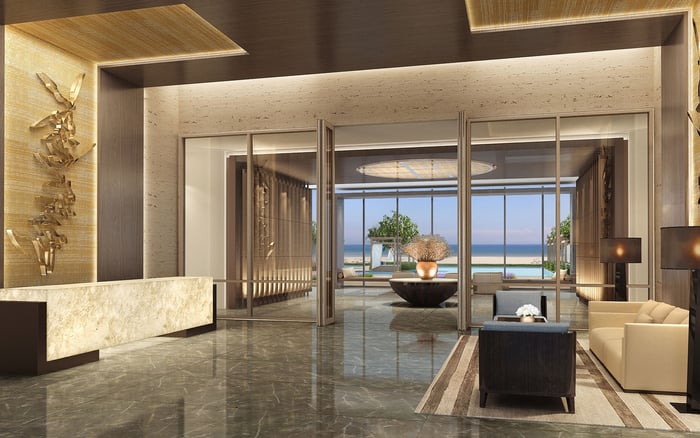
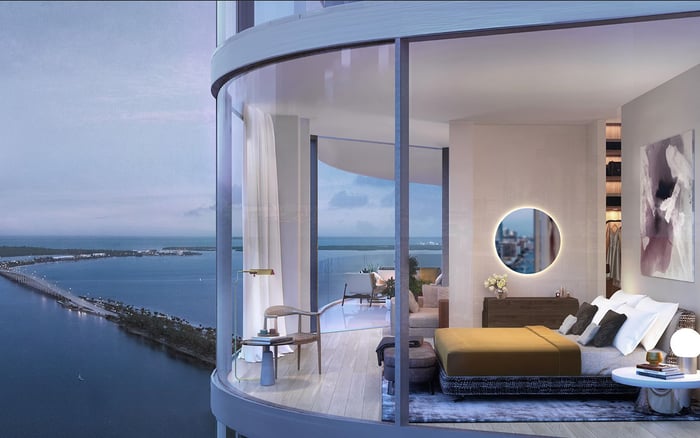
A practical luxury buyer’s guide to evaluating acoustic calm when wellness is part of a South Florida residential sales narrative.
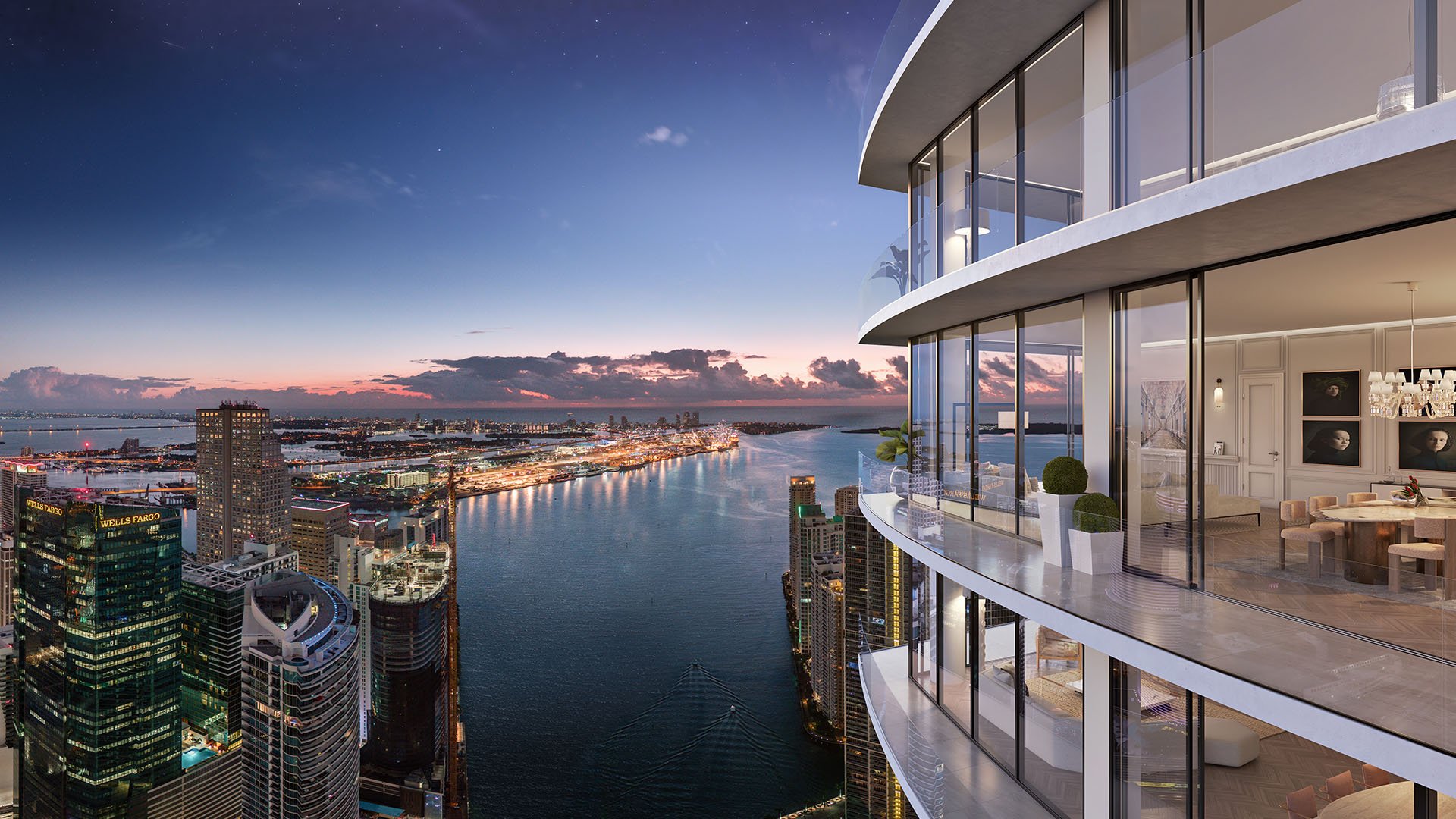
Wellness is one of the most persuasive words in luxury real estate because it promises more than beauty. It suggests recovery, privacy, sleep, focus, and a daily sense of control. Yet when the sales pitch says wellness, the discerning question is not only whether there is a spa, a meditation room, or a curated fitness level. It is whether the residence itself feels composed when the city, the water, the elevators, the corridors, the mechanical systems, and the neighbors all shape the acoustic environment.
For South Florida buyers, acoustic calm is not a decorative amenity. It is a technical and experiential condition. A serene living room in Brickell, an oceanfront bedroom in Surfside, or a terrace-oriented plan in Sunny Isles will each bring different sound considerations. The buyer’s task is to translate a soft promise into precise questions before the emotional pull of a view, a finish palette, or a branded lobby takes over.
Begin with a simple request: explain how acoustic calm is achieved in the actual residence, not only in the amenity narrative. A thoughtful sales team should be able to discuss glazing, exterior doors, demising walls, floor and ceiling assemblies, elevator separation, mechanical equipment, and the relationship between private rooms and public corridors.
The most useful answer is specific without becoming theatrical. Listen for whether the response identifies systems and locations. If the language stays at the level of “quiet,” “peaceful,” or “wellness-driven,” keep asking. If the answer distinguishes between impact glazing, balcony door performance, bedroom wall assemblies, and mechanical isolation, the conversation has moved into more meaningful territory.
In new construction, the acoustic story should also address what is planned, what is specified, and what remains subject to execution. A render can suggest tranquility, but field conditions decide whether the primary suite feels protected at night.
In South Florida, glass is often the architecture’s emotional centerpiece. Expansive openings frame the bay, ocean, Intracoastal, skyline, or marina. They also become the first place a buyer should investigate acoustic performance.
Ask what type of glazing is specified for the residence and whether performance varies by elevation, exposure, or room. Ask about balcony and terrace doors, because the door system can be just as important as the glass itself. A beautiful view wall should not be treated as a single visual object. It is an assembly with frames, seals, tracks, thresholds, and installation details.
For an oceanfront home, the question is not only whether the residence feels quiet during a scheduled daytime tour. It is how it will feel when wind, pool activity, service movement, beach access, valet circulation, or nearby social spaces become part of daily life. For a Fort Lauderdale or marina-facing buyer, the same discipline applies to boating activity, promenade movement, and waterfront entertainment. The goal is not silence. It is comfort without intrusion.
A plan can protect quiet rooms or expose them. Study where the primary bedroom sits in relation to elevators, trash rooms, stairwells, amenity decks, mechanical shafts, loading areas, parking entries, and neighboring living spaces. In a luxury residence, privacy should be felt both visually and acoustically.
Ask whether bedrooms share walls with active zones, whether headboards back onto service areas, and whether secondary bedrooms are positioned near corridors. If a residence has a den, media room, or staff area, consider how sound moves between those spaces and the primary suite. Open plans are elegant, but sound travels easily through expansive living volumes. A polished stone floor, a long gallery, and floor-to-ceiling glass can create a glamorous setting while also making interior sound more noticeable.
This does not mean a buyer should avoid drama. It means the most livable drama is composed. The best question is, “Where is the quietest room in this home, and why?” A confident answer reveals more than a floor plan label ever could.
Wellness amenities are often concentrated into beautiful shared environments: pools, treatment rooms, gyms, lounges, dining spaces, screening rooms, children’s areas, and landscaped decks. These spaces can elevate daily life, but they also create patterns of movement and sound.
Ask how residential floors are separated from amenity levels. Ask whether outdoor amenity areas sit above, below, beside, or across from specific units. Ask where music, service doors, kitchen back-of-house areas, and fitness equipment are located. A spectacular pool deck may be an asset for one residence and a sound consideration for another.
Also ask about operating protocols. The physical design matters, but so do hours, guest policies, event rules, pet circulation, package rooms, and valet flow. In buildings marketed around wellness, governance is part of the wellness experience. A calm building culture can be as valuable as a calm wall assembly.
Luxury buyers often focus on visible finishes and overlook the systems that shape daily comfort. Air-conditioning, ventilation, plumbing, elevators, pumps, generators, and life-safety systems can all influence perceived calm. The issue is rarely whether these systems exist, but how they are located, isolated, and maintained.
Ask where major mechanical rooms are positioned relative to the residence. Ask whether equipment serving the home is above, below, adjacent, or remote. Ask how vibration is addressed, especially near bedrooms. For penthouses and upper-floor homes, rooftop equipment may be relevant. For lower floors, garage entries, loading zones, and service areas may matter more.
The most refined residences do not make owners think about infrastructure. That invisibility is not accidental. It is the result of planning, detailing, and management. A buyer should treat mechanical quiet as part of the finish level, not as a secondary engineering footnote.
A polished sales appointment is designed to present a residence at its best. Acoustic due diligence benefits from variation. If possible, experience the residence at different times of day. Morning traffic, afternoon pool use, evening restaurant energy, weekend marina movement, and building service cycles can each reveal different acoustic realities.
During a tour, pause without conversation. Stand in the primary bedroom, bathrooms, closets, kitchen, terrace threshold, elevator vestibule, and any room sharing a wall with another unit or common area. Open and close terrace doors. Listen near return air grilles and plumbing walls. Notice whether sound is sharp, low, intermittent, or constant.
Do not be embarrassed to ask for quiet during a showing. A serious buyer is not being difficult by listening. In the ultra-premium market, attentiveness is part of the purchase posture.
Verbal comfort is not enough. If acoustic calm is central to the decision, ask what documentation can be provided and what representations are included in the transaction materials. The aim is not confrontation. It is alignment.
Ask whether acoustic details appear in specifications, offering materials, construction documents available for review, condominium documents, or purchaser disclosures. Ask what post-closing process exists if an acoustic issue is identified. Ask who evaluates concerns, what standards are used, and how remedies are handled.
For resale property, the approach changes. Ask about prior owner experience, alterations, window or door replacements, flooring changes, and neighbor history. In any setting, a buyer should be cautious about relying solely on staging-day impressions. Calm should survive occupancy.
The most important question may be the simplest: does the home make the body relax? A technically competent residence can still feel restless if its plan, exposure, or building culture conflicts with the owner’s routine. Conversely, a home with urban energy can feel deeply comfortable if sound is predictable, softened, and well managed.
For buyers comparing Brickell, Surfside, Sunny Isles, Fort Lauderdale, and other South Florida settings, the right answer will not be identical. Some want the pulse of the city behind high-performance glass. Some want an oceanfront atmosphere with the soft presence of weather and water. Some want a boutique building where fewer shared spaces mean fewer variables. The point is to define what acoustic calm means for your life before a sales phrase defines it for you.
What does acoustic calm mean in a luxury residence? It means the home feels controlled, private, and comfortable from a sound perspective. It includes exterior noise, interior transfer, mechanical systems, and building operations.
Is acoustic calm the same as silence? No. In South Florida luxury living, the goal is usually refined comfort rather than absolute silence, especially near water, city centers, or active amenity areas.
What should I ask first when a project promotes wellness? Ask how the residence itself supports quiet living. The answer should reference glazing, doors, wall assemblies, systems, layout, and amenity separation.
Are terraces a sound concern? They can be. Ask about door systems, seals, thresholds, and the relationship between the terrace and pools, roads, restaurants, marinas, or neighboring outdoor spaces.
Why does floor plan matter for sound? Bedrooms near elevators, service rooms, amenity decks, or mechanical shafts may experience different conditions than rooms placed deeper within the plan.
Should I tour more than once? If acoustic calm matters, yes. Different times of day can reveal different patterns, including traffic, service activity, amenity use, and evening energy.
Can finishes affect perceived sound? Yes. Hard surfaces, large glass areas, high ceilings, and open volumes can influence how sound behaves inside the residence.
What should resale buyers ask about? Ask about prior owner experience, window or door changes, flooring alterations, neighbor conditions, and any recurring sound concerns.
Can building rules influence acoustic calm? Yes. Hours of operation, event policies, pet circulation, guest access, and service protocols all shape the daily sound environment.
What is the best way to shortlist comparable options for touring? Start with location fit, delivery status, and daily lifestyle priorities, then compare stacks and elevations to validate views and privacy.
When you're ready to tour or underwrite the options, connect with MILLION.
If branded residences are on your mind — as a home or as an allocation — we would be glad to share what we are seeing, privately.
Begin a quiet conversation