A buyer-focused look at how Ziggurat Coconut Grove and Park Grove Coconut Grove frame design pedigree, daily residential operations, and disciplined resale thinking in Coconut Grove.
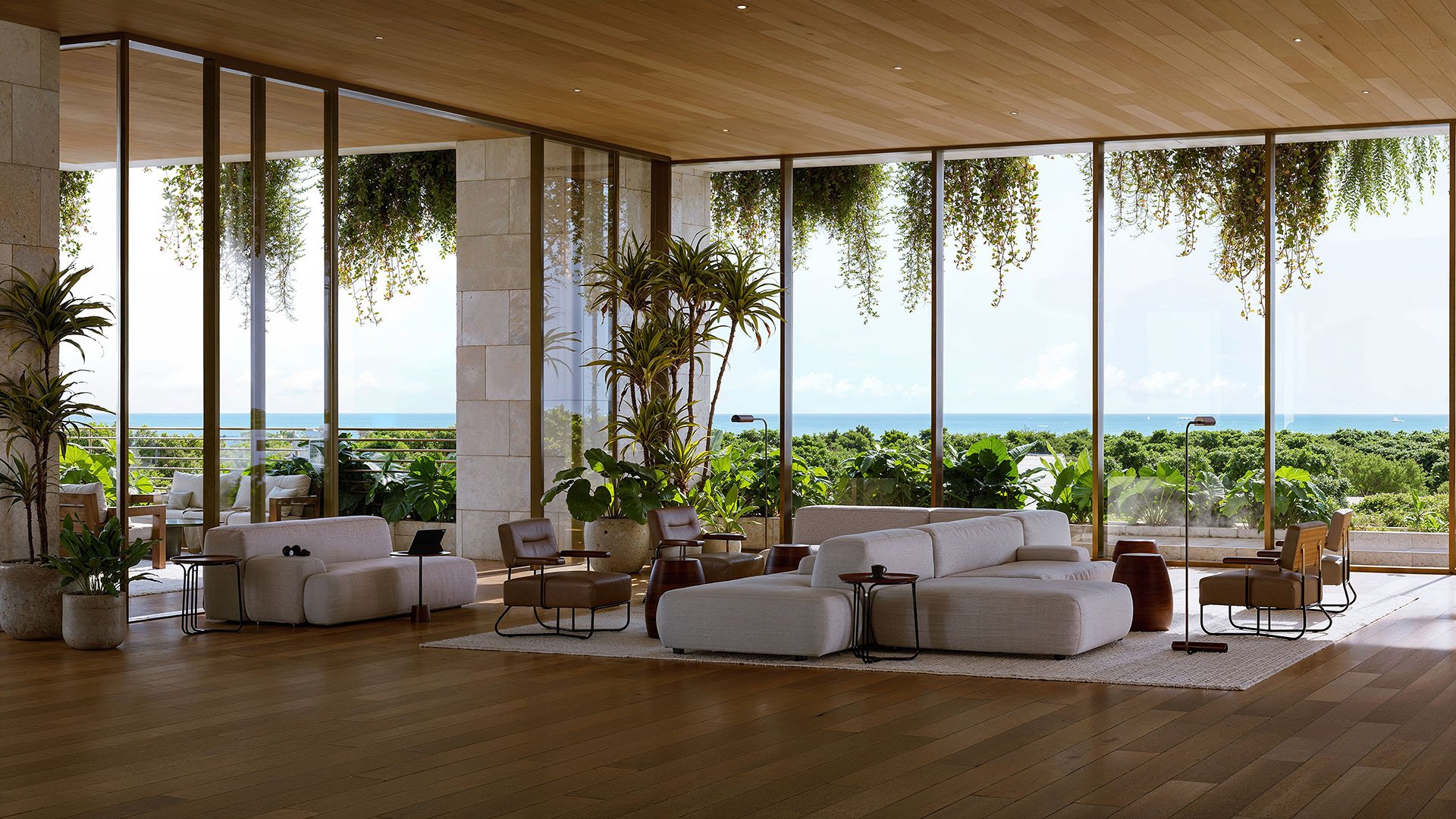
Ziggurat Coconut Grove and Park Grove Coconut Grove invite a more refined question than which building is more visually memorable. For serious buyers, the sharper inquiry is how each address performs over time. Architecture creates the first impression, but building culture determines the lived experience, the quality of stewardship, and the confidence with which an owner can eventually approach resale.
In Coconut Grove, the luxury conversation is rarely about height alone. It is about arrival, discretion, landscape, service rhythm, household flow, and the social temperature of the building. A residence can appear beautiful in a brochure and still feel inefficient if the operational culture does not match the way a household lives. Conversely, a quieter building with rigorous management and consistent resident expectations can become more valuable in practice than its surface glamour suggests.
That is why Ziggurat Coconut Grove and Park Grove Coconut Grove should be evaluated not only as real estate, but as residential ecosystems. Each name carries a different implication for how design, daily use, and future market perception come together.
Design pedigree is often misunderstood as a purely aesthetic credential. In the ultra-premium market, it is more structural than ornamental. It affects how a building meets the street, how residents transition from public to private space, how natural light is handled, and how entertaining separates from family life.
For a Coconut Grove buyer, pedigree should be tested through practical questions. Does the plan support a full-time household, or does it read primarily as a second-home stage set? Is the private elevator experience calm and intuitive? Are terraces, kitchens, service areas, bedrooms, and storage spaces aligned with the rhythms of real living? Is the architecture likely to feel disciplined after the first cycle of ownership, or does it depend on novelty?
Park Grove Coconut Grove has become part of the area’s design conversation because it represents the kind of residential identity buyers associate with established luxury. Ziggurat Coconut Grove enters the discussion through a different lens, one tied to how a newer proposition may define its own culture. Neither should be reduced to a single image. The real test is whether the design language can support private life without calling attention to itself every day.
Household operations are where luxury becomes measurable. The most sophisticated buyers consider staffing patterns, package handling, guest arrival, pet routines, valet expectations, maintenance responsiveness, and ease of hosting. These elements rarely appear as headline features, yet they shape satisfaction more than almost any finish.
A building’s culture is formed by rules, management tone, resident behavior, and the shared respect for privacy. Some buyers want a highly social environment with visible energy. Others prefer a more reserved address where common areas feel composed and interactions remain discreet. Neither preference is universal, but a mismatch can be costly.
This is where Ziggurat Coconut Grove and Park Grove Coconut Grove become case studies in fit. A household moving from a single-family home may prioritize storage, staff circulation, parking efficiency, and the ability to receive guests without friction. A buyer seeking a lock-and-leave residence may place more weight on security, service consistency, and ease of maintenance. Boutique buyers may tolerate fewer shared amenities if the tradeoff is intimacy and control, while others prefer a broader service platform.
In the Coconut Grove market, these distinctions matter because buyers often compare condominium living with the privacy of nearby estate neighborhoods. A condominium must therefore deliver not merely convenience, but a credible alternative to the autonomy of a house.
Resale discipline is not something to consider only when selling. It begins at acquisition, with a sober reading of scarcity, plan quality, exposure, building reputation, and the durability of buyer demand. A beautiful residence can underperform if the floor plan is difficult, the building culture is unclear, or the ownership story depends too heavily on a temporary trend.
For Park Grove Coconut Grove, a buyer should study how the building’s identity has matured and whether its resident profile supports long-term confidence. For Ziggurat Coconut Grove, the analysis should focus on how the project’s positioning may translate into future buyer conviction. In both cases, the question is not simply whether the address is desirable today. It is whether a future buyer will understand the value proposition quickly and trust it.
The strongest Coconut Grove condominiums tend to reward clarity. Clear architecture. Clear service standards. Clear governance. Clear expectations around privacy and maintenance. When these elements align, sellers are less dependent on theatrical marketing because the asset can speak through condition, experience, and reputation.
New-construction can be compelling, especially for buyers who want contemporary systems, fresh common areas, and the ability to enter a building early in its life cycle. Yet the first owner also accepts a period in which the building’s culture is still being established. Early rules, staffing quality, maintenance decisions, and resident norms can set the tone for years.
That does not make newer product risky by definition. It simply means buyers should evaluate more than finishes. They should ask how the building will be governed, how reserves and maintenance priorities may be approached, and whether the design has enough restraint to age well. In a luxury market, a disciplined building can become more desirable with time, while an undisciplined one can lose focus even if the original design was expensive.
A thoughtful comparison should begin with lifestyle, not price. Buyers should map the week: school runs, fitness routines, private dinners, visiting relatives, boating schedules, art storage, pets, staff, and seasonal occupancy. Then they should test each building against that map.
The second layer is social fit. Does the lobby feel like a public room or a private threshold? Are amenities likely to be used casually or ceremonially? Does the building feel like a collection of independent households, or a more visible community? These are qualitative judgments, but they are not soft. They influence retention, word-of-mouth demand, and ultimately pricing confidence.
The final layer is exit strategy. A buyer who can explain why the residence works operationally will usually be better positioned when it is time to sell. In Coconut Grove, where emotion and discretion often coexist, the most resilient assets are those that feel both personal and legible.
Why compare Ziggurat Coconut Grove and Park Grove Coconut Grove through building culture? Because luxury value is shaped by how a building lives day to day, not only by its architecture or initial presentation.
Is design pedigree the same as brand recognition? No. Design pedigree is about spatial intelligence, restraint, durability, and how well the residence supports real household life.
Why do household operations matter in a condominium purchase? Operations affect privacy, service consistency, guest flow, maintenance ease, and the overall comfort of ownership.
What should a single-family homeowner watch when moving into a condo? Storage, staff circulation, parking, pet routines, visitor access, and governance style deserve careful attention.
Does boutique always mean better for privacy? Not always. Boutique scale can feel intimate, but privacy depends on layout, management culture, and resident expectations.
How should buyers think about resale before purchasing? They should evaluate scarcity, plan quality, condition, building reputation, and whether future buyers will understand the value quickly.
Is new-construction always stronger for long-term value? No. New-construction can be attractive, but long-term value depends on governance, maintenance discipline, design restraint, and market fit.
Why is Coconut Grove different from more vertical luxury markets? Coconut Grove buyers often value landscape, discretion, neighborhood texture, and a quieter residential rhythm.
How does Coconut Grove search behavior influence buyer strategy? Buyers using a Coconut Grove lens often compare condominiums with estate-style living, so privacy and operations become central.
What is the most important takeaway for comparing these buildings? The best choice is the one whose design, service culture, and resale logic match the way the household actually lives.
For a discreet conversation and a curated building-by-building shortlist, connect with MILLION.
If branded residences are on your mind — as a home or as an allocation — we would be glad to share what we are seeing, privately.
Begin a quiet conversation