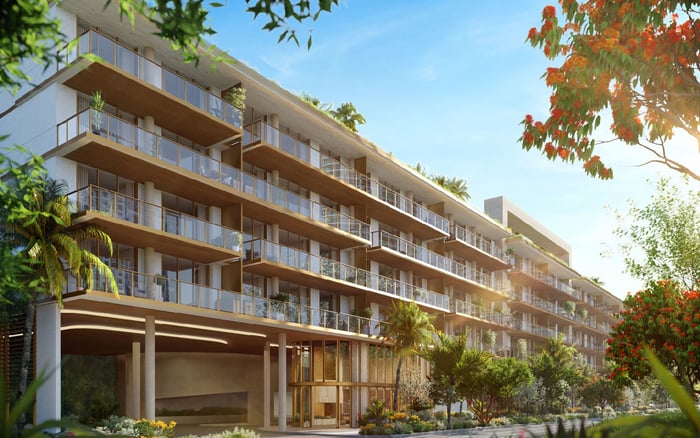
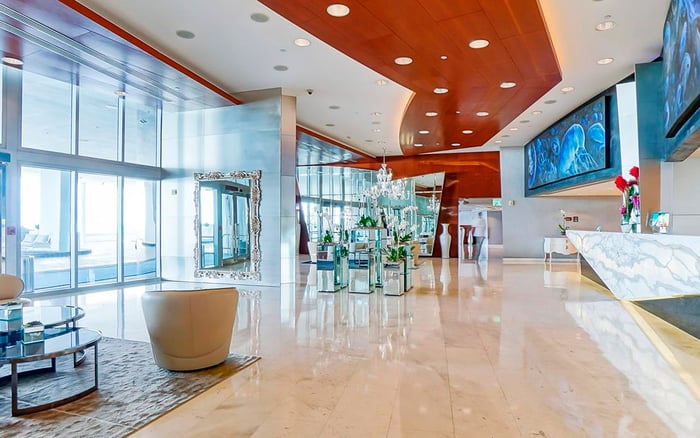
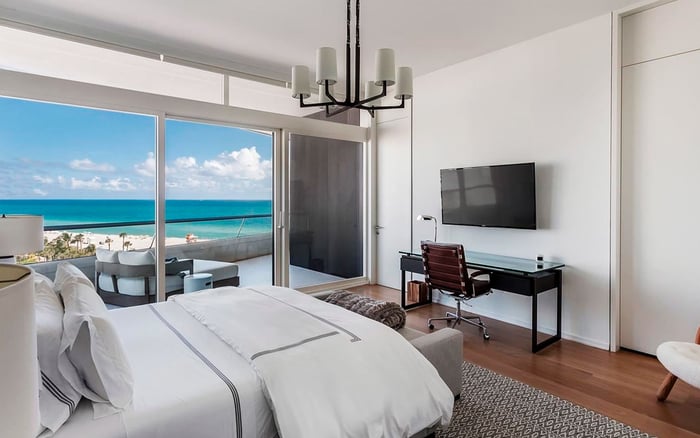
In Miami, branded residences have shifted from novelty to a discreet status signal, blending design authorship, service culture, and global brand equity into the ownership experience. For South Florida buyers, the appeal is not only lifestyle, but also clarity: a consistent standard, a recognizable name, and a management philosophy that can support long-term enjoyment and liquidity. This guide breaks down what a hotel-branded label can and cannot promise, where Miami demand is concentrating, and how to evaluate value when the premium is built as much on intangibles as on views.
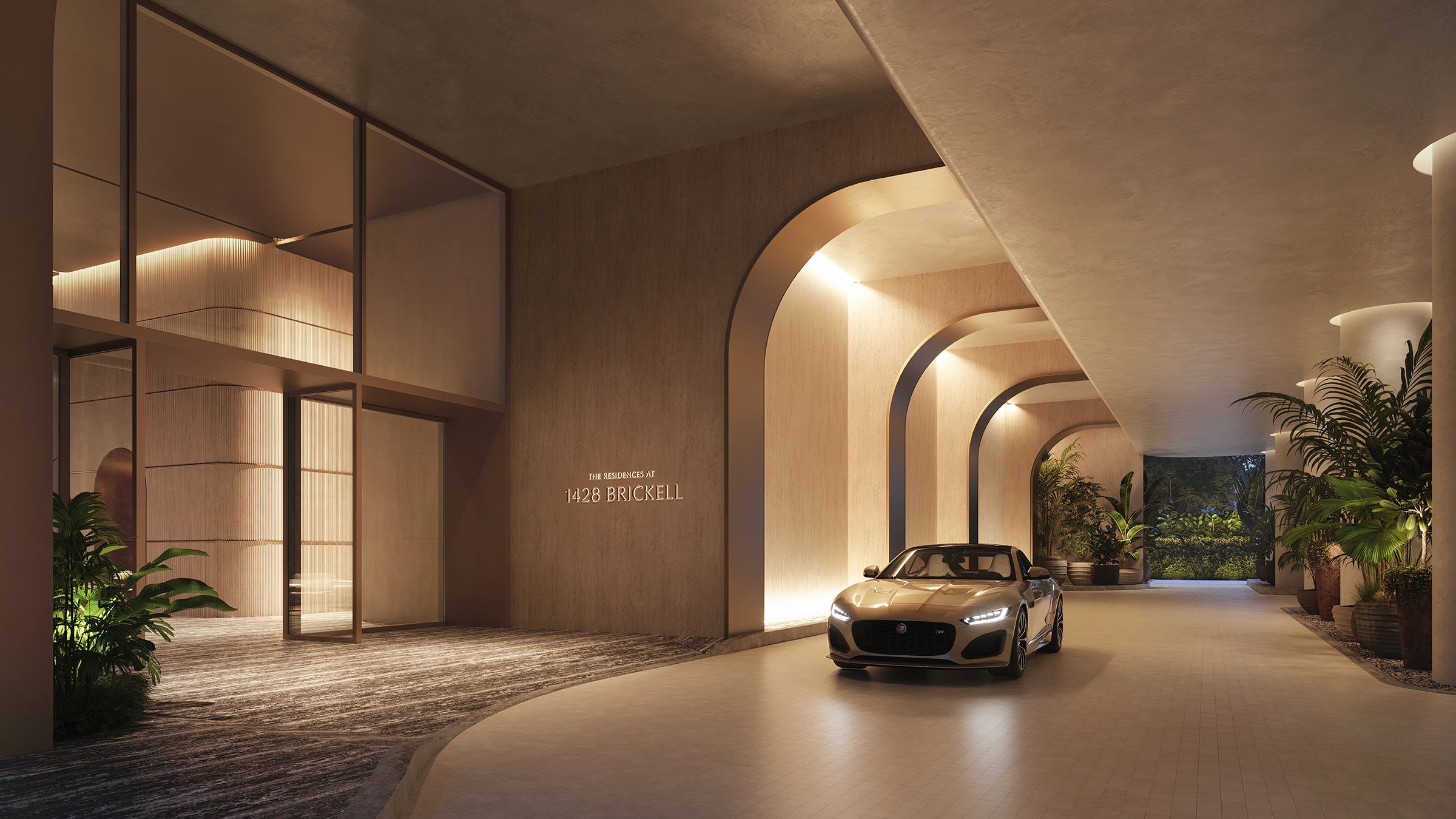
Miami has always understood the leverage of a name. Fashion houses, automotive marques, and hospitality flags shape first impressions here, from arrival rituals to late-night reservations. That same logic has moved from the lobby into the deed, and buyers are paying attention.
The conversation around hotel-branded residences is no longer confined to polished brochures. It surfaces in private showings, in pointed questions about day-to-day operations, and in the way buyers talk about permanence and legacy. When someone references Aman or Bulgari in a South Florida context, they are rarely just name-dropping. They are often reaching for shorthand: discretion, craftsmanship, consistency, and a quiet confidence that feels global yet personal.
For many owners who divide time between Brickell, Miami-beach, and other international addresses, a brand can function as an assurance mechanism. Recognition matters, but the deeper appeal is predictability. Buyers want a certain cadence of service, a certain restraint in design, and a building culture that feels composed even on ordinary days.
That expectation can be valuable, but it should never be taken on faith. The brand impression needs to be translated into the realities of ownership: what is actually delivered, who controls it, how it is funded, and how it holds up when the building is no longer new.
A helpful way to evaluate a branded residence is to treat it as a bundle of promises. Some are tangible, like curated amenity spaces, a staffed front desk, or a service infrastructure designed to reduce friction. Others are intangible, like brand-led standards, design direction, and a coherent point of view that runs through the public spaces and into the residences.
What the label does not automatically buy is a guaranteed lifestyle. A residence is still a home, not a hotel room. Even in exceptional buildings, the lived experience depends on governance, budgets, staffing, vendor performance, and the practical realities of association life.
For luxury buyers, the decisive question is simple: which parts of the brand are contractual, and which parts are aspirational. A name can signal an intent to operate at a certain level, but only the documents define what is provided, how it is measured, who has authority, and how costs are allocated.
Sophisticated buyers also separate hospitality service from hospitality branding. Some projects borrow the aesthetic vocabulary of hotel living without importing the operational discipline. Others build the operating model into the product. That distinction matters whether you are underwriting the home as an Investment or underwriting it as a sanctuary you intend to use.
In other words, branding can be a meaningful enhancement, but it is not a substitute for sound management or strong fundamentals.
South Florida is unusually well suited to branded living because the buyer profile is unusually global. Many owners already know hospitality at the highest level and are accustomed to clear standards. When those owners arrive in Miami, they often want a home that feels equally considered and equally reliable.
Miami’s lifestyle also amplifies the value of service. When a residence is used as a second home, the friction of ownership becomes more visible. Owners who arrive intermittently tend to prioritize a seamless handoff: arrivals that feel effortless, spaces that feel prepared, and reassurance that the building is being run with care while they are away.
At the same time, the local development environment rewards narrative. In Pre-construction, buyers often purchase a future identity as much as a future floor plan. A brand can anchor that identity, offering an immediate design vocabulary and a hospitality language that reads clearly from the first rendering.
None of this replaces the fundamentals. Light, water proximity, neighborhood character, and access still drive satisfaction and long-term demand. A branded label should elevate those fundamentals, not compensate for the absence of them.
In Miami, branded-residence demand tends to cluster where luxury buyers want lifestyle and liquidity in the same package. In practical terms, that usually means neighborhoods with daily momentum and a clear identity.
Brickell remains a natural contender for buyers who want immediacy. The district is designed around proximity, with an energy that makes the line between residence and city life feel thin. A brand-forward tower here can feel like an extension of the neighborhood’s polished pace, especially for owners who prefer to walk into a curated scene rather than drive to it.
Downtown, nearby, often appeals to buyers who value skyline drama and connectivity. For some, Downtown represents an efficient, urban simplicity. For others, it functions as a strategic base that keeps the wider metro area within reach.
Miami-beach draws a different psychology. Demand can be more emotional, tied to morning light, sand, and the idea of escape. In that context, branding can act as a filter, helping ensure the building’s tone matches an owner’s definition of calm.
Across these neighborhoods, the core question is not where the brand sits on a map. It is what kind of life you want on ordinary days. A logo that feels aspirational in an advertisement must still feel correct when you are returning with groceries, hosting friends, or leaving for an extended trip.
Aman and Bulgari occupy a particular place in the luxury imagination: references for discretion, craft, and an experience that feels deliberate rather than performative. In Miami, even when buyers are not shopping a specific flag, these names shape what they request. They want fewer compromises, fewer visual theatrics, and a stronger emphasis on sensory calm.
You can hear that influence in the questions buyers ask. They focus less on maximalism and more on materials that feel timeless. They want to understand acoustic separation, the mood of arrival, and how public spaces manage privacy. They ask whether service feels anticipatory rather than staged.
For developers and operators, this preference raises the bar. It is no longer enough to say “luxury” and assume the market will fill in the details. Buyers increasingly expect a coherent philosophy: why the building exists, who it is for, and what kind of experience it intends to protect over time.
For buyers, the opportunity is alignment. The most successful purchases in the branded category are rarely driven by hype. They are driven by fit, meaning the brand’s tone matches the owner’s lifestyle and the building’s operations can actually deliver the promise.
In a market where views can be spectacular in many directions, interiors have become the differentiator. Branded residences often lead with design authorship, whether that authorship is rooted in hospitality, fashion, or a broader lifestyle world.
A luxury buyer should read interior design the way one reads architecture: as a system, not a snapshot. The questions are not only how a space photographs today, but also how it wears over time. Does the palette feel current without feeling trendy? Do details feel quiet enough for daily living? Is there an intelligent logic to storage, circulation, and proportion?
In branded living, common areas matter as much as the residence itself. They are part of the purchase even if they sit outside your front door. They also reveal how the building thinks about residents. A well-considered arrival sequence and calm, functional amenity planning signal competence. In contrast, a beautifully styled lobby paired with unclear service execution can be a warning sign.
Because there is no single universal definition of “luxury,” buyers should insist on clarity. If a project is positioning itself as hotel-branded, confirm what that means in practice: who is responsible for staffing, how standards are measured, and what happens when expectations evolve.
Branded residences often carry a perceived premium. The right approach is not to assume that premium is justified, and not to reject it on principle. The right approach is to test it.
Start with your personal priorities. If you value privacy over social energy, look for buildings where circulation, elevator planning, and amenity placement support discretion. If you value being hosted, concentrate on operational sophistication and staffing culture. If design is the main driver, confirm that the interiors are not only “branded,” but genuinely thoughtful and livable.
Then move to resale logic. Not every future buyer will care about the same brand signals you care about today. Underwrite liquidity by asking how the building will read to a broad luxury audience, including buyers who may be brand-agnostic but quality-sensitive. The goal is to understand whether the brand adds clarity to the product, or narrows the buyer pool.
Finally, treat operations as a core asset. In a branded building, the management model is part of what you are buying. Ask how decision-making works between the association, the operator, and any affiliated entities. Confirm how the brand standards are maintained over time, and what remedies exist if the lived experience drifts from the promise.
In Miami, it can be useful to anchor the branded-residence conversation to a specific local reference point, even if you ultimately choose a different neighborhood or a different design language.
For that purpose, explore St. Regis® Residences Brickell as a way to think through the questions branded living tends to raise for high-net-worth buyers: the arrival experience, the tone of common areas, privacy expectations, and the relationship between service culture and day-to-day life.
Use that reference to refine your checklist. Some buyers discover they want the hospitality layer and the predictability that comes with it. Others realize they prefer a more purely residential, less orchestrated environment. Both outcomes are valuable because they reduce friction later, and they make the eventual purchase decision more intentional.
The point is not to chase a logo. It is to understand what, precisely, you are paying for, and whether that value matches how you live in Miami.
In luxury real estate, the most expensive surprises are often operational, not aesthetic. Branded residences can be remarkably satisfying when the structure is sound, and frustrating when key assumptions go untested.
Focus your diligence on four areas.
First, branding rights and duration. Confirm how the brand is used, what standards are promised, and what happens if the brand relationship changes. You are not only buying today’s identity, you are underwriting continuity.
Second, service scope. Clarify which services are included, which are optional, and how service quality is monitored. Avoid relying on sales language for anything that should be defined in writing. If a service is part of the decision, ensure it is part of the agreement.
Third, cost allocation. In any luxury building, budgets evolve. In a branded building, costs can be shaped by staffing, training, and brand standards. Make sure you understand how expenses are determined, how increases are handled, and how owners are represented in decisions.
Fourth, use profile. Confirm how the building is positioned for primary residents versus second-home owners, and how that may influence culture, rules, and expectations. The best fit is not always the most famous name. It is the building whose operational choices match your lifestyle.
In Pre-construction, be especially disciplined. Renderings communicate mood, not mechanics. Ask for clarity, read the documents closely, and keep the purchase grounded in fundamentals. Miami will continue to reward great locations and great execution, whether the door carries a brand or not.
How do I separate branding from actual building operations? Look for the operational layer behind the identity. Ask who staffs the building, who trains that staff, and who sets service standards. Then verify what is contractually defined versus implied in marketing. A brand can influence design and tone, but day-to-day satisfaction typically comes from governance, budgeting, staffing consistency, and clear accountability.
What should I confirm in the documents before paying a branded premium? Confirm branding rights and duration, the exact scope of services, and how those services are funded. Review how decisions are made between the association, the operator, and any affiliated entities. Pay close attention to cost allocation language, remedies if standards change, and any clauses that affect the long-term continuity of the brand experience.
How do branded residences typically affect long-term liquidity and resale? Branding can support liquidity when it adds clarity and confidence to the product, especially for buyers who value consistency. It can also be neutral if the broader market is more focused on location, layout, and execution. Underwrite resale by assuming the next buyer may be quality-sensitive rather than brand-driven, and evaluate whether the building stands on fundamentals.
What is the smartest way to evaluate a Pre-construction branded offering? Treat the brand as a starting point, not a conclusion. Compare what is promised in renderings with what is defined in the documents. Ask detailed questions about staffing plans, management structure, and how standards will be maintained once the building is operating. Stay grounded in the basics that always matter in Miami: neighborhood fit, light, access, and long-term execution.
For discreet guidance tailored to your lifestyle in Brickell, Downtown, or Miami-beach, connect with MILLION Luxury.
If branded residences are on your mind — as a home or as an allocation — we would be glad to share what we are seeing, privately.
Begin a quiet conversation