Pre-construction in South Florida can be a sophisticated way to secure prime inventory, but timelines are rarely linear. This editorial explains how delays typically surface, how to read a sunset clause with precision, and how to protect deposit equity and optionality from contract to closing.
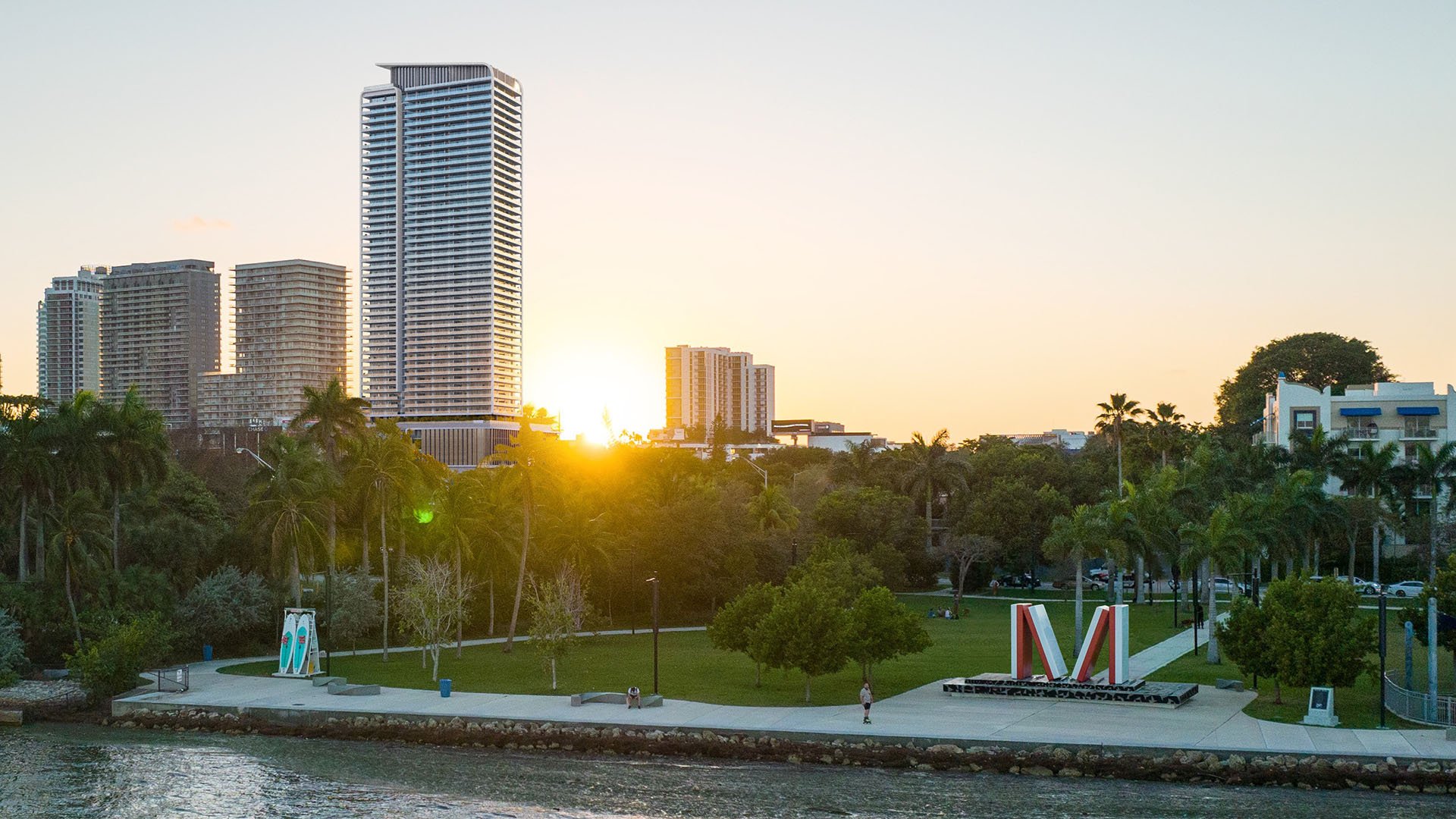
Pre-construction, at its best, is a controlled way to secure a scarce view corridor, a preferred stack, or a boutique floorplan before it is broadly available. In South Florida, that advantage comes with a reality sophisticated buyers already understand: construction schedules are not simply calendars-they are chains of dependencies.
Delays rarely arrive as a single, tidy shift. More often, they compound: a change in sequencing pushes inspections, which pushes temporary certificates, which pushes punch-list completion and lender readiness. The result is not always catastrophic, but it can become expensive if your contract and personal timeline were written as though the original estimate were a guarantee.
For buyers who split time between residences, the risk is lifestyle friction: overlapping leases, furniture storage, travel logistics, school timing, and staff planning. For investment-minded purchasers, the exposure is financial: rate-lock windows, carry costs, and the opportunity cost of idle capital.
This is why the most disciplined approach is not to avoid pre-construction. It is to structure it so time works for you, not against you.
Most buyers focus on the headline “anticipated completion” date. Your contract, however, lives in the milestones beneath it. Knowing where slippage typically starts helps you negotiate protections that actually matter.
Common pinch points include:
Approvals can move slower than construction itself, and one delayed sign-off can stall downstream work.
Elevators, façade systems, custom glazing, and specialty finishes are often ordered far in advance. If they arrive late or require substitutions, the schedule can reshuffle quickly.
Even when a buyer requests no changes, the project can shift through value engineering, code-driven revisions, or brand standards.
Near the finish line, buildings must prove they operate as designed. That phase is difficult to compress.
From a buyer’s perspective, the takeaway is straightforward: require the contract to specify what you will be told, when you will be told, and what documentation supports it.
A sunset clause is a time-based exit mechanism. If the developer has not met a defined delivery condition by a defined date, the clause can allow a buyer to cancel-often with a return of the deposit as specified in the agreement.
In practice, sunset clauses are not interchangeable. The difference between a clause that protects you and one that merely sounds protective is definition.
You want clarity on four items:
The trigger: Is it “substantial completion,” “certificate of occupancy,” “temporary certificate,” or another standard? The more precise the trigger, the less room there is for debate.
The outside date: Is it a fixed calendar date, or an estimate plus a stated extension period? If extensions exist, how many and under what conditions?
Notice and cure: Must the developer give notice? Is there a cure period? If so, does the cure period restart after each event?
Your remedy: Is cancellation automatic, optional, or subject to developer consent? How and when are deposits returned, and what happens to any interest as defined in the contract?
A well-drafted sunset provision is not adversarial. It is a quiet alignment of expectations that preserves optionality if your personal or financial circumstances change.
The most effective protections are rarely dramatic. They are the quiet clauses that make the timeline legible and your downside measurable.
A buyer does not live in “substantial completion.” A buyer lives in a residence that is habitable, insurable, and financeable. Ask counsel to align delivery language with what you actually need to close and occupy.
Require periodic construction updates, advance notice of anticipated delays, and written notice when the project enters critical phases that affect your planning-such as closing windows and unit access for walk-throughs.
Many agreements include broad extension rights, sometimes tied to events outside the developer’s control. The goal is not to remove legitimate protections, but to narrow ambiguous language so it cannot function as a blank check.
Your deposit schedule should reflect the reality of a longer timeline. When possible, structure deposits so later payments are tied to objective milestones. Also confirm escrow handling, release conditions, and what happens if you exercise a sunset right.
Delays are felt most sharply when financing decisions were made too early.
If you plan to finance, treat the pre-construction period as a series of checkpoints rather than a straight line to underwriting. Keep documentation organized, but avoid locking yourself into a narrow rate window until you have credible, updated timing.
Practical considerations include:
Rate locks are typically time-bound. If the schedule slides, you may pay to extend or re-lock.
A longer timeline can mean longer carry for cash held aside for closing.
Even high-net-worth buyers benefit from a secondary plan, whether that is alternative liquidity or a different lending structure.
In Brickell, for example, a buyer tracking a high-design tower such as 888 Brickell by Dolce & Gabbana may pair aspirational selection with conservative timing buffers, simply because the value of the asset is tied to finishing standards and delivery coordination. The point is not the specific building. It is the discipline: assume the schedule will move, and design your financing posture to move with it.
For primary residences, the most painful delays are rarely legal. They are operational.
If you are selling a current home, consider negotiating occupancy terms or a leaseback to create a bridge. If you are renting, preserve flexibility in renewal options. If you are furnishing, time high-value custom pieces to realistic delivery windows, and avoid paying storage for months because your unit is not ready for white-glove installation.
Buyers planning a Miami Beach arrival should be especially careful with seasonality. A closing that drifts can collide with peak-season logistics, from elevator reservations for move-ins to vendor scheduling. For an oceanfront buyer considering 57 Ocean Miami Beach, it is prudent to treat “first season in residence” as an aspiration rather than a promise unless the building is demonstrably within a near-term closing window.
The most effective negotiation stance is calibrated. Developer teams expect sophisticated buyers to ask for clarity-and they also reward clean, workable deals.
Push hardest on:
(Delivery, completion, notices)
(How to exercise a sunset right, timelines for deposit return)
(Documented updates and predictable closing windows)
Preserve goodwill on:
That does not change your risk profile
That do not affect money, time, or habitability
A discreet way to do this is to propose neutral, process-driven language rather than accusatory edits. You are not predicting failure. You are building a contract that can absorb real-world variance.
Even with a strong agreement, you still want to understand how the project is being managed.
Ask for:
The project’s current construction status and whether critical path items are secured
The plan for inspections and commissioning
How closing sequences are managed (by floors, by stacks, or by readiness)
The realistic lead time for buyer walk-throughs and punch-list resolution
In Hallandale, a buyer evaluating a luxury coastal product like 2000 Ocean Hallandale Beach might also consider how amenities and common areas are phased. A unit may be closeable before every amenity is fully operational, and that can matter depending on why you bought.
Once a delay is in motion, emotion is expensive. Process is powerful.
Document everything: Keep written notices, updated timelines, and any schedule representations.
Re-forecast your personal timeline: Update lease, travel, school, and furnishing schedules. Build a buffer that reflects the new reality.
Evaluate your leverage points: Your leverage may be strongest around elections you control, such as approving changes, timing later deposits, or consenting to certain extensions.
Use counsel to propose a clean amendment: If the new timeline is credible, a narrowly tailored amendment can trade an extension for a buyer benefit, such as clearer notice, defined walk-through timing, or other practical terms.
In boutique coastal enclaves like Bay Harbor Islands, where inventory is inherently limited, buyers sometimes choose to stay in the deal even with slippage because replacement options are scarce. If you are weighing that choice around a wellness-forward concept such as The Well Bay Harbor Islands, the key is to re-underwrite the purchase as if you were deciding today, with today’s timeline.
Before you sign, read the sunset clause as if you are already in a delay and want to exit calmly.
Can you identify the exact outside date, including any extension periods?
Can you tell what “completion” means without guessing?
Does the clause require you to give notice in a specific way and within a specific period?
Does it state when and how your deposit is returned?
Does it preserve your other remedies, or waive them broadly?
If any answer feels imprecise, it is not necessarily a reason to walk away. It is a reason to refine the language until it matches the caliber of the asset you are buying.
What is a sunset clause in a pre-construction condo contract? It is a provision that can allow cancellation if delivery is not achieved by a defined outside date.
Does a sunset clause guarantee I can cancel if the project is late? Not always; the trigger, extensions, and notice requirements can limit when cancellation is available.
What delivery trigger is most buyer-friendly: substantial completion or certificate of occupancy? A trigger tied to occupancy is typically more practical, because it aligns with financing and move-in reality.
Can a developer extend the completion date automatically? Many contracts allow extensions under specified conditions, so the exact language matters.
If I cancel under a sunset clause, do I automatically get my full deposit back? Usually the intent is a deposit return, but timing, deductions, and process are defined by the agreement.
How should I plan my lease if I expect a pre-construction closing? Negotiate flexibility such as renewal options or a short extension, and plan for a meaningful buffer.
When should I start the mortgage process for a pre-construction purchase? Stay organized early, but align rate locks and underwriting steps with credible, updated closing windows.
Should I buy furniture before my unit is delivered? It can be smart for long-lead custom pieces, but avoid delivery dates that force expensive storage.
What should I do if I receive a delay notice from the developer? Save the notice, ask for an updated timeline in writing, and re-forecast your financing and lifestyle plans.
Can I renegotiate terms if the project is delayed? Sometimes, especially if an amendment is needed; a clean, limited proposal tends to be most effective.
For a confidential assessment and a building-by-building shortlist, connect with MILLION Luxury.
If branded residences are on your mind — as a home or as an allocation — we would be glad to share what we are seeing, privately.
Begin a quiet conversation