Buying in the earliest pre-construction window can improve price basis, selection, and optionality, but only when underwriting the contract, timeline, and developer execution with discipline.
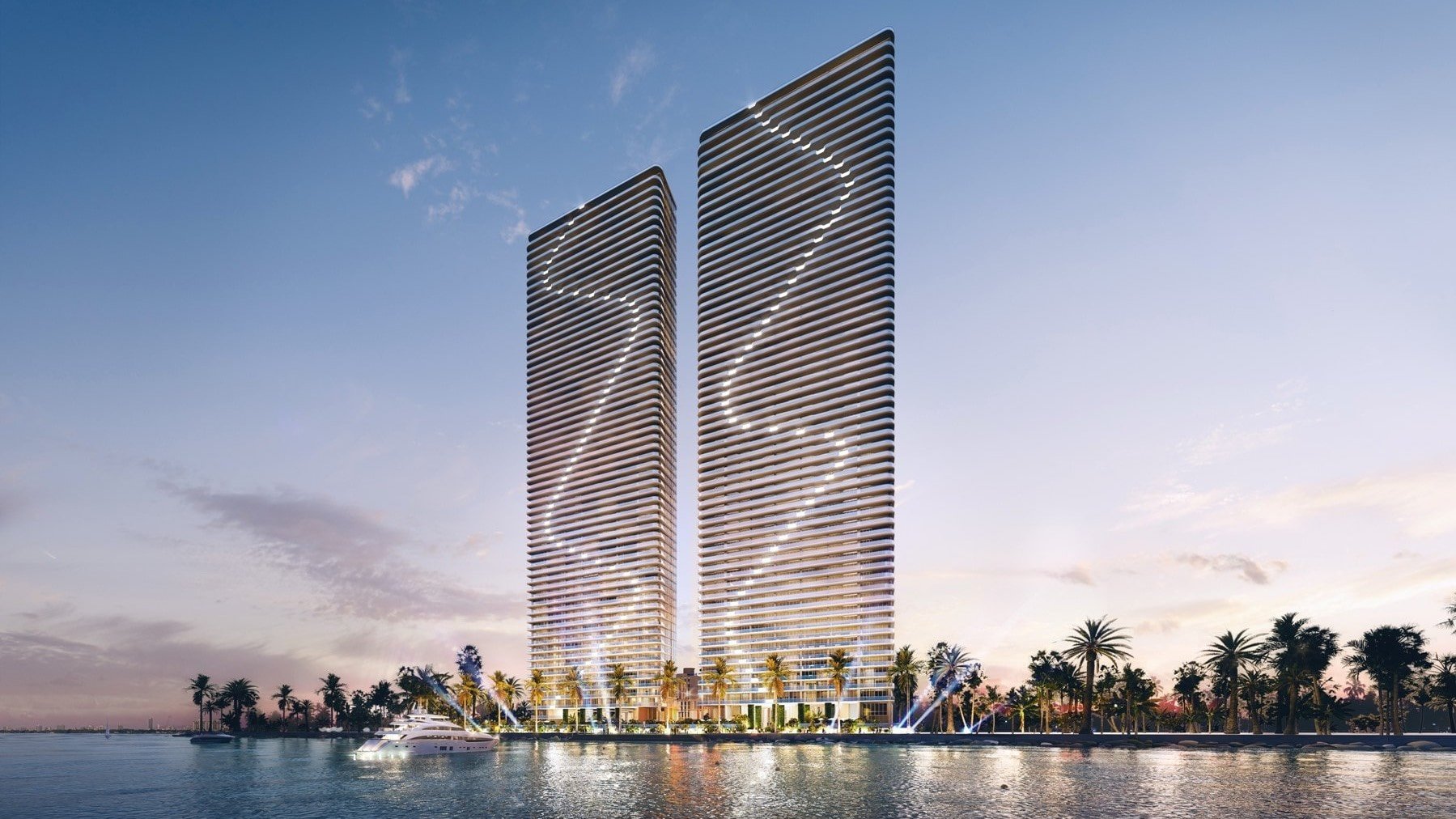
In South Florida’s ultra-prime condominium market, the initial “friends and family” release is less a marketing flourish and more a capital-formation moment. Before a tower is broadly promoted, a small circle is offered first position on pricing and selection. For a buyer who values discretion and long-term optionality, this phase can deliver a cleaner early basis-paired with the ability to secure what is truly scarce: the right line, the right elevation, the right exposure.
The financial benefits are rarely about a single, headline-grabbing discount. They come from compounding advantages: buying closer to the developer’s earliest underwriting assumptions, selecting inventory that often proves most liquid later, and staging deposits so capital is deployed over time rather than all at once. In markets like Brickell and Miami-beach, where view corridors, walkability, and brand adjacency can separate “nice” from “irreplaceable,” selection becomes a financial instrument.
Just as importantly, the friends and family phase can be the window where terms still have room to be shaped-especially around assignment language, upgrade packages, and clear definitions of what is included versus what is optional. When executed well, the outcome is not simply buying early. It is buying early with an underwriting mindset.
The most obvious benefit is price. Early allocations can land below later, publicly marketed pricing as the project gains momentum and the developer calibrates to demand. Even when the delta is modest, the impact on your basis can be meaningful because it applies to the full purchase price.
A cleaner basis can translate into three practical advantages:
through market cycles. With a disciplined entry point, you can stay patient on timing rather than being forced into a sale.
A lower basis can make a resale compelling without requiring you to be the top-of-market outlier.
Carrying costs, interest rates, and insurance have become more consequential. A basis advantage can help absorb changes without impairing your overall investment thesis.
In high-profile submarkets, the narrative often centers on lifestyle, but pricing mechanics still matter. Consider how a buyer evaluates branded or design-forward product in Brickell, such as 888 Brickell by Dolce & Gabbana. Early positioning is not only about owning a label-it is about entering before the project’s public profile becomes a pricing lever.
In luxury condos, the unit you choose can matter as much as the price you pay. The friends and family phase typically offers the broadest menu: corner exposures, ideal floor plates, and lines that preserve long views or reduce adjacency. Over time, those options narrow, leaving later buyers to compromise.
Selection becomes financial in several ways:
Clean, functional plans tend to resell more predictably than novelty.
Light, water, and skyline exposures are not interchangeable.
Elevation can influence privacy, wind, and ambient sound.
Some lines simply do not repeat at scale.
In Miami-beach, where the difference between “ocean-adjacent” and “true oceanfront” is meaningful to buyers, the right stack can create a scarcity premium that endures. Early selection can be especially relevant when considering boutique beachfront offerings like 57 Ocean Miami Beach, where inventory is inherently limited and the later choice set can tighten quickly.
Pre-construction is not a cash purchase on day one; it is a contracted commitment over time. In early phases, deposit schedules are often straightforward and staged, which can help sophisticated buyers manage liquidity.
When deposits are spread across milestones, you can potentially keep more capital working in parallel-whether that means maintaining reserve flexibility, funding other acquisitions, or preserving optionality until delivery is closer. In other words, you are not only purchasing real estate. You are purchasing a timeline.
This matters in a market where a buyer may be balancing multiple priorities: a primary residence, a pied-à-terre, or a long-term hold. A staged structure can also create a natural decision window-you can track construction cadence, neighborhood evolution, and the broader economic backdrop.
In Fort-lauderdale, for example, pre-construction can be a way to step into newer inventory while the city’s luxury ecosystem continues to mature. A project like Andare Residences Fort Lauderdale fits within that broader thesis: buying into the next generation of product with time on your side, provided the contract aligns with your risk tolerance.
The hidden financial edge in the friends and family phase can be contractual. Once a project is fully launched, documents often become less flexible. Earlier on, there may be more willingness to clarify terms, add guardrails, or address buyer concerns with precision.
Key provisions to evaluate with counsel include:
If your strategy includes optionality, understand whether you can assign, when, and under what fees.
Developers typically reserve broad rights to modify plans. The objective is not to eliminate this, but to understand materiality thresholds.
Confirm what is customary versus what is negotiable, and ensure you are underwriting the full closing stack.
Construction schedules are estimates; the contract defines remedies and extensions.
Many luxury pre-construction contracts are non-contingent. Plan accordingly.
Even when terms cannot be materially changed, early buyers often gain better clarity on what is included-ceiling heights, appliance packages, smart-home scope, and amenity access. Clarity reduces the risk of “scope drift,” which can become a real financial issue at closing.
Pre-construction buyers sometimes underestimate the importance of the final step: closing. Regardless of your initial basis, the property still needs to satisfy whatever financing and documentation requirements exist at that time. Rates can change. Lender appetites can shift. Condo approval environments can tighten.
A disciplined approach is to underwrite for a conservative scenario:
Assume financing is available, but not effortless.
Budget for reserves rather than relying on perfect timing.
Treat the appraisal as a variable, not a guarantee.
This is not pessimism. It is luxury-level risk management. The buyers who do best with early-phase allocations are typically those who can close without stress, then choose their moment to enjoy, hold, or exit.
In South Florida, lifestyle features often become pricing features. Walkable districts, waterfront promenades, private arrival sequences, and hospitality-grade amenity programs can translate into durable demand drivers-particularly for second-home buyers.
In Brickell, proximity to dining, culture, and business centers can support year-round usage and resale depth. A building such as 2200 Brickell illustrates why early positioning can matter: in a neighborhood where new inventory is closely watched, first allocations can secure the most balanced combinations of exposure, floor, and plan.
In coastal enclaves like Sunny-isles, the calculus often shifts toward unobstructed water views and resort-style living, while still prioritizing privacy and security. The friends and family phase can be where the most compelling view lines and corner residences are placed quietly.
The friends and family phase rewards decisiveness, not haste. Before you write a deposit check, align the purchase with a clear framework:
Is this a personal residence, a long-term hold, or a flexible asset?
Favor layouts and exposures that are easy to understand and hard to replace.
Include carrying costs, fees, insurance, and any anticipated upgrades.
Focus on what can change, when, and with what remedies.
Early-phase advantages are real, but they are not guarantees.
South Florida’s pre-construction market can be a sophisticated way to buy tomorrow’s prime product at today’s basis. The buyers who benefit most are the ones who treat the friends and family phase not as a rush to be first, but as a chance to be correct.
What is the friends and family phase in pre-construction sales? It is an early allocation period where a limited group can purchase before the public launch, often with stronger selection and potentially better starting pricing.
Is early pricing always lower than later pricing? Not always, but early releases commonly aim to build momentum, which can create a more favorable basis than later phases.
Why does unit “stack” matter financially? The right line, exposure, and layout can be more liquid on resale and may command a premium because it is harder to replicate.
Can I negotiate terms during the friends and family phase? Sometimes you can achieve clearer inclusions or improved flexibility, but most luxury developer contracts still have firm, standardized structures.
How should I think about deposit schedules? A staged deposit can preserve liquidity while construction progresses, but you should assume the funds are committed and plan accordingly.
What is the biggest risk of buying pre-construction early? The main risks are timeline uncertainty and the reality that markets, financing, and personal plans can change before closing.
Do I need to plan for appraisal risk at closing? Yes. Even with a strong basis, appraisals and lending requirements can vary, so conservative underwriting is prudent.
Is pre-construction better for primary residences or second homes? It can work for both, but the best fit depends on how you value timing, customization, and your ability to close without relying on perfect conditions.
Should I prioritize brand-new buildings over resale inventory? New-construction can offer modern systems and amenities, while resale may offer immediate use; the right choice depends on your timeline and goals.
What is one sign a pre-construction purchase is well-structured? When the contract, total cost, and closing plan all align with your liquidity and long-term objectives, not just the headline price.
For a confidential assessment and a building-by-building shortlist, connect with MILLION Luxury.
If branded residences are on your mind — as a home or as an allocation — we would be glad to share what we are seeing, privately.
Begin a quiet conversation