A practical buyer-focused comparison of Vita at Grove Isle and Alma Bay Harbor Islands through the lens of wellness programming, spa traffic, privacy, and long-stay livability.
The most useful comparison between Vita at Grove Isle and Alma Bay Harbor Islands is not a simple amenity checklist. For sophisticated South Florida buyers, the sharper question is how wellness programming shapes the way a residence actually lives over months, seasons, and years.
Wellness has become one of the defining languages of new luxury development. It can mean spa treatment rooms, fitness studios, recovery spaces, meditation areas, pools, social lounges, water views, terraces, and a broader promise of calm. Yet buyers who intend to use a residence often should look past the headline. The more practical issue is operational rhythm: who uses the wellness spaces, how often, at what times, and with what degree of privacy.
That is where the Vita at Grove Isle versus Alma Bay Harbor Islands conversation becomes more revealing. One buyer may want a residence that feels like a personal retreat anchored by a familiar daily routine. Another may prefer a more social, easily navigable building where wellness supports a lock-and-leave lifestyle. Both instincts can be valid. The right answer depends less on branding than on temperament.
The strongest wellness concept in a condominium is not necessarily the most elaborate one. It is the one that feels inevitable in daily life. A gym that is easy to reach, a spa environment that does not feel overexposed, a pool deck that works in both quiet mornings and high-season afternoons, and staff protocols that preserve residential calm can matter more than a theatrical list of features.
Buyers considering Alma Bay Harbor Islands should think carefully about how the building’s wellness promise fits the broader Bay Harbor Islands lifestyle. The area attracts buyers who value access, scale, and a quieter residential feel while staying connected to nearby luxury corridors. That makes wellness less about spectacle and more about ease. If the programming feels too busy, it can erode the calm that drew the buyer to Bay Harbor in the first place.
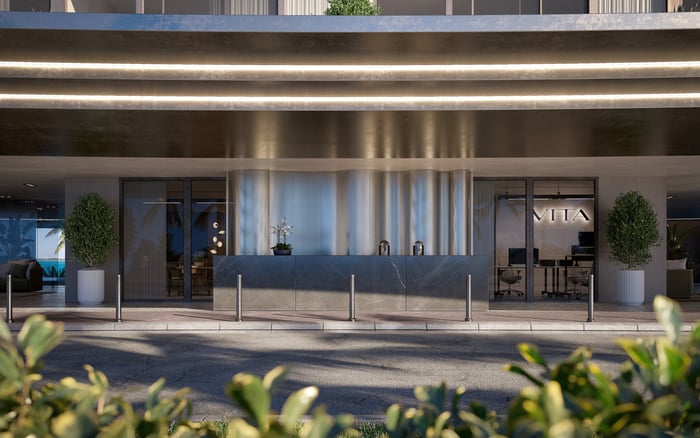
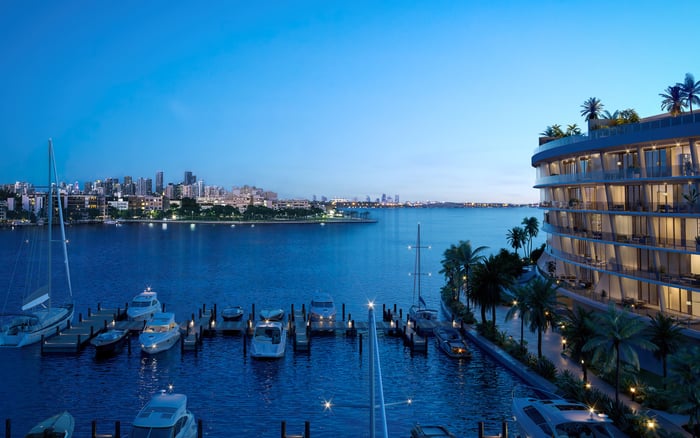
At Vita at Grove Isle, the practical lens is similar, but the emotional expectation may differ. Buyers drawn to a Grove Isle address often want the home to feel like a composed private world. In that context, wellness amenities should reinforce seclusion, not compete with it. The question is whether the spaces support long, unhurried use or simply photograph well during a sales presentation.
This is also why buyers touring The Well Coconut Grove or The Well Bay Harbor Islands may find the broader comparison useful. Across South Florida, wellness is no longer a decorative add-on. It is part of the residential operating system, and buyers should evaluate it with the same seriousness they apply to floor plans, parking, views, and service.
Spa traffic is rarely discussed with enough precision. A spa can be an asset when it is correctly scaled, sensibly located, and managed for residents. It can become a friction point when appointment flow, guest access, elevator circulation, noise, or staff movement begins to feel too visible.
For a primary resident, the concern is repetition. A single busy afternoon may not matter. A recurring pattern of crowded corridors, booked rooms, or wellness spaces that feel semi-public can change the emotional character of home. For a second-home buyer, the concern is timing. If the residence is used during peak holidays or winter months, the wellness amenities may be most in demand precisely when the owner is present.
The most discerning buyers ask direct questions. Are wellness spaces resident-only or open to a broader user base? How are appointments scheduled? Are guests allowed, and under what conditions? Does spa circulation intersect with residential arrival? Are treatment areas visually discreet? What happens on weekends? These questions are not unglamorous. They are the foundation of quiet luxury.
This is where the term boutique can be meaningful, but only if it translates into fewer pressure points. Boutique scale may support discretion, yet it does not automatically guarantee calm. A smaller building with intense programming can feel busier than a larger building with excellent management. Buyers should focus on lived density, not just total size.
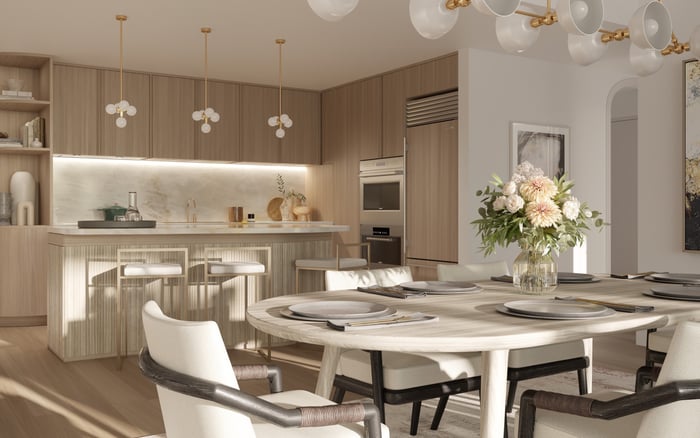
A residence that works for a three-day visit may not work for a three-month stay. Long-stay livability is where aspirational design meets daily discipline. The questions become more intimate: Can two people maintain different schedules without disturbing each other? Is there enough storage for seasonal living? Does the kitchen support actual use? Is the terrace comfortable beyond a sunset tour? Does the wellness offering reduce the need to leave the property, or does it simply add another calendar to manage?
For Alma Bay Harbor Islands, long-stay buyers may be especially attentive to walkability, daily errands, neighborhood rhythm, and how easily the residence supports a low-friction routine. The Bay Harbor buyer often values convenience without the intensity of larger urban cores. Wellness programming should therefore complement a life that already depends on balance.
For Vita at Grove Isle, long-stay livability may be judged by a different measure of retreat. Buyers may ask whether the home continues to feel restorative after the novelty has faded. Does the setting encourage quiet mornings and unhurried evenings? Does the building operate with enough discretion that residents feel protected from resort-style traffic? These are not soft concerns. They shape satisfaction, renewal probability, and future resale narratives.
The word water view also deserves practical interpretation. A view is not only a resale feature. It influences how a buyer uses wellness spaces, entertaining areas, bedrooms, and terraces. If the residence itself delivers calm, the owner may rely less on shared amenities for restoration. If the residence is more compact or more urban in feel, the building’s wellness program may carry more of the lifestyle burden.
Many South Florida purchasers begin with the idea of occasional use and later discover they want longer stays. That is why a second-home decision should be tested as if it were a primary residence. The owner may start with winter visits, then add spring breaks, remote work periods, family gatherings, and eventually longer seasonal residence.
In that scenario, Vita at Grove Isle and Alma Bay Harbor Islands are not merely competing addresses. They represent different ways of spending time. One may feel more retreat-oriented. The other may feel more connected to a neighborhood pattern. The deciding factor is not which lifestyle sounds better in the abstract. It is which one the buyer will actually sustain.
Buyers should also consider how wellness expectations change over time. At first, the spa may feel like a novelty. Later, the most valued amenity may be the simplest one: an uncrowded fitness room before breakfast, a quiet place to stretch, a pool environment that does not require planning, or staff who understand the owner’s preferences without making the building feel performative.
In the Coconut Grove conversation, serenity is often part of the emotional appeal. In the Bay Harbor conversation, proportion and ease often matter. Neither is superior by default. The stronger purchase is the one where the building’s wellness culture matches the buyer’s daily cadence.
The best tour is not passive. Buyers should arrive with a script. Walk the path from residence to wellness spaces. Notice whether the route feels private or exposed. Ask how a guest would access the spa. Ask where staff enter and exit. Visit at more than one time of day if possible. A morning tour may reveal one building personality, while late afternoon may reveal another.
In the residence itself, test for long-stay comfort. Stand in the kitchen and imagine ordinary meals. Open closets. Consider where luggage, golf bags, children’s items, wellness equipment, and seasonal clothing would go. Sit in the quietest room and listen. Look at the terrace as a daily room, not a photograph. Then return to the amenity level and ask whether it extends the home or interrupts it.
This same discipline applies when comparing nearby alternatives such as Alana Bay Harbor Islands and Arbor Coconut Grove. The market offers many refined residential concepts, but the buyer’s task remains the same: identify the building that will feel effortless after the presentation ends.
For investors, the wellness question also has resale implications. Future buyers will be more fluent in these distinctions. They will ask not only whether a building has a spa, but whether the spa feels private, useful, and appropriately managed. The next generation of luxury resale language will favor buildings that can prove livability, not just announce amenities.
The Vita at Grove Isle versus Alma Bay Harbor Islands decision is ultimately about personal pace. If the buyer wants a residence that emphasizes retreat, quiet continuity, and a sense of removal, Vita at Grove Isle may frame the conversation more naturally. If the buyer wants wellness within a balanced neighborhood lifestyle, Alma Bay Harbor Islands may be the more intuitive lens.
The prudent buyer does not choose the longer amenity list. The prudent buyer chooses the building where wellness disappears into daily life. The best spa is the one that is there when needed and invisible when not. The best programming supports health without creating social obligation. The best long-stay residence is the one that still feels composed after the season’s busiest week.
Is wellness programming a major factor in luxury condo value? Yes, when it improves daily life and supports privacy. Buyers should separate meaningful wellness infrastructure from decorative amenity language.
How should I compare Vita at Grove Isle and Alma Bay Harbor Islands? Compare the rhythm of each building, not only the amenity menu. Focus on privacy, access, residence comfort, and how you expect to live there.
Why does spa traffic matter to buyers? Spa traffic can affect elevators, corridors, scheduling, and the feeling of residential calm. A well-managed spa should not make home feel public.
Is a larger wellness program always better? No. The better program is the one that is appropriately scaled, discreetly managed, and easy for residents to use consistently.
What should second-home buyers prioritize? They should test the residence for longer stays, not just weekend use. Storage, quiet, service, and daily convenience become more important over time.
Should I tour wellness spaces at a specific time? Tour at different times if possible, especially during periods when residents are likely to use the amenities. Building rhythm is easier to understand in motion.
Can wellness amenities hurt privacy? They can if guest access, staff circulation, or appointment flow is poorly planned. Privacy depends on operations as much as design.
How important is the residence itself compared with amenities? The residence should carry the lifestyle first. Shared amenities should extend the home, not compensate for weaknesses in the floor plan.
Do Bay Harbor Islands and Coconut Grove attract different buyer mindsets? Often, yes. Buyers may read Bay Harbor Islands through ease and proportion, while Coconut Grove may emphasize retreat and atmosphere.
What is the simplest way to make the right decision? Imagine living in each building for an entire season. The better choice is the one that feels calm, useful, and natural after the novelty fades.
To compare the best-fit options with clarity, connect with MILLION.
If branded residences are on your mind — as a home or as an allocation — we would be glad to share what we are seeing, privately.
Begin a quiet conversation