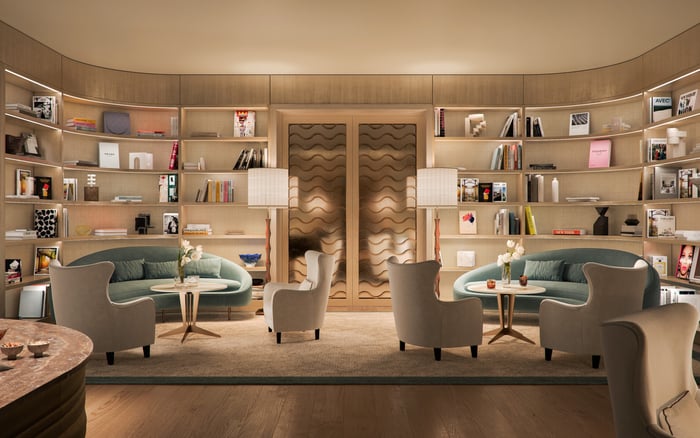
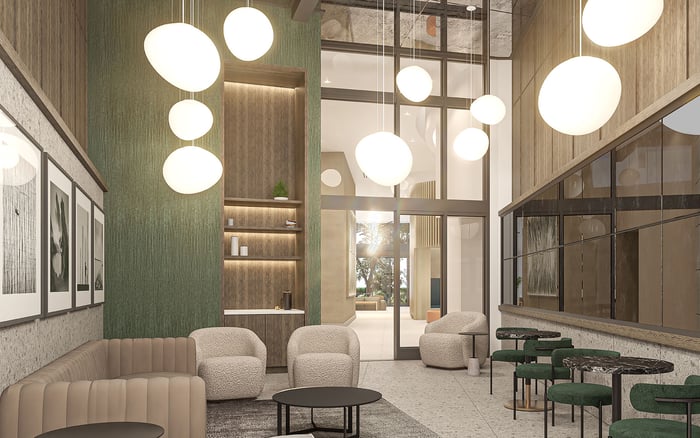
Red-light therapy is moving into the language of South Florida luxury real estate as a compact, private, and serviceable wellness amenity. For discerning buyers, its appeal is less about spectacle and more about the daily convenience of a quiet ritual that can be integrated into a larger spa, recovery, or primary-suite wellness plan.
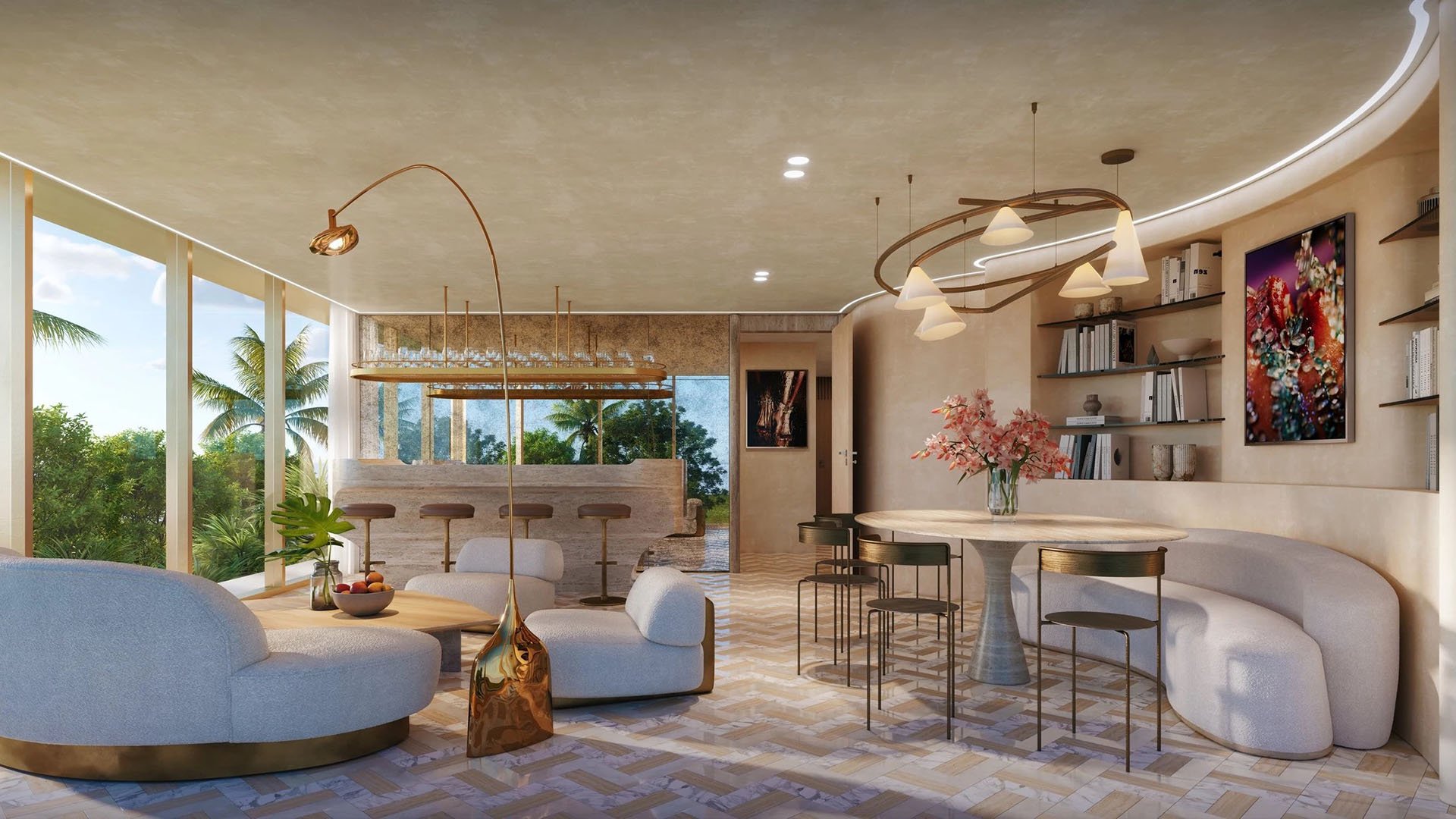
In South Florida, luxury real estate has entered a more exacting wellness era. Buyers still care about views, arrival sequences, pools, gyms, and service, but the most sophisticated conversations now turn to rituals that can be used regularly and without ceremony. Red-light therapy fits that shift. It is compact, private, and readily understood as part of a larger wellness room, recovery suite, or spa-adjacent amenity.
Its appeal is not that it replaces established luxuries. It complements them. A building can offer a dramatic pool deck, a refined fitness center, and a serene treatment room, yet still benefit from a small wellness feature that feels personal, repeatable, and easy to fold into the day. For a South Florida owner moving between travel, work, boating, dining, and family life, the most valuable amenity is often the one that asks least of the calendar.
The practical case begins with space. Unlike large-format amenities that require major footprints, red-light therapy can be considered within a modest treatment room, a private spa suite, or a dedicated corner of a wellness lounge. For developers, designers, and condominium boards, that makes it easier to integrate than many more elaborate concepts. For residents, it feels less like a destination and more like a habit.
Privacy is equally important. South Florida’s high-net-worth buyers often prefer wellness experiences that are discreet, controlled, and not overly social. A red-light session can be positioned as a quiet interval before a workout, after a beach day, or between appointments. The best version is not theatrical. It is calm, impeccably maintained, and simple to reserve.
That is why the amenity belongs in the same conversation as steam, sauna, cold plunge, massage rooms, meditation areas, and fitness recovery spaces. It is not the centerpiece of a residence or tower. It is one of the supporting details that makes the wellness environment feel current, complete, and considered.
The first question is not whether a property has red-light therapy. The better question is whether the wellness program has been designed coherently. A single device placed in an underused room is not the same as a thoughtful recovery suite with good lighting, acoustic privacy, ventilation, cleaning protocols, intuitive access, and staff awareness.
Buyers should evaluate how the space will be used on an ordinary weekday. Is it easy to book? Is it separated from high-traffic fitness areas? Does it feel calm enough for a private ritual? Is the room attractive, but not overdesigned? Luxury wellness succeeds when residents do not have to think too hard about the logistics.
In Brickell, for example, buyers comparing urban residences such as 2200 Brickell and The Residences at 1428 Brickell are often weighing pace, privacy, service, and access as much as square footage. Red-light therapy, when present or planned within a private home, should serve that urban rhythm rather than compete with it.
The older luxury amenity model favored scale. Bigger fitness centers, larger club rooms, and more dramatic shared spaces became shorthand for value. The next phase is more intimate. Owners want elements that improve the feel of daily life inside the property. Red-light therapy is compelling in that context because it can be woven into routines without requiring a formal appointment or a full spa treatment.
This is especially relevant in coastal and resort-like settings. At Miami Beach addresses such as The Perigon Miami Beach, buyers are naturally attentive to the relationship between architecture, water, light, and personal retreat. A wellness feature earns its place when it supports that overall rhythm quietly, with good design and a clear sense of purpose.
For private residences, the same logic applies. A red-light therapy area may be considered near a home gym, bathroom suite, massage room, or dressing area. It should not feel like equipment randomly inserted into an otherwise elegant home. The most successful installations disappear into the architecture, then reveal their usefulness through regular use.
Not every wellness trend deserves a permanent place in luxury real estate. South Florida buyers are experienced, and many have seen amenities that looked exciting in renderings but felt awkward in practice. Red-light therapy avoids that risk only when it is treated with restraint.
That means no exaggerated promises, no clinical atmosphere, and no visual clutter. The room should feel residential, not medical. The language around it should be measured, not promotional. Its value lies in convenience, privacy, and integration within a broader wellness lifestyle.
This is where branded wellness environments and carefully curated residential concepts have an advantage. Properties such as The Well Bay Harbor Islands speak to a buyer who is already considering wellness as part of the home selection process. In Coconut Grove, The Well Coconut Grove similarly fits the conversation around calmer neighborhood living, biophilic sensibility, and the desire for restorative private spaces.
Red-light therapy alone will not determine value. In the upper tier of South Florida real estate, fundamentals still lead: location, architecture, views, floor plan, service, privacy, parking, outdoor space, and building quality. Yet wellness details can influence the emotional read of a property. They help a residence feel newer, more considered, and more aligned with how affluent buyers are living now.
For resale, the most durable wellness features are those that feel timeless rather than trendy. A beautifully proportioned recovery room, a spa bathroom with flexible infrastructure, or a calm amenity suite can adapt as preferences change. Red-light therapy is most compelling when it is one layer within that flexible environment.
South Florida’s luxury audience is unusually attuned to wellness because the region already blurs indoor and outdoor living. Sun, water, fitness, beauty, hospitality, and travel are part of the lifestyle. Red-light therapy resonates because it does not ask owners to change that lifestyle. It simply adds a private, low-friction ritual to it.
For buyers, the question is simple: does the amenity make life easier, calmer, and more considered? If the answer is yes, it has a legitimate place in the modern luxury vocabulary.
Is red-light therapy now expected in every luxury building? No. It is better understood as an emerging wellness feature, not a universal requirement.
Should buyers choose a residence only because it offers red-light therapy? No. Location, architecture, service, privacy, and floor plan should remain the primary criteria.
Where does red-light therapy fit best in a private residence? It works best near a home gym, spa bathroom, massage room, or quiet wellness suite.
What makes a red-light therapy room feel luxurious? Privacy, calm design, intuitive access, comfortable lighting, and careful maintenance matter most.
Is this more relevant for condos or single-family homes? It can work in both, provided the space is planned thoughtfully and not treated as an afterthought.
Can it be added after a property is completed? Often, yes, but the best outcomes consider electrical planning, room proportion, comfort, and privacy early.
Does red-light therapy replace a spa amenity? No. It is best viewed as a complementary feature within a broader wellness environment.
How should buyers compare wellness amenities across buildings? Focus on daily usability, privacy, staffing, maintenance, and whether the spaces feel coherent together.
Is red-light therapy a trend or a long-term feature? Its longevity will depend on restrained design and whether residents actually incorporate it into routines.
What is the best way to shortlist comparable options for touring? Start with location fit, delivery status, and daily lifestyle priorities, then compare stacks and elevations to validate views and privacy.
To compare the best-fit options with clarity, connect with MILLION.
If branded residences are on your mind — as a home or as an allocation — we would be glad to share what we are seeing, privately.
Begin a quiet conversation