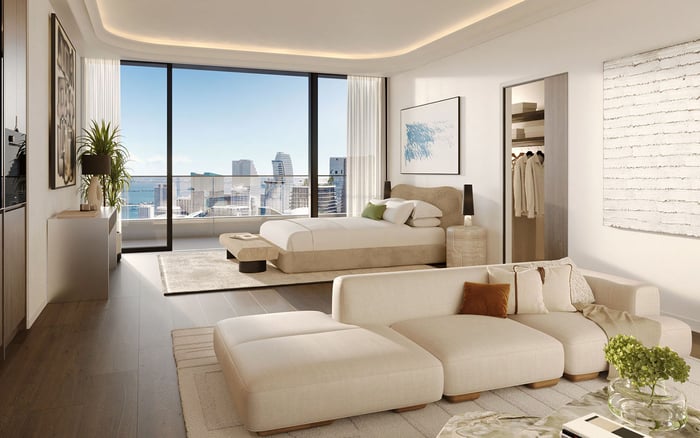
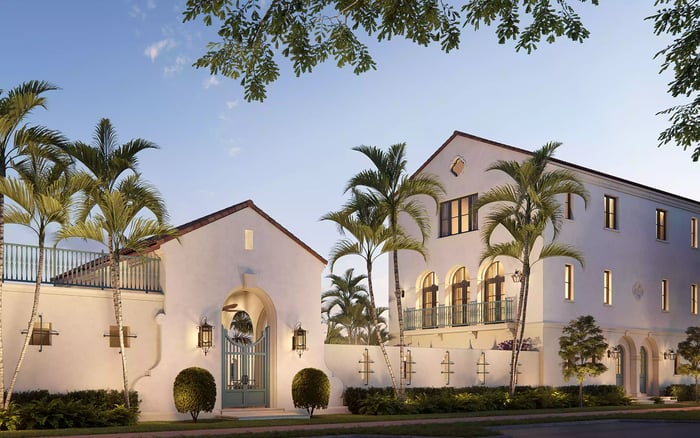
A discreet buyer’s framework for comparing Coconut Grove and Coral Gables through the lens of quiet interiors, resilient connectivity, and privacy for serious remote work.
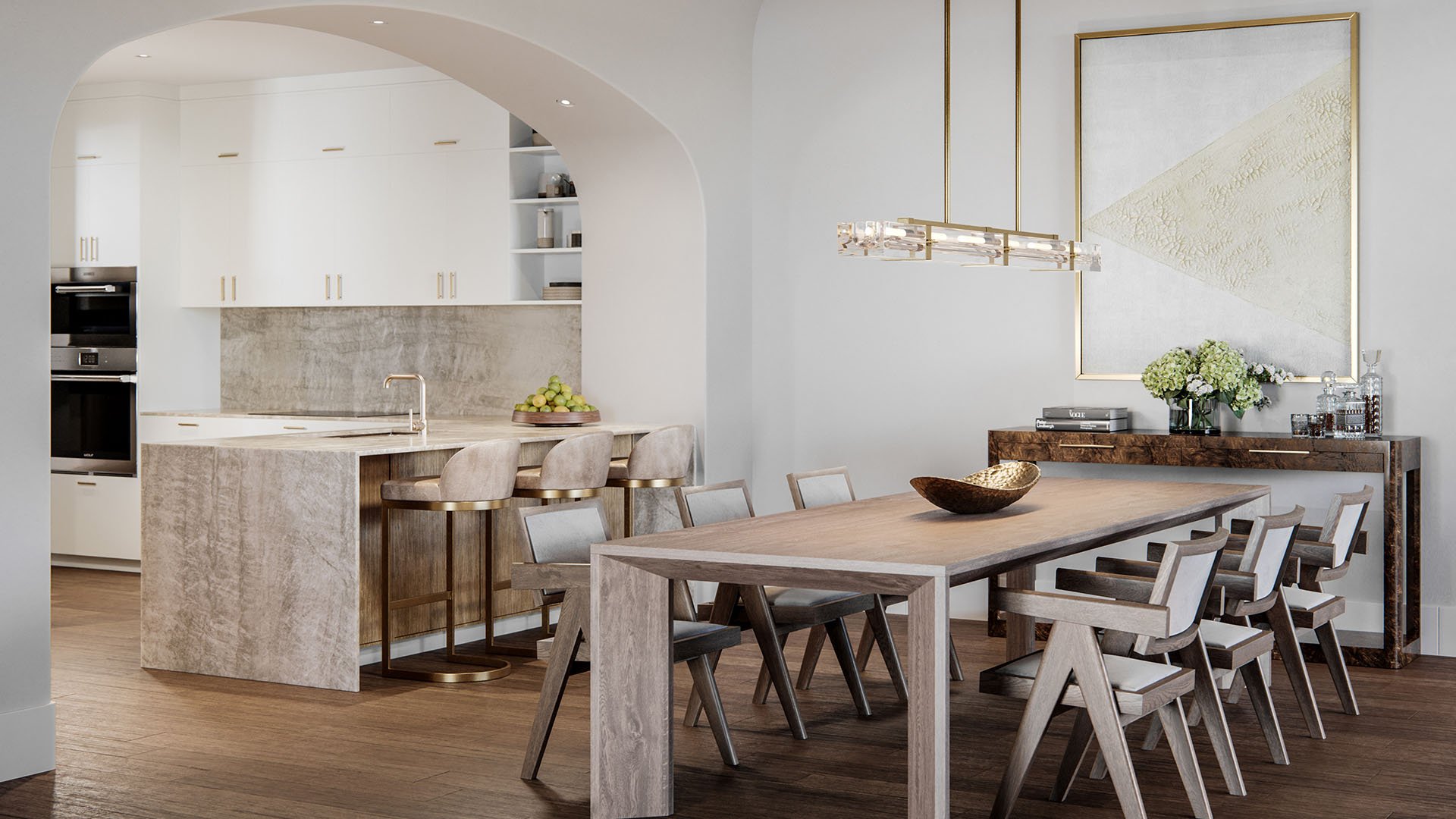
For many South Florida buyers, the Coconut Grove or Coral Gables decision is no longer just about architecture, landscape, club life, or proximity to family routines. The more refined question is whether a residence can support a private, high-performance day without friction. Acoustic comfort, technology infrastructure, and remote-work privacy now sit beside views, finishes, and outdoor space as defining measures of livability.
This is especially true for principals, founders, investors, physicians, attorneys, and creative leaders whose homes must perform like discreet headquarters. A residence may impress at first showing, yet still feel compromised if a video call is interrupted by exterior noise, if a private office shares a wall with active family space, or if connectivity depends on a single weak point.
The comparison between Coconut Grove and Coral Gables should therefore be approached less as a personality contest and more as an operational review. The winning property is the one that protects concentration, preserves privacy, and allows technology to disappear into the background.
Acoustic comfort begins before the front door. A buyer should listen from the driveway, garden, terrace, primary suite, kitchen, and proposed office location. The goal is not absolute silence. The goal is consistency, insulation, and the absence of sharp interruptions during the hours when the home matters most.
In Coconut Grove, buyers often focus on the relationship between lush surroundings, irregular streets, and a more layered residential atmosphere. In Coral Gables, the evaluation may feel more formal, with attention to street frontage, lot configuration, entry sequence, and the way neighboring homes relate to one another. Neither profile is automatically quieter. A specific room on a specific property matters more than any broad neighborhood assumption.
During a showing, pause the conversation. Stand still. Listen for mechanical systems, pool equipment, landscape maintenance, traffic rhythm, aircraft sound, nearby construction activity, gate operation, and interior echo. Hard surfaces can make a dramatic room feel less restful, while thoughtful textiles, millwork, rugs, acoustic panels, and well-planned furnishings can soften a space without compromising design.
Windows and doors deserve particular scrutiny. A serene garden view can lose its value if the opening systems underperform. Buyers should ask how bedrooms, offices, media rooms, and primary living areas feel when closed, not only when staged open for entertaining.
Luxury buyers often notice stone, cabinetry, ceiling heights, and lighting long before they inspect the technology backbone. Yet the hidden infrastructure may determine whether the home functions gracefully. Connectivity is not simply a router in a closet. It is a layered system involving service entry, wiring paths, wireless coverage, equipment ventilation, backup planning, security integration, and the capacity to support multiple simultaneous users.
For a serious remote-work household, the home should be reviewed as if it were a private office. Where does the primary connection enter? Are there hardwired locations for workstations, media rooms, and conferencing areas? Is there a clean location for networking equipment that avoids heat, clutter, and accidental disruption? Can the property support redundant service if the household requires it?
In both Coconut Grove and Coral Gables, the most comfortable homes are often those where technology has been planned rather than retrofitted. A beautifully renovated residence can still feel technologically fragile if its systems are hidden behind improvised solutions. Conversely, a quieter, less theatrical property can become the better long-term choice if its infrastructure is disciplined, accessible, and scalable.
Smart-home systems should also be evaluated for restraint. Motorized shades, lighting scenes, climate control, access control, cameras, audio, and networked appliances can elevate daily life when they are intuitive. They can become irritants when they require constant troubleshooting. The premium standard is not complexity. It is reliability.
Privacy is not only a gate, a hedge, or a closed door. It is a sequence. The right remote-work environment separates arrival, service, family life, guests, staff circulation, pets, deliveries, and entertainment from the spaces where confidential work occurs.
A proper office should be judged for background, acoustics, adjacencies, storage, lighting, and the ability to remain composed during a full day. A desk placed in a secondary bedroom may work for occasional email, but it may not support confidential calls, long meetings, document review, or focused creative work. The question is whether the room can behave like a professional environment without losing the comfort of home.
Coconut Grove may appeal to buyers who want a softer daily rhythm and a sense of retreat. Coral Gables may appeal to buyers who prefer formal order, composed arrivals, and a more traditional separation of public and private rooms. These are lifestyle readings, not guarantees. The key is to test the plan against the household’s actual calendar.
Ask how a Monday morning unfolds. Where does a guest wait? Where does a child pass through after school? Where does a housekeeper enter? Where does a driver call from? Where are packages received? Where does a spouse take a simultaneous call? If the answer places everyone near the same hallway, the home may be less private than it appears.
The strongest comparison is room by room. In Coconut Grove, consider how vegetation, lot orientation, and indoor-outdoor living affect the soundscape and Wi-Fi planning. In Coral Gables, consider how formal rooms, courtyards, garages, and deeper setbacks influence both privacy and daily movement. A buyer choosing between Coconut Grove and Coral Gables should avoid relying on reputation alone.
For single-family homes, request a practical technology walk-through, not only a design tour. Open the office doors, close the office doors, place a test video call, and walk the property while connected. Notice whether signal strength changes in guest suites, terraces, garages, cabanas, and secondary work areas. If a family works from multiple rooms, one excellent office is not enough.
For new construction, the opportunity is to confirm provisions before finishes conceal the infrastructure. Conduit, access panels, equipment locations, power backup strategy, shade integration, and prewiring should be discussed early. For a gated-community residence, privacy at the community entry should not be confused with privacy inside the home. For a private-school household, the workday must be tested against school runs, tutoring, after-school movement, and guests.
The most elegant answer may be a property that feels almost uneventful. Calls connect. Doors close softly. Outdoor rooms remain usable. Staff and guests move without crossing confidential zones. The home looks relaxed because the planning is rigorous.
Before making a final decision, buyers should request time in the home during realistic conditions. A residence experienced only during a polished afternoon showing may not reveal its working character. If possible, evaluate the proposed office during the hours when it will be used most, with doors closed, climate running, and ordinary exterior activity present.
Bring a short checklist. Can two people take video calls at once without competing acoustically? Is there a discreet backdrop for executive calls? Can sensitive documents be stored without turning the room into a visible workspace? Does the office have natural light without glare? Are there nearby bathrooms and refreshments that do not require crossing active family areas? Can guests be entertained while work continues elsewhere?
Also examine recovery and resilience. A luxury home should not become fragile during a connectivity interruption, a power fluctuation, or a device failure. Ask whether systems are labeled, whether equipment is accessible, and whether the household manager or owner can understand the setup without calling a specialist for every adjustment.
Ultimately, Coconut Grove versus Coral Gables is a personal decision, but acoustic comfort, technology infrastructure, and remote-work privacy make the comparison more disciplined. The better purchase is not simply the more glamorous address. It is the residence that protects the owner’s attention.
Is Coconut Grove automatically quieter than Coral Gables? No. Acoustic comfort depends on the specific property, room placement, openings, systems, and surrounding conditions.
Is Coral Gables automatically better for formal remote work? Not automatically. Formal layouts can help, but privacy depends on circulation, adjacencies, and how the household actually uses the home.
What is the first thing to test in a home office? Close the door, sit in silence, and listen. Then test a live call from the exact location where the desk would be placed.
Should buyers prioritize hardwired internet locations? Yes, especially for offices, media rooms, and conferencing spaces where reliability matters more than convenience.
Can interior design improve acoustic comfort? Yes. Rugs, drapery, upholstered pieces, millwork, and thoughtful furnishings can reduce echo and make a room feel more composed.
Does a gated entry guarantee remote-work privacy? No. A gate may improve arrival control, but the interior plan still must separate work, guests, staff, and family movement.
What should be reviewed in new construction before closing? Confirm wiring, conduit, equipment locations, access points, shade integration, and backup planning before relying on the finished look.
How should families compare multiple workspaces? Test them at the same time. A household with two or more remote workers needs privacy and bandwidth in more than one room.
Are terraces and outdoor rooms relevant to the workday? Yes. They can support breaks and informal calls, but they should be evaluated for sound, shade, privacy, and connectivity.
What is the best way to shortlist comparable options for touring? Start with location fit, delivery status, and daily lifestyle priorities, then compare stacks and elevations to validate views and privacy.
If you'd like a private walkthrough and a curated shortlist, connect with MILLION.
If branded residences are on your mind — as a home or as an allocation — we would be glad to share what we are seeing, privately.
Begin a quiet conversation