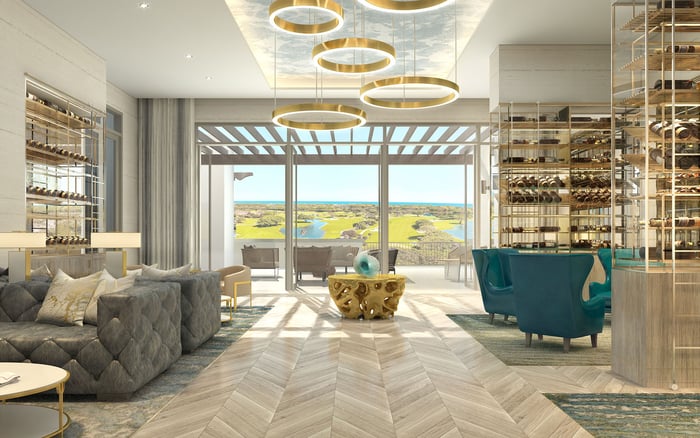
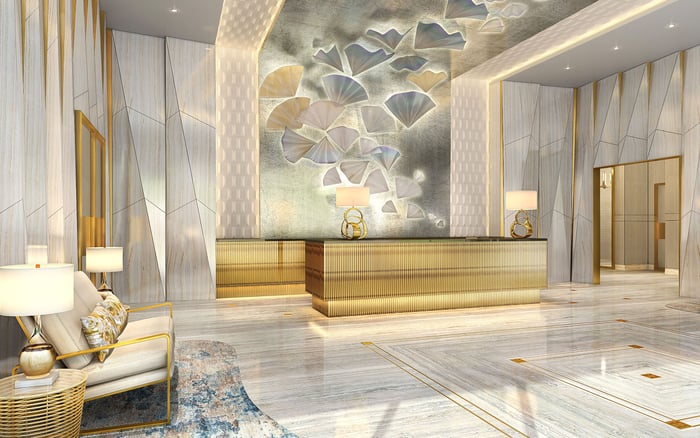
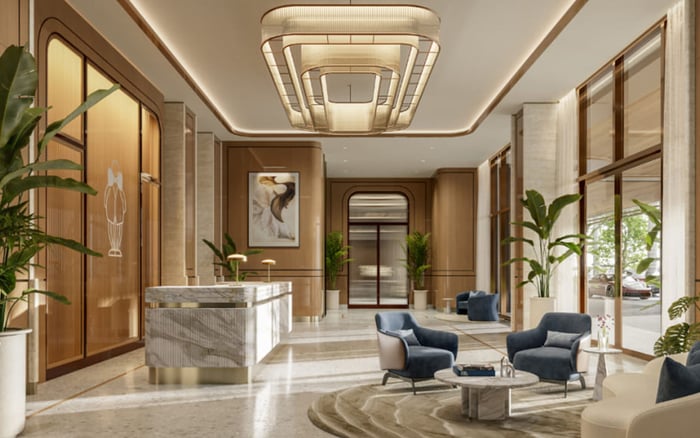
A discreet buyer’s guide to comparing Mr. C Residences Boca Raton and 619 Residences through the practical lens of hospitality service, privacy, food and beverage programming, staffing, circulation, and peak-season daily use.
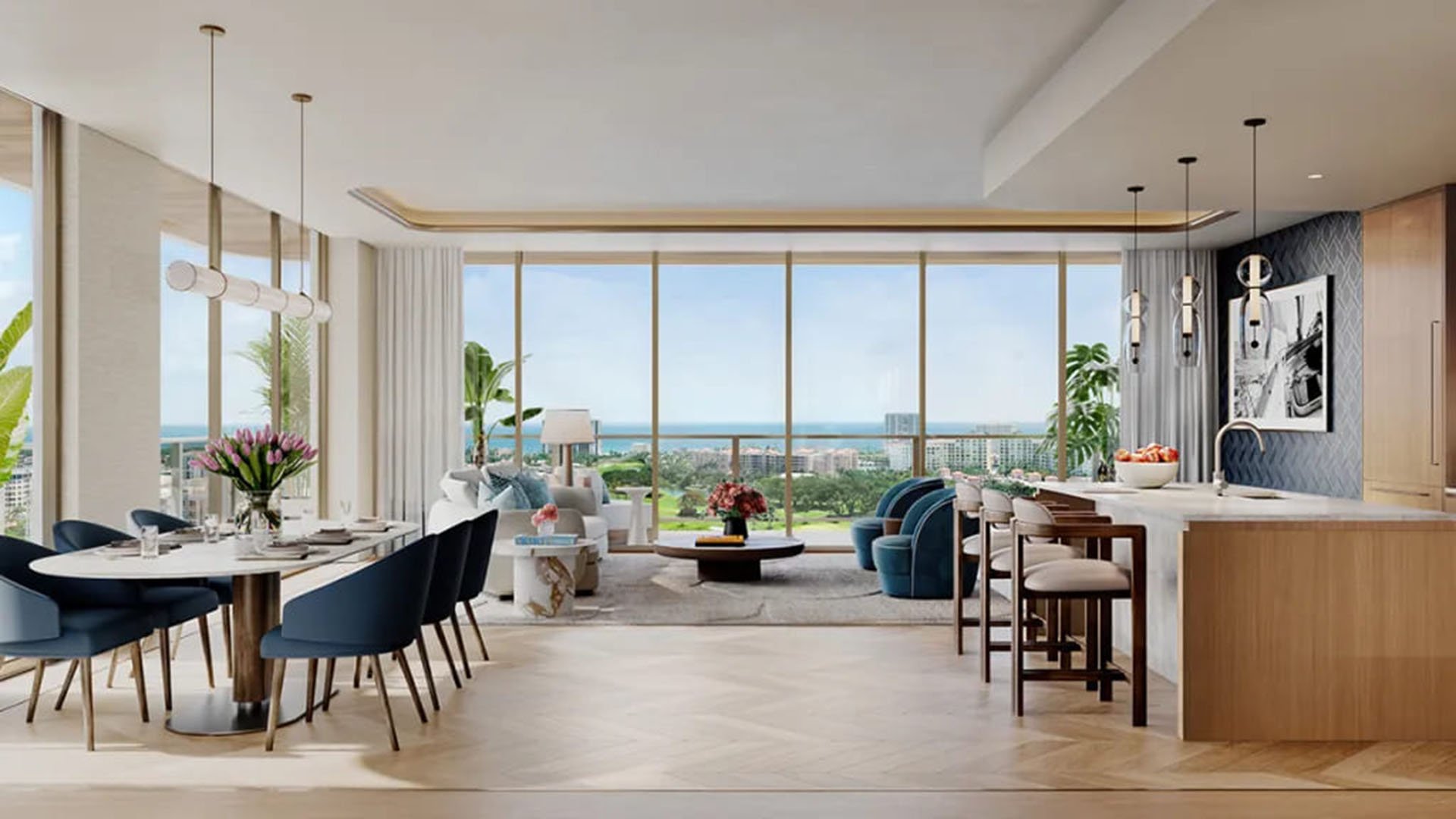
For sophisticated South Florida buyers, the conversation around Mr. C Residences Boca Raton and 619 Residences by Foster + Partners + Nobu Hospitality should move quickly beyond surface glamour. The more useful comparison is operational: how the building feels on a Tuesday morning, during a winter weekend, after a late flight, or when the private dining room, valet court, elevators, and concierge desk are all under pressure at once.
A buyer is not simply purchasing finishes, views, and amenity spaces. The decision also involves service culture, staffing discipline, guest management, and the daily rhythm created by hospitality programming. Those details are often less visible in early marketing, yet they shape the experience of living in the residence long after the first tour.
In Brickell, where 619 occupies a different urban context, the same discipline applies. The project name carries architectural and hospitality associations, yet the livability test remains concrete: privacy, circulation, food and beverage intensity, service consistency, and control of common areas.
For a Mr. C buyer, the service question is not whether the branding sounds appealing. It is whether the service promise can remain consistent in ordinary moments: a guest arrival, a package delivery, a car request, a dining reservation, or a late return after travel.
The key question is where hospitality ends and home begins. Buyers should ask how requests are handled, who staffs the principal touchpoints, how resident preferences are recorded, and whether the service model is designed for quiet continuity rather than episodic performance. The difference between polished move-in marketing and long-term residential service is felt in small details: a package handled correctly, a guest recognized discreetly, a car ready without friction, or a request resolved without making the resident feel like a hotel guest at home.
This is also where comparisons to other branded residential offerings become useful. Cipriani Residences Brickell belongs to the same broader conversation about hospitality identity, while Mr. C Residences West Palm Beach shows how buyers increasingly evaluate service branding across multiple South Florida submarkets.
Privacy is not merely the thickness of a residence door or the exclusivity of an amenity deck. It is the degree of control residents have over who moves through the property, how public-facing spaces are managed, and whether hospitality programming creates energy without eroding residential calm.
For Mr. C Residences Boca Raton, privacy and control of common areas are central evaluation points. A buyer should understand which spaces are resident-only, how guests are registered, how dining or lounge rituals interact with residential circulation, and whether the building’s social life is curated or simply busy. Boca Raton buyers often value elegance that does not need to announce itself, so the most successful service environment will likely feel attentive without becoming performative.
For 619, buyers should apply the same lens before making any assumptions from brand associations alone. Ask whether entrances, elevators, parking access, amenity floors, and hospitality areas create a clear hierarchy between residents, guests, staff, and vendors. In a high-profile Brickell setting, privacy is less about isolation than choreography.
In hospitality-branded residences, food and beverage can be the defining pleasure or the recurring source of friction. The question is not whether dining exists in the lifestyle narrative, but how intensely it is programmed and how that programming affects residents who want quiet use of their building.
The best version of a dining-oriented residential model feels civilized and personal: a familiar greeting, a preferred table, a quiet drink, an effortless breakfast, and a room-service cadence that complements the home rather than replacing it. The risk, for any hospitality-branded building, is overactivation. Buyers should study hours, access rules, reservation priority, guest policies, noise management, and the relationship between dining spaces and private residential circulation.
This is particularly relevant in new-construction and pre-construction decisions, where buyers are often reviewing renderings rather than lived operations. A beautiful restaurant image does not answer how the lobby feels when residents return from dinner elsewhere, or how service corridors work when private events, deliveries, and resident arrivals overlap.
Design should be tested against use, not just photographed atmosphere. Are seating areas actually comfortable for residents who linger? Are corridors and thresholds intuitive? Do amenity spaces invite daily use, or do they feel like stage sets for a first tour? The strongest luxury residences are those where design continues to persuade after the novelty has faded.
For Boca Raton buyers, warmth, privacy, and ease of use may matter as much as architectural drama. For Brickell buyers, the same questions often become sharper because a denser urban setting can place more pressure on entrances, elevators, valet areas, and shared spaces.
Nearby Boca Raton comparisons can sharpen that instinct. The Residences at Mandarin Oriental Boca Raton sits in the same broader luxury-residential universe, and buyers considering Boca Raton should think less about which name sounds grandest and more about which environment best supports their daily habits.
The most practical questions are often the least glamorous. Elevators, parking, deliveries, and amenities should be evaluated under seasonal peak-load conditions, not only in brochure form. South Florida buildings can feel very different in January than they do during a quiet summer weekday.
For a Mr. C buyer, the essential diligence includes concierge coverage, staffing consistency, valet choreography, package management, guest arrival protocol, service elevator strategy, and amenity booking rules. These operational details determine whether the hospitality promise feels seamless or strained.
For 619 buyers in Brickell, the same evaluation becomes even more consequential because urban density can amplify every operational weakness. The deciding factor may not be the better-known brand, but the building that handles ordinary pressure with the least visible effort.
Is Mr. C Residences Boca Raton a conventional condominium? Buyers should evaluate it through the lens of hospitality-branded residential living, where service model and daily operations are central to the decision.
What is the most important service question for buyers? Ask how the building handles ordinary requests consistently, including guest arrivals, packages, car requests, reservations, and resident preferences.
Why is privacy such a major issue in branded residences? Hospitality programming can bring energy, but buyers need to know how resident-only areas, guests, staff, vendors, and public-facing spaces are controlled.
Should buyers compare 619 mainly by its brand names? No. The stronger approach is to test the service, privacy, circulation, and daily-use structure behind the branding.
What food and beverage questions matter most? Ask about access rules, reservation priority, operating hours, guest policies, noise control, and how dining spaces relate to residential circulation.
Why does peak season matter in this comparison? Elevators, parking, deliveries, concierge response, and amenity access can perform very differently when the building is under full seasonal demand.
How should Boca Raton and Brickell be compared? Boca Raton may place a premium on quiet ease, while Brickell requires close attention to urban circulation, arrival sequence, and pressure on shared spaces.
Is a quieter service culture a luxury advantage? For many Boca Raton buyers, discreet and consistent service can be more valuable than highly visible hospitality theater.
How should buyers evaluate staffing? Focus on coverage hours, training philosophy, resident preference tracking, handoff quality, and consistency across ordinary daily requests.
What is the best final test before choosing? Imagine the building during a busy winter weekend and ask which residence would make every arrival, delivery, meal, and guest visit feel effortless.
To compare the best-fit options with clarity, connect with MILLION.
If branded residences are on your mind — as a home or as an allocation — we would be glad to share what we are seeing, privately.
Begin a quiet conversation