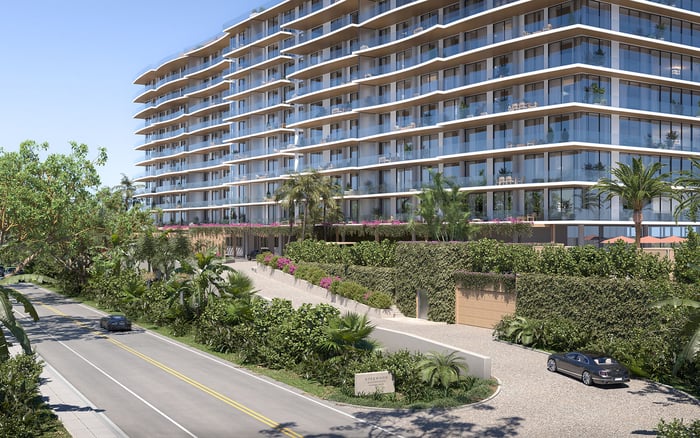
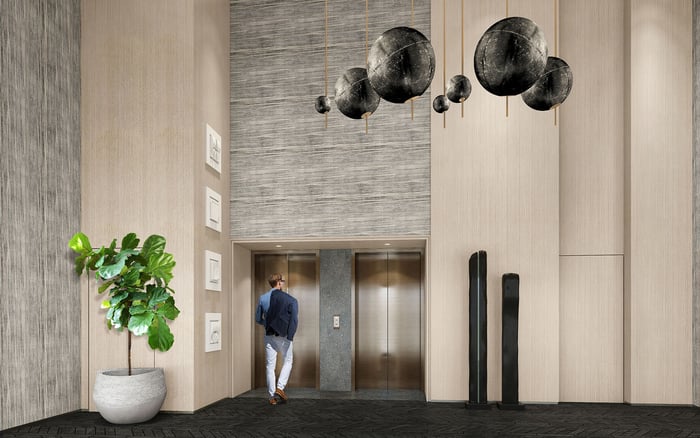
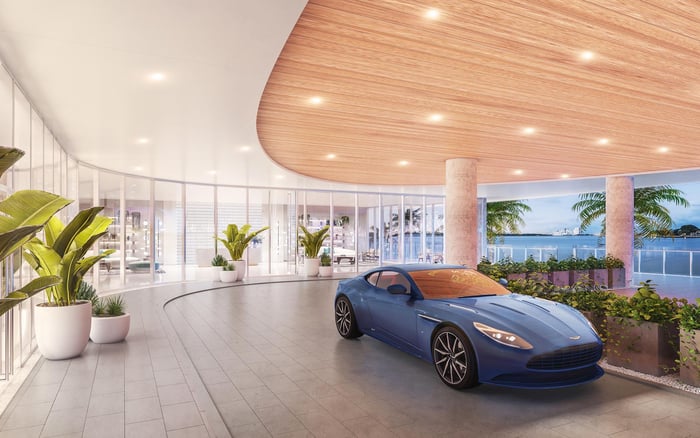
Beach-chair service looks minor until it defines the owner experience. For South Florida luxury buyers, the real question is not whether the sand is nearby, but who controls access, setup, staffing, storage, guest use, and continuity after closing.
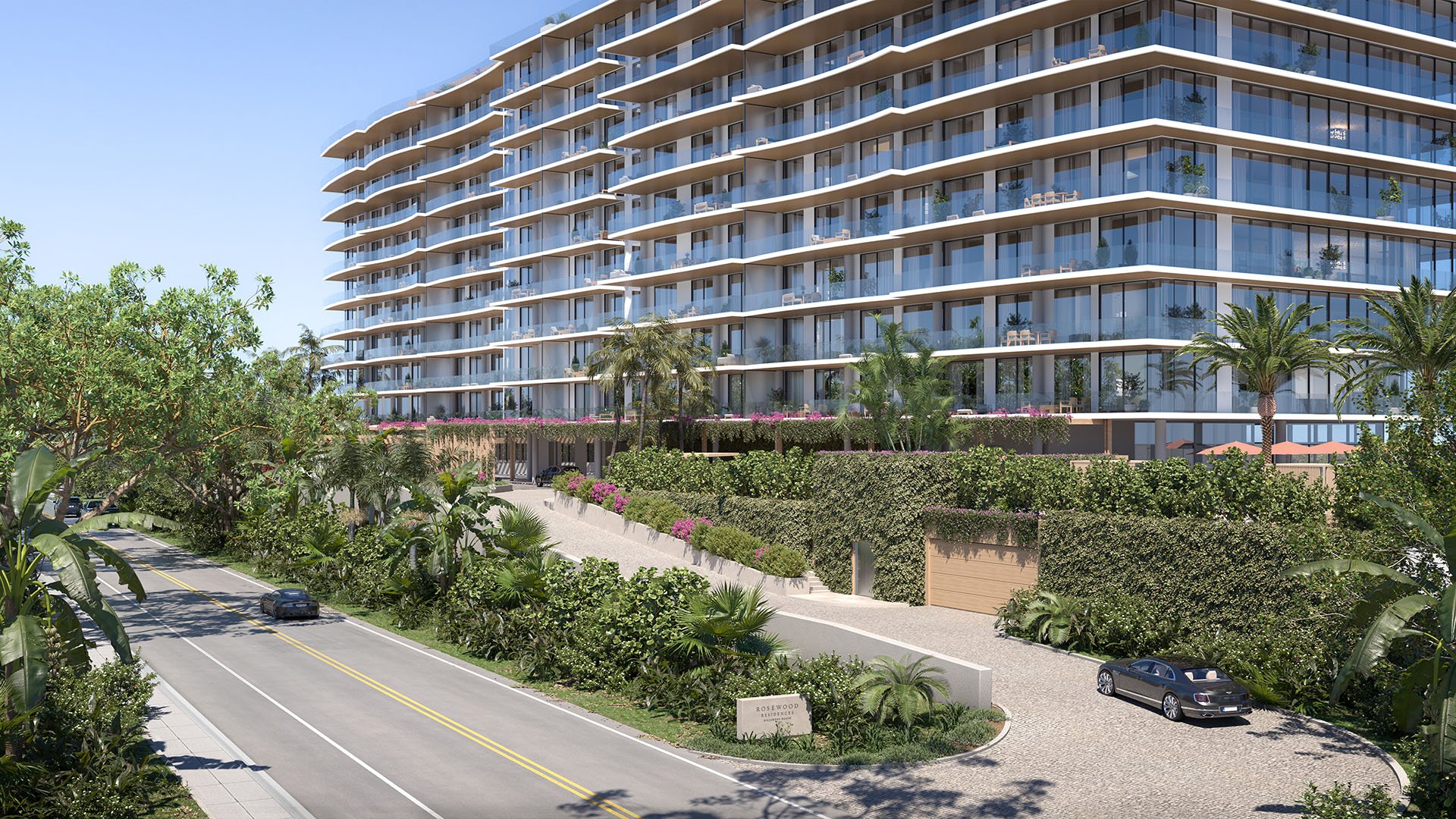
In South Florida luxury real estate, the smallest operational details often carry the greatest emotional weight. A buyer can study ceiling heights, views, terrace depth, valet choreography, and lobby design for months, then arrive after closing to find the beach experience less seamless than expected. The chairs are not included. The umbrellas are limited. The preferred section is not guaranteed. Guest rules differ from what was casually described. Storage is unclear. The service is seasonal, vendor-dependent, or subject to association discretion.
This is the hidden cost of ignoring beach-chair service before closing. It is not simply a question of comfort. It is a question of daily ritual, hospitality, privacy, and whether the oceanfront promise has been translated into a reliably managed experience.
For buyers considering 57 Ocean Miami Beach or other refined coastal residences, the beach is rarely scenery alone. It is an extension of the home. The path from elevator to sand should feel effortless, and the service culture around that path deserves the same seriousness as maintenance, reserves, parking, and building access.
A beachfront address can imply a lifestyle that is not automatically included in the purchase. Beach access, beach service, chair setup, umbrella placement, towel service, cabana use, food and beverage coordination, and guest privileges may be governed by separate rules. Some are managed by an association. Some are handled through a third-party operator. Some depend on building policy, local conditions, or the practical limits of staffing and sand frontage.
That distinction matters because a buyer may be purchasing a residence, not an unlimited hospitality program. The service experience can be excellent, but it should be verified rather than assumed.
The issue appears across oceanfront and beach-access purchases, from a Miami Beach pied-à-terre to a Sunny Isles tower, a Fort Lauderdale beachfront residence, or a Pompano Beach new-development search. The higher the purchase price, the more important operational clarity becomes. At the top of the market, owners are not simply buying proximity to water. They are buying the absence of friction.
The direct expense of beach-chair service may be modest relative to the acquisition. The greater cost is misalignment. If an owner expected a staffed, hotel-caliber setup and instead finds a self-service arrangement, the residence can feel less complete. If guest access is more restrictive than expected, family weekends become complicated. If chair placement is first come, first served, the morning routine may begin with logistics rather than leisure.
There is also a resale dimension. Buyers touring an oceanfront residence will ask how the beach works. A confident answer creates calm. A vague answer creates doubt. In the luxury market, ambiguity is rarely helpful. It does not necessarily reduce value on its own, but it can weaken the property's story and slow decision-making.
Buildings and residences such as Shore Club Private Collections Miami Beach live within a buyer psychology where service expectations are naturally elevated. The beach component, whether included in the offering or governed separately, should be addressed with precision before closing.
The best time to ask about beach service is before a buyer has mentally moved in. Once a favorite residence has been selected, the desire to close can make practical questions feel secondary. They are not.
A buyer should ask who manages beach-chair service, whether the arrangement is included in regular ownership costs, whether reservations are required, and whether owners receive priority over guests or tenants. It is also worth clarifying the exact items included, such as chairs, umbrellas, towels, loungers, or attendants. If storage is involved, ask where personal beach items may be kept and whether the association restricts what can be brought to the sand.
For seasonal owners, continuity matters. Is service available throughout the year or concentrated around peak periods? For families, guest policy matters. How many guests may use the service with the owner? Are visiting relatives treated differently from short-term visitors? For investors, rental policy matters. Do tenants receive the same beach privileges as owners, and if so, under what conditions?
A luxury purchase should not depend on verbal shorthand. “Beach service included” can mean several different things. The refined approach is to request the rule, the current practice, and the person responsible for execution.
Beach-chair service sits at the intersection of private expectation and managed environment. Even in the most elegant setting, the beach is not the same as a private terrace. The experience may depend on operating agreements, local requirements, staffing decisions, weather, erosion, access points, and association policy.
That is why buyers should distinguish between ownership rights and service privileges. A deeded residence may provide access to amenities, but the exact service level is usually shaped by governing documents and operating budgets. If a third-party vendor is involved, ask whether the agreement is current, renewable, exclusive, or subject to change. If service is association-managed, ask how staffing and equipment are funded.
In markets such as Sunny Isles, where vertical oceanfront living is part of the global luxury vocabulary, projects like St. Regis® Residences Sunny Isles invite buyers to consider the full service ecosystem. The lobby, spa, pool deck, valet, and beach should be evaluated as connected parts of one ownership experience.
Pre-closing expectations can be especially delicate in new development. Renderings, sales conversations, and early amenity narratives may create a strong impression of beachside ease. The buyer still needs to understand what will actually be delivered at opening, what may be phased, and what remains subject to final association governance.
This does not mean buyers should be suspicious. It means they should be sophisticated. Ask whether beach service is part of the initial operating plan. Ask whether equipment has been specified. Ask how staffing will be handled once residents begin moving in. Ask whether the projected experience changes if occupancy is still ramping up.
For buyers comparing branded or hospitality-influenced properties such as Four Seasons Hotel & Private Residences Fort Lauderdale, service language can carry powerful expectations. The closing file should convert those expectations into documents, contacts, and procedures.
Many South Florida luxury residences are used seasonally. That makes beach-chair service more important, not less. An owner who arrives for a limited stay wants immediate ease. If setup requires a separate account, advance reservation, owner registration, guest confirmation, or manual coordination, that process should be understood before the first holiday weekend.
Rental scenarios add another layer. If a residence may be leased, the buyer should determine whether renters can use beach service and whether any transfer of privileges requires registration or fees. The wrong assumption can create guest dissatisfaction, management headaches, and avoidable friction with building staff.
In emerging and established beachfront nodes, including Pompano Beach, buyers looking at offerings such as W Pompano Beach Hotel & Residences should treat the beach program as part of the operating profile. The more hospitality-adjacent the expectation, the more exact the questions should be.
Before closing, buyers should request the current beach-service rules, any vendor or association explanation available to owners, and the fee structure if one exists. They should confirm whether the service transfers automatically at closing or requires owner registration. They should also ask about guest limits, tenant access, blackout periods, reservation procedures, hours of operation, storage policy, and protocol during peak demand.
During the final walkthrough or pre-closing visit, observe the beach in real time if possible. Is there an attendant? Is the setup orderly? Are owners being greeted by name? Is the path from building to beach intuitive? The quality of an amenity is not only what is promised. It is what happens on an ordinary day.
For the ultra-premium buyer, this is not about negotiating over chairs. It is about protecting the standard of living the residence is meant to deliver.
Why does beach-chair service matter before closing? It affects the daily experience of oceanfront ownership and can shape how effortless the residence feels once the buyer moves in.
Is beach-chair service always included with an oceanfront condo? No. Inclusion, fees, guest rules, and service levels vary by building, association, and operating arrangement.
Should I rely on a verbal statement from a sales representative? No. Treat verbal descriptions as a starting point and ask for the current rule, procedure, or owner-facing explanation.
What is the most important question to ask first? Ask who controls the service, because management by the association, a vendor, or another operator can affect reliability and rules.
Can beach privileges change after I buy? They can, especially if policies, vendors, budgets, or association decisions change. Buyers should understand how changes are approved.
Does this matter for a second home? Yes. Seasonal owners often need the service to work immediately, with minimal coordination during limited time in residence.
What should investors verify? They should confirm whether tenants receive beach privileges and whether registration, limits, or added fees apply.
Is beach access the same as beach-chair service? No. Access may allow entry to the beach, while chair service refers to setup, equipment, staffing, and related rules.
Should this be reviewed before or after inspection? It should be reviewed early, ideally before the buyer becomes too committed to the closing timeline.
Can unclear beach service affect resale? It can affect buyer confidence, especially when competing residences present a clearer and more polished lifestyle proposition.
When you're ready to tour or underwrite the options, connect with MILLION.
If branded residences are on your mind — as a home or as an allocation — we would be glad to share what we are seeing, privately.
Begin a quiet conversation