A practical due-diligence guide for family buyers evaluating private dining at Casa Bella by B&B Italia in Downtown Miami, with questions on reservations, vendors, staffing, alcohol, guest flow, back-of-house support, costs, and future condominium governance.
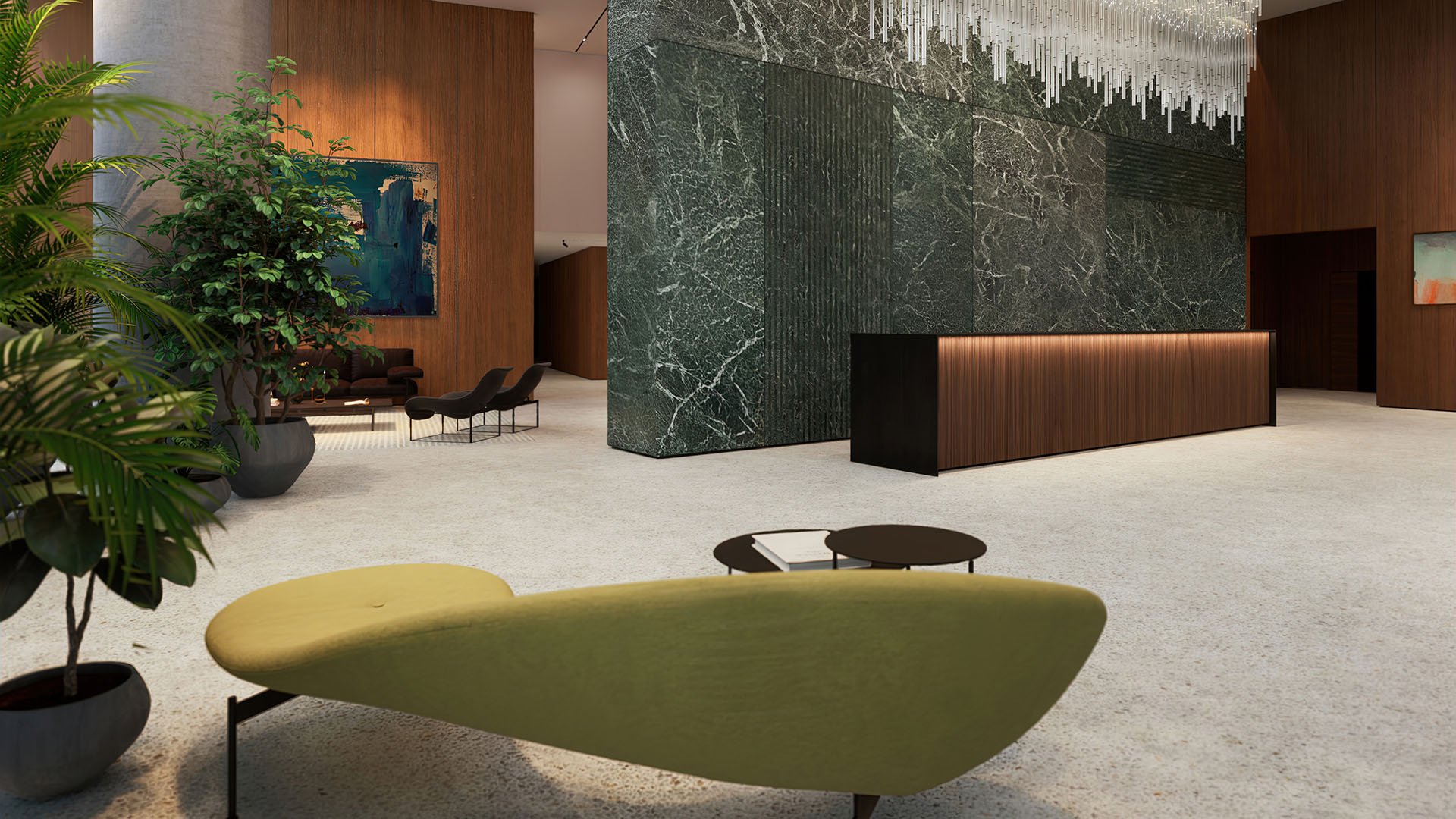
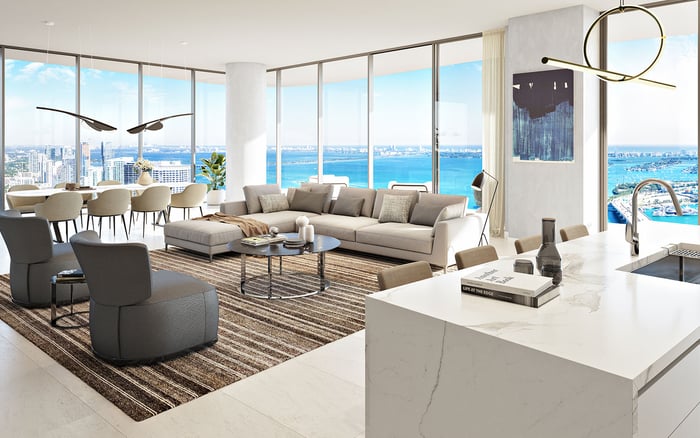
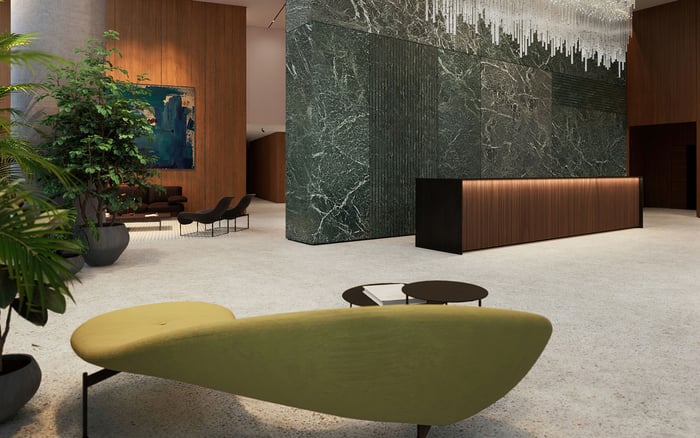
For family buyers considering Casa Bella by B&B Italia Downtown Miami, private dining deserves a sharper conversation than a quick review of amenity renderings. Casa Bella by B&B Italia is a branded luxury residential project in Downtown Miami, and its B&B Italia association signals a design-forward residential experience. That does not automatically mean hotel-style food-and-beverage operations will function the way a family may imagine for birthdays, holiday meals, graduation dinners, bar or bat mitzvah lunches, quinceañera receptions, or multigenerational gatherings.
The buyer question is not simply whether a private dining room exists. It is whether the space can operate smoothly when grandparents arrive with gifts, a caterer needs a loading route, children need room to move, a bartender is serving wine, and the evening runs thirty minutes longer than planned. In Downtown, the room’s elegance is only one part of the experience. Valet, drop-off, lobby flow, service elevator access, loading dock procedures, staffing, and cleanup all determine whether an event feels effortless or complicated.
Families should begin with the reservation system. Ask who will manage the private dining calendar: the condominium association, the property manager, the concierge team, or a third-party food-and-beverage operator. Each structure carries different implications. A concierge-led system may feel more service oriented, while an association-managed system may follow rules that can be revised as residents take control.
The most useful questions are direct. How far in advance can a residence reserve the room? How many events can one residence book per month? Are weekends, peak holidays, or major Downtown event nights restricted? What is the cancellation policy, and are repeated cancellations penalized? These details matter for families planning around school calendars, religious holidays, or visiting-relative schedules.
Buyers comparing Casa Bella by B&B Italia Downtown Miami with nearby luxury options such as Aston Martin Residences Downtown Miami and Waldorf Astoria Residences Downtown Miami should not assume that every branded or ultra-luxury tower handles private dining the same way. In New-construction and Pre-construction purchases, the operating rules can matter as much as the finish schedule.
Private dining can mean very different things. One family may want a quiet resident-only dinner for ten. Another may imagine a catered celebration with extended family, florals, music, and a photographer. A third may need a daytime lunch after a school ceremony or a milestone gathering for several generations.
Ask whether the room is available only for resident-hosted dinners, or whether it can support extended-family events, catered celebrations, and larger milestone gatherings. If children are part of the household, clarify whether rules limit decorations, furniture movement, candles, music, entertainment, children’s activities, or event hours. These are not minor details. A room that works beautifully for an adult dinner may be less practical for a child’s birthday, a teen celebration, or a family holiday with multiple age groups.
Families should ask early whether outside caterers, private chefs, bartenders, florists, entertainers, and event planners will be allowed in amenity spaces. If outside vendors are permitted, the next layer is documentation. Will the building require approved vendors, certificates of insurance, health permits, security deposits, or advance management approval?
These requirements can be entirely reasonable in a luxury condominium, but they should be understood before purchase. A private chef dinner is very different if the chef has access to prep space, refrigeration, warming equipment, dishwashing, trash handling, and post-event cleaning procedures. Without back-of-house support, residents may discover that the private dining room is better suited to delivered platters than a fully staffed dinner.
Alcohol deserves the same scrutiny. Can residents bring their own wine? Are private bartenders allowed? Can cocktails be served, or must alcohol service comply with licensed-vendor rules? If a family entertains often, corkage-like charges, bartender requirements, or vendor restrictions can affect both cost and atmosphere.
In a suburban estate, guests usually arrive at the door. In a Downtown condominium, arrivals are choreographed through curb cuts, valet stands, lobbies, elevators, and security procedures. For private dining to feel gracious, guests need clear instructions, and staff need a route that does not conflict with residents returning home.
Ask whether event guests can use resident elevators or must follow service routes, especially when vendors arrive with equipment. Confirm how caterers enter, where they unload, how long vehicles may remain, and whether a service elevator must be reserved. Also ask how lobby traffic is handled if an event begins during a busy evening arrival period.
This is particularly important for families evaluating Downtown alongside Brickell, where projects such as ORA by Casa Tua Brickell and Baccarat Residences Brickell reflect a broader appetite for lifestyle-rich urban living. The more amenity-driven the setting, the more carefully buyers should understand the operational playbook behind each amenity.
Private dining costs should be reviewed before assumptions become expectations. Buyers should ask whether the building will charge hourly room fees, cleaning fees, staffing fees, damage deposits, corkage-like charges, or overtime fees. They should also clarify what is included in standard service and what triggers additional charges.
The governance question is equally important. Private dining policies may change after turnover from developer control to a resident-run condominium association. Families should ask how rules can be amended later, who votes on those changes, and whether early policies are intended as permanent operating standards or provisional guidelines. A beautifully presented amenity can evolve once residents begin using it, and frequent family hosts should understand that possibility from the beginning.
A disciplined buyer should request a clear explanation of reservation rules, cancellation policies, permitted event types, vendor requirements, alcohol permissions, guest arrival procedures, back-of-house support, cleaning responsibilities, and fee schedules. If finalized condominium rules or private dining fee schedules are not yet available, the right move is not to assume. It is to document the questions and revisit them as the project advances.
For family buyers, private dining is an operational lifestyle issue. The room should be beautiful, but beauty alone does not manage a holiday dinner, protect a lobby from congestion, receive a caterer, or clean glassware after midnight. The best outcome is alignment between design, management, and the rhythms of family life.
Is private dining at Casa Bella automatically hotel-style service? Not necessarily. The B&B Italia association signals a design-forward residential experience, but buyers should confirm actual food-and-beverage operations separately.
Who should family buyers ask about reservation management? Ask whether reservations will be handled by the association, property manager, concierge team, or a third-party operator.
Can families host larger milestone gatherings? Buyers should confirm whether the space supports resident-only dinners, extended-family events, catered celebrations, or larger family milestones.
Are outside caterers usually a separate approval issue? Yes. Families should ask whether caterers, private chefs, bartenders, florists, entertainers, and planners require approval or insurance.
Why are elevators important for private dining? Catered events may involve staff and equipment, so buyers should know whether vendors and guests use resident elevators or service routes.
What back-of-house features should buyers confirm? Ask about prep space, refrigeration, warming equipment, dishwashing, trash handling, and post-event cleaning procedures.
Should alcohol rules be reviewed before purchase? Yes. Residents should clarify wine, bartenders, cocktails, licensed-vendor requirements, and any corkage-like charges.
Can rules affect children’s parties? They can. Decorations, candles, music, furniture movement, entertainment, children’s activities, and event hours may be limited.
What fees should buyers expect to investigate? Ask about hourly room fees, cleaning fees, staffing fees, damage deposits, overtime charges, and any event-related surcharges.
Can private dining policies change later? Yes. Policies may evolve after turnover to a resident-run condominium association, so buyers should ask how amendments are made.
When you're ready to tour or underwrite the options, connect with MILLION.
If branded residences are on your mind — as a home or as an allocation — we would be glad to share what we are seeing, privately.
Begin a quiet conversation