A boating-first editorial comparison of two branded waterfront residences, focused on home-port functionality, bridge clearance, marina governance, and hurricane planning.
For the ultra-premium waterfront buyer, the comparison between The Ritz-Carlton Residences® Miami Beach and St. Regis® Residences Bahia Mar Fort Lauderdale should not begin with finishes, service rituals, or brand familiarity. Those matter. But the more consequential question is operational: which residence functions better as a practical home port for a specific vessel and boating life?
South Florida rewards precision. A waterfront view can be emotionally persuasive, yet it does not automatically translate into efficient ocean access, relaxed weekend cruising, or a workable storm plan. The region is shaped by engineered canals, dredged channels, barrier islands, fixed bridges, movable bridges, wake zones, and marina traffic. Two properties may both read as waterfront on a brochure while performing very differently when an owner wants to leave the dock at a particular tide, under a particular weather window, with a particular air draft.
That distinction matters most for buyers running, or planning to run, boats in the 40- to 100-foot range. At that scale, beam, draft, air draft, maneuverability, bridge timing, docking support, and service governance can alter the owner experience as much as floor plan or view corridor.
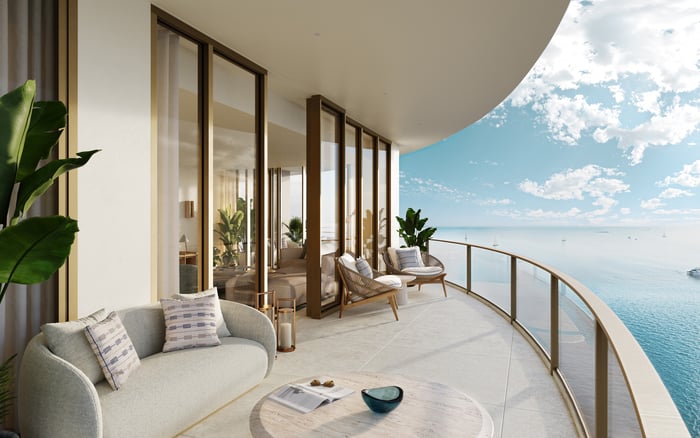
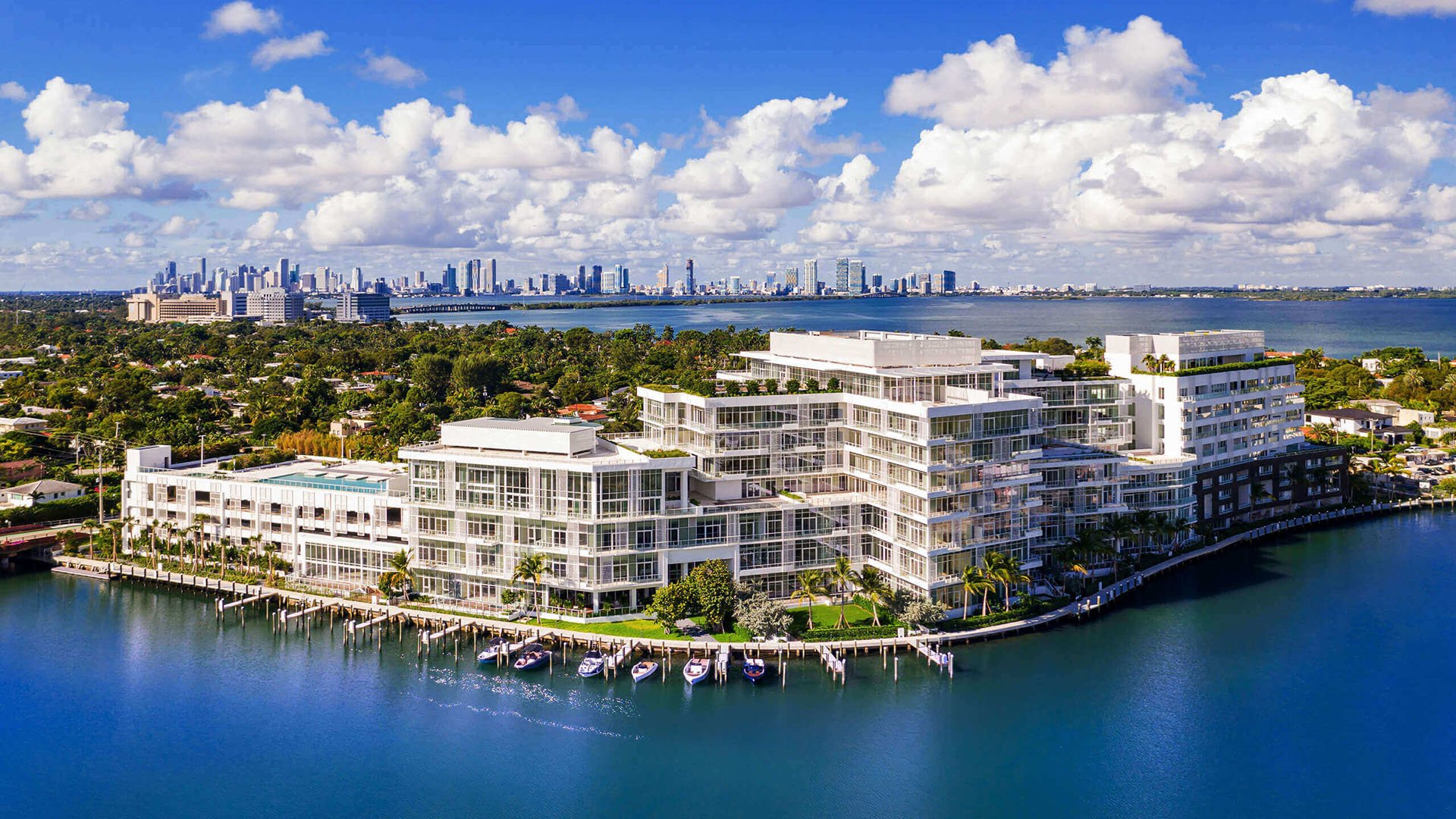
The Ritz-Carlton Residences® Miami Beach is best considered here as a Miami Beach waterfront branded-residence option for buyers who want refined residential privacy while still evaluating serious boat-ownership logistics. Its appeal is not simply that it sits by the water, but that it calls for a disciplined assessment of how an interior Miami Beach basin aligns with the owner’s actual usage pattern.
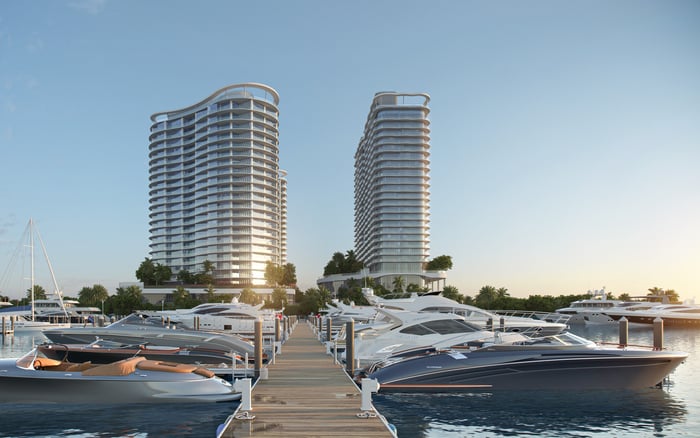
St. Regis® Residences Bahia Mar Fort Lauderdale is framed differently. It belongs in a Fort Lauderdale and Bahia Mar conversation where marina access, boating operations, and the daily realities of dockside movement are central to the purchase thesis. For an owner who treats the residence as part of a nautical operating platform, the questions become more exacting: How does the vessel move from berth to open water? Which bridges shape the route? How predictable is the experience during peak periods? How is marina use governed?
In the same broader diligence set, some buyers will also benchmark Fort Lauderdale waterfront living against projects such as Riva Residenze Fort Lauderdale and The Ritz-Carlton Residences® Fort Lauderdale, not because every property answers the same boating question, but because each helps clarify what the buyer values most: immediate marina culture, residential quiet, service, views, or route efficiency.
Bridge clearance is one of the defining due-diligence items for serious boat owners in South Florida. Fixed bridges can determine whether a vessel is viable for a route at all. Drawbridges can introduce scheduling sensitivity, waiting time, and peak-period friction. For owners with towers, antennas, upper decks, or larger air-draft profiles, the difference between convenient and compromised may be decided before the boat ever reaches open water.
This is why a vessel-specific route review should precede emotional commitment. A buyer should test the path from dock to inlet under realistic conditions, including congestion, bridge openings, wake restrictions, and seasonal marina traffic. The question is not whether the route exists. The question is whether the route suits the owner’s normal boating rhythm.
For a sportfishing owner, early departures and weather-window discipline may dominate the analysis. For a cruising family, comfort, predictability, and sheltered movement along the Intracoastal Waterway may matter more. For a captain-managed yacht program, bridge schedules, service access, and operational control can become part of the staffing and maintenance plan.
Marina quality is often reduced to slip count, but that measure is too thin for a high-value waterfront decision. The more relevant inquiry is governance. Who controls access? What rules shape use? How are service providers handled? How is dock activity managed during busy periods? How does the property balance residential serenity with active boating operations?
A true marina diligence process should also consider whether the surrounding waterway supports the owner’s intended use. Channel depth, turning room, current, traffic, and dockside support all belong in the conversation, but they should be verified directly through the appropriate nautical, marina, municipal, and project channels before purchase. Unsupported assumptions are expensive in this category.
Boat-slip diligence is equally personal. The right slip for a center-console dayboat may be inadequate for a larger cruising yacht. A berth that works on paper may still create friction if the approach is difficult, if bridge timing is unpredictable, or if service coordination is inconvenient. Sophisticated buyers should treat the slip, the route, and the residence as one combined asset.
Hurricane planning is not a seasonal afterthought. It is part of the ownership architecture. An interior Miami Beach basin and a Fort Lauderdale oceanfront marina can present different exposure, preparation, and response considerations. Neither should be reduced to a simple safer-or-riskier label without property-specific review.
The right questions are practical. Where does the vessel go under a named-storm plan? Who is responsible for line management, relocation coordination, haul-out decisions, or captain communication? How do association rules, marina policies, and insurance requirements interact? What happens if the owner is not in South Florida when a storm watch is issued?
For many family offices, this is where the branded-residence decision becomes an operations decision. A residence may offer exceptional hospitality, yet the owner still needs a written storm routine that is vessel-specific, captain-aware, and compatible with marina governance. The more valuable the boat, the less room there is for improvisation.
A buyer comparing The Ritz-Carlton Residences® Miami Beach with St. Regis® Residences Bahia Mar Fort Lauderdale should resist the temptation to crown a universal winner. The better answer depends on vessel profile, operating habits, bridge-schedule sensitivity, weather-risk tolerance, and desired daily lifestyle.
Miami Beach may appeal to buyers who want a refined residential setting and who are willing to evaluate how basin conditions, bridges, and route planning fit their boating schedule. Fort Lauderdale and Bahia Mar may resonate with buyers who want a more marina-centric framework and who prioritize the operational culture of a major boating market.
Buyers also compare Miami Beach waterfront living with other coastal reference points, including The Perigon Miami Beach, when evaluating how views, privacy, access, and everyday residential tone differ across the beach. The lesson is consistent: the most beautiful view is not always the most efficient boating platform.
In buyer-search language, Miami Beach, Fort Lauderdale, marina, and boat slip may look like simple filters. In practice, they are shorthand for a deeper review of route, governance, storm planning, and the owner’s tolerance for delay.
Before selecting between these two branded residences, a serious boating buyer should define the vessel first. Length, beam, draft, air draft, captain requirements, preferred cruising grounds, and storm plan should all be established before comparing amenities.
Second, the owner should test the route in real time. That means understanding the path from berth to open ocean, the bridges involved, the likely congestion points, speed limitations, and the way weekend or seasonal traffic changes the experience.
Third, marina governance deserves legal and operational review. The buyer should understand access rights, service protocols, guest policies, maintenance coordination, and how marina rules interact with residential association expectations.
Fourth, hurricane planning should be documented before closing. A verbal comfort level is not enough. The residence, marina, captain, insurer, and family office should all understand the same playbook.
When those questions are answered, the decision becomes clearer. Not more generic, but more personal. The right residence is the one that lets the owner live beautifully while operating the boat without avoidable friction.
Which residence is better for boat owners? There is no universal answer. The better fit depends on vessel size, air draft, bridge sensitivity, marina expectations, and storm-planning needs.
Why is bridge clearance so important? Fixed and movable bridges can determine whether a route is usable, delayed, or inconvenient for a particular vessel.
Does a waterfront view guarantee boating convenience? No. Visual proximity to water does not always mean efficient, unrestricted, or predictable access to open ocean.
What vessel sizes make diligence more complex? Boats in the 40- to 100-foot range often require more careful review of draft, air draft, docking, and route conditions.
Is the Intracoastal Waterway relevant to this comparison? Yes. It is a key sheltered corridor, but access quality can be affected by bridges, speed zones, traffic, and inlet distance.
Should buyers verify marina details independently? Yes. Slip suitability, channel conditions, service rules, and governance should be confirmed through proper project and marine channels.
How should hurricane planning affect the purchase? Buyers should know where the vessel goes, who manages preparation, and how marina rules align with insurance and captain protocols.
Is brand prestige enough to decide between the two? No. Brand matters, but vessel profile and boating operations should drive the final decision for serious owners.
What should family offices review first? They should begin with the vessel, route, marina governance, storm plan, and ownership responsibilities before comparing lifestyle amenities.
Can both properties suit luxury buyers? Yes. The distinction is not luxury level, but which property functions better for the owner’s specific boating routine.
When you're ready to tour or underwrite the options, connect with MILLION.
If branded residences are on your mind — as a home or as an allocation — we would be glad to share what we are seeing, privately.
Begin a quiet conversation