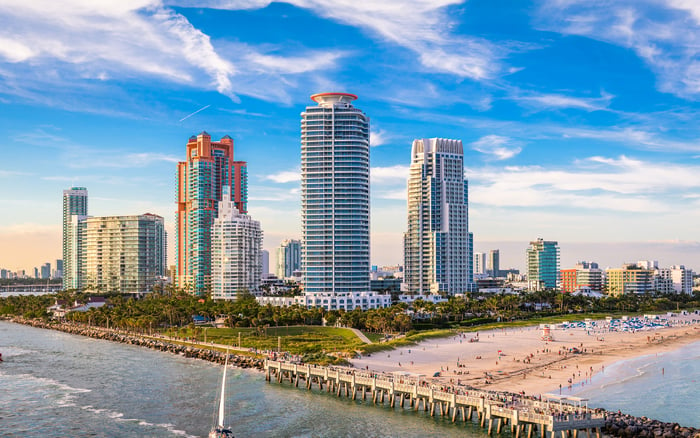
In South Florida’s ultra-prime condo market, monthly HOA fees have become a defining part of ownership economics. Here is what is driving the increase, how to compare buildings intelligently, and what to request before you commit.
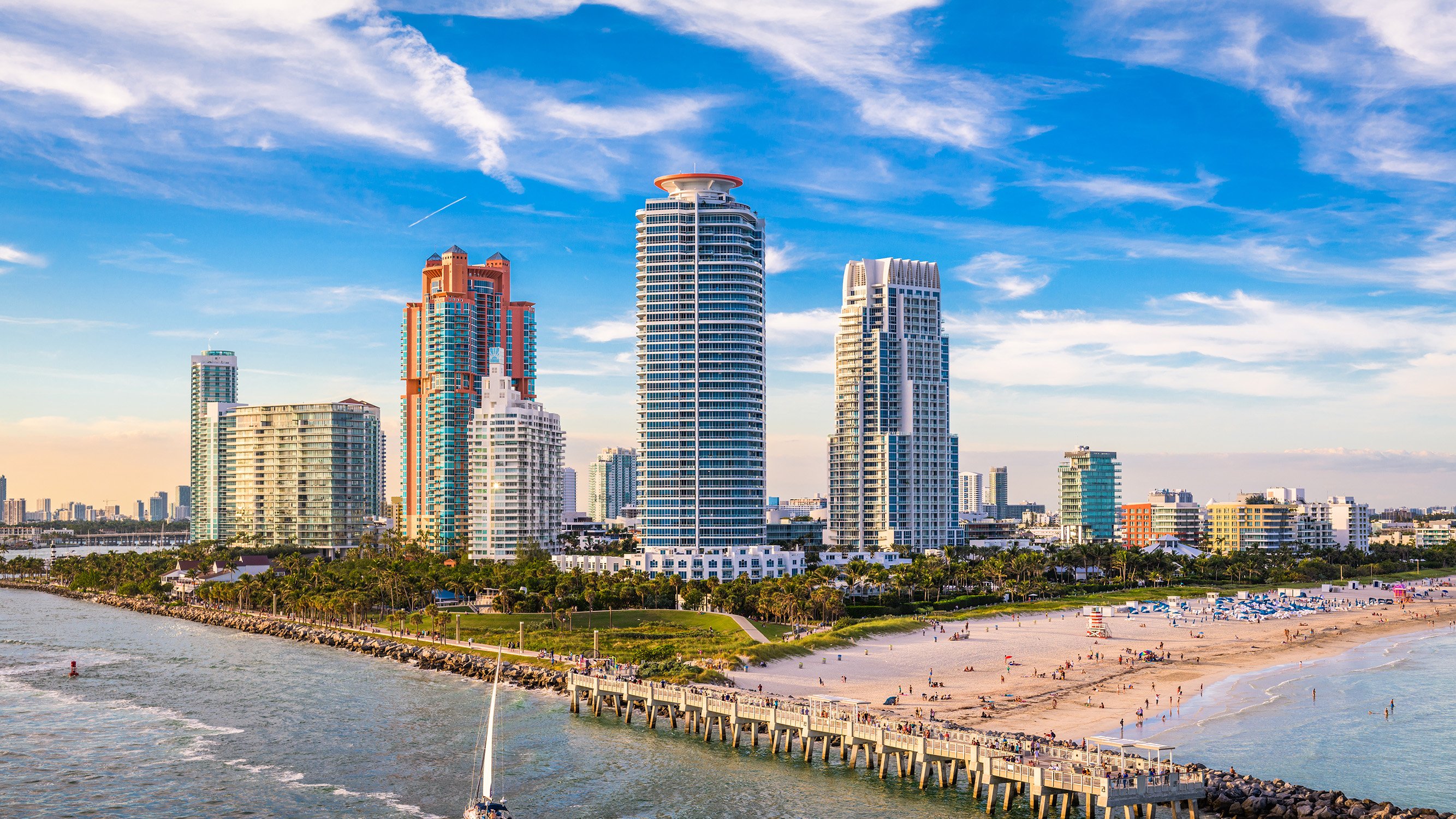
Luxury condo ownership in Miami Beach has always come with a monthly invoice for amenities, staffing, and shared infrastructure. What has shifted is the scale and pace of increases. In Miami-Dade County, the median monthly condo association fee rose to about $900 in 2024 from $567 in 2019, a 59% jump. Even for high-net-worth buyers, that matters: HOA dues are mandatory, they typically move upward with operating costs, and they can influence resale liquidity because future buyers underwrite the same recurring obligation.
At the top end, the range widens quickly. In many Miami luxury towers, monthly HOA fees commonly exceed $1,900 per month, and ultra-boutique buildings can reach $5 or more per square foot. The right way to think about dues is the way you think about taxes and insurance: as a standing part of ownership economics that deserves the same scrutiny as the purchase price.
A condominium association budget functions like a private micro-economy. Your monthly fee is typically your proportional share of the association’s operating budget, often allocated by percentage interest or square footage as defined in the condominium documents.
In practical terms, monthly dues commonly fund:
Because each property defines its own scope, two similarly priced condos can carry very different monthly dues. A full-service, hospitality-adjacent residence is built to deliver a different lifestyle than a residential-only tower. That is why “expensive” or “cheap” is rarely meaningful on its own. The more useful question is whether the building’s budget matches the experience it is designed to provide and the long-term stewardship it requires.
Florida’s property insurance market has been under stress, and condo buildings have felt the impact through higher premiums and tougher underwriting. Even when a property is in strong physical condition, the broader premium environment can reset the baseline operating budget. Owners may experience the change as higher monthly dues, special assessments, or a combination of both.
Florida has roughly 1.6 million condominium units, and a significant portion of the inventory is older. Older buildings tend to enter capital-heavy maintenance cycles, which makes adequate reserves more important.
After Surfside, reserve planning also became more formalized. The 2022 Florida condo safety law SB 4-D introduced milestone inspections and Structural Integrity Reserve Studies (SIRS) for many condos. It also limited associations’ ability to keep dues artificially low by waiving or underfunding certain reserves. The practical outcome is simple: more buildings are compelled to collect more, and to do so more consistently.
Reserve studies are themselves a budget item. In Florida, reserve studies can cost roughly $1,500 to $15,000+ depending on building size and complexity. That direct expense can flow into operating costs, and the reserve recommendations can materially reshape long-term funding.
Separate from legislation and insurance, buyer expectations at the luxury tier have moved toward a concierge-forward, hotel-caliber standard. Branded and hotel-adjacent residences can operate with hospitality-style staffing and programming. That service density structurally increases monthly dues relative to simpler condominiums. In newer, highly curated product, the pitch is often not only the residence, but a managed lifestyle, and the operating budget reflects that promise.
To compare buildings intelligently, normalize dues into a monthly cost per square foot. A $2,000 monthly fee can be reasonable for a large residence and punishing for a smaller one. Normalizing also helps you evaluate different operating models, such as a service-heavy oceanfront property versus a more straightforward bayfront tower.
Dues can include services that would otherwise be separate line items. For example, Icon Bay in Edgewater lists dues as including items such as basic cable and internet, water, sewer, and trash. A building with bundled utilities may appear expensive until you account for the expenses you are not paying elsewhere.
Exclusivity can carry a cost. Apogee South Beach is a boutique luxury tower with 67 residences. In buildings like this, fixed staffing and operations are spread across fewer owners, which can translate into higher per-unit HOA costs even when the resident experience is exceptional.
Miami Beach is a clean case study in why dues vary by micro-location and operating scope. Condo Blackbook’s analysis of Miami Beach units under $1M shows median fees around $0.57 per square foot for non-waterfront versus $0.93 per square foot for waterfront. Ultra-prime inventory often sits above that price tier, but the directional lesson holds: water exposure and the amenities that usually accompany it can be expensive to maintain.
For buyers prioritizing a resort-caliber lifestyle, higher budgets are often justified by service density and resident programming. The Setai in South Beach is widely quoted around $2.00 per square foot in monthly maintenance or HOA fees, illustrating what an upper-tier operating model can look like. For another expression of branded luxury, The Ritz-Carlton Residences, Miami Beach is commonly quoted around $1.45 per square foot.
If you are evaluating a new-to-you ownership profile in this corridor, it can be useful to tour properties that represent distinct operating models: the boutique, privacy-forward energy at Apogee South Beach, the service-luxury benchmark at Setai Residences Miami Beach, and the branded residential proposition at The Ritz-Carlton Residences® Miami Beach.
Some of South Florida’s most coveted residences operate more like campuses than single towers, and that scale changes the HOA equation.
Continuum South Beach spans roughly 12 acres and markets 1,000 linear feet of beachfront plus extensive amenities and services. Even before reviewing any budget, you can infer that staffing, maintenance, and long-term capital planning will be substantial because the property maintains a large, complex environment.
Similarly, full-service, oceanfront campuses like the Surf Club Four Seasons Residences in Surfside, described as having about 150 residences, illustrate another operating profile. When a property is designed to deliver hotel-grade staffing and a managed experience, owners are effectively supporting a private version of hospitality operations through the association.
For buyers drawn to the contemporary evolution of this model, the redevelopment wave around South Beach is bringing new options that feel closer to private clubs than conventional condominiums. A project like Shore Club Private Collections Miami Beach fits naturally into that conversation, where service and curation are part of the ownership thesis.
HOA “sticker shock” is often driven less by visible amenities and more by insurance, reserves, and aging-building capital needs. The solution is not to avoid higher dues. It is to understand what is inside them, and what the building is preparing for.
Before you commit, request and review:
If you are shopping South of Fifth or another premium pocket where lifestyle is inseparable from service, treat this review as part of the purchase itself. The right building can feel effortless to live in, but it is only effortless because the association continuously funds the vendors, staff, and specialists required to keep standards high.
Why have Miami-Dade condo HOA fees risen so much since 2019? Miami-Dade’s median monthly condo association fee rose to about $900 in 2024 from $567 in 2019, reflecting higher operating costs, insurance pressure, and reserve funding needs.
Are $1,900+ monthly HOA fees normal in luxury towers? Yes. In many Miami luxury towers monthly HOA fees commonly exceed $1,900, and ultra-boutique buildings can reach $5 or more per square foot.
What do HOA dues usually pay for? They commonly fund staffing and security, maintenance, management, common-area utilities, insurance, and reserves, though the exact scope varies by building.
How is my share of the HOA determined? Miami condo fees are typically a unit owner’s proportional share of the association’s operating budget, often allocated by percentage interest or square footage as defined in the condo documents.
What is the best way to compare HOA fees across buildings? Convert dues into a monthly cost per square foot to normalize across unit sizes and operating models.
Why do waterfront buildings often have higher fees? In Miami Beach under $1M data, waterfront median fees were higher than non-waterfront, reflecting the costs associated with water-adjacent infrastructure and service expectations.
What did SB 4-D change for condo owners? SB 4-D introduced milestone inspections and Structural Integrity Reserve Studies (SIRS) for many condos and limited the ability to waive or underfund certain reserves, which can push dues higher.
Can a reserve study itself affect HOA dues? Yes. Reserve studies can cost roughly $1,500 to $15,000+ in Florida, and the recommendations can increase ongoing reserve contributions.
Why can boutique buildings have higher per-unit HOA costs? With fewer residences, fixed staffing and operating expenses are spread across fewer owners, which can raise per-unit dues.
Where can I get a buyer-level HOA and reserve review before making an offer? Start your search and due diligence with MILLION Luxury.
If branded residences are on your mind — as a home or as an allocation — we would be glad to share what we are seeing, privately.
Begin a quiet conversation