Universal design is no longer a clinical add-on. In South Florida’s premium market, the best homes and condominiums are quietly being planned for long horizons: graceful entries, generous circulation, spa baths without barriers, and tech that reduces friction without shouting for attention.
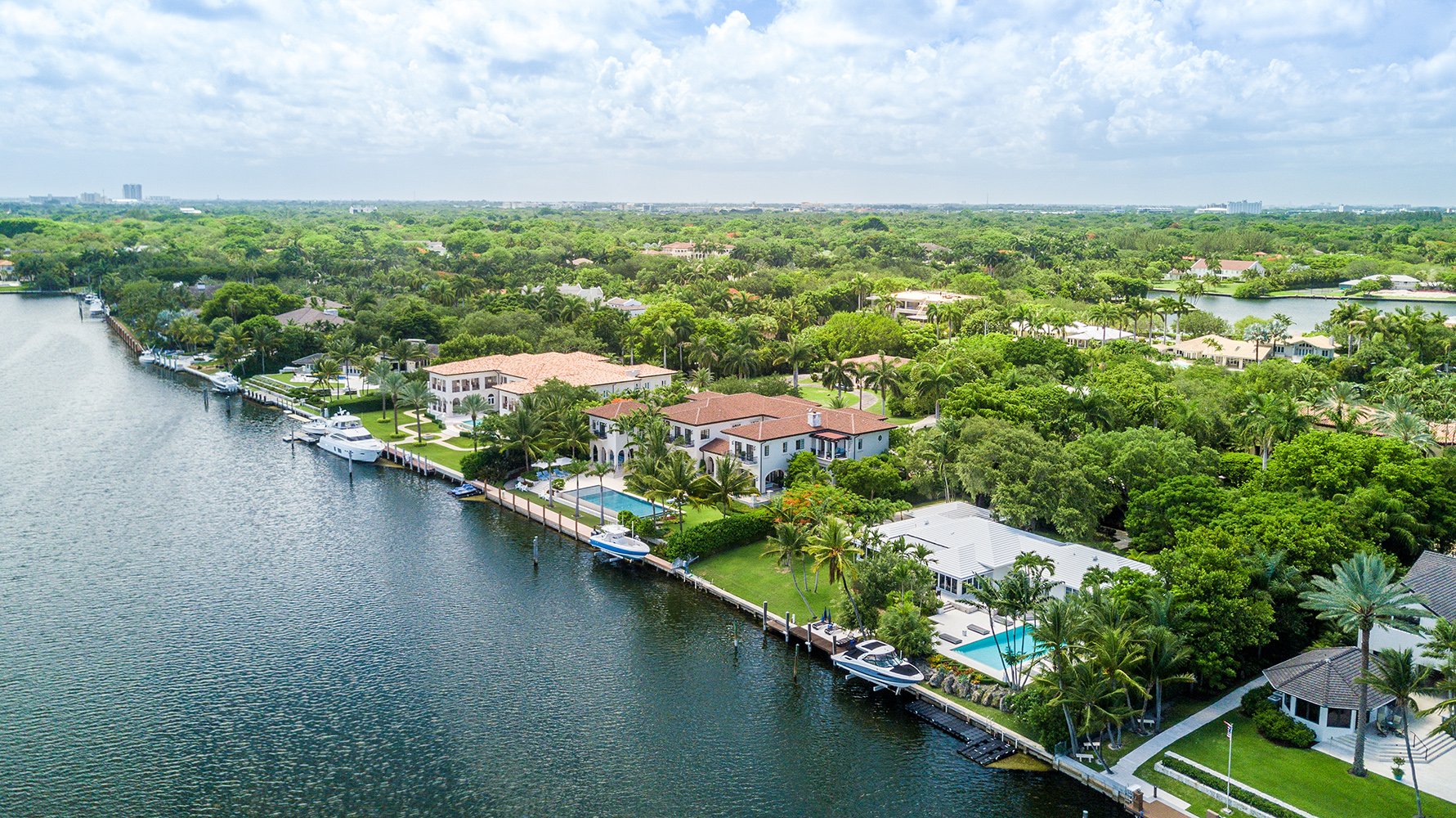
In South Florida’s ultra-premium market, “forever” is less about permanence and more about optionality. Families shift, mobility can change, and the residences that anticipate those realities tend to preserve livability and value in a different way. Universal design, when it is embedded from the outset, is widely viewed as the most refined route to aging-in-place because it avoids the visual compromises of retrofits. Accessibility reads as architecture, not as an afterthought.
This approach is especially relevant locally because many properties function as both primary and seasonal homes. They host adult children, visiting parents, and friends across long weekends and long winters. The objective is not to “medicalize” the home. It is to create a residence that feels expansive, calm, and intuitive for every guest, in every decade.
The most meaningful well-aging decisions are structural, tied to the envelope and the plan.
A zero-threshold entry, for instance, reduces trip hazards and makes movement easier for strollers, luggage, and mobility devices. When it is detailed correctly, it does not call attention to itself. It simply reads as a cleaner arrival and better craftsmanship.
Inside, generous circulation is one of the quietest expressions of luxury. Wider doorways and halls support maneuverability, but they also make interiors feel more substantial and gallery-like. This is a recurring advantage of universal design: what improves access often improves the sense of quality.
If you are reviewing new construction or a major renovation, lock in these decisions early. Finishes and hardware can always evolve. The plan generally cannot.
A core multigenerational strategy is straightforward: reduce reliance on stairs. In a single-family home, placing the owner’s suite on the first floor is a classic aging-in-place choice because it keeps daily routines from becoming stair-dependent.
In larger residences, dual primary suites increasingly read as an upgrade, not a workaround. Two true suites preserve privacy and dignity for everyone, including parents who may visit for extended periods.
Flex rooms complete the long-horizon plan. Current multigenerational trends favor spaces that can shift between office, guest, wellness, or bonus uses without feeling temporary. In a luxury context, that often means millwork that can conceal a bed, acoustical planning that supports real concentration, and lighting that transitions from task-focused to evening-soft with minimal effort.
Bathrooms are where timeless design meets practical risk reduction. Curbless, barrier-free showers are the clearest example: removing the step-over curb improves accessibility while reinforcing a modern spa aesthetic many buyers already prefer.
A discreet well-aging bath also accounts for comfort-height fixtures. ADA standards specify a toilet seat height of 17 to 19 inches above the finished floor, measured to the top of the seat, which aligns closely with many “comfort height” selections used in high-end projects.
Layered lighting matters as much as stone and plumbing. A glamorous bath can still be difficult at night if it lacks soft pathway or toe-kick lighting, a properly placed mirror light, and controls that do not demand fine dexterity.
The strongest luxury kitchens are beautiful, and they are low-friction. Storage upgrades such as pull-out shelves and drawers reduce bending and reaching, which supports safety and independence for older adults while also improving daily life for anyone who cooks.
Universal design also rewards small hardware choices. Lever-style door handles are generally easier to operate than round knobs for people with limited grip strength, so they remain a common accessibility move that fits seamlessly in contemporary and transitional interiors.
When touring a property, look past the appliance badges and assess ergonomics: how easily you can reach everyday items, how many awkward corners interrupt flow, and how many steps it takes to complete a basic routine. In the best homes, kitchen choreography feels nearly invisible.
Technology is most luxurious when it reduces effort without demanding attention. Smart-home features like voice control for lighting, thermostats, and security can lower daily physical strain for residents with mobility or dexterity limitations. In multigenerational households, it can also simplify the experience across different comfort levels, replacing multiple switches and remotes with a consistent set of controls.
Lighting deserves special emphasis. Motion-activated LED pathway lighting has been studied in older adult settings, with reported benefits that include improved confidence during nighttime movement and reduced fear of falling. In a private residence, it can be executed with restraint: low-level lighting in halls and baths that turns on quietly, then disappears again.
Sound is part of comfort, too. Acoustic privacy can be evaluated with ratings such as STC for airborne sound and IIC for impact sound. Stronger results typically come from layered strategies, including insulation, decoupling, and careful sealing. For luxury buyers planning multigenerational living, acoustics separate “together” from “on top of each other.”
Stairs can remain a design feature, but daily life should not depend on them. In multi-level residences, a private elevator can be a decisive long-horizon investment. Pricing varies widely by configuration. A 2026 cost guide cites roughly around $50,000 on the low end, with more advanced multi-stop systems reaching six figures.
Even without immediate installation, planning for an elevator can protect future options. In new builds, that can mean reserving stacked closet space or designing a core that can accept vertical circulation later with minimal disruption. In condominiums, it often means choosing a plan that keeps primary functions on one level and avoids long, narrow corridors between bedrooms and baths.
True multigenerational luxury is defined by autonomy. Some builders market near-independent suites with features like a private entrance and kitchenette, reflecting a broader preference for togetherness with less friction. Even in homes not designed as multigen plans, you can evaluate the layout through the same lens:
When these decisions are integrated early, they read as hospitality, not accommodation.
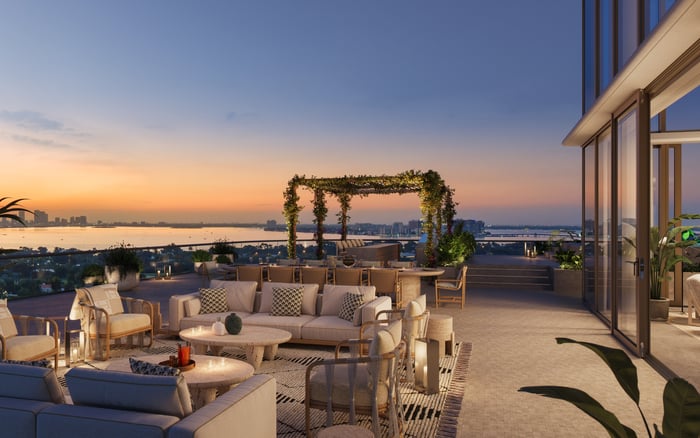
High-rise living changes the execution, not the principles. In Miami Beach, the most compelling condominiums increasingly feel effortless: generous corridors, spa-forward baths, and amenities that support well-being without feeling prescriptive.
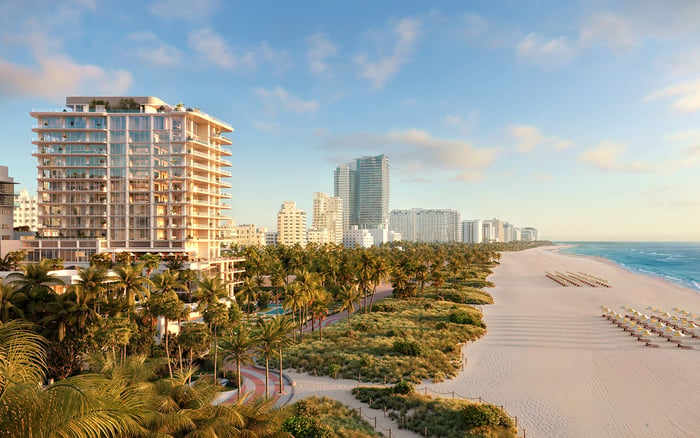
Focus on layouts that can flex as needs change. If you are considering a beachfront residence such as 57 Ocean Miami Beach, notice how the plan handles circulation and bathroom access, especially at night. In a trophy oceanfront home, convenience should feel integral to the luxury, not like a concession.
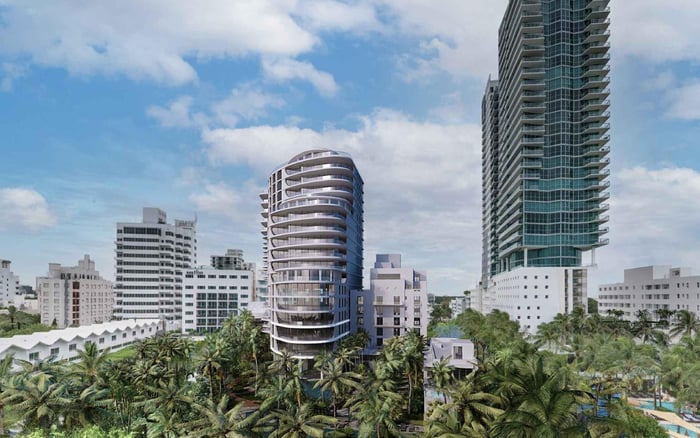
For culture-forward environments and bold design, Faena House Miami Beach offers a useful mental model: universal design does not have to dilute personality. The question is whether the most-used elements, entry, primary suite, bathing, and lighting, are composed for the long term.
Hotel-branded living can align naturally with well-aging priorities because service and predictability reduce day-to-day cognitive load. Consider the lifestyle positioning around Setai Residences Miami Beach and how a calm, consistent environment supports multigenerational visits.
When privacy and discretion are non-negotiable, evaluate arrivals and transitions. A property such as Shore Club Private Collections Miami Beach or The Ritz-Carlton Residences® Miami Beach invites a buyer to think about effortless movement: drop-offs, elevator flow, and the simple ability to live beautifully without micro-obstacles.
Universal luxury is best assessed in person, with a precise eye for detail.
The best outcome is a home that never has to explain itself. It simply works, and it stays beautiful.
What is universal design in a luxury home?
It is planning that keeps a home usable across ages and abilities while preserving high-end aesthetics.
Why is it better to integrate accessibility from the start?
Integrated planning avoids the look and cost of retrofits and keeps details cohesive.
Do zero-threshold entries look less elevated?
Not when they are detailed well. They can improve safety while maintaining curb appeal.
Are wider halls and doors worth it if no one uses a wheelchair today?
Yes. They improve maneuverability and often make interiors feel more spacious.
What is a curbless shower, and why do buyers want it?
It is a shower without a step-over curb. It improves access and delivers a modern spa look.
What toilet height is considered accessible?
ADA standards specify 17 to 19 inches to the top of the seat, a range similar to many comfort-height options.
What small hardware choice makes the biggest difference?
Lever-style handles generally require less grip strength than round knobs.
How much can a home elevator cost?
Costs vary widely, from roughly around $50,000 on the low end to six figures for more advanced multi-stop systems.
Can smart-home features support aging-in-place without feeling gimmicky?
Yes. Voice control for lighting, temperature, and security can reduce daily effort discreetly.
What is the simplest way to improve nighttime safety?
Add low-level pathway lighting, ideally motion-activated, in halls and baths.
For bespoke guidance on well-aging residences in South Florida, explore MILLION Luxury.
If branded residences are on your mind — as a home or as an allocation — we would be glad to share what we are seeing, privately.
Begin a quiet conversation