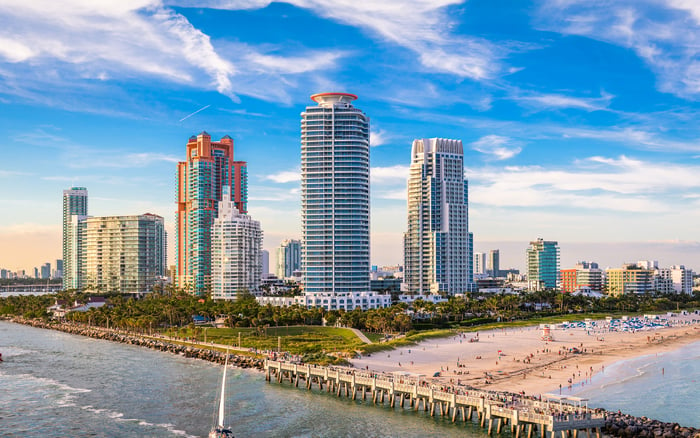
In South Florida luxury real estate, “HOA” is shorthand for a complex set of obligations, services, and governance. The difference between condo association fees and HOA dues is not academic; it shapes your monthly carrying cost, renovation freedom, rental strategy, and even resale liquidity. This guide frames the decision the way seasoned buyers do: by understanding what you actually own, what the association must maintain, and what you are truly buying when you buy into a building or community.
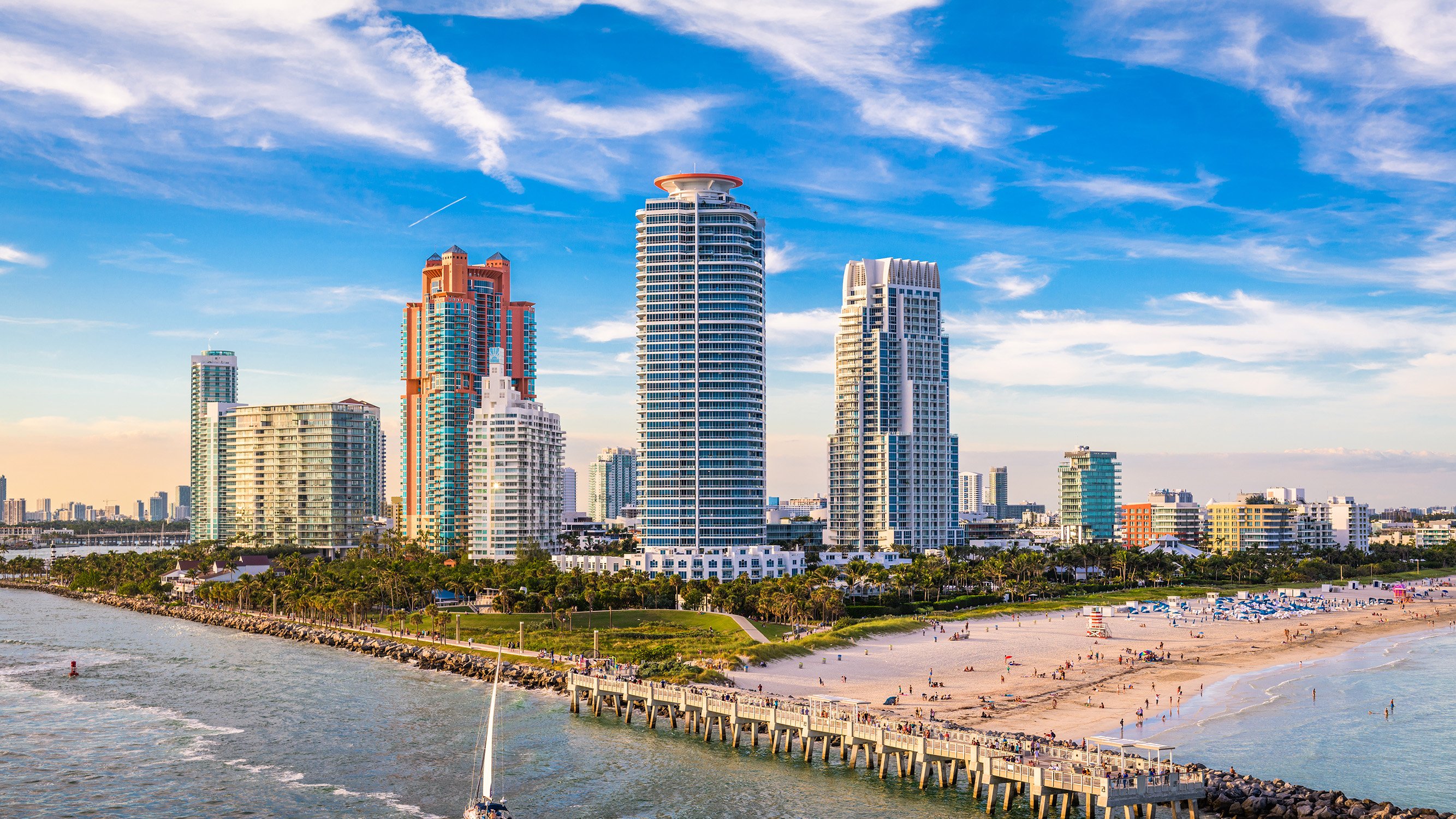
In luxury conversations, “HOA” often becomes a catch-all for any association charge. In practice, a condominium association and a traditional HOA subdivision start from different legal and operational frameworks.
In a condominium, you hold title to your unit plus an undivided interest in the common elements. In a typical HOA neighborhood, you generally own the home and the lot, while the association owns or controls shared areas such as amenity parcels, entry features, or private roads. That distinction is not academic. It determines who is responsible for the exterior shell, structural systems, and many long-term capital items.
For South Florida buyers weighing high-rise living against a single-family enclave, separate “ownership” from “operations.” You are not only comparing dues. You are choosing the infrastructure you will collectively fund.
Condo association budgets commonly include building insurance, exterior maintenance, common utilities, amenity operations, professional management, and reserve funding for long-term repairs. Because the association typically maintains the common elements and often the building exterior or structure, the budget can also carry building-wide systems such as roofs, elevators, and façade components.
In HOA subdivisions, homeowners are usually responsible for maintaining their own exterior and lot. The HOA focuses on shared amenities and common-area operations. Dues commonly fund landscaping, amenity maintenance, repairs, and management, and may include certain services like trash depending on the community.
This is a primary reason condo association fees often exceed HOA dues. It is not automatically “worse value.” It is usually a broader scope of responsibility.
For context, nationally the median monthly HOA or condo fee was reported at $135 in ACS 2024 data, while a meaningful slice of households pay more than $500 per month. In South Florida luxury high-rises, the numbers move to a different tier. In Miami-Dade high-rise condos, average monthly association fees have been reported at roughly $1,900-plus per unit, reflecting rising operating and insurance costs.
Seasoned buyers rarely compare association costs as a single dollar figure. A 1,200-square-foot residence and a 3,200-square-foot residence can sit in the same building with very different allocations. A clean way to normalize carrying cost is monthly fee per square foot: monthly association fee divided by interior square footage.
For newer, full-service luxury buildings in Miami and Miami Beach, published buyer guidance often cites roughly $0.75 to $1.50 per square foot per month as a typical HOA or maintenance-fee band, with boutique and hotel-branded properties often higher.
Two refinements sophisticated buyers consistently make:
First, confirm what is bundled. Some buildings include certain utilities or service lines inside the association fee that another building bills separately. A “higher fee” can still produce a lower all-in monthly cost once you compare like-for-like.
Second, verify how the fee is allocated. Condo fees may be allocated equally or by each unit’s percentage interest in the association or common elements, depending on governing documents. That is why two residences in the same tower can pay meaningfully different totals even when amenities feel identical.
Ultra-luxury boutique towers often deliver a particular kind of calm: fewer neighbors, quieter amenities, and more discreet staff-to-resident ratios. The tradeoff is that many operating costs are fixed, and in smaller buildings those costs are divided among fewer owners.
A clear example of the “boutique math” buyers encounter in Miami Beach is Apogee South Beach, an ultra-luxury condominium in the South-of-fifth neighborhood with only 67 residences publicly described. In a building of this scale, staffing, security, maintenance of building systems, and reserves are spread across a smaller ownership base. The fee can look high in isolation, yet the lived experience is often what the buyer is purchasing: privacy, simplicity, and service.
When comparing a boutique property to a larger full-service tower, the right question is not “Which HOA is lower?” It is “Which operating model matches my expectations, and what is my tolerance for fee variability over time?”
In luxury, rental flexibility is not only an investor issue. It affects second-home planning, holding strategy during renovations, and resale appeal.
Miami Beach regulates vacation or short-term rentals and prohibits them in many zoning districts, with authorization required where allowed. Separately, unincorporated Miami-Dade defines short-term vacation rentals as rentals to transient occupants for less than 30 days or one calendar month, whichever is less.
In practice, buyers should treat rental legality as a three-layer check:
Municipal or county ordinances.
Zoning and permitting requirements.
Your building or HOA rules.
Any single layer can block the rental plan you had in mind. If short-term rentals matter, read the governing documents early, not after closing.
For buyers drawn to a hospitality-forward experience, Setai Residences Miami Beach often sits in the mental category of “hotel-adjacent lifestyle,” which can come with a distinct operating structure and expectations around services and rules. Similarly, The Ritz-Carlton Residences® Miami Beach speaks to buyers who prioritize turn-key service standards and a curated arrival experience. In a building of this caliber, proper diligence is less about assumptions and more about the actual restrictions, plus the city’s current enforcement posture.
Florida’s condo safety reforms include Structural Integrity Reserve Studies (SIRS) requirements for certain multi-story condo buildings, with key compliance dates culminating in 2025. For luxury buyers, the takeaway is practical: reserve planning should be part of your first conversation, not an afterthought.
Reserve funding is where an association’s long-term realism becomes visible. A building can look flawless and still be under-reserved for the next cycle of façade, waterproofing, or mechanical work. Conversely, a building can feel “expensive” because it is funding reserves in a disciplined way.
A practical buyer question list:
How are reserves determined and updated?
Are major systems treated as predictable life-cycle items?
Does the association have a track record of special assessments, or a bias toward planned funding?
In the luxury segment, steady and transparent reserve posture is often a quiet value driver because it supports resale confidence.
Association living is a trade: convenience and consistency in exchange for constraints. Those constraints rarely matter until you reach the edges of the system, such as when you renovate, host, park, or deviate from a norm.
Governing restrictions are typically recorded in local real property records and bind owners as covenants running with the land. Many condo and HOA communities require architectural review or approval for changes that affect the exterior or common elements, often to preserve a consistent aesthetic.
Parking is another quality-of-life lever. HOA parking rules commonly address assigned spaces, guest parking limits, and restrictions on commercial vehicles, RVs, or boats. Consequences can include towing or fines depending on the governing documents and applicable law.
Enforcement matters as much as the rule itself. Florida HOA rule enforcement is generally expected to be reasonable and consistent, and selective non-enforcement over time can undermine later enforcement. For the buyer, the implication is simple: governance culture becomes a form of property value.
Finally, associations are treated as housing providers under the federal Fair Housing Act. Rules affecting amenities or access can raise familial-status or disability discrimination issues if they are not crafted and enforced properly. In refined communities, the strongest boards and managers pair discretion with procedural discipline.
Luxury buyers often choose with emotion and validate with logic. Here is the logic that protects you.
Define the lifestyle you are buying. If you want lock-and-leave convenience, vertical living often concentrates services into one monthly bill. If you want autonomy over exterior design and landscaping, an HOA home can offer more control with fewer shared systems.
Price the “all-in” monthly carrying cost. Compare association fees plus any separately billed utilities or services. Use a per-square-foot lens to normalize.
Stress-test the building’s long-term plan. Ask how reserves are funded and what capital planning looks like under current Florida requirements.
Read the rules where your life will touch them. Renovations, deliveries, pets, guest policies, parking, and rental terms are where satisfaction is won or lost.
Match the property to your timeline. If you are buying for five to seven years, fee stability and governance predictability may matter more than a marginally lower monthly number.
In Miami Beach, buyers seeking an oceanfront residential atmosphere with a more intimate scale sometimes gravitate to options like 57 Ocean Miami Beach, where the feel of the building and the scope of services tend to define the fee story as much as the spreadsheet does.
What is the core legal difference between a condo and an HOA neighborhood? In a condo, you own the unit plus a shared interest in common elements. In an HOA neighborhood, you typically own the home and lot while the HOA controls common areas.
Why are condo association fees often higher? Condo associations usually maintain the building exterior, structure, and major systems, which increases operating and reserve costs.
What do HOA dues usually cover in a single-family community? Common-area operations such as landscaping and amenity maintenance, repairs, and management, sometimes including certain services such as trash.
How should I compare fees across buildings with different unit sizes? Use monthly fee per square foot to normalize costs, then adjust for what is included versus what is billed separately.
What is a typical luxury condo fee range per square foot in Miami? Buyer guidance often cites roughly $0.75 to $1.50 per square foot per month for newer full-service buildings, with boutique or hotel-branded properties often higher.
Can high fees still be a good value? Yes. A higher fee may include services or utilities that reduce your total monthly outlay, and it may reflect stronger reserve funding.
Are short-term rentals automatically allowed if the city allows them? No. You must also comply with zoning and permitting and your building or HOA rules, any of which can prohibit short stays.
What is SIRS and why does it matter to me as a buyer? Structural Integrity Reserve Studies are part of Florida’s condo safety reforms and can influence reserve planning and future funding decisions.
Why does the number of residences in a building affect fees? Fixed costs such as staffing and building systems are spread across fewer owners in boutique buildings, which can raise per-unit fees.
What rule areas most commonly surprise luxury buyers? Renovation approvals, guest and delivery procedures, parking restrictions, and rental limitations tend to create the biggest day-to-day friction.
For a discreet, buyer-aligned strategy on South Florida association living, connect with MILLION Luxury.
If branded residences are on your mind — as a home or as an allocation — we would be glad to share what we are seeing, privately.
Begin a quiet conversation