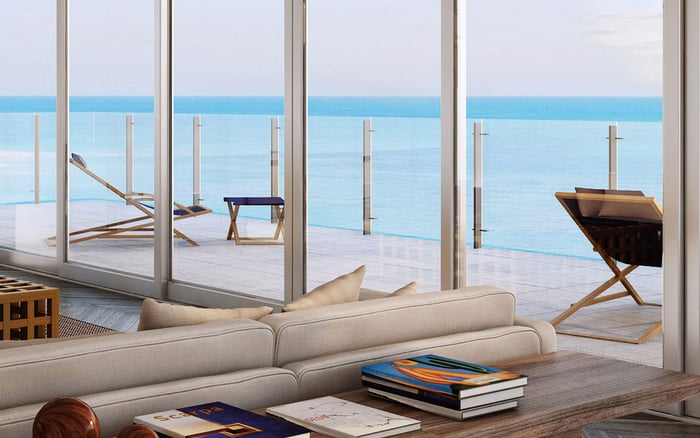
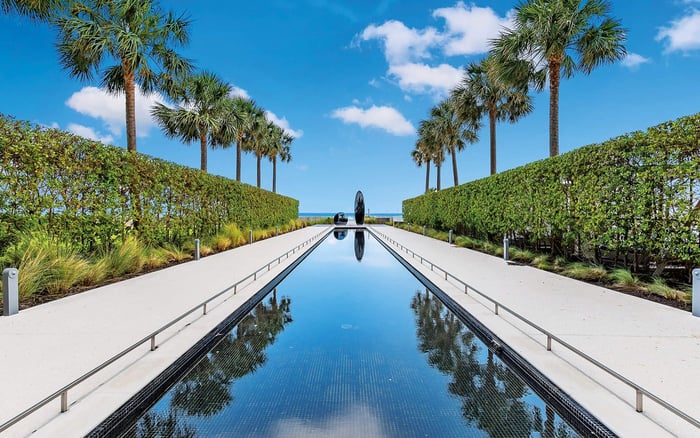
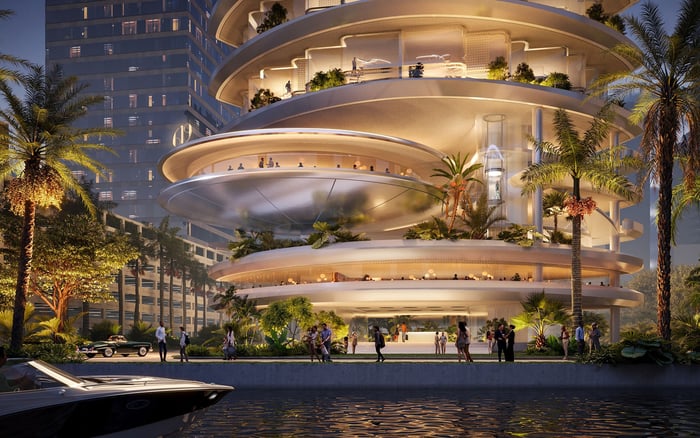
A discreet guide to evaluating privacy in Key Biscayne luxury condos, from entry sequences and staffing posture to guest culture, amenity etiquette, and the everyday rhythm that separates a secure building from a truly private one.
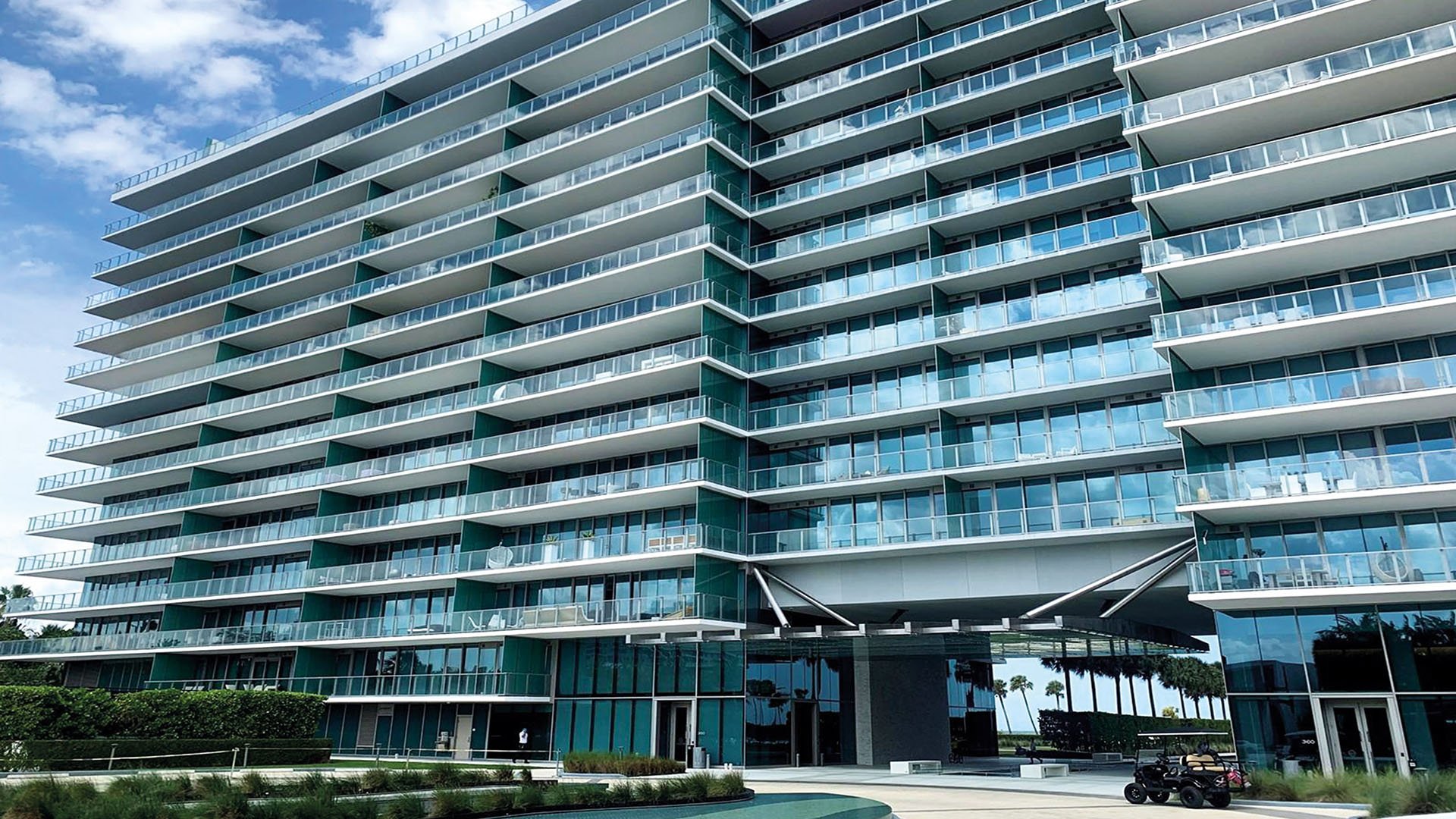
In Key Biscayne luxury condos, privacy is rarely defined by a single gate, desk, or camera. It is the cumulative experience of moving from public road to private residence with minimal friction, minimal exposure, and a steady sense that the building understands discretion. For many buyers, especially those comparing island, beach, and bayfront addresses across South Florida, the most desirable privacy is almost invisible.
The distinction matters. Security can feel procedural. Privacy feels cultural. A well-run condominium does more than prevent unwanted access; it choreographs arrival, guest handling, service movement, amenity use, and resident interaction in a way that preserves calm. That is why buyers evaluating Oceana Key Biscayne or any comparable island residence should look beyond marketing language and observe how the building actually functions.
Within a Key Biscayne search, the vocabulary of privacy often includes oceanfront quiet, boutique scale, balcony separation, and pool etiquette. Those words are not a checklist on their own. They are prompts for deeper questions about how a building behaves on ordinary days, during holiday periods, and when residents are hosting, receiving deliveries, or returning from the beach.
The first privacy test is the approach. A luxury condo should make arrival feel orderly without creating a fortress mentality. Buyers should consider whether the entry sequence allows staff to distinguish residents, guests, vendors, rideshare vehicles, and deliveries without forcing awkward pauses in highly visible spaces.
The most refined buildings separate the emotional experience of arrival from the operational mechanics behind it. Residents should not feel as though every return home becomes a transaction. Guests should be expected, identified, and guided without unnecessary exposure. Vendors should have a clear path that does not interrupt the residential lobby. When this is achieved, access control becomes part of hospitality rather than a visible barrier.
Key Biscayne adds its own lens because the island lifestyle is intimate. Residents may prize the ability to move from beach, club, school, marina, or restaurant back into a private environment that feels settled and familiar. In that context, access control is not only about who can enter. It is about how calmly the building absorbs the rhythms of daily life.
Technology can support privacy, but staffing defines it. The best front-of-house teams recognize residents without performing recognition. They know preferences without broadcasting them. They can manage a guest arrival, a flower delivery, a contractor, and a family return from the beach while keeping the lobby composed.
For buyers, the important question is not simply whether a building is staffed. It is whether staffing feels trained, stable, and aligned with the tone of the community. A high-visibility service style may suit some owners, while others prefer quiet anticipation and fewer spoken formalities. Neither is inherently superior. The right fit depends on how the resident wants to live.
Touring at different times can be revealing. Morning dog walks, late-afternoon returns, weekend guest arrivals, and evening valet moments all show how staff handle overlapping demands. Privacy often appears in small gestures: a discreet nod, a direct elevator call, a guest guided without delay, or a service provider redirected before entering the wrong area.
Rules matter, but culture determines whether rules feel natural. A condominium may have clear policies, yet the day-to-day atmosphere depends on residents, management, and staff sharing the same expectations. In private buildings, the strongest culture is usually quiet, consistent, and self-reinforcing.
This is where Key Biscayne buyers should pay attention to scale and tempo. A socially active building may still be private if residents respect boundaries and staff manage flow well. A quieter property may still feel exposed if guests wander, amenity spaces become unpredictable, or service access is loosely handled.
Comparisons across South Florida can help clarify preferences. The privacy conversation around The Residences at Six Fisher Island may appeal to buyers who think in terms of island exclusivity, while The Surf Club Four Seasons Surfside can prompt a different discussion about coastal address, service culture, and residential atmosphere. The point is not that one model is universally better. The point is to identify the model that matches the owner’s tolerance for visibility.
The most private buildings are not necessarily the ones that discourage guests. They are the ones that manage guests elegantly. Owners should ask how visitors are announced, where they wait, how access is approved, and whether repeat guests become familiar to staff without eroding standards.
Vendor movement is equally important. Housekeepers, chefs, stylists, maintenance teams, and delivery personnel are part of luxury living, but they should not dominate the residential experience. Separate service routes, disciplined sign-in procedures, and staff who understand timing can protect the serenity of common areas.
Buyers should also think about the residence itself. Elevator proximity, corridor length, sightlines from shared spaces, terrace exposure, and acoustic separation can all affect perceived privacy. A grand building can still feel intimate if circulation is well resolved. A smaller building can feel busy if every movement is concentrated through the same few spaces.
Amenity privacy is one of the most underestimated factors in luxury condo ownership. A beautiful pool deck, spa, fitness area, or lounge can either extend the privacy of the home or dilute it. The difference lies in layout, reservation culture, staff presence, guest policy, and the unspoken behavior of residents.
In Key Biscayne, where outdoor living is central, the transition between residence and amenity space deserves close scrutiny. Does the pool feel like a private extension of the building or a stage? Are families, guests, and quiet readers able to coexist comfortably? Are staff attentive without hovering? These questions matter because owners use amenities repeatedly, not just during a tour.
For buyers who cross-shop with mainland or barrier-island properties, Oceana Bal Harbour may serve as a useful reference point for thinking about oceanfront condominium living in a different village setting. Again, the exercise is comparative. Privacy is not a single South Florida formula; it is a relationship between design, management, and resident culture.
A serious privacy evaluation should be practical. Ask how guest approvals work. Ask how vendors are screened. Ask whether staff turnover is low or high. Ask how package volume is handled. Ask what happens when an owner hosts a dinner, receives multiple deliveries, or has a contractor working over several days.
Then observe. Watch whether the lobby feels calm. Notice whether staff seem rushed or composed. Look at where guests wait. Consider whether amenities feel residential or performative. Listen for corridor noise. Study the route from parking or valet to the elevator. The most meaningful answers often appear before anyone says a word.
Privacy in Key Biscayne is ultimately about fit. Some buyers want a warm building where familiar faces and neighborly interaction are part of the pleasure. Others want a near-anonymous retreat where movement is controlled and social contact is elective. The strongest purchase decision is the one that aligns the building’s culture with the owner’s life.
Is access control the same as privacy in a luxury condo? No. Access control manages entry, while privacy also includes staffing style, guest flow, amenity behavior, and the culture of the building.
What should buyers observe during a private tour? Watch the arrival sequence, lobby activity, staff composure, guest waiting areas, elevator flow, and how service personnel move through the property.
Why does staffing matter so much? Staff translate policies into lived experience. Their discretion, consistency, and judgment often determine whether a building feels truly private.
Are smaller buildings always more private? Not always. A smaller building can feel exposed if circulation is concentrated, while a larger one can feel private when movement is well managed.
How important are guest policies? Very important. The best policies allow owners to host comfortably while keeping arrivals orderly and common areas calm.
Should buyers ask about vendor access? Yes. Vendor routing, sign-in procedures, and service timing can have a major effect on the quiet of daily life.
Do amenities affect privacy? Yes. Pool decks, gyms, lounges, and wellness areas should feel residential, not crowded or overly visible.
Can privacy be evaluated from a floor plan? Partly. Elevator placement, corridor length, terrace exposure, and adjacency to amenities can all influence the private feel of a residence.
Is Key Biscayne privacy different from other Miami-area markets? It can be. Island living often places a premium on calm transitions, familiar staffing, and a residential atmosphere that feels removed yet connected.
What is the best privacy test before purchasing? Visit at different times and focus on routine moments. Daily patterns reveal more than polished presentations.
For a discreet conversation and a curated building-by-building shortlist, connect with MILLION.
If branded residences are on your mind — as a home or as an allocation — we would be glad to share what we are seeing, privately.
Begin a quiet conversation