A discreet buyer’s guide to evaluating fitness and spa amenities in Fort Lauderdale residences for full-time living, with emphasis on daily usability, privacy, recovery, programming, and long-term condominium value.

For a full-time Fort Lauderdale resident, fitness and spa amenities are not decorative conveniences. They become part of the weekly rhythm of the home: the early swim before calls, the quiet stretch after travel, the recovery session between social commitments, and the private place to reset without crossing town. The distinction matters because a compelling amenity photograph can seduce a buyer in minutes, while daily livability reveals itself over months.
The better question is not whether a building has a gym or spa. It is whether those spaces operate with the discretion, consistency, and quality expected of a primary residence. A second-home buyer may tolerate a compact fitness room used a few weekends a year. A full-time owner will notice everything: morning congestion, equipment variety, locker-room ventilation, acoustic separation, staff protocols, towel service, cleaning cadence, and whether a wellness zone feels calm at the very hour it is needed most.
In Fort Lauderdale, this evaluation is especially important because many buyers are comparing resort-style residences with urban convenience, waterfront atmosphere, and lock-and-leave security. Projects such as Auberge Beach Residences & Spa Fort Lauderdale are often part of that conversation because wellness is embedded in the way buyers read the name, the setting, and the daily promise of the address.
Amenities should be judged by repeat use. A dramatic relaxation room may be memorable, but if it is rarely available, poorly staffed, or disconnected from the resident’s routine, it becomes ornamental. A practical fitness suite, by contrast, can materially improve daily life when it is accessible, well maintained, and thoughtfully located.
Before purchasing, buyers should imagine a full weekday. Can one train before breakfast without waiting for equipment? Is the spa area quiet enough for genuine recovery? Are treatment rooms bookable in a way that respects privacy? Is there space for stretching, mat work, or trainer-led sessions? Does the building support both high-output fitness and slower restorative habits?
This is where Fort Lauderdale searches can become too broad. The city label matters less than the resident’s actual pattern: beach-oriented living, downtown dining, marina proximity, office access, or seasonal hosting. A buyer considering Four Seasons Hotel & Private Residences Fort Lauderdale may be weighing branded-service expectations, while another comparing Riva Residenze Fort Lauderdale may be focused on a more residential sense of continuity. The amenity question should follow the lifestyle, not the other way around.
A credible residential gym must serve different bodies and different schedules. Some owners want strength training. Others prioritize low-impact cardio, Pilates-style movement, balance, or guided stretching. Full-time living demands flexibility because wellness changes with age, travel, injury, and routine.
Look first at the fundamentals: ceiling height, natural light, equipment spacing, flooring, mirrors, air circulation, and the relationship between the gym and other quiet areas. A fitness room beside a lounge or treatment suite can create conflict if sound transfer is not managed. Likewise, a beautiful gym without enough floor space for mobility work may disappoint residents who train with intention rather than simply use machines.
Buyers should ask how personal trainers are handled. Are outside trainers permitted? Is there a registration process? Are peak hours managed informally or by reservation? None of these questions is glamorous, yet each determines whether the amenity functions as a private club or a bottleneck. In shorthand, buyers often file these requirements under pool, lap pool, strength, recovery, and privacy, but the real issue is operational discipline.
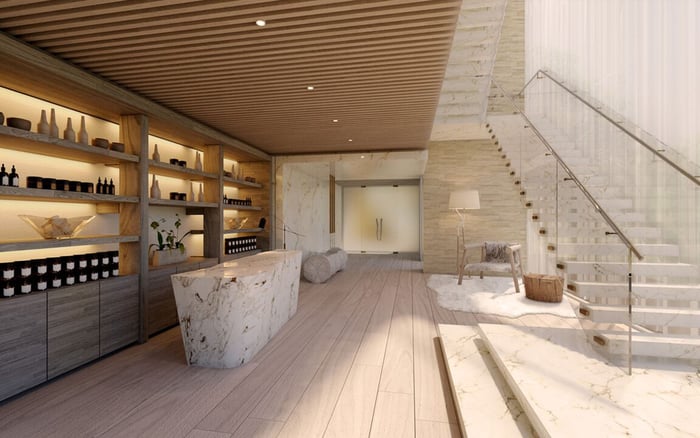
Spa amenities carry a different burden. They must feel tranquil, but they must also be practical. A sauna, steam room, treatment area, or relaxation lounge only adds lasting value if it is hygienic, quiet, consistently available, and maintained with the seriousness of a high-touch residential service.
For full-time owners, the best spa spaces support transitions. They make it easier to come home from travel, decompress after entertaining, or recover after training. The atmosphere should be hushed without feeling unused. Lighting should be flattering but not theatrical. Materials should feel durable, clean, and warm to the touch. Circulation should be intuitive, so residents are not crossing public amenity areas in robes or moving through awkward sightlines.
Privacy is the luxury element most easily overlooked. A spa may be visually impressive, yet uncomfortable if the entrance is too exposed, if treatment rooms share noise with social spaces, or if scheduling lacks discretion. Buyers who plan to live in the building year-round should treat these issues as central, particularly in Broward residences where many owners expect the ease of a resort with the familiarity of home.
A pool is often the emotional center of a South Florida residence, but for full-time living it should be evaluated beyond its view. Ask how the pool is used at different times of day. Is it primarily social, athletic, restorative, or family-oriented? Does it invite quiet laps, or is it designed for lounging? Are shaded areas generous enough for regular use? Is there a calm route from the residence to the pool deck?
For buyers who swim as exercise, dimensions, lane logic, and crowd patterns matter. For buyers who use the pool as recovery, the relationship to spa, showers, and shaded seating becomes more important. For those who host, the issue is whether the pool experience remains elegant when the building is active.
Projects such as St. Regis® Residences Bahia Mar Fort Lauderdale may enter a buyer’s consideration set for the broader branded-residential lifestyle they suggest, but every buyer should still examine daily functionality with care. Prestige does not replace due diligence.
Wellness amenities require ongoing service. Equipment ages. Steam systems need attention. Pool furniture wears. Towels, lockers, music levels, scent, staffing, and cleaning standards all influence whether residents continue using the space after the novelty fades.
A thoughtful buyer should review association materials, staffing philosophy, reservation policies, guest rules, and operating hours. The financial question is not simply whether amenities raise monthly costs. It is whether the services align with how the owner will live. A resident who trains six days a week may find a well-run gym and spa more valuable than rarely used entertainment rooms. Another may prefer a smaller, quieter amenity program if privacy is the priority.
The most successful wellness environments feel calm because they are managed, not because they are empty. Buyers should be comfortable asking direct questions about peak use, maintenance schedules, and whether any amenities are shared with hotel or public components where applicable. A polished sales gallery is only the first impression. The residence must perform on ordinary Tuesday mornings.
The final choice should begin with personal ritual. If your day starts with cardio and ends with steam, the building must support that sequence. If your wellness life is trainer-led, policies matter. If recovery and quiet are central, the spa should feel private, not performative. If swimming is essential, the pool must be assessed as an athletic amenity, not just a scenic backdrop.
Fort Lauderdale offers a wide range of residential personalities, from resort-inflected beachfront living to more urban or marina-adjacent preferences. Andare Residences Fort Lauderdale and Sixth & Rio Fort Lauderdale may appeal to different buyers for different lifestyle reasons, which is precisely the point. The right wellness amenity is not the one with the longest feature list. It is the one that disappears into daily life because it works.
For full-time residents, fitness and spa spaces should reduce friction. They should make the home feel more complete, not more complicated. In the upper tier of the market, wellness is no longer a bonus category. It is a quiet measure of whether a residence can support a sophisticated life every day of the year.
What matters most in a Fort Lauderdale residential fitness amenity? Daily usability matters most, including equipment mix, spacing, hours, cleanliness, trainer policies, and peak-time comfort.
Is a large gym always better than a smaller private fitness room? Not necessarily. A smaller gym with excellent equipment, privacy, and maintenance can outperform a larger space that feels crowded or poorly planned.
How should buyers evaluate a spa amenity for full-time living? Focus on privacy, hygiene, booking ease, sound control, staff protocols, and whether the space supports regular recovery rather than occasional novelty.
Are pools mainly lifestyle amenities or wellness amenities? They can be both. The answer depends on whether the pool supports swimming, recovery, relaxation, shade, and a calm daily routine.
Should buyers ask about personal trainers before purchasing? Yes. Trainer access, registration, insurance requirements, and scheduling rules can significantly affect how useful the fitness amenity becomes.
Do branded residences automatically offer better wellness spaces? Branding can signal a service expectation, but buyers should still review the actual amenity design, policies, maintenance, and day-to-day experience.
What is often overlooked in spa and fitness due diligence? Sound transfer, guest access, operating hours, locker-room quality, towel service, and cleaning cadence are often more important than buyers expect.
How does full-time living change the amenity evaluation? A primary resident uses amenities repeatedly, so convenience, consistency, and operational quality matter more than a dramatic first impression.
Are wellness amenities important for resale? They can support desirability when they are well designed, well maintained, and aligned with the expectations of luxury buyers in the building.
What should a buyer compare across Fort Lauderdale residences? Compare fitness function, spa privacy, pool character, service standards, monthly costs, and how naturally each amenity fits your routine.
If you'd like a private walkthrough and a curated shortlist, connect with MILLION.
If branded residences are on your mind — as a home or as an allocation — we would be glad to share what we are seeing, privately.
Begin a quiet conversation