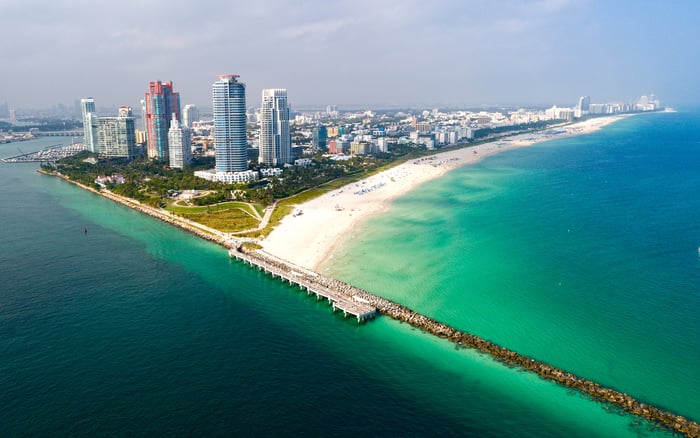
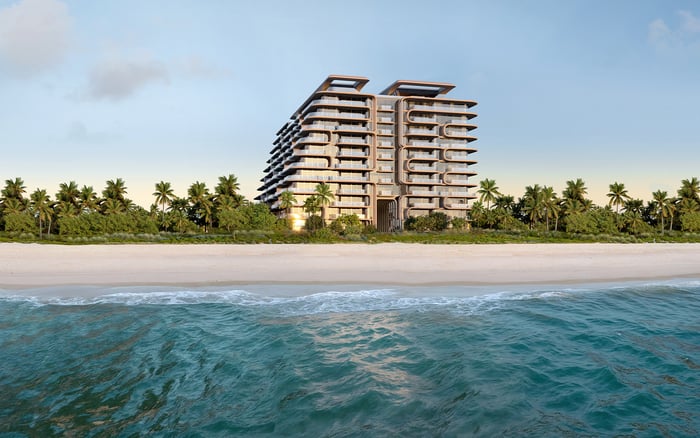
A buyer-focused editorial guide to Miami Beach branded residences, examining service culture, pricing discipline, ownership costs, and resale positioning in the ultra-luxury condominium market.
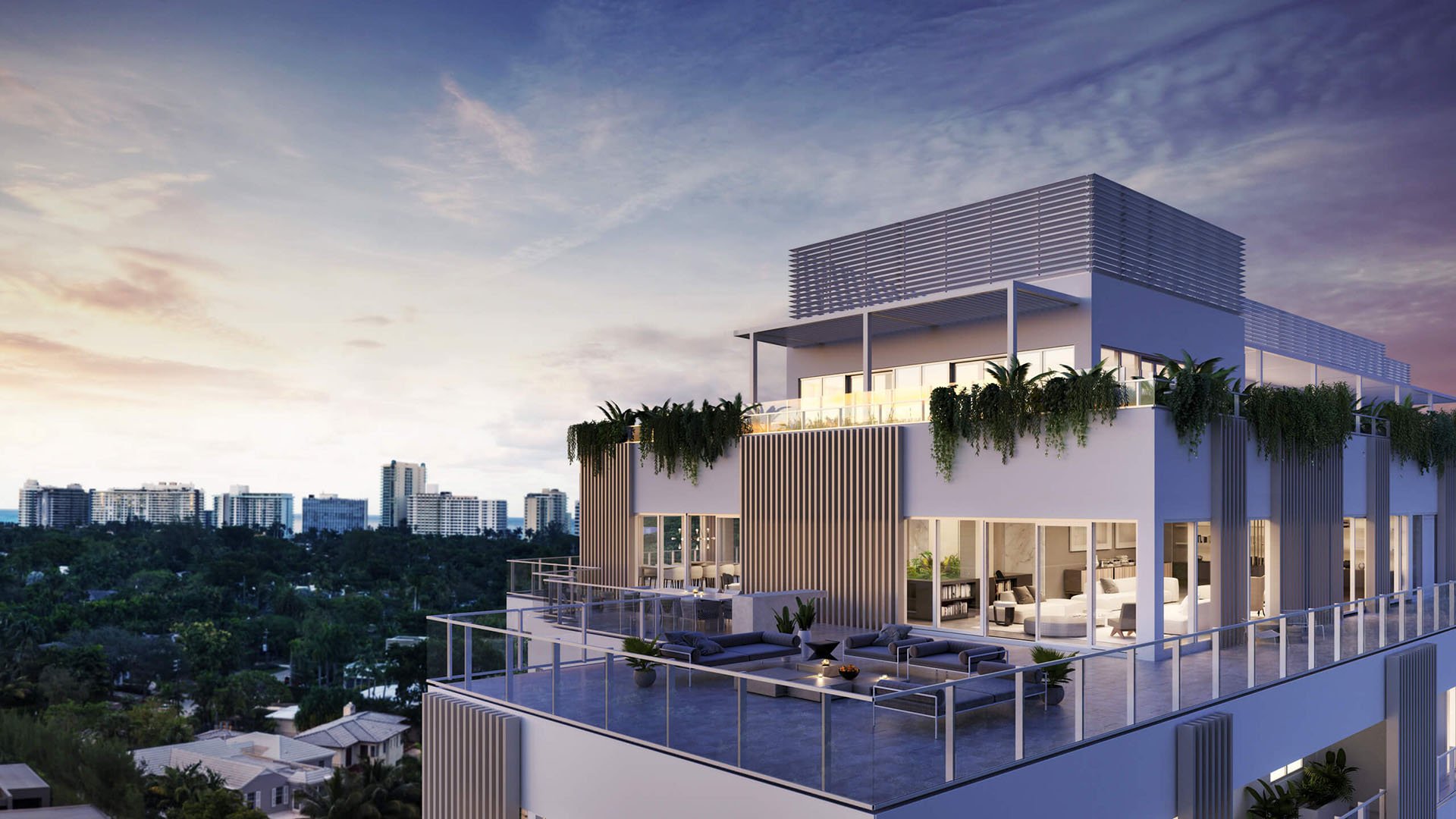
For the ultra-luxury buyer, a branded residence in Miami Beach is not simply a condominium with a recognizable name. It is a promise of atmosphere, service rhythm, aesthetic control, and daily ease. The best examples translate hospitality into private ownership without making the home feel transient. Weaker examples lean too heavily on recognition and not enough on execution.
That distinction matters because Miami Beach buyers are sophisticated. They compare oceanfront scarcity, privacy, staff culture, design integrity, building governance, and future resale depth. A brand may open the door, but the residence must still answer the practical questions of ownership: Who runs the building? How is service funded? What is included? What is optional? How will the asset compete five or ten years from now?
The Miami Beach branded-residence conversation is therefore less about logos than standards. Buyers who understand that nuance are better positioned to separate enduring value from fashionable positioning.
In a private residential setting, service should feel intuitive rather than theatrical. The most compelling branded buildings create a calm operating system around the owner: arrival, security, valet, concierge, maintenance coordination, wellness access, dining support, beach or pool service where applicable, and discreet guest handling. The objective is not excess. It is consistency.
A buyer should ask how the service culture is documented and delivered. A building can describe itself as hotel-inspired, but the ownership experience depends on staffing structure, training, management oversight, resident protocols, and budget discipline. If the service model is too thin, the brand promise becomes cosmetic. If it is overbuilt, carrying costs may feel disproportionate to actual use.
This is why projects such as The Ritz-Carlton Residences® Miami Beach attract attention from buyers who value a recognizable service vocabulary. The name signals a defined expectation, but prudent buyers still examine the residential documents, staffing philosophy, amenity access, and day-to-day operating model before assigning value.
A premium for a branded residence is best understood as a bundle. It may include architecture, interior direction, a curated amenity environment, a service platform, perceived prestige, scarcity, and confidence in the residential experience. In Miami Beach, where location and views already carry significant weight, the brand premium must work alongside the fundamentals rather than replace them.
The most durable premium is attached to a building where the brand has a reason to exist. If the hospitality identity, design language, and resident experience are coherent, buyers may perceive the property as easier to understand and easier to own. If the brand feels applied after the fact, the premium can become more vulnerable when the resale market turns selective.
Buyers should also distinguish between a launch premium and a resale premium. A launch premium can be fueled by presentation, scarcity, and early access. A resale premium must be defended by lived experience: service quality, building condition, owner satisfaction, financial management, and the ongoing desirability of the address.
New-construction branded residences can offer the appeal of fresh design, contemporary amenities, and a current service concept. They may also require patience. Delivery timelines, final finishes, operational ramp-up, and early association budgets can affect the first years of ownership. For some buyers, that tradeoff is acceptable because they want to secure a residence before the building matures. For others, a completed property with a proven resident culture may feel more comfortable.
Established buildings have a different advantage. Their reputation is not theoretical. A buyer can evaluate lobby flow, staff presence, maintenance standards, elevator performance, amenity utilization, and the feeling of arrival at different times of day. That lived-in intelligence is valuable, particularly in the branded segment, where the promise of service is central to the purchase.
In Miami Beach, a residence such as Setai Residences Miami Beach sits within a broader conversation about hospitality-influenced ownership and lifestyle identity. The analysis should not stop at name recognition. The better question is whether the owner experience remains compelling beyond the first impression.
No brand can fully compensate for an inferior position. In South Florida’s luxury market, the hierarchy of value still begins with land, view corridor, waterfront condition, neighborhood character, access, privacy, and building context. A branded residence on a weaker site may attract attention, but its long-term performance must overcome the limitations of its setting.
Miami Beach buyers often think in micro-markets. South Beach, Mid-Beach, North Beach, and neighboring enclaves each carry a distinct rhythm. Some buyers want the energy of a walkable hospitality district. Others prioritize discretion, beach proximity, and residential quiet. The right branded residence must fit the buyer’s actual life rather than an abstract idea of glamour.
That is why the comparison set often extends beyond Miami Beach. Surfside, Bal Harbour, Sunny Isles, Coconut Grove, Brickell, and Fisher Island may enter the discussion depending on the buyer’s priorities. For example, The Surf Club Four Seasons Surfside is often considered in the same mental category by buyers studying service-led coastal living, even though the neighborhood experience differs from Miami Beach.
Resale strength begins long before a property is listed. It is shaped by the purchase price, floor plan, view quality, exposure, terrace usability, ceiling height, parking, storage, assessment history, rental rules, service culture, and the financial health of the association. In branded residences, buyers must add another layer: the continued relevance of the brand itself.
A strong brand can make a listing easier to explain. It can help international buyers understand the lifestyle quickly and may reduce uncertainty around service expectations. But resale buyers are rarely persuaded by name alone. They compare the residence against competing buildings, newer launches, and private homes. They also scrutinize carrying costs and any gap between promised service and actual delivery.
The best resale candidates tend to have attributes that remain desirable regardless of market cycle: irreplaceable views, efficient layouts, privacy, strong management, elegant common areas, and a resident base that supports the building’s standards. A brand can enhance those attributes. It cannot manufacture them after the fact.
Investment in branded residences should be viewed through a conservative lens. The purchase may offer lifestyle utility, potential scarcity, and broad appeal, but it remains a real estate asset with carrying costs, governance obligations, and market exposure. Buyers should resist the temptation to treat a brand as a guarantee of appreciation.
A disciplined buyer examines total cost of ownership, including maintenance, reserves, insurance-related pressures, club or amenity fees where applicable, and any usage restrictions. Rental policy is especially important. Some branded residences are designed for private ownership with limited rental flexibility, while others may allow more frequent use by tenants. The right answer depends on the owner’s goals, but the policy should be understood before contract, not after closing.
Design-branded properties add another dimension. With Faena House Miami Beach, for instance, buyers may weigh architecture, identity, and cultural cachet alongside traditional condominium fundamentals. The investment question becomes whether the residence will remain distinctive in a market where new luxury supply continually raises expectations.
The private documents matter. Branded residences often involve licensing agreements, management structures, service standards, amenity rules, and obligations that differ from a conventional condominium. Buyers should understand what happens if a brand relationship changes, how service levels are funded, and who has authority over residential operations.
Carrying costs should be evaluated in relation to usage. A buyer who will live in residence for much of the year may place high value on daily service. A seasonal owner may value lock-and-leave convenience, security, and staff continuity. A pure investor may prioritize flexibility and liquidity. The same building can be appropriate for one profile and inefficient for another.
This is also where legal and financial review becomes essential. Ultra-luxury buyers often focus on finishes and views, but the most consequential details can sit within budgets, rules, reserves, and governance language. The branded segment rewards careful reading.
A practical comparison should begin with three questions. First, would the residence be desirable without the brand? Second, does the brand materially improve the owner experience? Third, is the premium defensible in a future resale environment?
From there, buyers can compare service depth, privacy, amenity relevance, design longevity, operational maturity, and neighborhood fit. The right property should feel aligned, not merely impressive. It should support the way the owner actually lives, whether that means quiet seasonal use, full-time coastal living, entertaining, wellness, collecting, boating access nearby, or proximity to dining and culture.
Miami Beach will continue to attract branded residential concepts because the audience is global, design-conscious, and service-oriented. Still, the most refined buyers know that luxury is not louder when it is branded. It is better when it is consistent.
What is a branded residence in Miami Beach? It is a private residence associated with a hospitality, design, lifestyle, or luxury brand, typically offering a defined service and amenity environment.
Do branded residences always command a premium? They often seek one, but the premium is strongest when location, service, design, and governance support the brand promise.
Is service quality more important than the brand name? Yes. The name may create expectations, but daily staffing, management, and resident experience determine long-term satisfaction.
Are branded residences better for resale? They can be easier to position, but resale depends on view, layout, building condition, costs, and buyer demand at the time of sale.
Should buyers prefer completed buildings or pre-construction offerings? Completed buildings allow buyers to evaluate real operations, while pre-construction may offer earlier selection and newer design concepts.
Do branded residences have higher carrying costs? They can, especially when service levels and amenities are extensive, so buyers should review budgets and fee structures carefully.
Can a brand relationship change after purchase? It may be possible depending on the governing documents, licensing structure, and management agreements, which should be reviewed before closing.
Are rental rules different in branded residences? They vary by building. Some prioritize private residential use, while others may allow more flexible rental arrangements.
How should a buyer compare Miami Beach with Surfside? Miami Beach may offer a broader hospitality and cultural setting, while Surfside can feel more residential and discreet depending on the address.
What is the most important due diligence step? Confirm that the service model, costs, governance, and residence quality justify the premium beyond the brand name.
For a confidential assessment and a building-by-building shortlist, connect with MILLION.
If branded residences are on your mind — as a home or as an allocation — we would be glad to share what we are seeing, privately.
Begin a quiet conversation