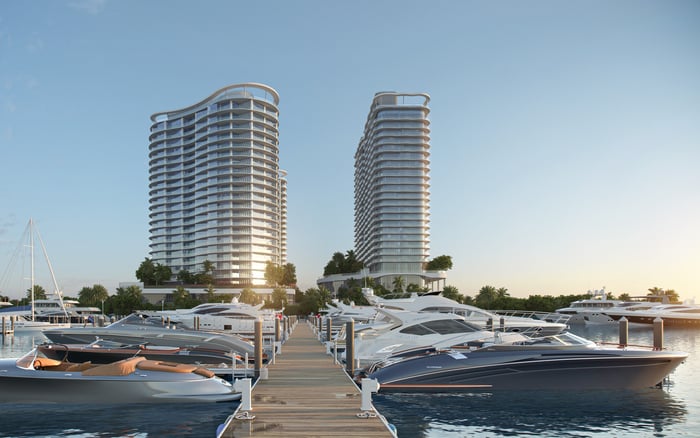
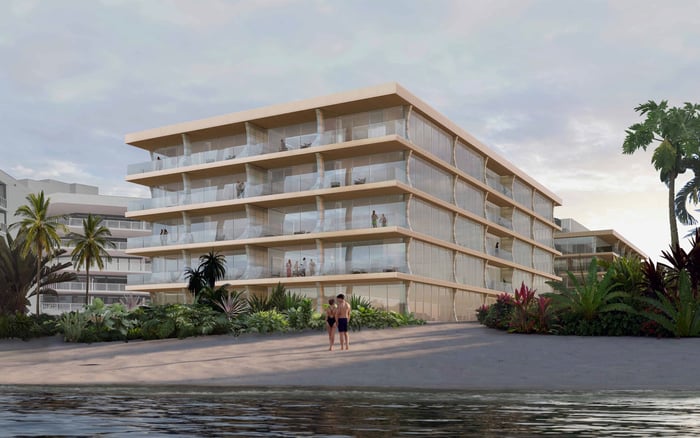
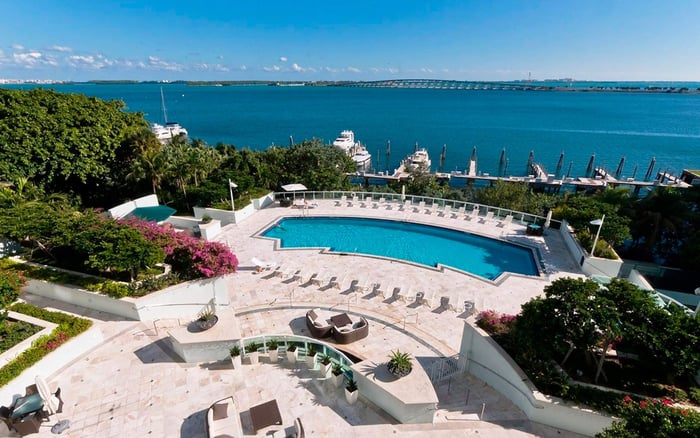
Fort Lauderdale is increasingly compelling for luxury condo buyers who want waterfront living, design pedigree, privacy, and daily ease without treating Miami prestige as the only measure of value.
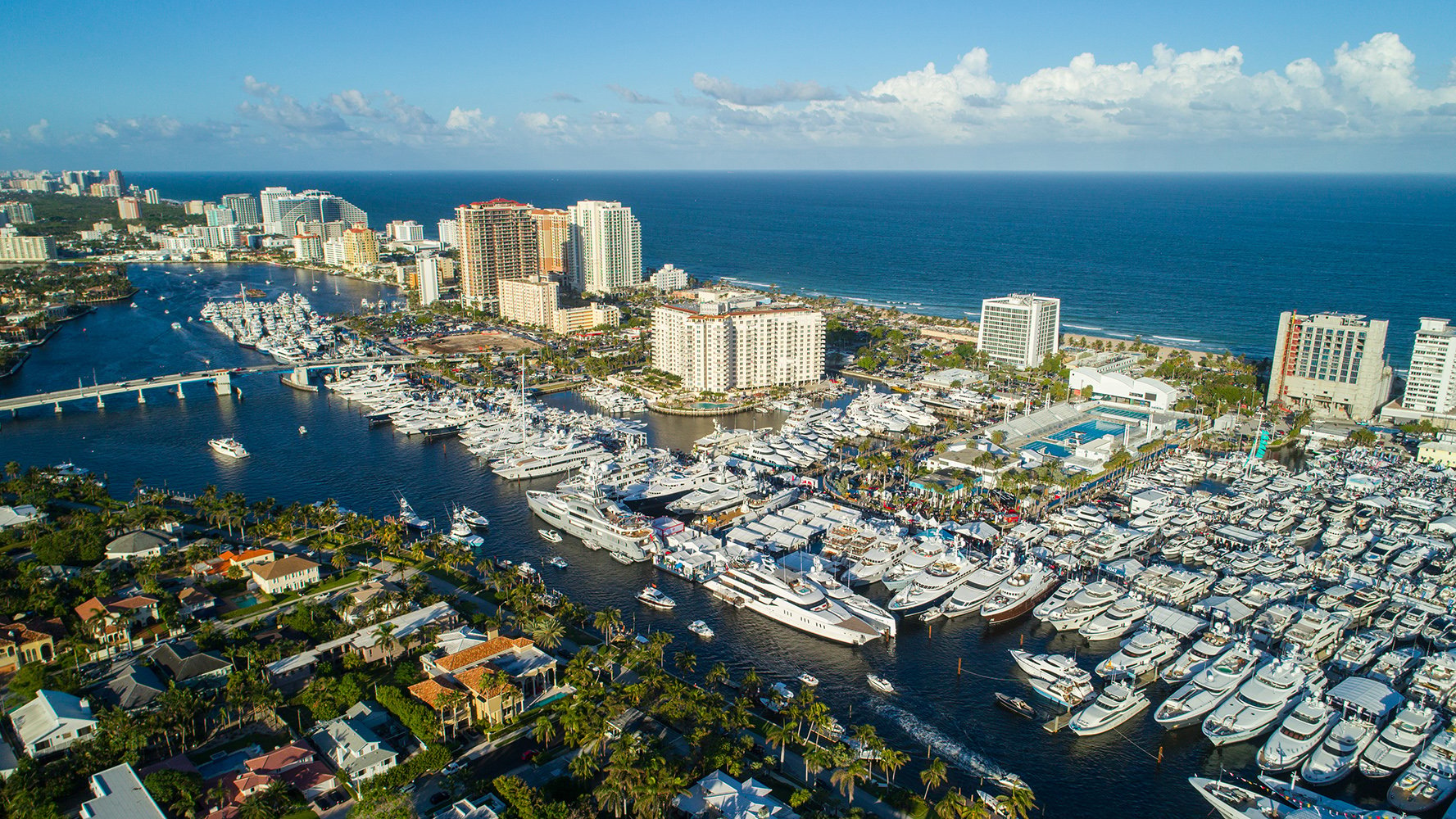
For years, the South Florida luxury buyer began with Miami and treated Fort Lauderdale as the practical alternative. That hierarchy is changing. Not because Miami has lost its magnetism, but because value itself has become more sophisticated. For buyers comparing Fort Lauderdale luxury condos with Miami, the conversation is no longer only about address prestige. It is about privacy, waterfront access, architectural quality, ease of ownership, and how often the residence will actually be used.
Miami remains the more globally recognized stage, with Brickell, Miami Beach, Coconut Grove, Surfside, and Fisher Island carrying unmistakable weight in the luxury imagination. Fort Lauderdale, by contrast, presents a quieter proposition: serious waterfront living, a strong yachting culture, a more relaxed civic tempo, and a growing class of residences designed for buyers who do not need the loudest room in South Florida.
That is where the value proposition can win. Not by imitating Miami, but by offering a different kind of luxury.
The comparison is often framed as price versus prestige, but that is too narrow. A buyer considering a Miami condominium may be purchasing proximity to international culture, restaurants, private clubs, finance, beaches, and a social ecosystem that is always on. A buyer considering Fort Lauderdale may be prioritizing waterfront calm, boating logistics, airport convenience, and a residence that feels easier to inhabit.
This is especially relevant for second-home owners. If the plan is to arrive frequently, host family comfortably, and move between the beach, marina, dining, and aviation with minimal friction, Fort Lauderdale can feel remarkably efficient. If the goal is a globally legible trophy asset with maximum name recognition, Miami often carries the stronger signal.
Neither answer is universally superior. The better market is the one that aligns with the owner’s actual life.
Fort Lauderdale’s appeal begins with water. The city’s identity is inseparable from canals, marinas, beach corridors, and boating culture. For buyers who use the water, not just admire it from a balcony, that matters. A marina lifestyle can shift the value equation because convenience becomes part of the asset.
Projects such as Andare Residences Fort Lauderdale speak to the city’s more design-forward direction, while Four Seasons Hotel & Private Residences Fort Lauderdale reflects the continued demand for branded residential living along the coast. The names are important, but the larger point matters more: Fort Lauderdale is no longer simply a market of older beachfront towers and practical waterfront addresses. It is competing for discerning buyers who care about service, architecture, and daily experience.
The Fort Lauderdale buyer is often less interested in spectacle and more interested in proportion. The question becomes: can the residence deliver privacy, views, service, outdoor space, and water access without the density and pace that define many parts of Miami? For some, the answer is yes.
Miami’s advantage is cultural gravity. Brickell offers a dense, vertical luxury environment tied to business, dining, and skyline living. Miami Beach offers the emotional pull of sand, architecture, hotels, and international social life. The city’s trophy addresses have a language that travels easily across continents.
That matters for buyers who think in terms of long-term recognition, global liquidity, and prestige. A residence at The Residences at 1428 Brickell sits inside a different context than a quieter Broward waterfront purchase. It is part of a financial and cultural district where visibility is itself a form of value. Similarly, The Perigon Miami Beach belongs to a coastal narrative that many global buyers immediately understand.
Miami’s strength, then, is not just amenities or views. It is the confidence of recognition. For certain buyers, that recognition is worth the premium in attention, congestion, and competition.
Fort Lauderdale begins to win when the buyer’s priorities are personal rather than performative. If the residence will be used often, if boating is central, if privacy is prized, or if the owner wants a polished coastal life without Miami’s intensity, Fort Lauderdale may deliver a more satisfying ownership experience.
The value is not only financial. It can be spatial, emotional, and operational. A calmer arrival. A more manageable neighborhood rhythm. A coastal setting that feels refined without demanding constant participation in a scene. For many affluent buyers, those details are not secondary. They are the point.
New construction also plays a role. Buyers evaluating newer residences want contemporary floor plans, wellness-oriented amenities, elevated service, and better integration between indoor and outdoor living. Fort Lauderdale’s newer luxury inventory gives buyers another way to access those preferences while staying connected to South Florida’s broader coastal lifestyle.
Oceanfront living is seductive in both markets, but it behaves differently. In Miami, an oceanfront condominium can mean immediate access to a globally known beach lifestyle, with restaurants, clubs, hotels, and cultural energy nearby. In Fort Lauderdale, the oceanfront proposition can feel more residential, more measured, and often more directly connected to boating and beach routines.
That distinction matters for families, seasonal residents, and buyers who entertain selectively. Fort Lauderdale can feel like a private base. Miami can feel like a global stage. Both are desirable, but they serve different temperaments.
A buyer who wants morning beach walks, water views, a secure building, and quieter evenings may find Fort Lauderdale more aligned. A buyer who wants the electric mix of hospitality, art, fashion, business, and nightlife may find Miami indispensable.
Investment is always part of the conversation, but in this tier of the market, it should not be treated as a spreadsheet alone. Luxury condos are highly specific assets. Building quality, view corridor, service culture, floor plan, parking, outdoor space, brand, and neighborhood trajectory all matter.
Fort Lauderdale may appeal to buyers seeking a more balanced entry into premier coastal ownership, while Miami may appeal to those seeking maximum global visibility. The best decision begins with use case: primary residence, seasonal home, family base, boating platform, lock-and-leave pied-à-terre, or long-term hold.
For some, a Miami address will justify itself through prestige and access. For others, a Fort Lauderdale residence such as St. Regis® Residences Bahia Mar Fort Lauderdale may better reflect how they actually want to live.
The Fort Lauderdale buyer is often confident enough not to outsource taste to market noise. This buyer may already know Miami well. They may enjoy Miami for dinners, events, and occasional weekends, but prefer to wake up somewhere quieter. They may want proximity without immersion.
That is the core distinction. Fort Lauderdale is not a substitute for Miami. It is an alternative center of gravity. Its luxury promise is less about being seen and more about living well, particularly for owners who value the water, privacy, and a more composed daily rhythm.
For those buyers, the value proposition does not merely compete. It wins.
Is Fort Lauderdale a true luxury condo market? Yes. Fort Lauderdale has a mature waterfront identity and a growing selection of upscale residences for buyers who want coastal living with a quieter pace.
Is Miami still more prestigious than Fort Lauderdale? Miami generally carries broader global recognition, especially in areas such as Brickell and Miami Beach, but prestige is only one measure of value.
Who should choose Fort Lauderdale over Miami? Buyers who prioritize boating, privacy, easier daily movement, and a calmer coastal rhythm may find Fort Lauderdale more compelling.
Who should still choose Miami? Buyers seeking global visibility, dense urban energy, major hospitality, and a more internationally recognized address may prefer Miami.
Is Fort Lauderdale mainly for boaters? No, but boating culture is a major part of its appeal and can be a meaningful advantage for waterfront-oriented buyers.
Does Brickell compete directly with Fort Lauderdale? Not exactly. Brickell is an urban skyline market, while Fort Lauderdale often offers a more residential waterfront lifestyle.
Are branded residences important in this comparison? They can be. Branded residences may offer service consistency, design identity, and name recognition that appeal to luxury buyers in both markets.
Is oceanfront living better in Miami or Fort Lauderdale? It depends on temperament. Miami offers more intensity and global cachet, while Fort Lauderdale can offer a quieter coastal experience.
Should investment buyers consider both markets? Yes. The right choice depends on building quality, location, use case, ownership horizon, and how the residence will actually be used.
Can Fort Lauderdale and Miami serve the same owner? Yes. Some buyers use Miami for culture and business while choosing Fort Lauderdale as the more private home base.
For a discreet conversation and a curated building-by-building shortlist, connect with MILLION.
If branded residences are on your mind — as a home or as an allocation — we would be glad to share what we are seeing, privately.
Begin a quiet conversation