A discreet estate-planning guide for Mexico City buyers considering Bal Harbour residency, with emphasis on domicile, ownership structure, liquidity, and family governance.
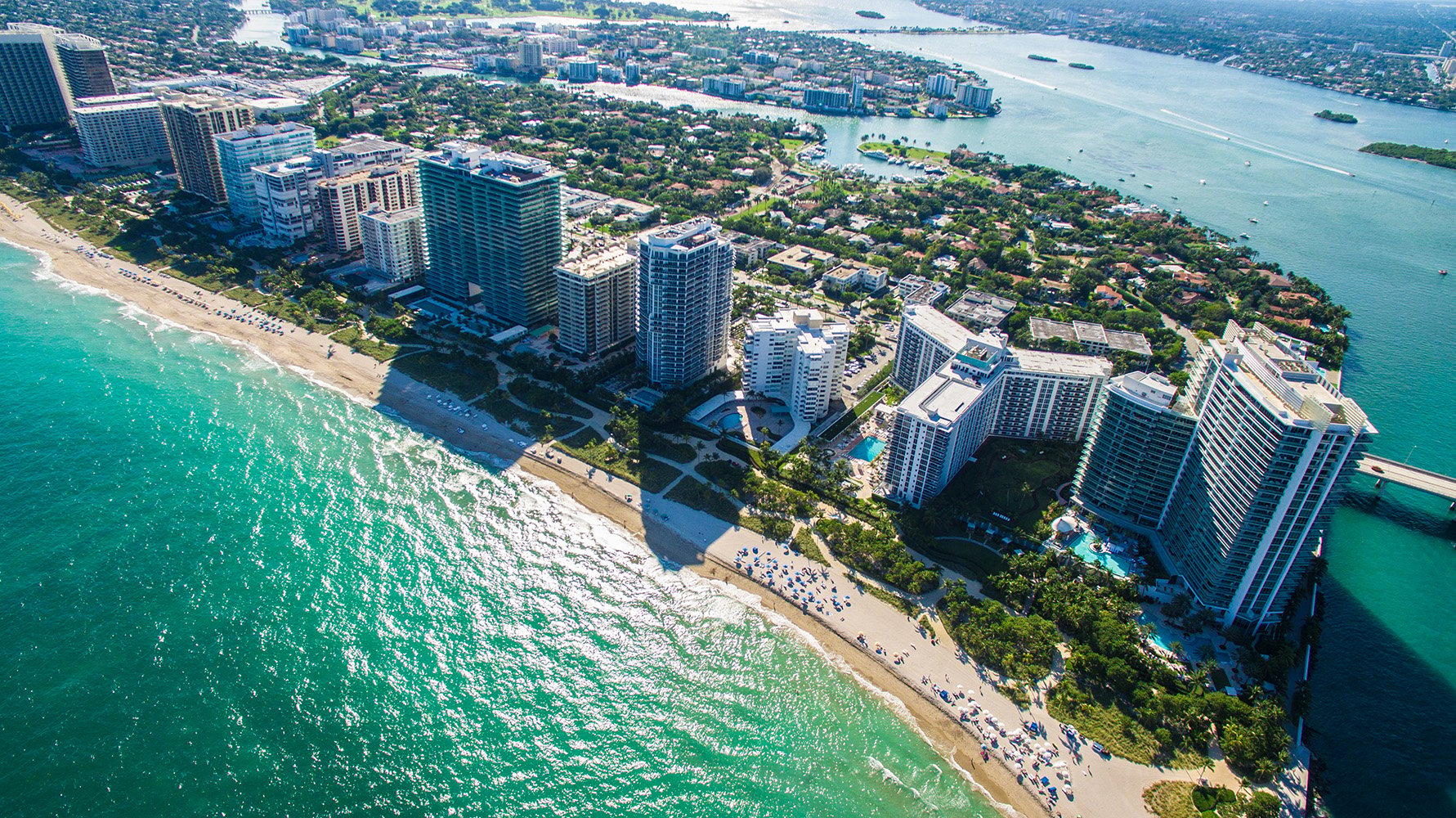
For Mexico City families, a move into Bal Harbour is rarely just a change of address. It is often a reordering of family logistics, asset location, governance, privacy, and long-range succession. The residence may begin as a seasonal base near the ocean, then become the physical center of a family’s U.S. life. That progression is precisely why estate planning should begin before the contract is signed, not after the closing dinner.
Bal Harbour appeals to buyers who value discretion, walkability, luxury retail, and a quieter rhythm than larger resort corridors. Yet the more refined the purchase, the more important the planning. A residence at Rivage Bal Harbour, for example, may be selected for design, privacy, and waterfront access, but the ownership decision behind it should align with legal, tax, inheritance, and family objectives from the start.
Sophisticated buyer guidance recognizes that the property is only one component of a broader residency architecture. The essential question is not simply, “Where should we buy?” It is, “How should this home fit into the family’s balance sheet, estate plan, and future decision-making?”
Florida residency is a planning posture that should be documented with consistency. A buyer may love the finishes, views, and services, but advisors will usually want to understand the buyer’s pattern of life: where the family intends to spend meaningful time, where important records are maintained, where professional and financial relationships are organized, and how the move is reflected across personal affairs.
For a Mexico City buyer, this can be especially nuanced. The family may retain operating businesses, homes, art, collections, philanthropic commitments, or family offices outside Florida. That does not make residency impossible, but it does make consistency important. Contradictory documents and casual habits can create confusion later, particularly if an estate is challenged, heirs disagree, or assets sit across multiple jurisdictions.
The practical approach is to build a residency file before the move becomes complex. Counsel can help identify which documents should be updated, which should remain unchanged, and which decisions should wait until the buyer’s pattern of life is clearer. This is not a cosmetic exercise. It is the foundation for whether the Bal Harbour residence is treated as a true center of life or merely a prestigious second home.
The most elegant residence can become complicated if the title structure is chosen too quickly. Buyers often ask whether a home should be held individually, through a trust, through a company, or through another planning vehicle. There is no universal answer. The correct structure depends on privacy goals, succession, creditor considerations, financing, family dynamics, tax coordination, and how the residence will be used.
Before selecting an ownership structure, buyers should ask who will use the property, who will pay carrying costs, who will inherit or control it, and what happens if a principal becomes incapacitated. If adult children live in different countries, if a spouse has separate assets, or if a family enterprise funds lifestyle expenses, the structure should anticipate those realities.
In Bal Harbour, a completed residence at Oceana Bal Harbour may serve one family as a primary home and another as a seasonal residence with multigenerational use. Those two families may need very different planning. The asset may look similar from the beach, but the legal architecture behind it should be tailored.
Cross-border planning is not a matter of translating a will. It requires coordination. A Mexico City family may have existing wills, corporate documents, marital agreements, trusts, foundations, powers of attorney, insurance arrangements, and beneficiary designations. Some may work well with a Florida plan. Others may conflict with it.
The goal is not to create more documents than necessary. It is to create a coherent map. Each instrument should have a role, and the family should understand which assets it governs. A Florida residence, U.S. bank accounts, Mexican real estate, business interests, and art may not belong under the same instrument or be administered in the same way. Precision matters because heirs often discover planning gaps at the least convenient moment.
Privacy should also be discussed early. Some buyers are comfortable with visible ownership. Others prefer a structure that limits unnecessary exposure while remaining compliant and administratively practical. The more prominent the family, the more important it is to balance confidentiality with simplicity. Overly elaborate structures can become difficult to maintain, especially when multiple generations are involved.
Luxury real estate is an emotional asset, but estates need liquidity. Carrying costs, maintenance, assessments, staffing, insurance, taxes, and transition expenses can place pressure on heirs if no liquidity plan exists. The issue is not whether the family can afford the home today. It is whether the next generation can manage, keep, refinance, or sell it without conflict.
A good plan clarifies who has authority. If parents intend for children to share a Bal Harbour or Surfside residence, the documents should address usage, expenses, buyouts, sale procedures, and dispute resolution. Without governance, a beloved oceanfront home can become a source of tension.
Nearby Surfside illustrates the point. A residence such as The Delmore Surfside may be chosen for scale, serenity, and design pedigree, while Fendi Château Residences Surfside may appeal to families who prize boutique waterfront living. In either case, the estate plan should answer a simple but profound question: what should happen to this home when the person who chose it is no longer the person managing it?
Family meetings can help. They need not disclose every financial detail, but they should establish expectations. Is the Florida residence meant to remain in the family? Is it a lifestyle asset to be sold if circumstances change? Who decides? Who pays? The most elegant answer is the one everyone can administer.
Before closing, assemble the advisory team: Florida real estate counsel, estate counsel, tax advisors, Mexican counsel, insurance professionals, and, where relevant, a family office representative. They should communicate before documents are finalized. Fragmented advice can be costly.
Review the purchase contract, title plan, financing documents, and intended ownership vehicle together. Confirm whether existing estate documents remain consistent with the new acquisition. Revisit powers of attorney, health-care decision documents, beneficiary designations, and insurance coverage. If the family uses entities, understand who controls them and what happens upon incapacity or death.
Also plan for records. Keep closing documents, governance materials, professional contacts, and key instructions in a place known to trusted advisors or family members. A polished estate plan that no one can locate is not a polished estate plan at all.
Finally, remember that luxury should feel effortless to the family, not to the advisors. The administrative work belongs behind the scenes. The reward is the ability to enjoy Bal Harbour with confidence, knowing the residence has been integrated into a larger architecture of continuity.
Should Mexico City buyers complete estate planning before buying in Bal Harbour? Ideally, the planning conversation should begin before contract execution, so ownership structure and closing documents align with the family’s goals.
Is Florida residency only about buying a home? No. Residency should be reflected consistently across documents, behavior, records, and long-term intent.
Should the property be owned personally or through an entity? That depends on privacy, financing, succession, tax coordination, and family governance, so counsel should evaluate the structure before closing.
Do Mexican estate documents automatically control a Florida residence? Not necessarily. Cross-border counsel should review how each document interacts with assets in different jurisdictions.
Why is liquidity important in estate planning for luxury real estate? Heirs may need funds for carrying costs, transition expenses, or a sale process, even when the underlying asset is valuable.
Can a Bal Harbour residence remain a family legacy asset? Yes, but the plan should address use, expenses, control, buyouts, and what happens if heirs disagree.
Should adult children be included in planning discussions? Often, yes. Limited but clear communication can reduce confusion and preserve family harmony.
Does privacy matter when choosing an ownership structure? Yes. Prominent families often seek discretion, but the structure must remain practical, compliant, and easy to administer.
How often should the plan be reviewed? A review is prudent after major life events, changes in residency, significant acquisitions, or shifts in family governance.
Is this a substitute for legal or tax advice? No. Cross-border residency and estate planning require individualized advice from qualified professionals.
For a confidential assessment and a building-by-building shortlist, connect with MILLION.
If branded residences are on your mind — as a home or as an allocation — we would be glad to share what we are seeing, privately.
Begin a quiet conversation