A discreet buyer’s guide to financing contingency limits in Aventura luxury real estate, with practical questions for contracts, appraisals, underwriting, deposits, timelines, and new development purchases.

In Aventura, luxury real estate is often evaluated through lifestyle first: waterfront outlooks, privacy, service, marina access, proximity to Sunny Isles Beach, and the ease of moving between Miami and Broward. Yet the most consequential negotiation may be quieter. Before a buyer becomes captivated by a residence, the financing contingency should be read with the same discipline as the floor plan.
A financing contingency is not a decorative contract clause. It defines when a buyer may rely on financing-related issues to cancel, extend, renegotiate, or risk losing a deposit. In the luxury tier, where asset structures can be complex and purchase decisions may involve liquidity events, portfolio lending, international funds, or trust entities, the limits of that clause can shape the entire acquisition.
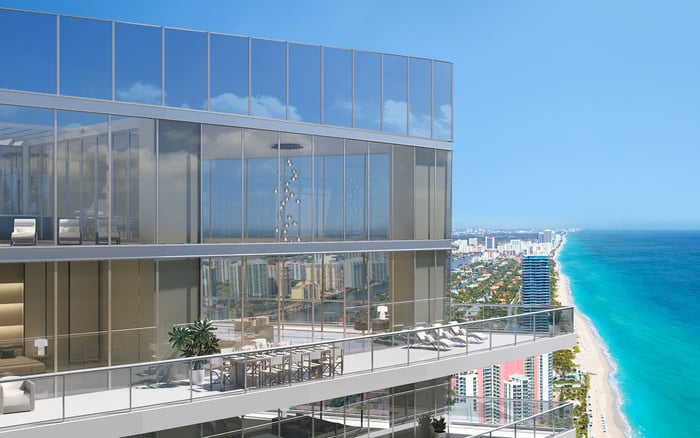
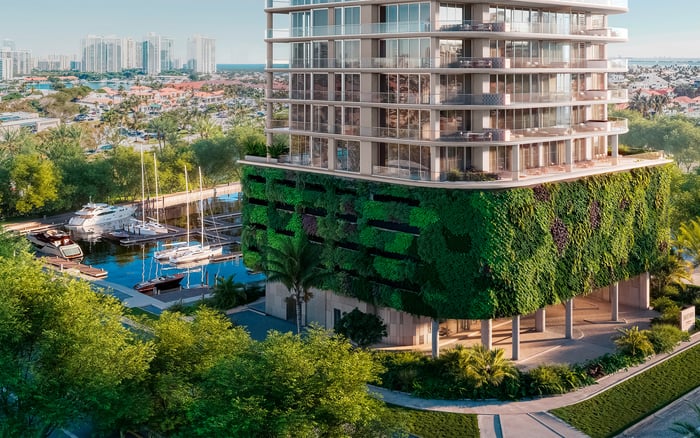
The right question is not simply, “Is there a financing contingency?” The more precise question is, “What exactly does this contingency protect, for how long, and under which conditions?” That distinction is especially important when considering an Aventura residence such as Avenia Aventura, where buyers may compare contract terms, closing expectations, and financing strategy alongside design and location.
The first question should be direct: does the contingency protect the buyer only if a loan is denied, or does it also address appraisal, documentation, rate, insurance, project approval, or lender conditions? A clause that sounds broad in conversation may be narrow in writing.
Luxury buyers should ask whether the contingency is tied to a specific loan amount, loan type, interest rate, lender approval, or written commitment. If the contract requires the buyer to apply for financing within a short period, the buyer should understand what evidence is required and when it must be delivered. A preapproval letter may strengthen a negotiation, but the contract language determines the buyer’s actual rights.
The practical concern is timing. A buyer can be financially strong and still face underwriting delays if the lender requests additional entity documents, reserve verification, condominium information, or updated financial statements. The contract should be reviewed for what happens if those requests arrive late in the contingency window.
In the upper market, an appraisal can be a distinct issue from loan approval. A lender may approve the borrower but value the property below the contract price. If the financing contingency does not clearly address appraisal, the buyer may still be expected to proceed, increase equity, or negotiate without a guaranteed exit.
Ask whether the contract allows cancellation if the appraisal does not support the required loan terms. Also ask who controls the appraisal process, whether a second appraisal is possible, and whether the buyer must provide notice within a specific number of days. The more distinctive the residence, the more carefully this language should be understood.
For buyers comparing Aventura to nearby waterfront towers in Sunny Isles Beach, the appraisal conversation should be part of the early financing plan, not a late surprise. Residences such as Bentley Residences Sunny Isles may attract buyers who think in terms of architecture, branding, and long-term collectability, but lender valuation still follows its own discipline.
The deposit question deserves absolute clarity. If financing is not approved within the contingency period, what must the buyer do to preserve the deposit? Is written notice enough, or must the buyer provide a lender denial letter? Does the denial need to state a reason? Must the buyer have used a named lender or made a good-faith application by a specific date?
Luxury buyers sometimes assume that a financing issue automatically restores their deposit. That assumption can be expensive. The contract may require precise notice, strict timing, and documentation. If a deadline is missed, the financing contingency may expire even if the loan remains unresolved.
Ask your attorney to walk through the exact sequence: application, lender response, contingency deadline, notice requirement, deposit release, and any seller response period. The goal is not to create conflict. The goal is to eliminate ambiguity before capital is at risk.
Some agreements allow a seller to continue marketing a property while a financing contingency remains open. Others may restrict that activity. A buyer should ask whether the property can be shown, whether backup offers can be accepted, and whether the seller has any right to demand that the buyer waive the contingency or respond within a shortened period.
This matters in competitive luxury corridors where cash buyers may remain active. A financed buyer can be highly qualified, but if the contract gives the seller leverage during the contingency period, the buyer should understand that leverage before signing.
A discreet strategy is often to tighten the buyer’s own preparation before the offer. That may include underwriting discussions, proof of funds for down payment and reserves, entity documentation, and early review of condominium or association materials where applicable.
Pre-construction and new-construction purchases can treat financing contingencies differently from resale transactions. Some developer contracts may be more limited, less negotiable, or structured around deposit schedules rather than a single closing event. The buyer should ask whether financing protection exists at all, when it expires, and whether it applies to the final closing after earlier deposits have already been made.
This is where the luxury buyer’s team matters. The advisor, attorney, and lender should review the purchase structure together. If deposits are staged, ask whether each deposit remains at risk if financing is unavailable later. If construction or delivery timing changes, ask whether the financing language adapts or remains fixed.
For buyers considering branded or amenitized coastal residences outside Aventura, projects such as The Ritz-Carlton Residences® Sunny Isles illustrate why contract review should move in parallel with lifestyle evaluation. The more compelling the residence, the more disciplined the buyer should be about the obligations attached to it.
Many luxury buyers are not W-2 borrowers with simple income statements. They may hold concentrated equity, private company interests, investment real estate, international assets, or trust distributions. That does not make financing impossible, but it can make underwriting more document-intensive.
Ask whether the contingency gives enough time for your specific profile. A lender may need tax returns, liquidity schedules, business financials, asset statements, entity documents, gift letters, or trust materials. If any of those items require coordination with advisors, the contingency period should be realistic.
Also ask whether the contract requires pursuit of a particular type of financing. If the buyer intends to use private banking, asset-based lending, or another bespoke structure, the language should not accidentally force the buyer into a product that does not match the plan.
For condominium purchases, lender comfort may depend not only on the buyer but also on the building, association, budget, insurance, reserves, litigation status, rental policy, and other project-level considerations. A buyer should ask whether the financing contingency accounts for project approval concerns, or whether it only speaks to the borrower’s approval.
This question is particularly relevant when comparing established buildings, boutique offerings, and new development across Aventura, Bal Harbour, and Sunny Isles Beach. A residence may be aesthetically ideal, yet lender review can turn on administrative documents outside the buyer’s control.
If a buyer is exploring waterfront and service-rich properties such as St. Regis® Residences Sunny Isles, early lender review of project considerations can help prevent a late-stage mismatch between desire and financeability.
In a competitive negotiation, a buyer may be asked to shorten, narrow, or waive a financing contingency. That decision should be deliberate. The question is not whether the buyer can close in ideal circumstances. The question is whether the buyer is prepared to close if the lender changes terms, the appraisal is lower than expected, the project review takes longer, or documentation becomes burdensome.
A waiver can make an offer stronger, but it can also transfer meaningful risk to the buyer. Before waiving, ask whether cash reserves are available to close without the expected loan. Ask whether a portfolio line or alternate lender is ready. Ask whether the deposit amount is an acceptable risk if financing fails after the contingency is gone.
Sequence matters. First decide the risk you can absorb, then decide how competitive the offer should be. Sophistication is not aggressiveness. Sophistication is knowing precisely which risk has been priced into the decision.
What is a financing contingency in a luxury purchase? It is contract language that may allow a buyer to cancel or preserve certain rights if financing is not obtained under specified terms.
Is a preapproval the same as a financing contingency? No. A preapproval supports buyer credibility, while the contingency defines contractual rights and deadlines.
Should an Aventura buyer ask about appraisal protection? Yes. Appraisal protection may be separate from loan approval and should be clearly addressed in the contract.
Can a strong buyer still need a financing contingency? Yes. Complex assets, entity structures, or lender review can create timing and documentation issues even for well-qualified buyers.
Are pre-construction contracts usually more flexible? Not necessarily. Buyers should review whether financing protection exists, when it expires, and how deposits are treated.
What is the biggest deposit risk? Missing a notice deadline or failing to meet contract requirements can weaken or eliminate financing protection.
Can a seller keep accepting backup offers? That depends on the contract. Buyers should ask whether the seller can continue marketing during the contingency period.
Does building approval affect a condo loan? It can. Lenders may review association, insurance, budget, and project-level information before approving financing.
When should the lender review begin? Before the offer when possible. Early review helps align loan structure, deadlines, and contract obligations.
What is the best way to shortlist comparable options for touring? Start with location fit, delivery status, and daily lifestyle priorities, then compare stacks and elevations to validate views and privacy.
For a discreet conversation and a curated building-by-building shortlist, connect with MILLION.
If branded residences are on your mind — as a home or as an allocation — we would be glad to share what we are seeing, privately.
Begin a quiet conversation