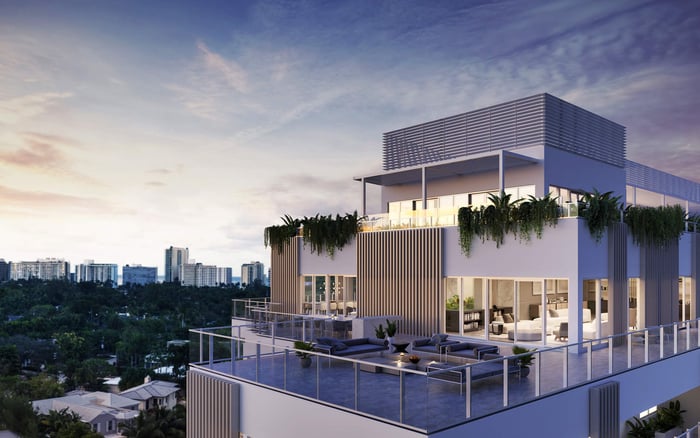
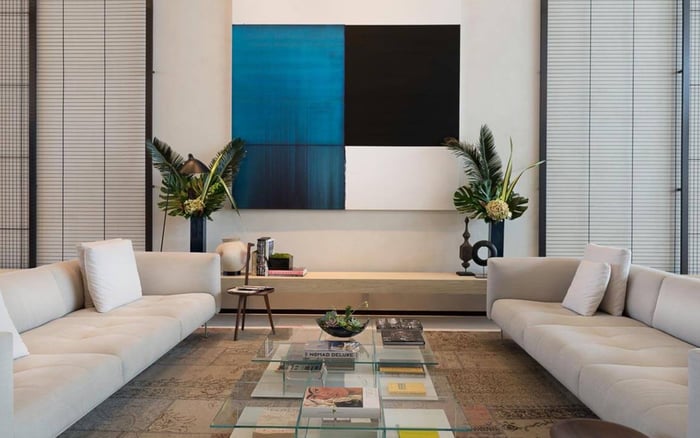
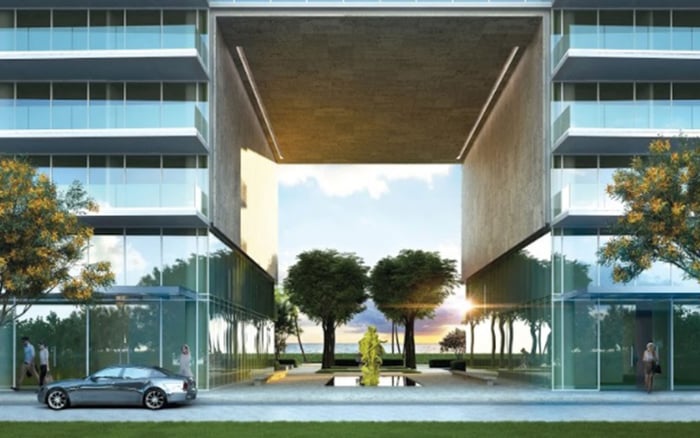
A practical luxury buyer’s guide to judging oceanfront calm in Bal Harbour, from arrival patterns and beach access to building culture, privacy, and long-term livability.
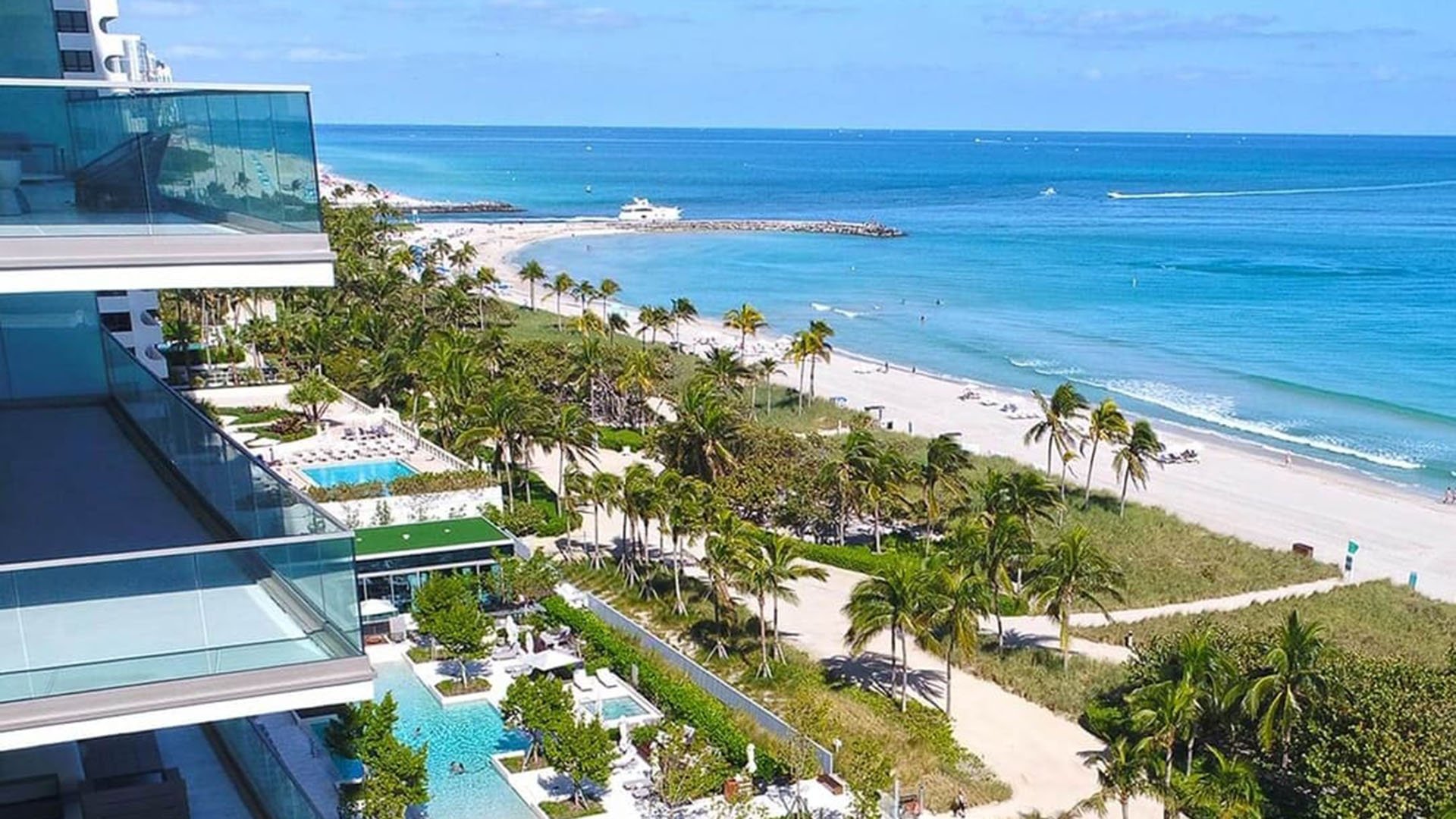
In Bal Harbour, oceanfront calm is a luxury attribute in its own right. It is not defined solely by the view, the sand, or the name on the address. For buyers seeking privacy without hotel traffic, the more important question is how a building behaves from morning to night: who arrives, where vehicles pause, how beach access is managed, and whether the atmosphere remains residential when the neighborhood is at its busiest.
The strongest purchases begin with a simple distinction. Oceanfront does not automatically mean serene. A tower can face the Atlantic and still feel animated at the curb, in the lobby, or along the path to the beach. Conversely, a residence with disciplined access, thoughtful staffing, and a resident-first culture can feel composed even in a prominent setting. That is the quiet premium buyers should evaluate before committing.
In this context, Rivage Bal Harbour and Oceana Bal Harbour are useful reference points because they sit within the Bal Harbour conversation rather than outside it. The buyer’s task is not to chase a label, but to understand how each residence frames privacy, service, and daily movement.
The first test of calm begins before the front door. Buyers should study the path from the street to the lobby, including valet positioning, guest drop-off, service access, and the way residents enter during peak hours. If the approach feels crowded during a showing, it may feel more pronounced after closing.
Pay attention to whether the arrival experience is intuitive or performative. A calm residential building should not require residents to navigate around transient foot traffic, idling cars, or overlapping service functions. The best curb experience feels controlled without appearing defensive. Staff should know where guests belong, where deliveries move, and how to protect the resident experience without friction.
Visit more than once. A weekday morning, a weekend afternoon, and an early evening can reveal different rhythms. The goal is not silence, which is unrealistic on prized shoreline, but composure. The building should maintain its identity as activity increases.
Beach access is one of the great privileges of Bal Harbour, but it should be evaluated with precision. A private-feeling path to the sand can be undermined if the route is visually exposed, shared in a way that feels busy, or positioned too close to areas where nonresidential activity collects.
Ask how residents move from pool deck to beach and back again. Is the route discreet? Does it cross areas that feel ceremonial rather than practical? Are beach attendants, storage areas, and return paths arranged so residents can use the ocean casually, not as a production?
For oceanfront buyers, the most satisfying experience is often the one that makes the beach feel immediate but not public in spirit. Calm is created by transitions: from residence to elevator, elevator to garden or pool, pool to sand. Each threshold either preserves privacy or dilutes it.
Amenity lists can make many buildings sound similar. Calm, however, is cultural. It depends on the resident mix, guest expectations, house rules, rental policies, event tendencies, and how consistently management enforces the tone of the property.
Buyers should ask direct, practical questions. How are guests registered? How are contractors handled? Where do deliveries wait? How does the building manage high-demand days? Are common areas designed for resident use, or do they feel like settings for constant hosting?
This is especially important for buyers who want the ocean without a resort atmosphere. A hotel-style environment is not inherently undesirable, but it serves a different lifestyle. In Bal Harbour, many purchasers are paying for the discretion of a private home with condominium services, not for a lobby that feels like a destination.
Nearby Surfside can also help frame the comparison. A buyer considering The Delmore Surfside or Fendi Château Residences Surfside may see how neighboring residential offerings express privacy differently, then return to Bal Harbour with sharper questions.
Calm should be evaluated from the actual home, not only from the lobby or sales gallery. Stand in the primary bedroom, the main living area, and the terrace. Listen for traffic, mechanical sound, hallway movement, service doors, elevator proximity, pool noise, and beach activity.
The terrace deserves particular scrutiny. A waterfront residence may offer a spectacular view, yet the quality of daily life depends on whether the outdoor space supports reading, conversation, and quiet meals. Wind, pool placement, neighboring terraces, and the acoustic effect of hard surfaces can all influence the feeling of privacy.
Do not rush this portion of the visit. Remain silent for several minutes in each principal room. Luxury buyers often evaluate finishes quickly and sound slowly, when it should be the reverse. Materials can be changed. The acoustic character of a line, exposure, or setting is far more permanent.
The ideal Bal Harbour residence is not isolated from life. It is connected to the ocean, to service, and to the rhythms of the neighborhood, while still protecting the interior experience. Privacy is not the absence of activity. It is the confidence that activity is being kept in its proper place.
This is where boutique scale can matter, but scale alone is not the answer. A smaller building can feel busy if circulation is poorly planned. A larger building can feel calm if arrivals, amenities, and staffing are well composed. Buyers should therefore avoid assumptions and focus on lived logistics.
Ask how many touchpoints a resident passes through on a normal day: garage, elevator, lobby, mail, amenities, beach, package room, pet areas, and service corridors. The more naturally these zones are separated, the more residential the property will feel.
The market often celebrates views, architecture, and brand identity, but long-term satisfaction frequently rests on quieter details. Buyers who select well in Bal Harbour are buying not only an address, but a daily pattern: how it feels to wake up, receive guests, walk to the beach, return from dinner, and sit outdoors after dark.
Oceanfront calm without hotel traffic is a narrow brief, and that is precisely why it deserves a disciplined search. The right property should feel elegant under observation and effortless in repetition. If a building can maintain grace during mundane moments, it is more likely to preserve its appeal over time.
Before purchasing, buyers should compare multiple buildings, revisit finalists at varied hours, and resist being rushed by presentation. The calmest choice is often revealed not in the most dramatic moment, but in the most ordinary one.
What does oceanfront calm mean in Bal Harbour? It means the residence feels composed in its arrivals, beach access, common areas, and interior soundscape, even when the surrounding area is active.
How can I tell if a building has hotel-style traffic? Watch the lobby, valet, guest flow, and curb activity at different times. A transient rhythm usually reveals itself through repeated short stays and constant arrivals.
Is a smaller building always calmer? Not always. A boutique property can feel busy if circulation is poorly planned, while a larger residence can feel serene with strong management and separation of uses.
Should I visit a property more than once before buying? Yes. Morning, weekend, and evening visits help reveal traffic, sound, beach movement, and the real operating personality of the building.
What should I ask about beach access? Ask how residents reach the sand, where attendants and equipment are placed, and whether the route feels discreet rather than exposed.
Why is the arrival sequence so important? The curb, valet, and lobby set the daily tone. If they feel congested, the residence may not deliver the calm expected from a private oceanfront purchase.
How should I evaluate terrace privacy? Spend time outside in silence and notice sound, sightlines, wind, pool proximity, and neighboring terrace exposure.
Does oceanfront automatically mean better resale? Oceanfront is desirable, but resale strength also depends on privacy, building condition, service quality, and the consistency of the residential experience.
Can waterfront living still feel private? Yes, when access, staffing, guest policies, and circulation are designed to keep public energy away from the resident experience.
What is the best mindset for buying in Bal Harbour? Treat calm as a core asset, not a bonus. The right purchase should feel refined on a tour and equally composed in everyday life.
For a tailored shortlist and next-step guidance, connect with MILLION.
If branded residences are on your mind — as a home or as an allocation — we would be glad to share what we are seeing, privately.
Begin a quiet conversation