For London-based buyers considering Surfside, trust ownership can provide a useful privacy layer, but it is not anonymity. Public records, federal anti-money-laundering reporting, tax filings, condominium governance, and cross-border obligations all shape how discreet a Florida purchase can truly be.
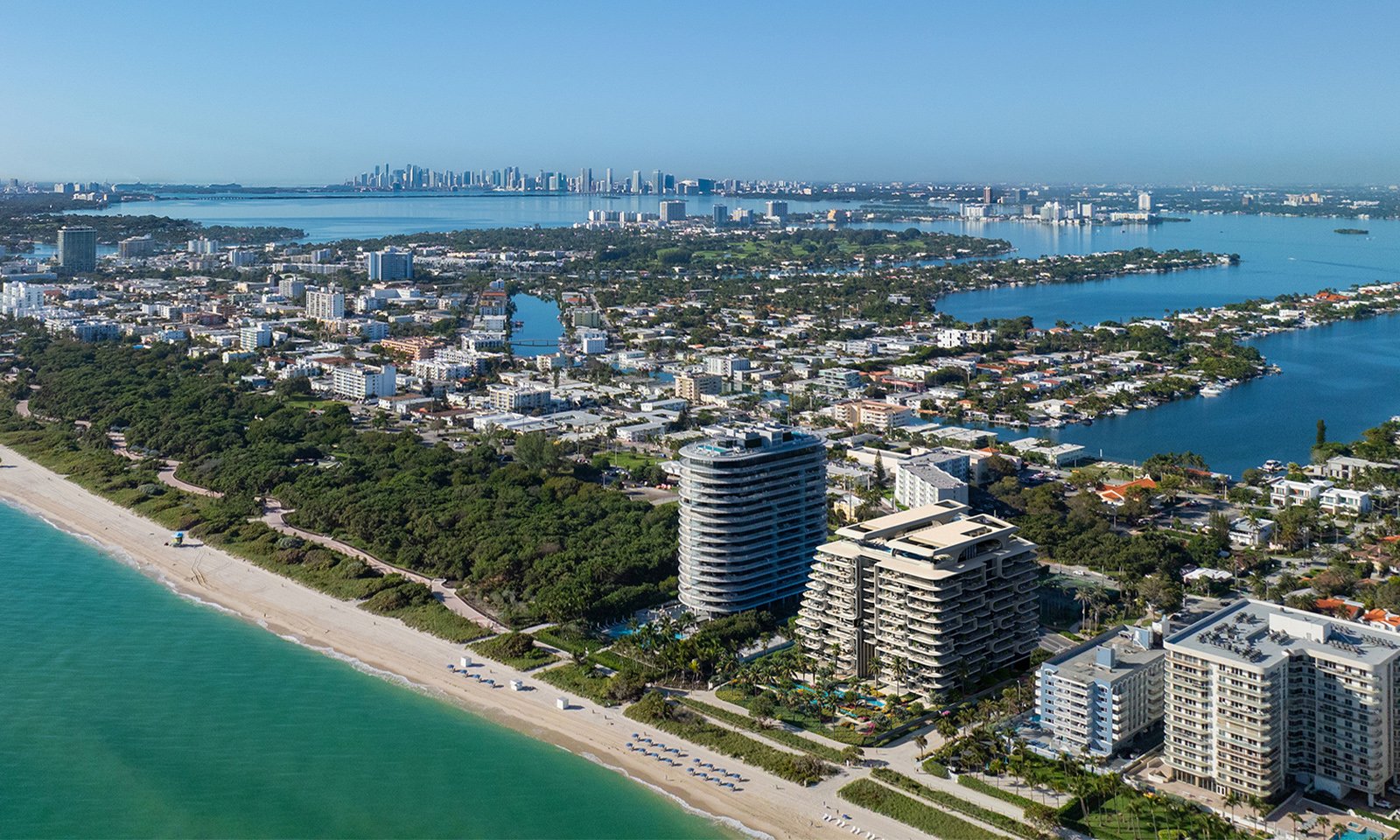
For London families, founders, and investment principals looking toward Surfside, the appeal is immediate. The town combines oceanfront calm, proximity to Bal Harbour and Miami Beach, and a condominium landscape shaped by design, service, and scarcity. Yet the ownership question is more complex than the view.
A Florida trust can be a refined structuring tool, particularly for buyers who prefer not to have their personal name appear in the deed caption. It can also create false comfort. Trust ownership may improve public-facing privacy, but it does not erase public records, federal reporting, tax obligations, title underwriting, or condominium association procedures. For MILLION Buyer's Guides readers, the central distinction is clear: privacy is a layer, not a curtain.
Florida’s land trust framework allows real estate title to be held by a trustee. In practice, the recorded deed may identify the trustee rather than the beneficiaries. For a London buyer accustomed to heightened transparency around offshore entities and trust registration, that can feel like a meaningful reduction in public exposure.
It is meaningful, but limited. Miami-Dade public records can still reflect the recorded deed, trustee name, property address, transaction details, and other instruments tied to the purchase. Property appraiser records are publicly searchable and typically show the owner of record, mailing address, property characteristics, assessed values, and sales history. If the trustee is a professional or entity, the buyer’s personal name may be less visible, but the property itself remains within the public ecosystem.
This matters at buildings such as The Delmore Surfside, where the expectation of privacy is often as important as the architecture. A trust can help shape the public record, but it should be designed alongside the buyer’s legal, tax, banking, and family-office objectives.
The London-to-Surfside buyer often arrives with a sophisticated understanding of disclosure. The U.K.’s Register of Overseas Entities requires many overseas entities holding U.K. land to disclose beneficial owners or managing officers. The U.K. Trust Registration Service also requires many express trusts and taxable trusts to register, so trust confidentiality is not absolute for U.K.-connected families.
Florida is different, but not invisible. A Surfside trust purchase may reduce the buyer’s appearance in local land records, yet federal anti-money-laundering rules have increasingly focused on beneficial ownership behind entities and trusts. FinCEN’s real estate Geographic Targeting Orders have targeted certain non-financed residential purchases through legal entities in South Florida. A broader residential real estate transfer rule extends reporting to many non-financed residential transfers to legal entities and trusts, reducing the practical anonymity of all-cash purchases.
If a trust owns property through an LLC or similar structure, beneficial ownership reporting obligations may also be relevant for U.S. companies formed or registered to do business in the United States. The result is a layered disclosure environment: less visible to a casual public search, but not opaque to closing professionals, regulators, tax authorities, and counterparties.
The tax analysis should begin before selecting the trustee. Florida has no personal income tax, one reason the state resonates with international buyers. That does not eliminate federal tax, property tax, reporting issues, estate-tax considerations, or withholding on exit.
A U.K. resident may need to report and pay U.K. tax on foreign income, including rental income from overseas property. In the United States, nonresident aliens are generally subject to U.S. tax rules on U.S.-source income, so rental income or other income from a Surfside residence can create filing requirements. A foreign buyer who must file a U.S. tax return and is not eligible for a Social Security number may need an Individual Taxpayer Identification Number.
Exit planning is equally important. FIRPTA generally requires withholding when a foreign person sells a U.S. real property interest. If the acquisition is structured through a trust or entity without considering a future sale, the buyer may solve a privacy concern while creating avoidable complexity later. Documentary stamp tax also applies to deeds and other instruments transferring Florida real property, with Miami-Dade rates and surtaxes relevant to total acquisition cost.
For an investment-minded family comparing The Surf Club Four Seasons Surfside with other prime coastal holdings, the right question is not simply who appears on title. It is how ownership, income, succession, financing, and eventual disposition work together.
Surfside is not only a land-record jurisdiction. It is also a condominium market. Even when title is held by a trust, associations, title insurers, lenders, and closing agents may request identity, authority, or control documents. A trust agreement may not be recorded in full, but a trustee may still need to prove authority to sign, approve, finance, lease, or sell.
Post-Champlain due diligence is another central issue. Florida law requires milestone inspections for certain condominium and cooperative buildings three stories or more. Condominium associations must maintain official records, and buyers should review financials, minutes, insurance, inspection materials, reserve information, and related governance documents before becoming preoccupied with privacy structuring.
That discipline applies across the Surfside luxury set, from Arte Surfside and Fendi Château Residences Surfside to boutique opportunities such as Ocean House Surfside. The stronger buyer is not the one with the most elaborate structure. It is the one whose structure survives the practical realities of closing, ownership, association review, and resale.
Before contracting, London buyers should align four teams: U.S. real estate counsel, U.S. tax counsel, U.K. tax counsel, and a banking or family-office adviser familiar with cross-border source-of-funds expectations. The trust should be reviewed not only for privacy, but also for trustee duties, revocability, control, beneficiary rights, succession, and practical authority.
Buyers should also decide how mail will be handled, who will appear as trustee, how association communications will flow, and whether the property will ever be rented. If financing is involved, lender requirements may narrow what is possible. If the purchase is cash, federal reporting may still apply. In Surfside, discretion is best achieved through clean planning, not theatrical opacity.
Does a Florida trust make a Surfside purchase anonymous? No. It may keep beneficiaries out of the deed caption, but public records and compliance processes can still reveal key information.
What appears in Miami-Dade public records? Records may show the deed, trustee name, property address, transaction details, assessed values, property characteristics, and sales history.
Can a London buyer use an LLC with a trust? Possibly, but U.S. company beneficial ownership reporting obligations may apply, and the structure should be reviewed before closing.
Does Florida’s lack of personal income tax solve the tax issue? No. Federal tax, property tax, FIRPTA, estate-tax considerations, and reporting obligations can still matter.
Can rental income create U.S. tax filings? Yes. U.S.-source income from a Surfside property can create filing requirements for a nonresident alien.
Can rental income create U.K. tax filings? Yes. U.K. residents may need to report and pay U.K. tax on foreign income, including overseas rental income.
What is FIRPTA in this context? FIRPTA generally requires withholding when a foreign person sells a U.S. real property interest.
Will a condo association accept trust ownership automatically? Not necessarily. Associations, title insurers, lenders, and closing agents may ask for identity or authority documents.
Why do milestone inspections matter in Surfside? Certain condominium and cooperative buildings three stories or more are subject to milestone inspection requirements.
What is the best first step for a privacy-focused buyer? Coordinate U.S. and U.K. legal, tax, and banking advice before contract execution.
When you're ready to tour or underwrite the options, connect with MILLION.
If branded residences are on your mind — as a home or as an allocation — we would be glad to share what we are seeing, privately.
Begin a quiet conversation