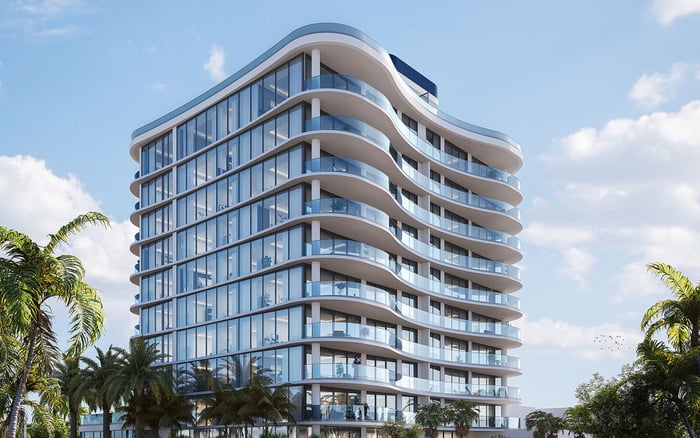
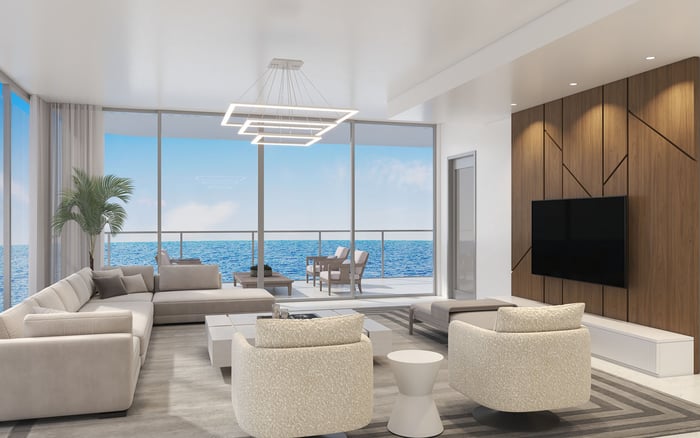
A discreet buyer’s guide to choosing between all-cash execution and portfolio financing when acquiring luxury property in Pompano Beach.
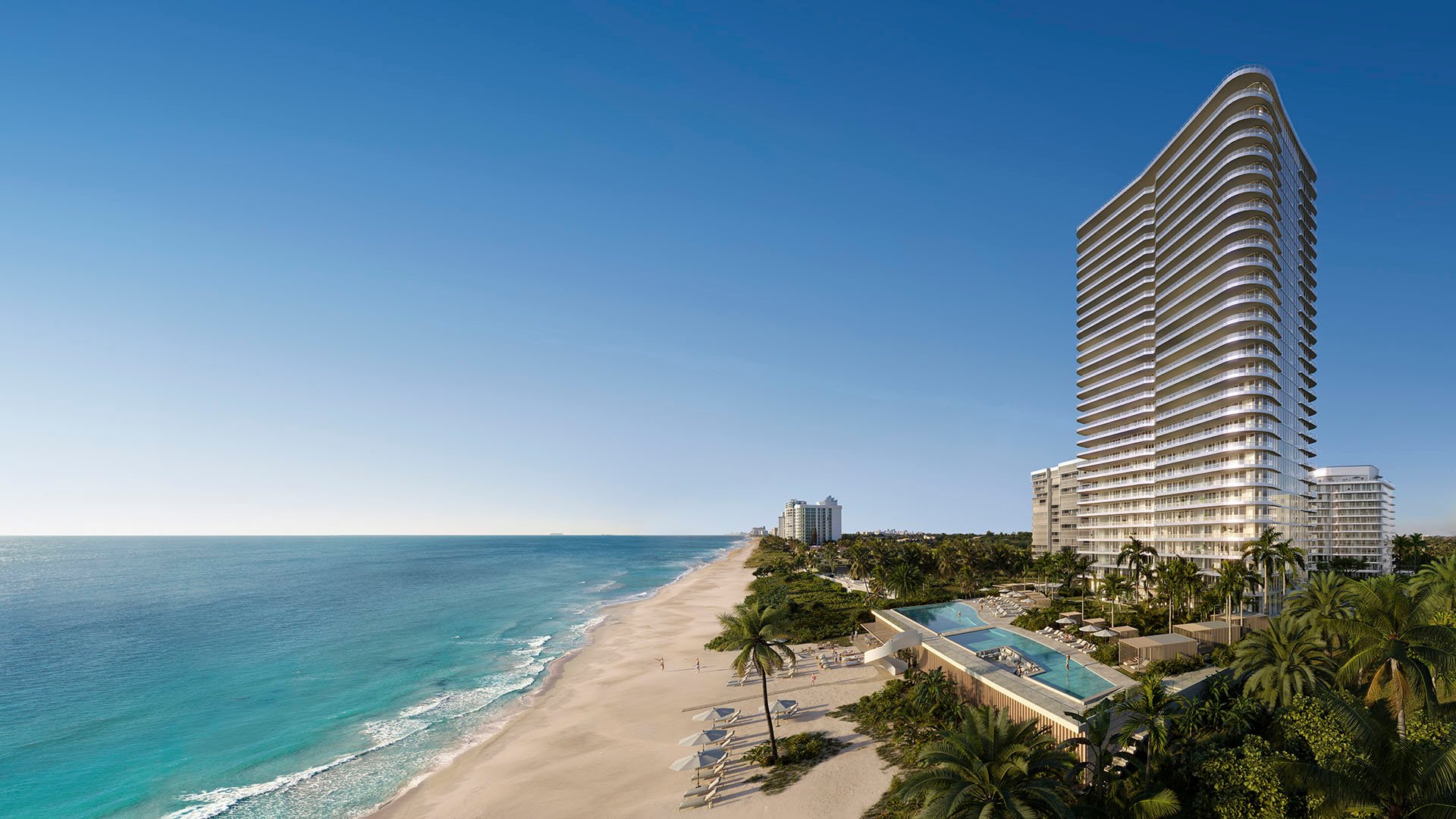
For affluent buyers in Pompano Beach, the question is rarely whether they can pay cash. It is whether they should. In a market where Oceanfront living, branded residences, and New-construction opportunities often attract buyers with complex balance sheets, the cleanest closing is not always the most intelligent capital decision.
A cash purchase can create certainty. It can reduce underwriting delays, simplify contract terms, and signal confidence to a seller or developer. Portfolio financing, by contrast, can preserve liquidity, keep investment assets working, and allow a buyer to retain optionality for future acquisitions. In Pompano Beach, where buyers may be comparing a primary residence, second home, or long-term Investment position, the right answer depends on more than purchase price.
A more deliberate framework begins with the asset, then moves to the hold period, the buyer’s liquidity goals, and the capital structure that supports the lifestyle without compromising the broader portfolio.
Cash changes the tone of a negotiation. A buyer who does not need a mortgage contingency may be able to move with greater speed and certainty, particularly when competing for a residence with few direct substitutes. In luxury condominiums, that can matter when the buyer wants a specific view orientation, floor height, terrace depth, or building culture.
In Pompano Beach, the cash buyer is often evaluating more than square footage. The decision may involve proximity to the water, privacy, valet and service standards, wellness amenities, and the long-term identity of the building. For a buyer considering The Ritz-Carlton Residences® Pompano Beach, for example, the appeal may be tied to a highly serviced residential experience. Cash can remove friction from the acquisition process, but it does not replace careful due diligence.
Cash also concentrates capital. The buyer who writes one large check may own the residence outright, but that capital is no longer available for other uses unless the property is later financed or sold. For some families, that simplicity is desirable. For others, especially those with operating businesses, concentrated equity can be less efficient than a well-structured financing plan.
Portfolio financing is typically evaluated through a broader wealth-management lens. Instead of treating the residence as an isolated purchase, the buyer considers the home alongside securities, business interests, cash reserves, other real estate, and family office objectives. The result can be a more flexible acquisition strategy.
The most immediate benefit is liquidity. A buyer may prefer to finance part of the purchase and keep cash available for furnishings, art, estate planning needs, philanthropic commitments, or another property opportunity. This can be especially relevant when the residence is part of a multi-market lifestyle rather than the buyer’s only home.
Portfolio financing can also support timing. If a buyer wants to secure a particular Pompano Beach residence before selling another asset, financing may bridge that gap without forcing an unfavorable sale. For buyers considering Armani Casa Residences Pompano Beach, the capital plan may need to account for deposits, future closing obligations, and the buyer’s desired liquidity position over the full purchase timeline.
The tradeoff is complexity. Financing introduces underwriting, documentation, rate exposure, and lender review. A buyer who values privacy and speed must decide whether the financial flexibility is worth the additional process.
A resale closing asks one question: how should the buyer fund the purchase now? A pre-construction purchase asks a sequence of questions. How much capital is required today? How much will be required later? What will the buyer’s liquidity picture look like when the residence is delivered? What other commitments might arise before closing?
That distinction matters in Pompano Beach because many luxury buyers are not only comparing buildings; they are comparing timelines. A move-in ready residence may favor cash if certainty and speed are paramount. A future residence may favor a more layered strategy, with deposits paid from cash and later obligations evaluated closer to completion.
At Ocean 580 Pompano Beach, a buyer may focus on the lifestyle profile and how the acquisition fits into broader waterfront ownership goals. At W Pompano Beach Hotel & Residences, the buyer may also think about hospitality-driven service expectations and whether the residence is primarily for personal use, seasonal stays, or a longer-term hold. The financing answer should follow the intended use, not the other way around.
Cash can be a luxury in itself because it reduces dependency. It may be appropriate for buyers who place a premium on certainty, privacy, and immediacy. It can also make sense for those who do not want debt attached to a personal residence, regardless of potential financial efficiency.
Cash may be especially compelling when the buyer is acquiring a residence meant to serve as a family anchor. If the home is intended for multigenerational use, with no near-term sale or refinancing plan, the emotional value of owning it outright may outweigh the theoretical benefits of leverage.
There is also a psychological component. Some buyers simply value knowing that the asset is unencumbered. In ultra-premium real estate, that feeling has weight. The key is to recognize it as a preference, not a universal rule.
Financing can be more sophisticated when it is used intentionally rather than out of necessity. A buyer with ample liquidity may choose debt because the portfolio has other priorities. That might include maintaining investment exposure, holding reserves for future opportunities, or preserving flexibility during a period of transition.
In Pompano Beach, financing may be particularly relevant for buyers assembling a South Florida footprint. A residence near the water could be one part of a broader plan that also includes Miami, Palm Beach, or a family office acquisition strategy. Using cash for every purchase can create unnecessary concentration, while a measured financing structure may help keep the overall plan balanced.
For a buyer evaluating Waldorf Astoria Residences Pompano Beach, the question is not simply whether the buyer can qualify. It is whether financing supports the family’s preferred balance between lifestyle, liquidity, privacy, and control.
Pompano Beach has become a more nuanced luxury conversation. Buyers are not only asking what they can buy; they are asking how the purchase should sit within a larger wealth strategy. That is why cash and portfolio financing should be compared side by side before a contract is signed.
The best structure is rarely the one that looks most impressive at the closing table. It is the one that still feels right a year later, after taxes, association obligations, insurance considerations, furnishings, travel patterns, and family needs have become part of the ownership rhythm.
The discreet approach is to decide in layers. First, determine whether speed or flexibility matters more. Second, clarify whether the residence is a primary home, second home, or Investment asset. Third, evaluate whether the buyer’s portfolio benefits from keeping more cash outside the property. Finally, make sure the acquisition terms align with the selected strategy.
Is cash always better for a Pompano Beach luxury purchase? Not always. Cash can improve certainty, but financing may preserve liquidity and portfolio flexibility.
Can a cash buyer finance the property later? In many cases, a buyer may explore post-closing financing, but terms depend on the lender, asset, and borrower profile.
Why would a wealthy buyer use portfolio financing? Financing can keep capital available for investments, reserves, future purchases, or business needs.
Does financing weaken an offer? It can add process, but strong documentation and experienced representation may help preserve credibility.
Is pre-construction different from resale financing? Yes. Pre-construction often involves staged capital planning rather than one immediate funding decision.
Should second-home buyers pay cash? It depends on liquidity goals, hold period, comfort with debt, and the role of the residence in the family plan.
Does Oceanfront ownership change the analysis? It can. Buyers should consider carrying costs, reserves, and long-term use before concentrating capital.
Is New-construction better suited to financing? Not necessarily. The timeline simply gives buyers more opportunity to plan cash needs and future obligations.
How should investors approach the decision? Investors should compare expected use, liquidity, risk tolerance, and exit strategy before choosing cash or debt.
What is the best way to shortlist comparable options for touring? Start with location fit, delivery status, and daily lifestyle priorities, then compare stacks and elevations to validate views and privacy.
To compare the best-fit options with clarity, connect with MILLION.
If branded residences are on your mind — as a home or as an allocation — we would be glad to share what we are seeing, privately.
Begin a quiet conversation