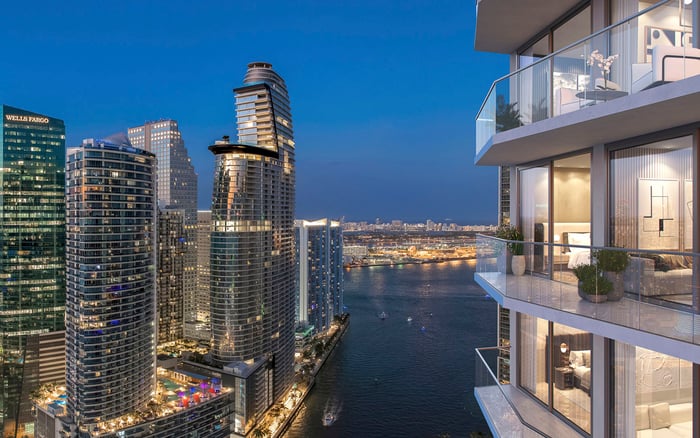
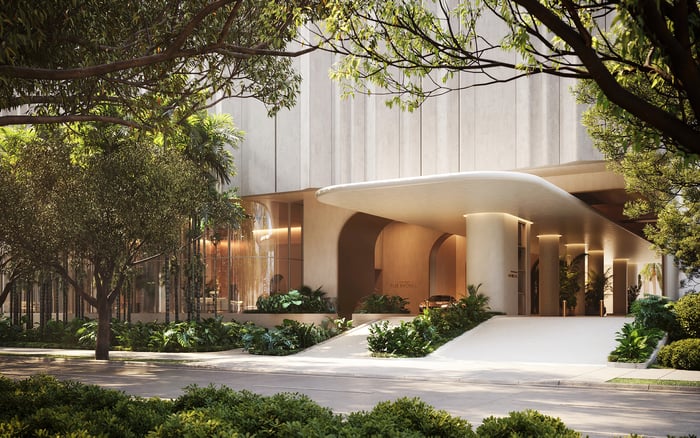
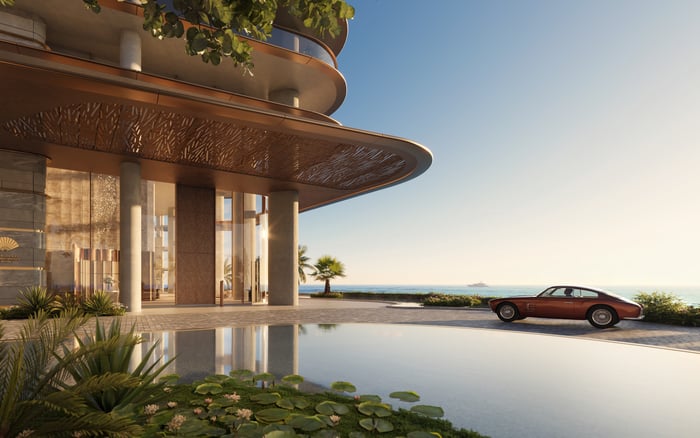
A discreet, practical guide to buying in Brickell for weekly travelers, with emphasis on lock-and-leave ownership, arrival rhythm, privacy, service, floor-plan discipline, and long-term usability.
For a buyer who boards a flight almost every week, a Brickell residence has a different job description. It is not simply a Miami address, a view, or a statement tower. It must function as a private base camp: easy to leave, calming to return to, and efficient enough that the first hour home never feels like another leg of the trip.
This is where Brickell can be especially compelling. Its appeal is not only urban energy, dining, finance, and skyline presence. For the frequent traveler, the neighborhood’s value lies in compression. The best version of Brickell living reduces friction between airport, office, meeting, dinner, sleep, and departure. It allows an owner to arrive late, recover quickly, host selectively, and leave again without a long checklist.
The right purchase should therefore be judged less by weekend romance and more by weekday performance. The questions are practical and revealing: How does the building receive you when you are tired? How private is the elevator experience? Is there enough storage for luggage, seasonal clothing, and duplicate essentials? Can the home look composed after four days away? Does the residence feel serene even when the city below is fully awake?
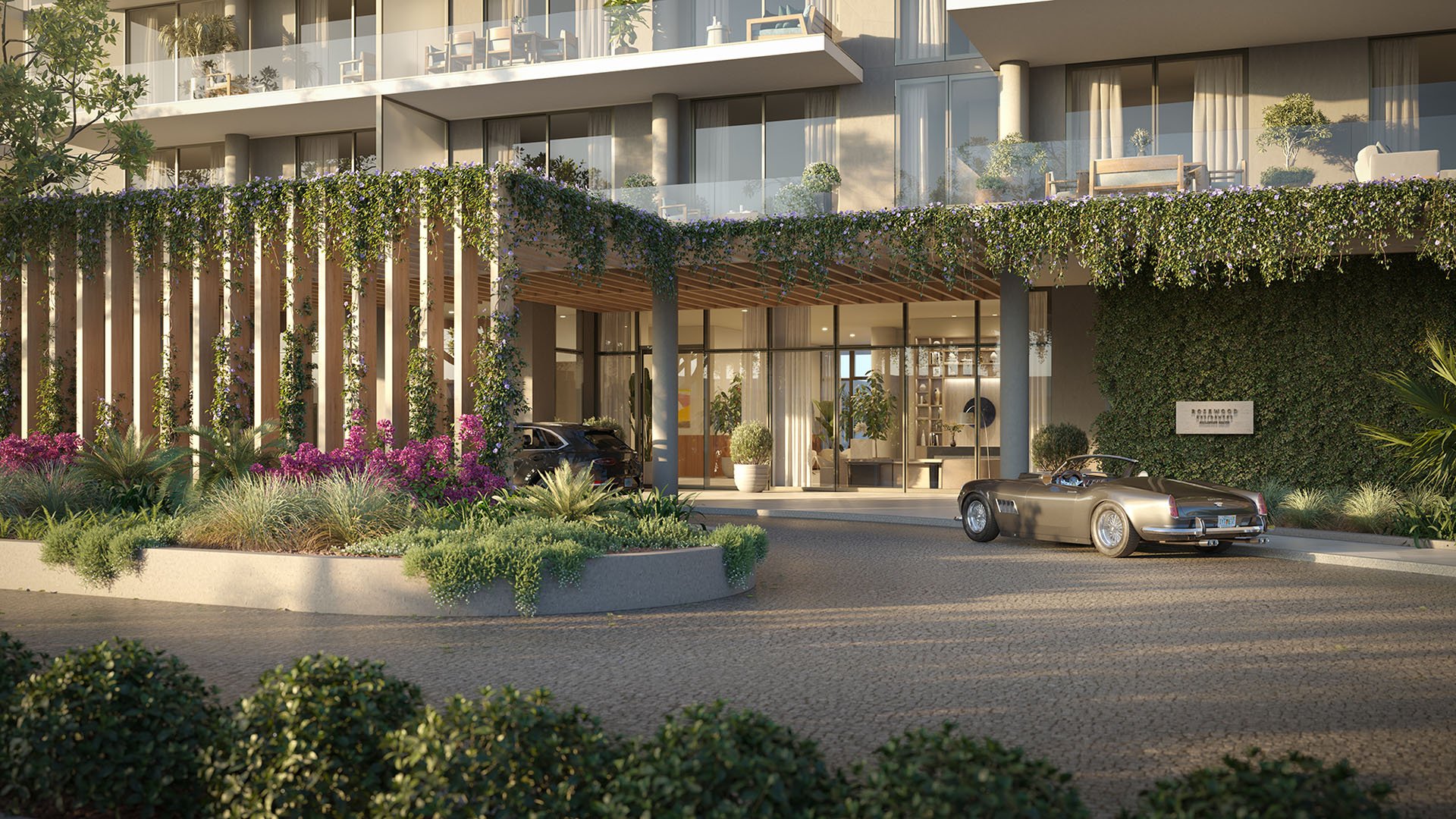
A weekly traveler should inspect the building from the perspective of a late return. The first impression is not the lobby photograph. It is the sequence from car to residence: valet, porte cochere if applicable, lobby staffing, elevator wait, corridor atmosphere, and the distance between the entry door and the place you drop a suitcase.
This is why a tour should include the least glamorous moments. Visit at a busy time. Watch how vehicles stack. Notice whether the entry feels intuitive or performative. Ask how packages, dry cleaning, deliveries, guests, and service providers are handled when the owner is away. A residence can be beautifully finished and still be inconvenient if the arrival choreography is weak.
Projects such as 2200 Brickell belong in the conversation for buyers who want a Brickell address but still need to study the details of daily flow. The brand or building name may bring attention, but the purchase decision should come down to whether the residence supports the owner’s actual calendar.
Frequent travel changes the meaning of luxury. A dramatic amenity deck may be pleasant, but the more valuable amenity is often reliability. The staff understands how you live. The building has a clear protocol for access. The residence can be maintained without the owner constantly coordinating small tasks from another city.
When comparing Brickell towers, service should be evaluated in practical terms. Can the building handle a guest’s arrival before you get home? Is there a straightforward process for vendors? How are keys, elevators, parking, and deliveries controlled? How does the building protect privacy without becoming cumbersome?
This is where branded and hospitality-influenced residences enter the discussion, not because a name alone guarantees ease, but because buyers often associate these properties with a more service-forward expectation. A traveler comparing Cipriani Residences Brickell with St. Regis® Residences Brickell should look beyond the first impression and focus on how each environment may function after the novelty fades.
The ideal Brickell plan for a weekly traveler is composed, legible, and forgiving. A long gallery may feel elegant, but only if it does not steal usable space. A glassy living room can be beautiful, but the buyer should consider glare, furniture placement, and the ability to work quietly. A secondary bedroom may matter less as a guest suite and more as a true office or recovery room after travel.
Storage deserves unusual weight. Luggage should not live in the primary closet unless the closet has been planned for it. Owners who split time across multiple homes often benefit from duplicate wardrobes, toiletries, tech chargers, travel bags, and formalwear. The easier it is to keep the Brickell residence stocked, the more useful the home becomes.
High floors may deliver a stronger sense of separation from the street, while lower floors may feel more connected to the neighborhood and easier to access. Neither is automatically better. The correct choice depends on whether the owner values view, speed, privacy, or a particular relationship to the city.
Before making an offer, imagine leaving the residence for ten days with little notice. The refrigerator is cleared, the luggage is packed, and the lights are off. What remains unresolved? Plants, closets, humidity, access for a cleaner, maintenance notifications, and the security of personal items all become part of the ownership experience.
A true lock-and-leave Brickell residence should reduce mental load. It should not require the owner to remember five different building rules every time a vendor arrives. It should not make package handling feel delicate. It should not turn parking into a negotiation. The simpler the operating system, the more valuable the home is to someone whose schedule is already complex.
Second-home ownership in Brickell follows the same logic. The property may be used intensely for a few nights, then sit quietly until the next arrival. That rhythm places a premium on durable finishes, sensible layouts, strong management, and a building culture that respects absence as much as presence.
Brickell buyers who travel frequently often entertain in bursts. They may host one dinner, schedule two meetings, and then disappear for a week. The residence should be able to shift between private retreat and polished receiving space without becoming theatrical.
Consider where guests wait, how they reach the residence, and whether the living and dining areas feel gracious without exposing the owner’s private life. A powder room near the entertaining zone can be more useful than a rarely used bonus space. A kitchen that supports catered meals may matter more than one designed for elaborate daily cooking.
The lifestyle question is subtle: do you want the building to feel social, discreet, or almost invisible? Brickell offers all three moods depending on the tower, the resident profile, and the owner’s tolerance for energy. Buyers considering Baccarat Residences Brickell or 888 Brickell by Dolce & Gabbana should make time for this question, because design identity and personal rhythm need to be aligned.
Waterfront living in Brickell carries a different emotional register than being embedded in the densest part of the district. The water can soften the experience of returning home, especially after airports, meetings, and long dinners. City-core positioning can make the residence feel more immediate, with the neighborhood available the moment the elevator doors open.
Neither choice is inherently more luxurious. The better question is what your nervous system wants after a flight. Some buyers want lights, movement, and the sense that Miami is still in motion. Others want the skyline filtered through water, distance, and quiet. A weekly traveler should be honest about which version restores energy rather than simply impresses guests.
A serious Brickell search should include questions that rarely appear in glossy presentations. Ask how the building handles recurring vendors when the owner is away. Ask about guest registration, elevator procedures, move-in rules, parking access, and storage availability. Ask whether there are restrictions that affect how you plan to live, host, or maintain the residence.
New-construction buyers should be especially disciplined about translating renderings into routines. A beautiful lobby matters, but so does the path from the garage. An impressive wellness space matters, but so does the ability to sleep deeply after a delayed return. The best purchase is not the one that wins the tour. It is the one that keeps working on an ordinary Thursday night.
Is Brickell a good fit for buyers who travel every week? Yes, if the building supports easy arrivals, privacy, service, and a lock-and-leave routine.
Should frequent travelers prioritize amenities or service? Service usually matters more, because it affects every arrival, delivery, guest visit, and absence.
Are branded residences better for weekly travelers? They can be attractive, but the deciding factor should be how the specific building operates day to day.
What floor plan works best for a travel-heavy lifestyle? Look for clear circulation, real storage, a quiet work area, and bedrooms that can adapt to guests or recovery.
Do high floors make more sense in Brickell? They may provide more separation and views, but elevator experience and personal preference matter just as much.
Is waterfront living worth prioritizing? It can be, especially for buyers who want a calmer return after airports and meetings.
What should second-home buyers ask before purchasing? Ask how the building handles vendors, deliveries, security, maintenance access, and long absences.
How important is parking for a weekly traveler? Very important, because the car-to-residence sequence shapes the first and last minutes of every trip.
Should I tour a Brickell building at a busy time? Yes, because peak activity reveals valet flow, elevator timing, lobby atmosphere, and real operating rhythm.
What is the best way to shortlist comparable options for touring? Start with location fit, delivery status, and daily lifestyle priorities, then compare stacks and elevations to validate views and privacy.
When you're ready to tour or underwrite the options, connect with MILLION.
If branded residences are on your mind — as a home or as an allocation — we would be glad to share what we are seeing, privately.
Begin a quiet conversation