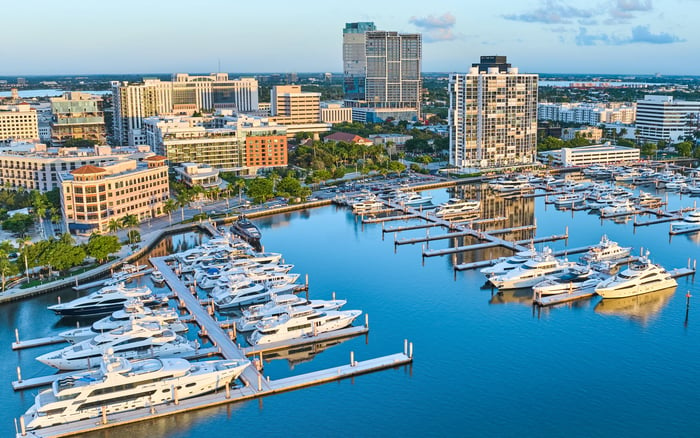
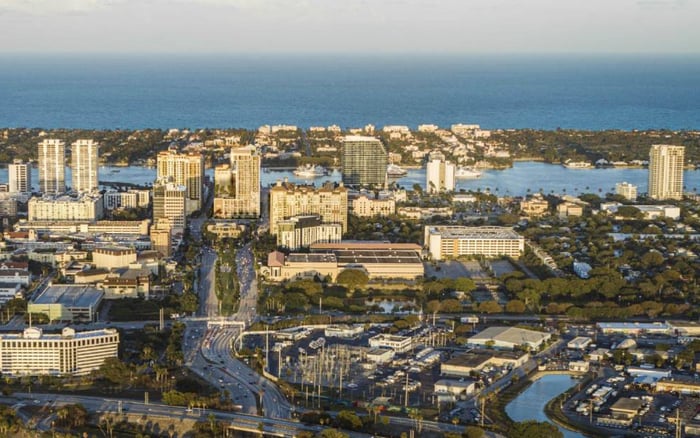
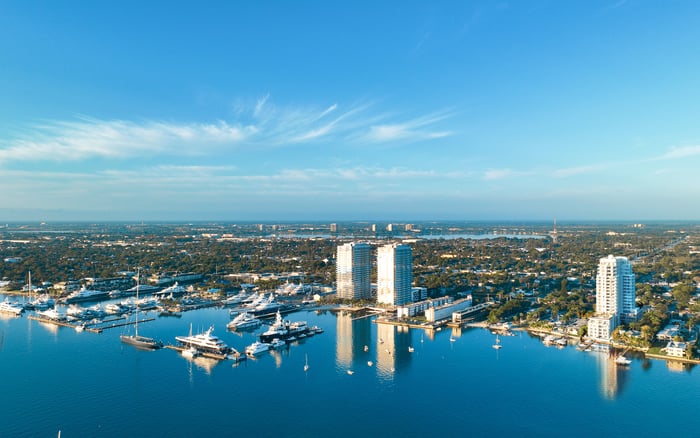
In South Florida, landscape design is not decoration. It is architecture, climate strategy, and a value signal buyers read in seconds. From covered outdoor kitchens and motorized pergolas to infinity-edge pools, layered tropical screening, and hurricane-aware planting, today’s most compelling homes treat the exterior as an extension of the interior. This editorial outlines what sophisticated buyers look for, what tends to endure in coastal conditions, and how to approach upgrades with both lifestyle and resale in mind.
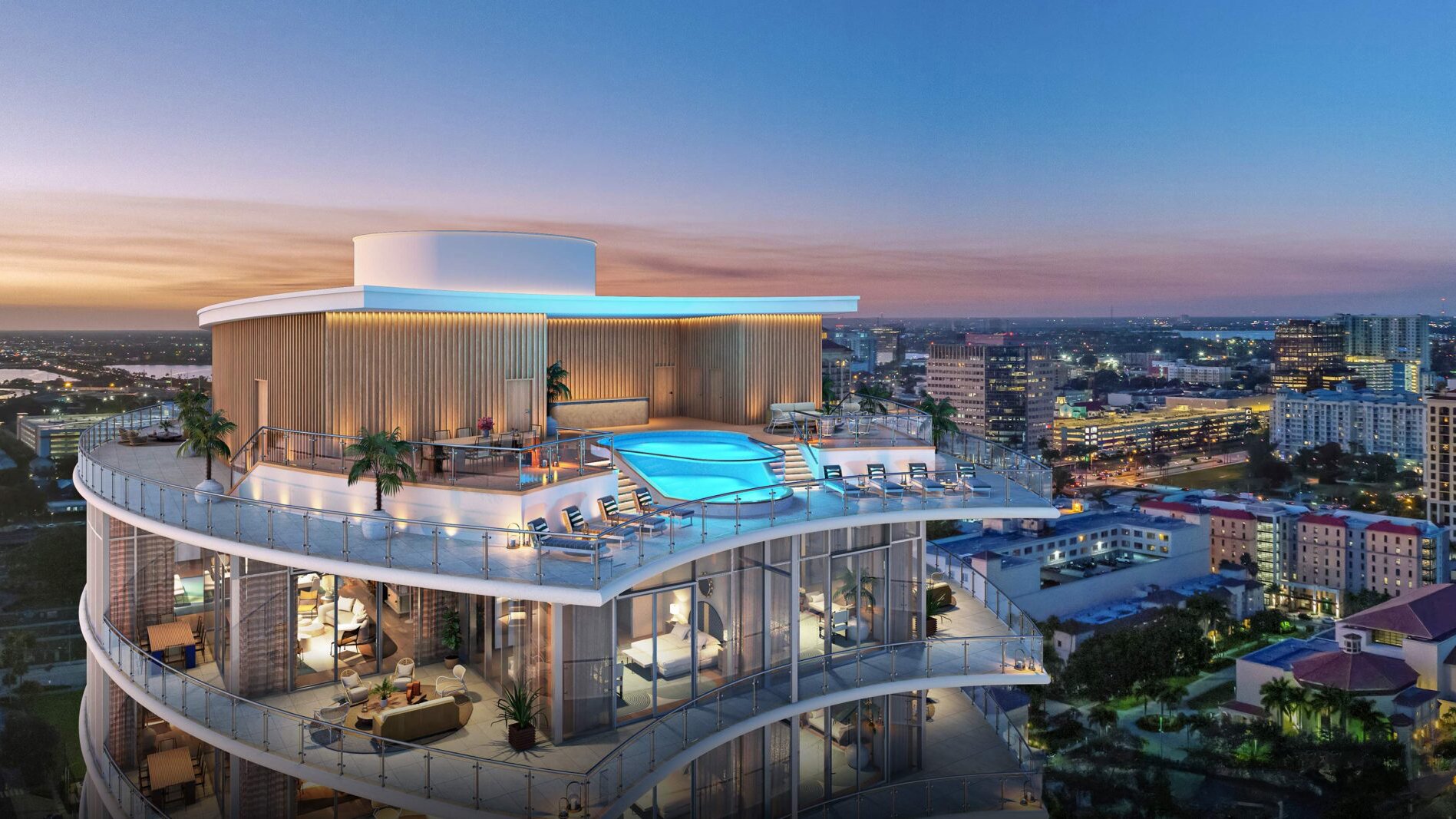
In South Florida, the most persuasive luxury homes feel complete the moment you step outside. Buyers are not shopping for a manicured lawn or a palm-lined entry as a stand-alone feature. They are evaluating whether the exterior performs like a true extension of the interior: shaded, private, welcoming, and built to withstand salt air, humidity, and frequent rain.
That shift is why “luxury landscaping” has become one of the most strategic upgrades in the region. Industry marketing around professional landscape improvements often frames the impact in investment terms, with some sources citing value lifts in the 15 to 20 percent range when outdoor spaces are comprehensively upgraded. Even if a buyer treats those numbers as directional rather than definitive, the underlying point holds: in South Florida’s premium market, the exterior is not a finishing touch. It is part of the product.
What has changed is where buyers place their attention. At the top end, demand increasingly centers on hardscaping and outdoor living builds, not plants alone. A residence with credible outdoor “rooms” reads more intentional, more livable, and more current, especially when the design makes year-round use feel natural.
Luxury buyers often decide whether a home feels “turnkey” before they reach the foyer. The arrival sequence matters because it communicates care, craftsmanship, and confidence. Driveway geometry, lighting, hardscape detailing, and the way planting frames the architecture all register quickly. These signals suggest whether the property has been thoughtfully maintained and whether the owner invested in details that rarely show up as a neat line item on an appraisal.
The second impression is privacy. In coastal neighborhoods where lots can be close and sightlines long, layered screening becomes an amenity in its own right. A mature, well-composed landscape can create the feeling of acreage without the acreage, which changes how a home lives day to day.
The third impression is outdoor hospitality. Even when an owner does not entertain often, buyers want the option. A terrace that functions like a living room, a dining zone that feels protected, and circulation that connects kitchen, pool, and lounge areas without awkward transitions all speak the language of luxury. In practical terms, the best outdoor spaces do not ask you to “make do.” They simply work.
In West Palm Beach, this indoor-outdoor sensibility is increasingly echoed in new residential offerings, where terraces and amenity decks are treated as curated extensions of the home. You see that lifestyle-forward framing in projects such as Alba West Palm Beach, where the idea of daily living expanding outward is part of the appeal.
For a high-end buyer, the strongest outdoor environments feel as designed as the interior. In practice, that usually means prioritizing structure first, then layering planting to soften, screen, and complete the composition.
Start with the bones:
Then build the rooms:
Many South Florida luxury landscape requests concentrate in exactly these categories: patios and walkways, outdoor kitchens, water features, and privacy elements. The preference is less about exuberance and more about completeness. Buyers will forgive a home that needs personal furnishing. They are less forgiving of a backyard that needs infrastructure.
The best approach is sequential. Buyers tend to reward environments where circulation, shade, and utility feel resolved, then planting is used to refine the mood. When that order is reversed, the landscape can feel decorative rather than architectural, and sophisticated buyers notice.
Outdoor kitchens remain one of the most frequently discussed upgrades in luxury marketing because they operate on two levels. They are immediately enjoyable, and they are visible evidence of investment.
In Florida, coverage is the difference between an occasional-use feature and a year-round one. Covered outdoor kitchens are often paired with pergolas or pavilions for shade and rain protection, allowing the space to function in the wet season and during the sunniest afternoons. For buyers, that coverage signals intention: the homeowner planned for how South Florida is actually lived.
This is also where material choices quietly communicate sophistication. Coastal conditions demand finishes and construction that can tolerate humidity and salt exposure. Some Florida-marketed systems emphasize powder-coated aluminum construction and integrated drainage concepts, a practical response to frequent rain events and the desire for clean architectural lines.
ROI claims for outdoor kitchens can be aggressive in the marketplace, with some sources citing payback figures as high as 100 to 200 percent. The more prudent takeaway is not the number. It is the mechanism: a well-designed, covered kitchen turns exterior square footage into usable, everyday square footage, which supports both lifestyle and marketability.
In West Palm Beach, buyers who prioritize this “outdoor hospitality” mindset often gravitate toward residences that already frame terrace living as a core lifestyle feature, such as Mr. C Residences West Palm Beach.
The next layer of outdoor luxury is control. Buyers want to decide how much sun, wind, and airflow they experience without having to retreat indoors. In South Florida, that sense of control is not indulgence. It is comfort and usability.
That is why motorized louvered pergolas and adjustable roof systems are increasingly highlighted in Florida outdoor-living trend coverage. The appeal is straightforward: adjustable shade and ventilation, plus the ability to respond to sudden weather shifts. In a climate where a bright lunch can turn into a fast downpour, responsive overhead protection is easy to value.
When these systems are integrated with lighting, fans, and thoughtful drainage, they create a microclimate. The space does not just look beautiful. It behaves. For buyers, that translates into a stronger belief that the home was designed around real life, not staged for a listing photo.
Design cohesion matters here as much as the technology. A pergola or roof system should read like part of the architecture, not an afterthought. When it aligns with the home’s lines and materials, the entire exterior feels more intentional.
In South Florida, a pool is often expected in the luxury tier, but expectations are no longer generic. The question is whether the pool environment feels like a composed experience: aligned with views, scaled to the property, and supported by shade, seating, and circulation that make the deck usable.
Value discussions around inground pools in the region commonly describe ROI in the single- to mid-double-digit percentage range, depending on design quality, maintenance, and market expectations. Again, it is best read as a range that signals the concept: well-executed pools tend to support value, while poorly executed pools can do the opposite.
At the top of the market, the most coveted pool types are those that feel engineered and intentional.
Infinity and vanishing-edge pools are treated as premium upgrades because they are engineering-heavy. The effect depends on precise tolerances and specialized hydraulics and overflow systems. When done well, the result is a horizon-line illusion that can make even an inland setting feel cinematic. When done poorly, the illusion fails, and the pool reads less like a feature and more like a problem.
For buyers assessing a pool renovation or a new build, the decision is less about trend and more about execution. Clean detailing, durable materials, and a coherent relationship between water, deck, and landscape determine whether the pool reads as resort-quality. Lighting and circulation also matter because they govern how the space performs after sunset and during everyday use.
South Florida’s most compelling landscapes tend to be lush, but not chaotic. The tropical aesthetic that buyers associate with Miami and Palm Beach is typically achieved through layered planting, palms, and dense screening that feels curated rather than overgrown.
The goal is not simply more greenery. It is depth, privacy, and a sense of composure. When planting is arranged with intention, it guides the eye, frames architecture, and softens hardscape edges. When it is improvised, it can feel busy, high-maintenance, or visually disconnected.
Two principles separate timeless tropical design from fast-fading novelty:
For luxury buyers, sustainability is not just a virtue statement. It can be a form of risk management. Reducing turf and choosing region-appropriate plants are commonly cited ways to reduce outdoor water demand, particularly meaningful for larger properties where irrigation can become a material operating cost.
The most successful properties balance performance with perception. They preserve the resort sensibility buyers want, while quietly choosing plantings and layouts that will still look intentional through heat, humidity, and seasonal shifts.
The most sophisticated landscapes in Florida are beautiful, but they are also prepared. In a coastal climate, resilience reads as refinement, especially when it is integrated discreetly.
Hurricane resilience influences both planting and hardscape decisions. Florida-focused guidance often highlights wind-resistant tree choices and emphasizes strategies like proper placement, grouping, spacing, and ongoing pruning. For buyers, the key is not to seek a landscape that promises invulnerability, which is unrealistic. It is to prioritize a landscape that is designed with storms in mind and maintained accordingly.
From a buyer’s perspective, hurricane-aware design can include:
This is also where quality becomes visible in subtle ways. After major weather events, the difference between a property that returns to form quickly and one that feels perpetually “in recovery” often comes down to design discipline and consistent maintenance.
In Florida luxury narratives, “seamless indoor-outdoor living” has become a defining feature. Practically, it means the exterior is treated as another set of rooms, with coherent finishes, sightlines, and functionality.
Continuity can be felt in simple choices: the way flooring tones relate to exterior stone, how door openings align with terrace layouts, and whether lighting reads as one integrated plan rather than separate interior and exterior systems. Buyers may not articulate these details, but they recognize the result: the home feels larger, calmer, and more complete.
You can see this sensibility in contemporary terrace culture, where rooftop and elevated outdoor spaces are increasingly described as landscaped outdoor rooms rather than simple view decks. Privacy hedging, layered planting, and even water elements are used to make exterior living feel as resolved as a living room.
In West Palm Beach, this approach to outdoor living is part of the lifestyle promise in several address-forward developments. Buyers drawn to a polished, hospitality-minded atmosphere often compare offerings such as The Ritz-Carlton Residences® West Palm Beach alongside other waterfront-adjacent options, evaluating not only the interiors but also how outdoor amenities are staged and maintained.
For those who favor a more classic promenade experience, Forté on Flagler West Palm Beach is another reference point for how outdoor space and water-oriented living are packaged for discerning buyers.
Luxury buyers rarely want to inherit an exterior project, even if they plan to personalize. A quiet, practical evaluation during showings and inspections can prevent costly surprises and clarify where the home truly stands.
Consider these buyer-forward questions:
If the answers are consistently positive, the home is likely to perform well in both lifestyle and resale terms. It will photograph well, live well, and feel credible to a buyer who has seen the best the market offers.
If the answers are mixed, buyers can still proceed, but they should treat the exterior as a capital plan, not a weekend refresh. The most successful upgrades tend to address structure and usability first, then refine with planting, lighting, and privacy. That sequence keeps the investment focused on what buyers value most: an outdoor environment that works.
Is luxury landscaping really an investment, or just a lifestyle choice? Both. Market-facing sources often position professional landscaping as value-supportive, and buyers routinely pay a premium for turnkey outdoor rooms that feel designed and maintained.
Do covered outdoor kitchens matter more than open-air setups? In South Florida they often do, because coverage improves usability during intense sun and sudden rain, and it helps the space function more like an exterior room.
What makes an infinity-edge pool feel truly premium? Execution. The effect depends on precise engineering, hydraulics, and detailing. When the tolerances and overflow systems are correct, the waterline reads seamless.
Should buyers prioritize native plants over tropical showpieces? A balanced approach tends to perform best. Florida-native, right-plant-right-place choices can reduce ongoing inputs, while curated tropical layers deliver the resort sensibility many buyers want.
Explore South Florida’s most design-forward residences with MILLION Luxury.
If branded residences are on your mind — as a home or as an allocation — we would be glad to share what we are seeing, privately.
Begin a quiet conversation