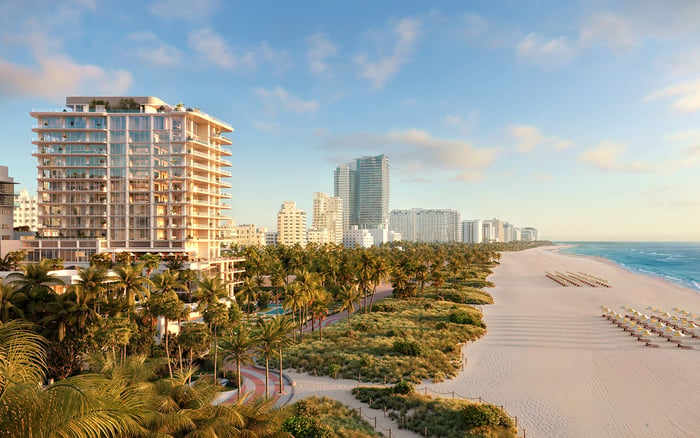
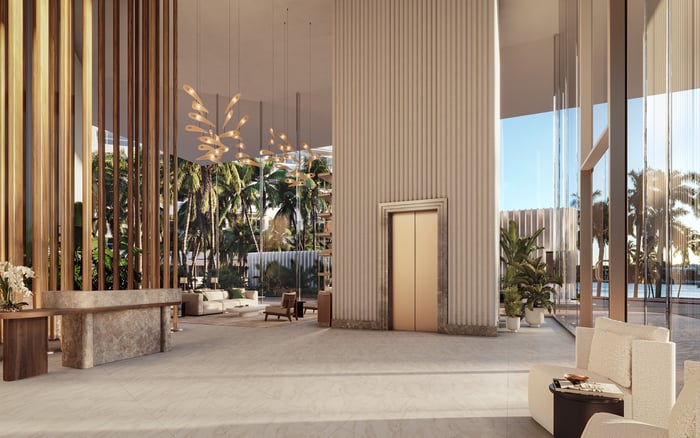
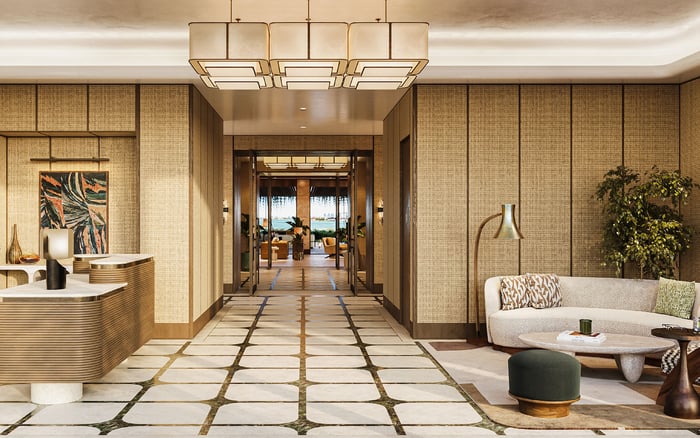
In Miami Beach and greater South Florida, preservation is no longer only a cultural obligation. For luxury buyers and developers, it has become a disciplined strategy that can unlock tax advantages, streamline a property’s narrative value, and protect scarcity in neighborhoods where new waterfront land is effectively finite. This MILLION Luxury editorial explains how federal and local preservation frameworks intersect with design oversight, and why the region’s best “historic-meets-new” projects are increasingly defined by what they choose not to erase.
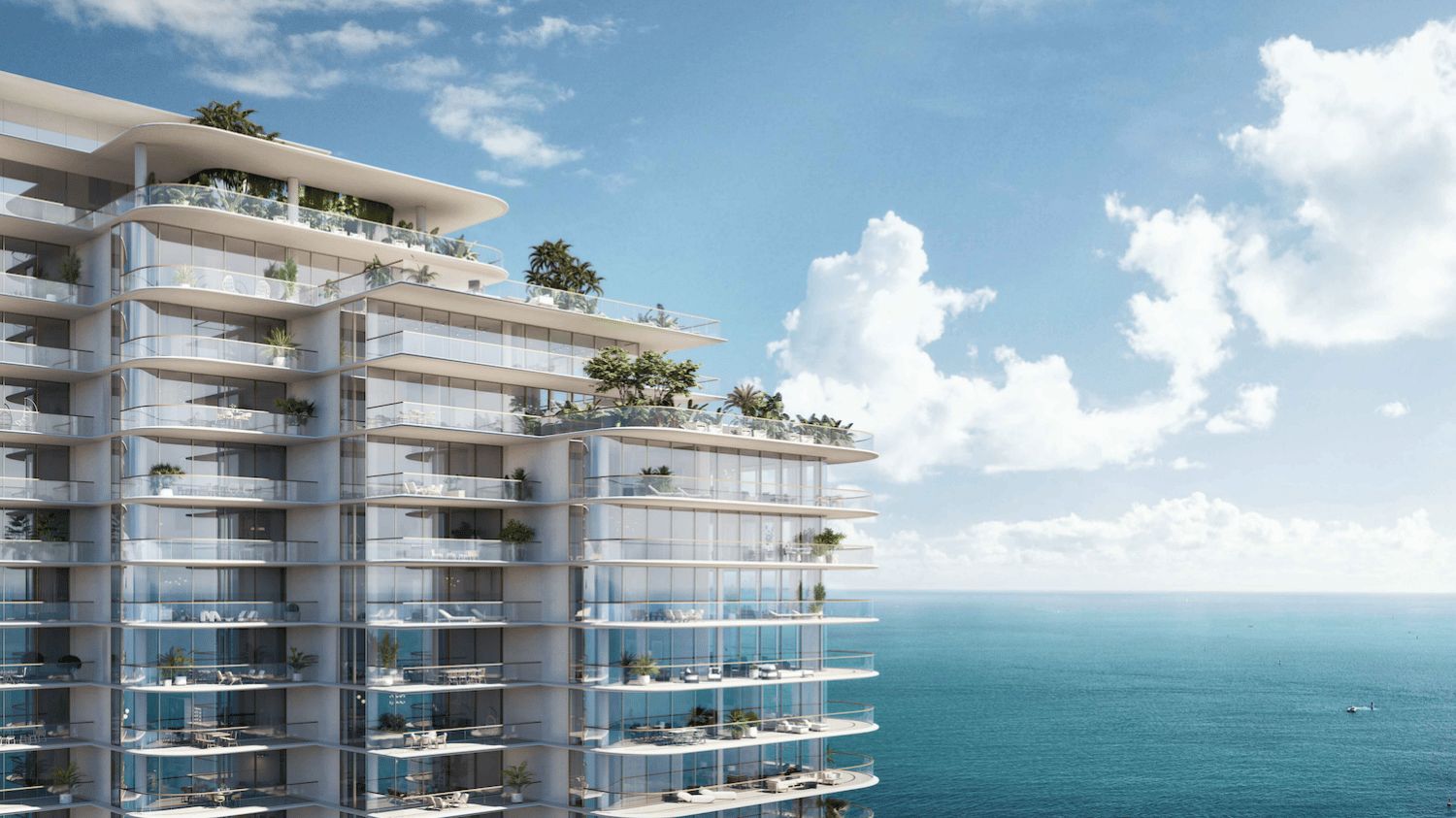
In Miami Beach, “historic” used to read as shorthand for friction: extra approvals, negotiated compromises, and the feeling that you were purchasing obligation instead of optionality. That perception is changing. The most sophisticated buyers and developers increasingly treat preservation as a luxury advantage because it introduces a level of discipline that new construction rarely provides. A protected facade, a landmark name, and a coherent streetscape deliver something even the finest finishes cannot manufacture on demand: a defensible identity in a market where attention is scarce and differentiation is expensive.
The shift is cultural and financial at once. Culturally, Miami Beach’s Art Deco legacy is not just local pride; it functions as a globally recognized brand. The Art Deco Historic District is widely known for its 800-plus historic buildings, and that concentration of character is exceptionally difficult to recreate elsewhere in the United States. Financially, preservation can intersect with structured incentives, including the federal Historic Preservation Tax Credit. That program provides a 20% income tax credit for the certified rehabilitation of income-producing historic buildings that are listed on, or that contribute to districts listed on, the National Register of Historic Places.
At the ultra-premium level, the outcome is a more nuanced equation. When preservation is executed with rigor, it narrows the gap between romance and performance. Buyers can secure authenticity while still expecting modern comfort, contemporary systems, and service-forward living. Developers can deliver a rarer product with a clearer narrative, and in some cases, a meaningfully improved tax posture.
Luxury buyers do not need to become preservation attorneys, but they do need to understand the basic framework because it shapes timelines, risk, and even the definition of “value-add.” In historic contexts, the return profile is often determined as much by process as by design.
At the federal level, the Historic Preservation Tax Credit is built around the certified rehabilitation of income-producing historic buildings. It is administered through the National Park Service in partnership with State Historic Preservation Offices. The key qualifier is “income-producing.” The credit is not a general reward for tasteful restoration. It is a structured incentive tied to compliance, documentation, and formal certification.
Locally, owners may also encounter property tax benefit pathways that are connected to historic status and preservation compliance. Miami-Dade County, for example, provides guidance for owners pursuing property tax benefits related to historic properties. In practice, these benefits are not automatic. They operate within a review environment that considers the nature of the work and the implications for ad valorem treatment. A county memo discussing an historic property project at 4000 Collins Avenue (the Hotel Continental) underscores the point: government actors evaluate property tax implications alongside the preservation scope, not after the fact.
Then there is the design and permitting layer, where many luxury transactions either gain momentum or lose it. The City of Miami maintains a dedicated Historic Preservation program outlining local processes and oversight for changes affecting designated historic resources. Miami Beach similarly promotes preservation initiatives intended to protect Art Deco character and visual integrity in historic areas. The buyer takeaway is direct: when a building or district is protected, you are not only buying square footage. You are buying into a review environment with real aesthetic preferences and real veto power.
A discreet but practical strategy is to ask early, and in writing, what is considered character-defining and what interventions are typically supported. Advocacy groups such as the Miami Design Preservation League regularly weigh in on proposed alterations and argue for retaining elements they view as essential to a building’s identity. Regardless of where a buyer lands in that debate, the market effect is real. In protected areas, design freedom is rarely absolute. Compliance is part of the asset’s value proposition, and the review process is part of the closing checklist.
Miami Beach has become a laboratory for a specific kind of reinvestment: preserve the legacy framework, then layer in a contemporary luxury program that competes with the best new-build hospitality and residential offerings. The underlying logic is straightforward. If the historic shell provides the story, the modern overlay must provide the lifestyle.
A widely covered example is the historic Raleigh Hotel site at 1775 Collins Avenue, being redeveloped as Rosewood Residences at The Raleigh. The concept pairs restored historic structures with new luxury residential development in a branded-residences format. Public reporting around the project reflects the modern expectations of this category: resort-level pool programming, spa and wellness, and amenities that read like a private club. Coverage has also positioned the residences at ultra-luxury pricing, including marketing in the eight figures.
On the hospitality side, the same dynamic appears through renovations that refresh Miami Beach’s legacy inventory without abandoning recognizable identity. The Delano Miami Beach is undergoing a major renovation and has been reported as scheduled to reopen in late 2025 following a comprehensive restoration effort. In Mid-Beach, the Hotel Continental at 4000 Collins Avenue has been repositioned as a Tapestry Collection by Hilton property after renovation. Together, these moves reflect a broader pattern: upgrading older hotels while keeping a historically resonant name and exterior language.
Even when a project is not a headline-grabbing trophy redevelopment, the signal matters. When iconic hospitality is reinvested in at scale, nearby residential values often benefit from a neighborhood’s rising standard of service, design, and public-realm confidence. In Miami Beach, that halo effect is one reason the condo-hotel conversation remains active among buyers seeking optionality, lifestyle, and a managed experience, while still wanting an address that carries meaning.
High-end preservation is not about freezing a building in time. It is about deciding what must remain emotionally intact while upgrading everything that makes daily life effortless.
At the estate level, the design argument is clear. Systems, comfort, and performance must be modernized without stripping away period character. In South Florida, where climate, salt air, and storm resilience are non-negotiable considerations, that integration becomes a form of quiet engineering. The strongest outcomes feel inevitable rather than labored. Doors close cleanly. Air conditioning fades into the background. Lighting flatters. Yet the details that create identity, such as proportion, facade rhythm, and signature elements, still read as authentic.
In historic districts, this balance is not merely discussed; it is scrutinized. Advocacy positions have specifically pointed to retaining character-defining Art Deco features such as facade “eyebrows” and other stylistic elements, especially when projects appear before historic preservation boards. For the luxury buyer, that scrutiny can work in your favor. It reduces the likelihood that a neighbor’s renovation will erase the block’s cohesion, and it helps protect the district’s long-run desirability.
The practical due diligence questions are less romantic, but they are decisive.
First: What, exactly, is protected? Is the designation limited to the exterior, or are interior features also subject to review? Second: Which interventions are typically supported for performance and safety? Third: What is the timeline risk if a board requests redesign? Fourth: if incentives are part of the underwriting, what are the compliance milestones and documentation requirements?
In 2026, the luxury buyer in Miami Beach is often choosing between two adjacent forms of prestige: new construction engineered for peak performance, or historic narrative paired with curated modernization. Increasingly, the market offers hybrids that aim to deliver both.
For buyers who want a decisively contemporary building profile while remaining in the gravitational center of Miami Beach, Five Park Miami Beach represents the appeal of new-build standards: current planning, forward-facing amenities, and the confidence of living in a building designed around today’s expectations from day one. For many portfolios, new construction serves as a “control” investment, establishing a baseline for mechanical performance, glazing, vertical transportation, and owner services.
For buyers drawn to a more heritage-forward sense of arrival, Shore Club Private Collections Miami Beach reflects Miami Beach’s appetite for hospitality-coded living, where the experience is intentionally layered and the address carries resonance. This is where preservation and luxury converge most visibly. The market pays for continuity and for places that feel intrinsically Miami Beach rather than merely located within it.
Oceanfront buyers, particularly those seeking quieter frontage and an elevated sense of privacy, often prioritize a different form of defensibility: the limited supply of true coastal parcels. 57 Ocean Miami Beach fits naturally into that conversation, reflecting how new residential development continues to compete on lifestyle and direct relationship to the water, even as preservation anchors the broader identity of the barrier island.
Finally, there is the buyer who values a highly legible, globally recognized service culture tied to the address. Setai Residences Miami Beach illustrates why brand, operations, and consistency can matter as much as architecture. For certain owners, that is the real luxury: predictability, discretion, and a daily experience that does not require personal management.
These choices are not mutually exclusive. Many sophisticated buyers hold both: a newer residence for performance and lock-and-leave simplicity, and a more character-driven property as a personal statement. In that portfolio logic, Miami Beach is not just a location tag. It is an asset class defined by narrative scarcity.
The strongest preservation-backed value is rarely created by a single renovation. It is created by neighborhood governance over time. When a district has a clear preservation identity, the market can underwrite a measure of continuity: fewer aesthetic surprises, lower risk that the streetscape becomes generic, and a more durable tourism and lifestyle halo.
The scale of the Art Deco Historic District remains central to that story. A concentration of 800-plus historic buildings is not only a cultural attraction; it is a structural differentiator that helps support demand for nearby residential ownership. It also shapes buyer psychology. Living adjacent to a protected district can feel more permanent than living next to a corridor of parcels that could be redeveloped with little warning.
From a pure investment standpoint, the most relevant considerations are timelines, capital planning, and tax posture. Incentive frameworks can improve the economics of a project, but only when compliance is managed with care. Local property tax benefit pathways, and the way governments evaluate ad valorem implications for qualifying rehabilitation work, are a reminder that underwriting needs to be conservative, documented, and professional.
Resilience is the other silent variable. Historic assets can be extraordinary, but they require sophisticated stewardship, especially in a coastal environment. Major institutions such as Vizcaya Museum and Gardens publicly discuss preservation planning and active preservation work, illustrating a simple truth: long-term stewardship is an ongoing commitment, not a one-time capital event. For private owners, the lesson transfers cleanly. Excellence is not limited to the purchase price. It is expressed in the lifecycle plan.
In Miami Beach, preservation-grade luxury tends to be most compelling when three elements align.
One: the building’s defining character is truly unique and cannot be replicated through new construction alone. Two: the modernization scope is thorough enough that daily comfort is not compromised. Three: the governance environment protects neighborhood identity rather than allowing it to drift.
When those conditions are met, preservation stops feeling like a constraint and starts operating as an advantage. It creates a moat around identity, and it can turn a home into a form of cultural capital that still performs like a modern asset.
Is the federal Historic Preservation Tax Credit available for any historic home? No. The federal program is structured as a 20% income tax credit for certified rehabilitation of income-producing historic buildings that meet program requirements.
Do local historic designations affect renovations and timelines? Yes. Changes to designated resources can require historic preservation review, which can influence scope, sequencing, and approvals.
Why does Miami Beach preservation matter to resale value? A protected historic environment can support long-term desirability by preserving streetscape identity and limiting unpredictable aesthetic change.
Are renovated historic hotels relevant to residential buyers? Often, yes. Major hospitality reinvestment can lift neighborhood standards for design, service, and overall confidence, which can influence nearby residential demand.
For private guidance on Miami Beach preservation-led value and modern luxury choices, explore MILLION Luxury.
If branded residences are on your mind — as a home or as an allocation — we would be glad to share what we are seeing, privately.
Begin a quiet conversation