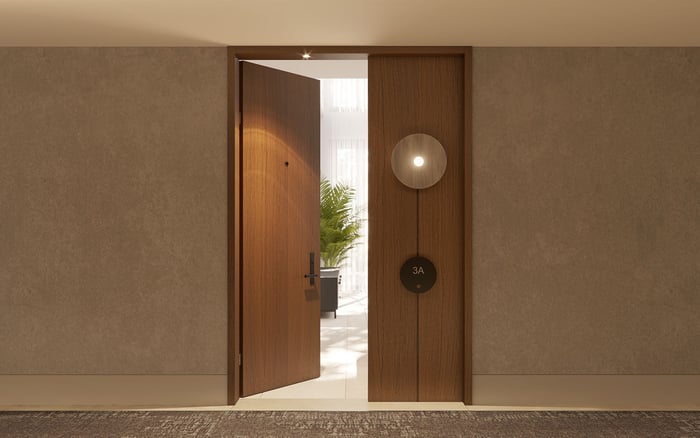
A discreet, buyer-forward look at what guard-gated living delivers in South Florida, from staffed entry control and visitor logs to design standards, smart access, and the pricing premium many buyers accept for peace of mind.
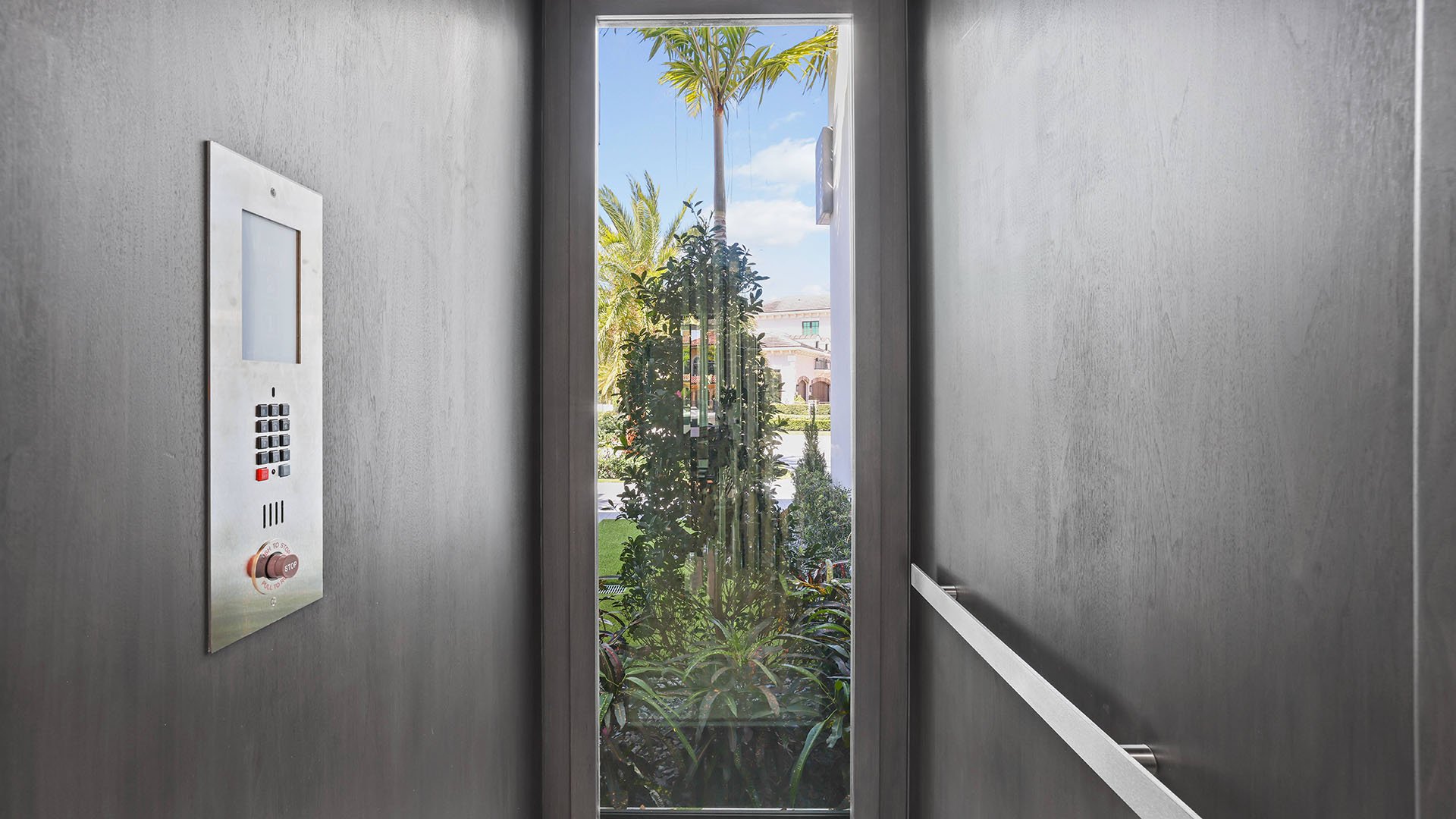
In South Florida, “guard-gated” is not a design flourish. It is an operating system defined by staffing, procedures, and shared expectations designed to make arrivals predictable, visitors traceable, and daily life less exposed. Buyers tend to frame the appeal in practical terms: a staffed entry point that verifies access, a visible deterrent, and confidence that the community is actively managed. That last point is critical. Guard-gated communities are typically paired with an association that maintains shared elements and enforces community rules. In luxury markets, that governance often includes architectural and design controls that protect the neighborhood’s visual cohesion. For second-home owners and frequent travelers, guard-gated living can feel like a true lock-and-leave upgrade. The objective is not just security, but fewer variables when you are away.
A cleaner way to think about pricing is to separate the idea of a gate from the quality of the security model behind it. Broadly, gated communities have been associated with an average premium of roughly $30,000 compared with comparable non-gated homes. Treat that number as directional rather than definitive, because the premium depends on what the community delivers and what it costs to operate. One counterintuitive dynamic is that when gated communities include club-style amenities such as a pool, tennis, or a clubhouse, the premium has been observed to drop by about $19,500. In practice, sophisticated buyers understand that expansive amenities can elevate lifestyle while also increasing carrying costs. The market sometimes prices that tradeoff accordingly. In other words, the buyer is not paying for a gate. The buyer is deciding whether the full package of access control, service cadence, shared facilities, and standards justifies the monthly and annual obligations.
At the high end, a guard-gated entry is typically a 24/7 staffed checkpoint where personnel verify entrants and manage access. The best-run communities treat entry as a consistent procedure, not an improvised decision. Standardized guard practices, documentation, and clear escalation steps are designed to reduce the weak-link moments that can emerge when policies drift. Many communities add roving patrols in addition to the gate, extending deterrence beyond the entry lane. Patrols can also deliver faster initial on-property response than waiting for off-site responders, simply because personnel are already nearby. Staffing quality matters. Security programs often reference background screening and licensing requirements, particularly for armed roles. For buyers, the takeaway is straightforward: confirm that staffing is built around training and accountability, not just headcount.
Luxury buyers are often more focused on discretion than drama. That is where modern visitor management can change the texture of daily life. Many gated communities now use systems that let residents pre-register guests, issue scannable credentials or codes, and maintain time-stamped logs. Compared with a paper clipboard, these systems can create a clearer audit trail and make it easier to review activity if something feels off. Some platforms also provide real-time visibility into expected versus arrived visitors, a subtle but meaningful upgrade for households coordinating staff, deliveries, and guests across multiple properties. The lifestyle implication is not only safety. It is reduced friction. A well-run visitor system can make arrivals smoother while still protecting the community’s standards.
Access control is moving toward automation, with two tools appearing more often in controlled-access environments. License plate recognition, or LPR, can streamline resident entry and flag unknown vehicles at the perimeter. For communities balancing convenience with vigilance, LPR is a practical middle ground: it reduces reliance on manual checks without removing human oversight. Biometrics are also marketed as alternatives to keys and cards, intended to reduce risks tied to lost or shared credentials. In residential settings, biometrics tend to be most compelling when paired with clear privacy policies and tight administrative control. Inside the home, luxury smart-home platforms increasingly emphasize centralized control across security subsystems such as alarms, cameras, and access. Remote monitoring and automation can support a lock-and-leave rhythm: lighting scenes, camera alerts, and access permissions that remain easy to manage from afar. For buyers who split time between coastal condos and inland estates, it helps to view the gate as the first layer and the home’s own system as the second. Gates can deter opportunistic crime, but they do not eliminate all risk. Layering is the adult version of peace of mind.
In ultra-premium neighborhoods, community governance can be as consequential as perimeter control. Associations typically maintain shared assets such as roads, landscaping, and gates, and they may enforce rules that shape everything from noise and parking to exterior modifications. Architectural and design controls can be a quiet value driver, especially in single-family settings where one out-of-character renovation can ripple across perceived quality. For certain buyers, that predictability is the point. For others, it can feel restrictive. The key is alignment: if you prize individuality above cohesion, a highly governed gated-community environment may feel limiting. If you value continuity and standards, governance can read as an asset.
Some homeowners may find potential insurance discounts in gated or secured communities, with more meaningful savings more likely when there is manned security rather than only an automatic gate. That benefit is not guaranteed, and it can vary by insurer and property profile. From a buyer’s perspective, the more material question is total operating cost: staffing, technology, maintenance, and the reserve posture for gates, roads, and shared landscaping. The market tends to reward communities that feel well-maintained and procedurally consistent, even when dues are higher, because neglect is immediately visible at the entry.
South Florida does not offer a single template for premium living. Some buyers want the vertical privacy and service density of a full-service tower. Others prioritize the psychological buffer of controlled access in a neighborhood of single-family homes. In Brickell, the appeal can lean toward concierge-driven access and integrated lifestyle infrastructure, where the gate is effectively the building itself. Residences like 2200 Brickell and Una Residences Brickell speak to buyers who want a managed arrival sequence, staff presence, and a sense of separation from the street without leaving the core. On Miami Beach, security preferences often intersect with exposure. A boutique oceanfront setting can offer a quieter perimeter experience, with fewer moving parts and fewer unknowns. 57 Ocean Miami Beach reflects the buyer who values discretion and controlled access as part of a smaller, more curated community. In Hallandale, newer luxury product often competes on a mix of privacy, amenities, and service. 2000 Ocean Hallandale Beach offers another expression of the same theme: controlled entry, a managed environment, and a lifestyle that supports part-time residency. The common thread is not geography. It is operational seriousness: staffed control, documented access, and a culture of standards.
Before treating “guard-gated” as a proxy for safety or value, pressure-test the operating model.
Ask how entry decisions are made, documented, and escalated
Confirm whether visitor access is pre-registered and time-stamped
Understand whether there are patrols and what their scope is
Review the association’s authority, design controls, and enforcement style
Evaluate how the community balances convenience with accountability
The most compelling guard-gated communities feel calm, not performative. The difference is usually process.
Do guard-gated communities usually command higher prices? Many do, and an average premium has been observed, but it varies by location and operating quality.
Is a staffed gate meaningfully different from an automatic gate? Yes, staffing adds verification and accountability that a simple barrier cannot provide.
Do amenities increase the value premium in gated communities? Not always; in some cases, club amenities have been associated with a lower premium.
What is the most important security feature beyond the gate? Consistent procedures plus documented visitor management often matter more than hardware.
Are patrols necessary if the gate is staffed? Patrols can extend deterrence and coverage beyond the entry, which some buyers prefer.
Can visitor systems improve day-to-day convenience? Yes, pre-registration and scannable credentials can reduce friction while keeping records.
Is license plate recognition common in luxury communities? It is increasingly used to automate entry and flag unknown vehicles in controlled access areas.
Do biometrics replace keys and fobs in residential settings? They can, but adoption depends on comfort with privacy policies and administrative control.
Does living behind gates eliminate security risk? No, it can deter opportunistic crime, but layered home security remains important.
Can living in a gated community reduce home insurance costs? Sometimes, with larger potential savings more likely when there is manned security.
For guidance on evaluating security, governance, and long-term resale in South Florida, connect with MILLION Luxury
If branded residences are on your mind — as a home or as an allocation — we would be glad to share what we are seeing, privately.
Begin a quiet conversation