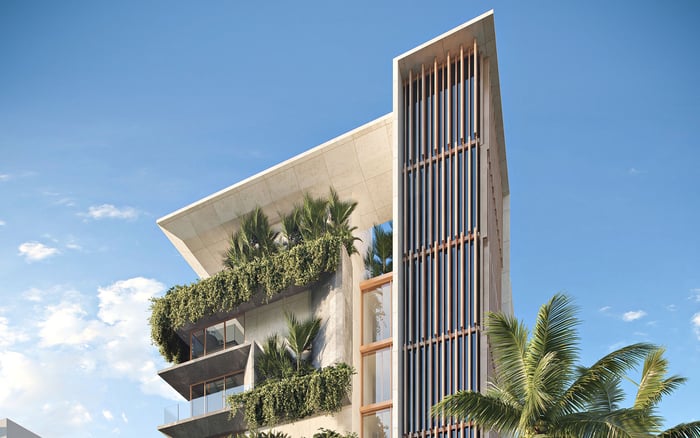
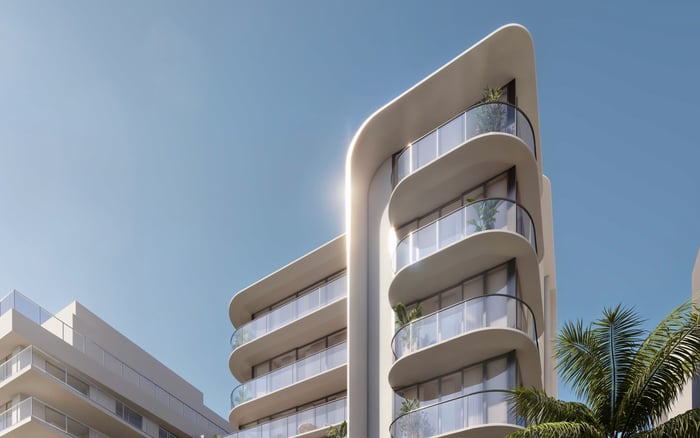
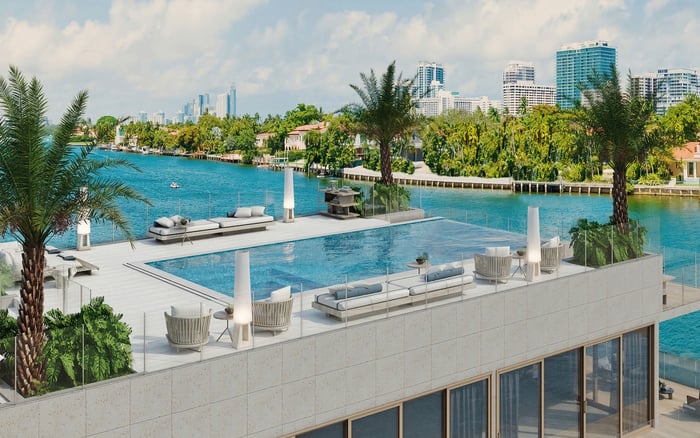
A buyer-focused guide to comparing La Maré, Alma, and Mila Bay Harbor Islands through resident privacy, security technology, and guest-screening expectations.
For ultra-premium buyers in Bay Harbor Islands, the most consequential luxury question is often not which residence has the most dramatic finish package or the most photogenic amenity deck. It is how daily life will feel once the owner, family, guests, drivers, vendors, and staff begin moving through the building. That is where the comparison among La Maré Bay Harbor Islands, Alma Bay Harbor Islands, and Mila Bay Harbor Islands becomes more nuanced.
Privacy, security technology, and guest screening are connected, but they are not interchangeable. Privacy is about visibility, discretion, and how often residents are exposed to other people’s routines. Security technology is about access, monitoring, credentialing, and incident prevention. Guest screening is the hospitality layer, shaping how smoothly friends, family, domestic staff, service providers, and short-notice visitors are admitted.
For buyers sorting the Bay Harbor Islands market through boutique, new-construction, exclusive-area, and waterview priorities, the practical question is not whether a building is luxurious. It is whether its version of exclusivity matches the owner’s temperament.
A privacy-first buyer wants to minimize casual exposure. This buyer should focus on lobby sightlines, the arrival sequence, elevator access, package handling, amenity reservations, service paths, parking or valet circulation, and the degree to which visitor movement intersects with resident routines.
A security-tech-first buyer wants assurance that access points, surveillance coverage, credentialing, staff training, emergency protocols, and after-hours procedures are deliberate and professionally managed. More technology does not automatically equal greater privacy. Cameras, apps, access logs, and digital touchpoints can enhance control, but they can also create more recorded interactions.
A hospitality-first buyer entertains often and values ease. For this owner, strict screening may feel protective in theory but cumbersome in practice. The dinner guest, private chef, driver, visiting relative, dog walker, or last-minute maintenance appointment can reveal whether a building’s policies feel elegant or obstructive.
La Maré Bay Harbor Islands should be evaluated through the full chain of resident exposure. The essential questions are not only whether access is controlled, but how the building’s scale, staffing model, arrival sequence, amenity exposure, and visitor flow work together.
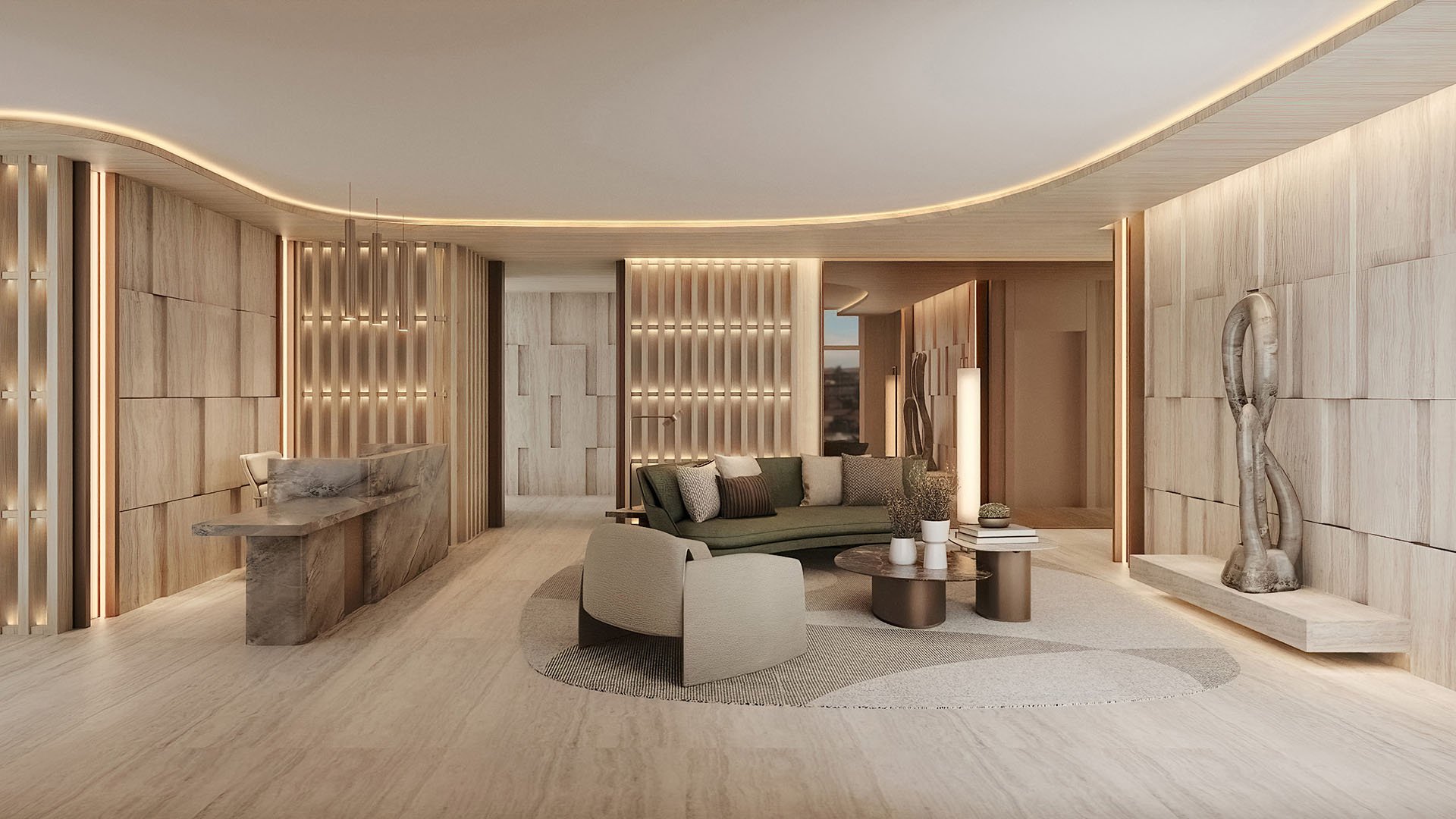
For a privacy-sensitive buyer, La Maré’s appeal depends on how cleanly private life can be separated from guest traffic. Does the lobby feel like a passage or a stage? Are visitors naturally contained, or do they move through the same areas residents use at their most unguarded moments? How are packages, vendors, and deliveries routed? How visible are residents when arriving from parking, valet, or the street?
Security-minded buyers should ask about controlled-access points, after-hours practices, staff training, surveillance coverage, emergency procedures, and credentialing. The objective is not to identify one impressive device. It is to understand whether the entire system operates as a coherent residential protocol.
Alma Bay Harbor Islands invites a different line of questioning. The buyer should determine whether the residential experience feels quietly neighborhood-oriented or more amenity and socially driven. Neither outcome is inherently better. The right answer depends on the owner’s social rhythm.
A buyer who hosts dinners, receives visiting family, uses drivers, schedules wellness professionals, or depends on household staff should study guest screening in detail. Flexible protocols can make daily life feel graceful. Stricter policies can increase reassurance, but they may also add friction if the owner’s calendar changes frequently.
Privacy-first buyers should examine whether common areas create casual overlap or allow residents to pass through discreetly. The issue is not simply the number of amenities. It is whether those amenities place residents in repeated view of guests, vendors, or other households. A socially engaged owner may welcome that energy. A more guarded owner may prefer a quieter sequence from arrival to residence.
Mila Bay Harbor Islands should be considered through the lens of boutique-building intimacy, visitor-management policies, and common-area exposure. Smaller-scale living can feel personal and discreet, especially when staff know residents and guest movement is deliberate. Yet boutique does not automatically mean more private.
The outcome depends on details: where guests wait, how vendors are admitted, whether deliveries are handled away from resident circulation, how amenity reservations are managed, and whether common spaces create unavoidable encounters. In a boutique environment, each interaction can feel more personal, but it can also feel more noticeable if circulation is not carefully planned.
Mila may be especially compelling for buyers who rarely host and prefer deliberate access. These owners often value a building where guest movement is tightly managed and staff familiarity becomes part of the privacy architecture. For frequent entertainers, that same deliberateness should be tested against real-life scenarios.
Before comparing finishes, ask each sales team or eventual association representative to walk through a normal day. Start with arrival. Where does a resident enter? Who can see them? How are guests announced? What happens when a driver arrives early, a vendor is delayed, or a family member comes without notice?
Then move to technology. Ask what access points are controlled, how credentials are issued, how after-hours access works, and how emergency protocols are handled. Avoid being dazzled by vocabulary. A restrained, well-run protocol may serve a private household better than a highly digitized experience that records or exposes more activity than the owner prefers.
Finally, test hospitality. If you entertain twice a week, ask how many names can be pre-cleared, how last-minute guests are handled, and how domestic staff or recurring vendors are processed. If you almost never host, ask how tightly nonresidents are contained and how staff distinguish between expected and unexpected visitors.
La Maré is the project to evaluate with the broadest privacy audit, from building scale and staffing to arrival, amenities, and visitor circulation. Alma is the project to test against your social life, especially whether it feels neighborhood-discreet or more hospitality-forward. Mila is the project to examine for boutique intimacy, deliberate guest movement, and the way common areas shape resident exposure.
The best choice is not necessarily the building with the most visible security posture or the smallest footprint. It is the building whose privacy expectations, security technology, and guest-screening culture match the way you actually live.
Is privacy the same as security in Bay Harbor Islands condos? No. Privacy concerns visibility and discretion, while security concerns access control, monitoring, and prevention.
Which project is best for a privacy-first buyer? La Maré should be evaluated most broadly for privacy because the decision turns on scale, staffing, arrival, access, and visitor flow.
Which project should frequent hosts study most carefully? Alma deserves close attention from frequent hosts because guest-screening flexibility can materially affect dinners, drivers, family visits, and services.
Does a boutique building always offer better privacy? Not automatically. Mila’s boutique feel should still be tested against staffing, access points, amenity layout, and visitor procedures.
What should security-focused buyers ask about first? Ask about controlled-access points, surveillance coverage, credentialing, staff training, emergency procedures, and after-hours protocols.
Can advanced security technology reduce privacy? It can, depending on implementation. More apps, cameras, and access logs may create more recorded touchpoints.
Why does guest screening matter so much? It affects the ease of admitting friends, vendors, drivers, domestic staff, and short-notice visitors into daily life.
What should discreet owners inspect during a tour? Study lobby visibility, elevator access, package delivery, service entries, parking circulation, and amenity reservation procedures.
Is the most secure building always the best choice? Not always. The best fit balances protection with the owner’s desired level of discretion and hospitality.
What is the best way to shortlist comparable options for touring? Start with location fit, delivery status, and daily lifestyle priorities, then compare stacks and elevations to validate views and privacy.
For a discreet conversation and a curated building-by-building shortlist, connect with MILLION.
If branded residences are on your mind — as a home or as an allocation — we would be glad to share what we are seeing, privately.
Begin a quiet conversation