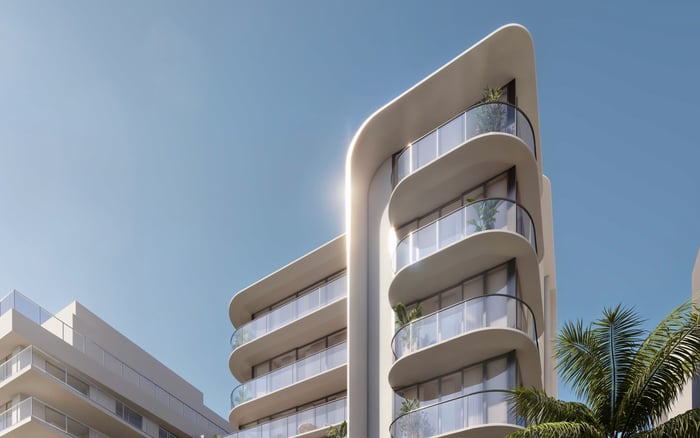
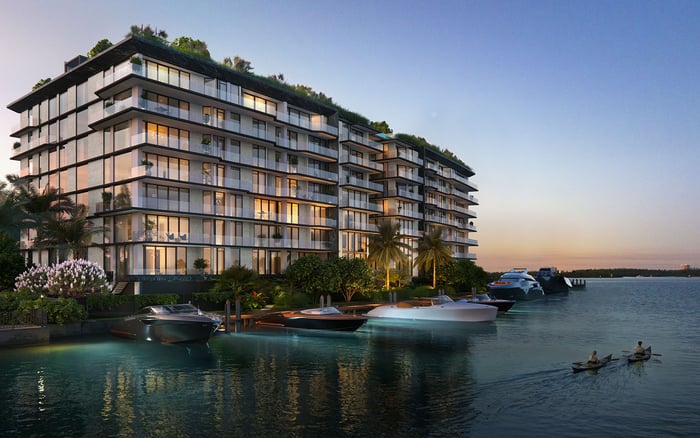
La Maré Bay Harbor Islands is best understood as a case study in quieter waterfront ownership, where boutique scale, design discipline, and daily livability shape the value conversation.
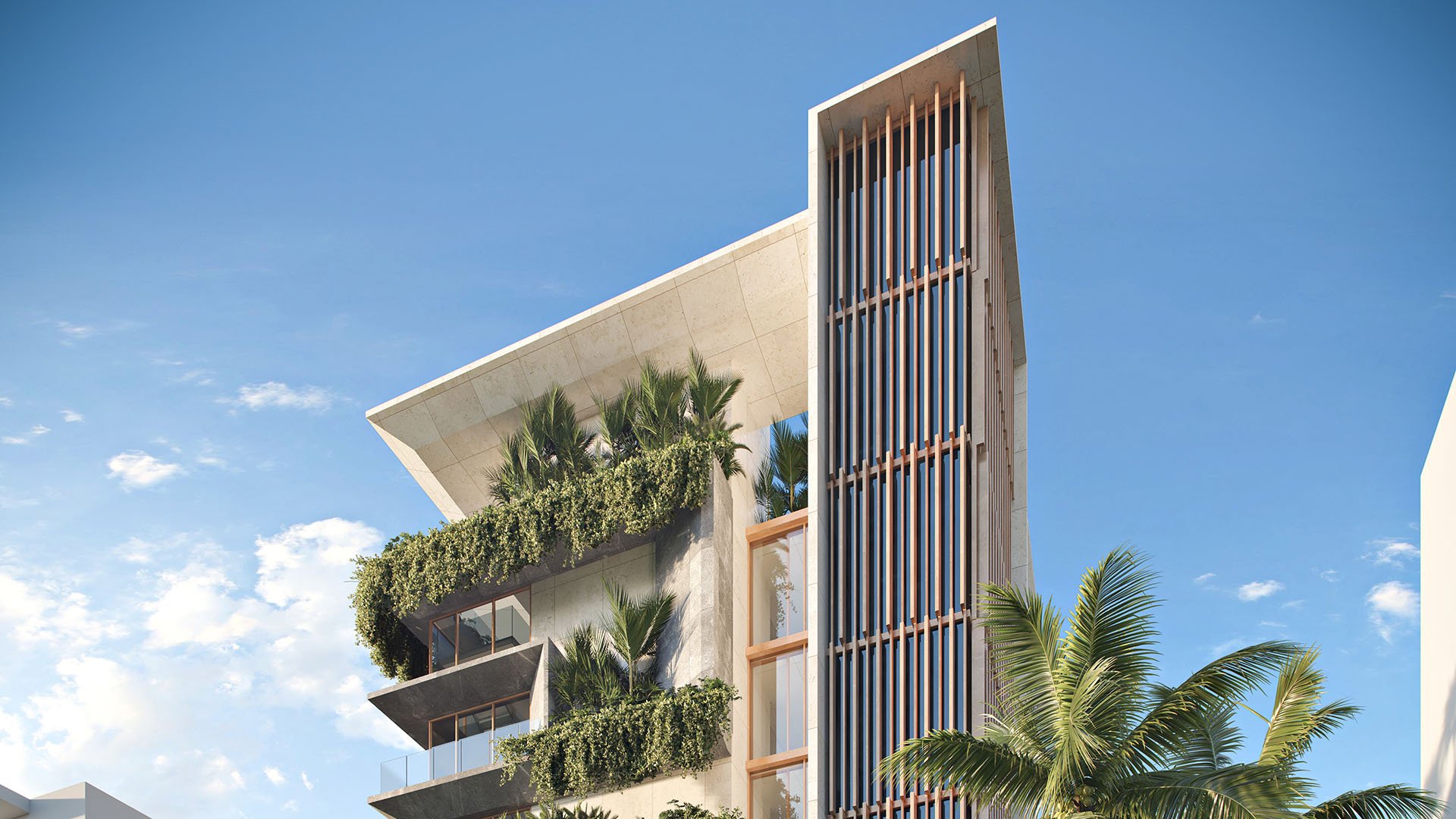
In Bay Harbor Islands, luxury reads differently than it does along Miami’s most vertical corridors. The appeal is not built on height, spectacle, or the public theater of a destination tower. It is more residential, more measured, and more concerned with how a home supports daily life. That context is essential to understanding La Maré Bay Harbor Islands, a waterfront condominium concept that belongs in the conversation around design-forward ownership rather than resort-style transience.
La Maré Bay Harbor Islands is compelling because it places design at the center of the ownership proposition. In this setting, architecture, interiors, craftsmanship, and waterfront planning are not decorative extras. They shape how value is understood. For a buyer considering Bay Harbor Islands, the question is not simply whether a residence is new, well located, or amenitized. The more refined question is whether the home feels composed enough for long-term living.
That is where La Maré’s relevance begins. It sits within a low- to mid-rise residential environment where scale matters and where the experience of coming home can feel more discreet than performative. For many buyers, Bay Harbor has become shorthand for a quieter alternative to the larger, branded, glass-led markets nearby.
Boutique is not merely a marketing word in Bay Harbor Islands. It is a design condition. A smaller residential setting allows the focus to shift toward proportions, privacy, arrival, light, materials, and the rhythm of daily use. In the case of La Maré, the boutique narrative is strongest when considered through how residents may actually live in the space, not simply through an amenity checklist.
That distinction matters in a region where luxury development often competes on scale. Across South Florida, buyers encounter branded residences, dramatic towers, and amenity-led promises. Those can be persuasive, but they are not the only version of modern luxury. Bay Harbor Islands supports a more intimate definition, one in which the residence itself becomes the primary amenity.
The neighboring design conversation reinforces this point. Projects such as Onda Bay Harbor and Origin Bay Harbor Islands show how the area has become a canvas for waterfront and boutique residential planning. La Maré fits that context by emphasizing the relationship between architecture and ownership, rather than asking buyers to measure value by spectacle alone.
Waterfront living in Bay Harbor Islands is strongest when it feels integrated into the home. At La Maré, the waterfront idea is framed around ownership and daily livability. The water view becomes less about a postcard moment and more about atmosphere, orientation, and the way a residence can feel calm over time.
That is an important distinction for ultra-premium buyers who are increasingly selective about how they define lifestyle. A resort-like environment can be attractive for short visits, but long-term ownership often calls for a different set of priorities. Quiet circulation, thoughtful interiors, and a residential mood can become more valuable than public-facing grandeur.
La Maré’s waterfront positioning is therefore not only about location. It is about the way water supports a softer form of luxury. The buyer who responds to this kind of project is likely considering how mornings, evenings, hosting, privacy, and retreat come together. In that sense, design is not an aesthetic layer. It is the operating system of the residence.
Bay Harbor Islands gives this conversation credibility because the neighborhood does not need to imitate Miami’s most intense urban markets. Its low- to mid-rise residential character makes boutique development feel contextual. A project like La Maré can be read as part of the neighborhood’s quieter luxury identity, rather than as a smaller version of a tower concept that belongs elsewhere.
This is also why new-construction buyers in Bay Harbor Islands often evaluate more than finishes and floor plans. They look for a residential atmosphere that feels durable. They consider whether a building’s design language will age gracefully. They think about how the project contributes to a calmer ownership experience.
The area’s broader pipeline of design-conscious residences strengthens that idea. Alana Bay Harbor Islands adds another example of the neighborhood’s boutique residential direction, while The Well Bay Harbor Islands reflects the demand for projects with a clear concept beyond simple luxury labeling. La Maré belongs in this same conversation, but its emphasis is especially relevant where waterfront living, craftsmanship, and long-term occupancy overlap.
The most interesting way to evaluate La Maré is not as a standalone condo, but as a case study in design defining ownership value. In South Florida, luxury buyers have become fluent in brand names, service programs, and amenity narratives. Yet the more enduring value often comes from quieter decisions: how a plan functions, how materials feel, how views are composed, and how the building respects its setting.
This is the design-forward ownership conversation. It rewards restraint, coherence, and residential intelligence. It also suits Bay Harbor Islands, where the neighborhood atmosphere supports a more private expression of wealth. For buyers who do not need a building to announce itself loudly, La Maré presents a different kind of confidence.
That does not make it anti-luxury. It makes it more precise. The project’s significance comes from the intersection of boutique scale, waterfront living, and design-led planning. In a market full of competing statements, La Maré suggests that the most persuasive statement may be a home designed to be lived in well.
What makes La Maré Bay Harbor Islands design-forward? Its positioning centers on architecture, interiors, craftsmanship, and daily livability rather than spectacle alone.
Is La Maré Bay Harbor Islands considered a waterfront concept? Yes. It is framed as a waterfront condominium concept shaped around ownership and residential use.
How does Bay Harbor Islands influence the project’s appeal? The neighborhood’s low- to mid-rise residential atmosphere supports a quieter, more boutique form of luxury.
Is this more of a primary residence or resort-style idea? The ownership narrative leans toward refined long-term occupancy rather than transient resort-style use.
Why does boutique scale matter here? Boutique scale can make privacy, proportion, and the daily experience of the home feel more central.
How is La Maré different from larger Miami condo trends? It contrasts with glass towers, branded residences, and amenity-led marketing by emphasizing design and livability.
Does the article compare La Maré to other Bay Harbor projects? Yes. It places La Maré within a broader Bay Harbor Islands conversation around intimate, design-conscious ownership.
What type of buyer may respond to La Maré? A buyer who values waterfront calm, residential discretion, and a home designed for regular use may find it compelling.
Is location the only value driver for La Maré? No. Its differentiation is best understood through design details, residential experience, and boutique planning.
What is the best way to shortlist comparable options for touring? Start with location fit, delivery status, and daily lifestyle priorities, then compare stacks and elevations to validate views and privacy.
For a discreet conversation and a curated building-by-building shortlist, connect with MILLION.
If branded residences are on your mind — as a home or as an allocation — we would be glad to share what we are seeing, privately.
Begin a quiet conversation