A discreet buyer’s guide to reviewing building access logs before selecting a smart residence in South Florida’s luxury condominium and waterfront markets.
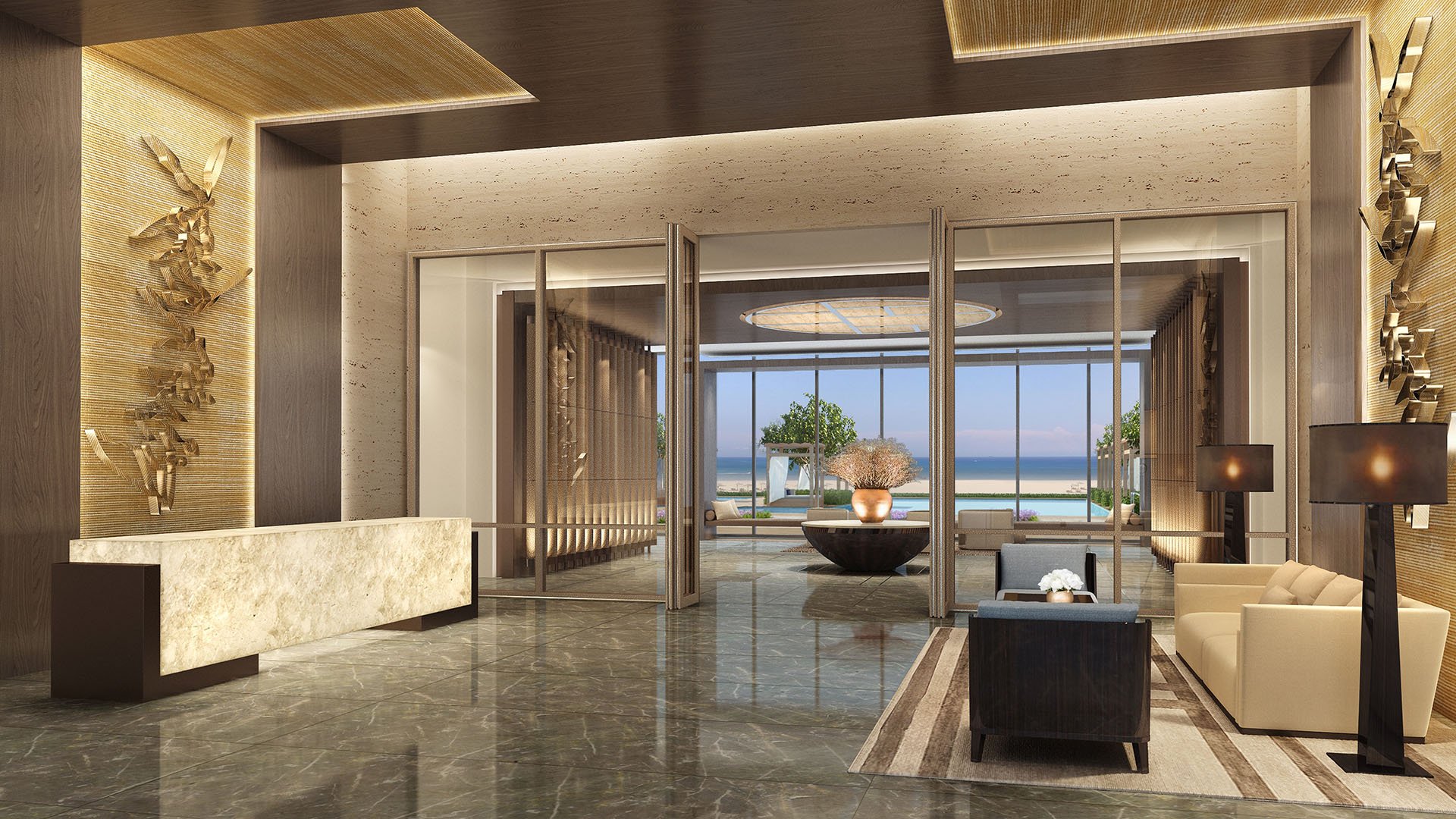
In a luxury residence, privacy is not defined only by thick walls, private elevators, and attentive staff. It is also defined by records. The most sophisticated buildings now rely on layered access systems: fobs, mobile credentials, visitor permissions, service entrances, package rooms, garage gates, amenity doors, elevator controls, and sometimes residence-level integrations. Each touchpoint may create a log, and those logs can show a discerning buyer how the building truly functions.
Reviewing building access logs before choosing a smart residence is not about suspicion. It is about literacy. A buyer who studies finishes but ignores access behavior is seeing only the visible half of the home. The invisible half is operational: who can enter, how entry is granted, how long permissions last, how vendors circulate, how guests are approved, and whether the building’s digital architecture supports the lifestyle being purchased.
In South Florida, where a residence may serve as a primary home, seasonal retreat, family base, or investment asset, these questions deserve the same attention as views, ceiling heights, parking, and private outdoor space.
An access log is not merely a security artifact. Read correctly, it becomes a portrait of building rhythm. It may show how often common doors are used, whether amenity areas draw heavy traffic at predictable times, how vendor access is structured, and whether staff protocols appear consistent. It can also help a buyer distinguish between a building marketed as private and one that operates privately.
In Brickell, for example, many buyers are drawn to the efficiency of urban living, direct elevator arrival, and proximity to dining and offices. A smart-residence review should ask how those conveniences are balanced with guest control, garage access, package handling, and after-hours vendor movement. In Aventura and Surfside, where buyers may be comparing quieter residential atmospheres, access patterns can help clarify whether the building’s operations match the promise of calm.
The same applies to lifestyle spaces. A balcony may sell the view, while a pool, fitness room, spa, or marina may sell the daily ritual. Access logs help reveal how these shared environments are managed, not just how they are photographed.
Before contract, a buyer should ask what types of access records the building maintains and whether they can be reviewed in an appropriate, privacy-conscious format. The goal is not to obtain personal details about residents. The goal is to understand procedures, categories, and patterns.
Useful questions include: Which entry points are logged? Are visitor credentials temporary or recurring? How are household staff, dog walkers, drivers, nurses, trainers, and chefs credentialed? Who approves vendor access to private floors? Are garage entries tied to individual credentials? Are amenity doors included? Can a resident see activity associated with their own unit? How are lost devices or revoked credentials handled?
A building with a refined access culture will usually be able to answer these questions clearly. The strongest answer is rarely the most technical one. It is the answer that explains responsibility: who controls permissions, who audits them, and who responds when an exception occurs.
Discretion matters. Access logs involve privacy, and buyers should expect appropriate redaction and process. In many cases, a purchaser will not need names, unit numbers, or personal histories. A summary of procedures, sample anonymized records, access categories, or management’s written policy may be enough to evaluate the building.
The review should focus on governance. If the building offers app-based entry, ask whether credentials are personal or easily shared. If household staff receive access, ask whether permissions are limited by day, time, area, or duration. If vendors use service elevators, ask how access is approved and whether recurring vendors are periodically reviewed. If amenities are controlled digitally, ask whether guests can enter independently or must be accompanied.
This is where a smart residence becomes more than a collection of devices. The true luxury is not the app on the phone. It is the confidence that every permission has an owner, every exception has a protocol, and every system has a human being accountable for its use.
South Florida’s luxury market has a particular relationship with access. Many owners travel frequently. Some residences are occupied seasonally. Some households rely on private staff, visiting family, wellness providers, yacht crews, art handlers, pet care, or estate managers. A residence may be quiet for weeks, then become highly active during holidays, events, or school breaks.
That pattern makes access governance central to ownership. A smart building should accommodate flexible living without allowing permissions to become loose or permanent by default. Temporary guests should not quietly become indefinite credentials. A one-time vendor should not remain in the system months after service. A staff member who no longer works for the household should not retain frictionless entry because no one remembered to revoke access.
This is especially important in buildings that emphasize privacy as part of their value proposition. Privacy is not simply a low unit count or a guarded lobby. It is the discipline of limiting movement to the right people, at the right time, through the right path.
Access-log review can influence a purchase in several ways. It may reinforce confidence in a building. It may highlight questions for the association, manager, developer, or seller. It may prompt a buyer to request clarification before closing. It may also help compare two otherwise similar residences, especially when both offer strong architecture, water views, and services.
For the ultra-premium buyer, the issue is not whether a building has technology. Most do, in some form. The issue is whether that technology is governed with restraint. A well-run smart residence should make life easier without making the ownership environment porous. Convenience should not come at the expense of discretion.
Buyers should also consider how access data will fit into their own household management. A family office, estate manager, or trusted advisor may need a defined role. If the owner travels often, the building’s systems should support remote awareness without creating unnecessary exposure. If the residence will host family members, staff, and guests, permissions should be organized from the start rather than improvised after closing.
In the end, reviewing access logs is a quiet form of luxury due diligence. It protects the serenity that high-value buyers are trying to acquire. It turns a glossy promise of smart living into a more disciplined question: does this building know who is inside, why they are there, and how access is controlled?
Should every luxury buyer review building access logs before purchasing? Buyers should at least review access policies and request an appropriate summary of access-log practices. The depth of review depends on the building, the buyer’s privacy needs, and the transaction context.
Can a buyer ask to see names from another resident’s access history? No. That is usually unnecessary and inappropriate. The better request is for redacted patterns, policy details, and examples of how permissions are granted and revoked.
What is the most important access-log question to ask? Ask who has authority to grant, modify, and revoke access. Clear accountability is often more valuable than a long list of technical features.
Do smart locks make a residence automatically more private? Not by themselves. Smart locks improve privacy only when credentials are controlled, monitored, and removed when no longer needed.
Should vendor access be part of the review? Yes. Service providers are essential to luxury living, but recurring vendor permissions should be limited, documented, and periodically reviewed.
Do amenity access logs matter? They can. Amenity records may reveal how shared spaces are managed and whether guest use aligns with the lifestyle a buyer expects.
Is this review relevant for seasonal owners? It is especially relevant. Seasonal owners often depend on staff, vendors, and remote coordination, which makes permission control more important.
Can access-log issues affect resale value? They can influence buyer confidence. A building with disciplined access governance may feel more credible to privacy-focused purchasers.
What should a buyer do if the building cannot explain its access procedures? Treat that as a prompt for further diligence. A sophisticated property should be able to describe how access is granted, monitored, and revoked.
Is access-log review only a security concern? No. It is also a lifestyle, privacy, staffing, and operations concern, especially in buildings designed around smart-residence convenience.
When you're ready to tour or underwrite the options, connect with MILLION.
If branded residences are on your mind — as a home or as an allocation — we would be glad to share what we are seeing, privately.
Begin a quiet conversation