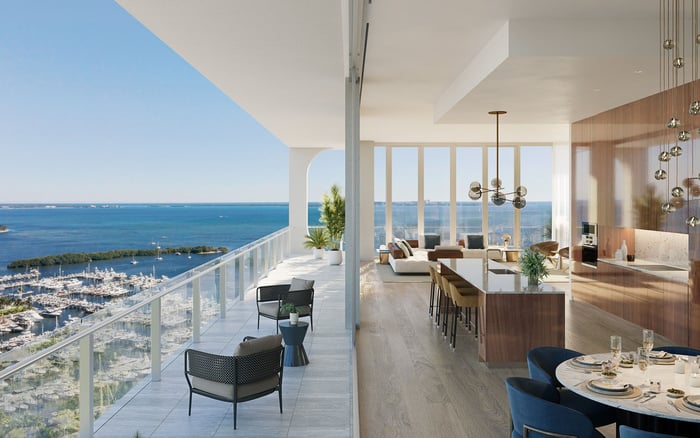
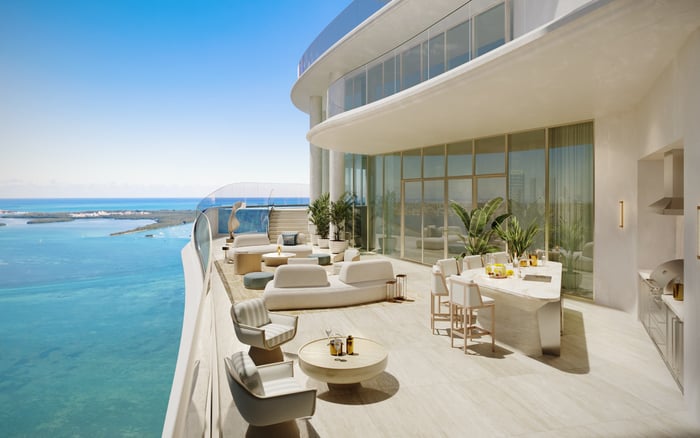
A practical luxury buyer’s guide to evaluating HOA fees, service staffing, reserves, and family lifestyle needs before choosing a Key Biscayne condominium or residence.
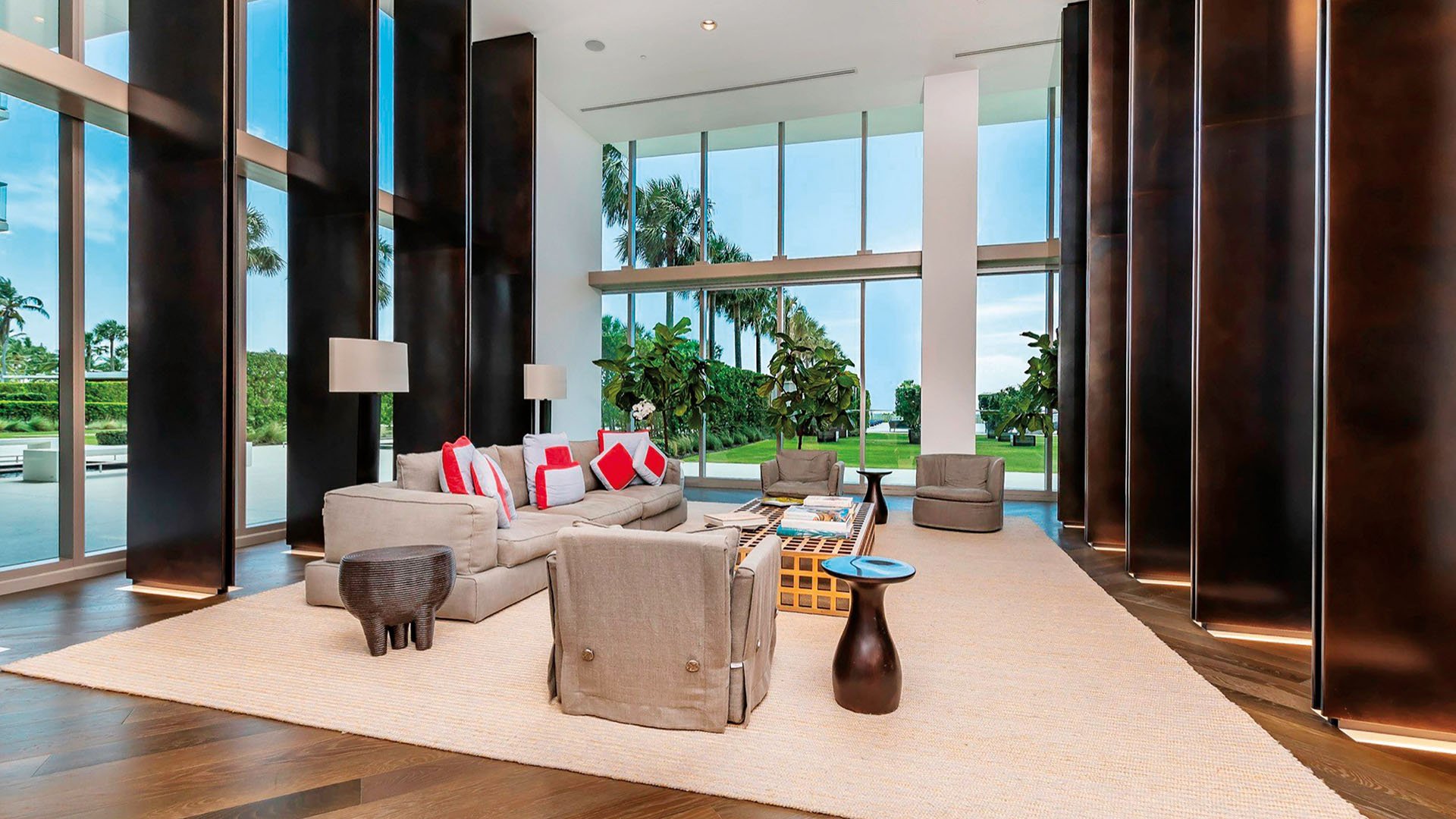
For families considering Key Biscayne, the monthly HOA fee is only the surface of a much larger decision. The better question is what that fee is designed to protect: the building, the staff, the privacy, the amenities, the insurance posture, the ease of daily arrival, and the long-term character of ownership.
In a luxury family purchase, value is rarely defined by the lowest carrying cost. A lean fee can look appealing until it results in thinner staffing, deferred maintenance, slower response times, or special assessments that disrupt financial planning. A higher fee can feel expensive until it proves to be the mechanism that keeps the property polished, secure, and predictable.
Key Biscayne buyers should therefore treat HOA analysis as lifestyle analysis. The right condominium or residential community is not simply where a family sleeps. It is where children return from school, guests arrive for weekends, packages are handled, cars are received, service providers are coordinated, and common spaces quietly shape the quality of everyday life.
A family buyer should begin by separating fixed obligations from discretionary comforts. Fixed obligations include the structural, insurance, maintenance, reserve, management, and compliance needs that keep a property sound. Discretionary comforts are the services and amenities that make living there feel effortless.
The mistake is to treat all HOA fees as comparable on a dollar-per-square-foot basis alone. That can be a useful starting point, but it does not explain what one building is actually delivering versus another. A residence with deeper staff coverage, more common areas, more water exposure, or more hospitality-style services may naturally carry a different expense profile than a quieter boutique building.
Ask what the association is prioritizing. Is the budget oriented toward preventive maintenance or reactive repair? Are reserves treated as a long-term discipline? Does staffing match the lifestyle being marketed? Are amenities funded well enough to remain attractive years after purchase? Families planning to hold for an extended period should be especially attentive to whether the budget supports consistency, not just appearances.
Service staffing is often the part of a building that families appreciate most after they move in. A polished lobby, a responsive front desk, reliable maintenance, attentive valet, and thoughtful property management can reduce friction in dozens of small ways each week.
For parents, staffing is also about rhythm and confidence. Who receives deliveries when the family is not home? How are vendors screened and coordinated? How quickly are maintenance issues handled? What happens when relatives visit, children need access, or a car must be ready during a busy morning? These questions can matter more than a rarely used amenity.
The correct staffing model depends on how a family actually lives. A full-time local household may value responsiveness, continuity, and familiarity with staff. A second-home family may value access control, arrival preparation, and property oversight. A multigenerational household may prioritize ease of entry, guest coordination, and a calm lobby experience.
When touring a building such as Oceana Key Biscayne, buyers should pay attention not only to the residence itself but also to the choreography of the property: how the arrival feels, how staff interact, how common areas are maintained, and whether the service culture feels natural rather than performative.
Family buyers are often presented with a long menu of amenities. The better exercise is to identify which amenities will genuinely be used and which simply increase the operating burden.
A pool, fitness area, social room, child-friendly spaces, beach or water-oriented conveniences, storage, parking, and outdoor areas can each matter differently depending on the household. Waterfront expectations should be matched to practical maintenance realities, privacy preferences, and the way the family spends weekends.
A highly amenitized property can be ideal when the family will use those services frequently. If not, the same amenity package may become an expensive aesthetic. Conversely, a more restrained building may be ideal for a family that values privacy, larger residences, and simplicity over programming.
This is where comparing Key Biscayne with other luxury contexts can sharpen judgment. A buyer looking at Una Residences Brickell may be weighing a different daily rhythm than a buyer focused on Key Biscayne. A family also considering The Ritz-Carlton Residences® Miami Beach may be evaluating a more hospitality-forward service expectation. The point is not to rank one against another, but to understand which operating model fits the household.
Every family should review association rules with the same seriousness as finishes and views. The rules govern pets, guests, service providers, renovations, deliveries, parking, noise, amenity access, leasing, and move-in procedures. These are not small-print concerns. They define the lived experience.
For families with young children, the tone of the building matters. Is the environment formal, relaxed, seasonal, social, quiet, or highly private? Does the property feel comfortable for daily family life, or does it feel better suited to occasional use? Private-school planning, commute patterns, sports schedules, and household staffing should all be tested against the building’s procedures.
Privacy also deserves close attention. A family may prefer a building with fewer residences, controlled access, and a discreet culture. Another family may welcome a more active community with visible amenities and regular interaction. Neither is inherently superior. The right answer is the one that supports the family’s habits without requiring constant compromise.
Key Biscayne has a distinct appeal for buyers who want a quieter residential setting while remaining connected to Miami’s broader luxury market. Still, family buyers should compare it thoughtfully with Coconut Grove, Brickell, Miami Beach, Coral Gables, and other established enclaves.
The comparison should not be only about price. It should include school routines, weekend patterns, staff needs, driving preferences, boating or beach habits, dining frequency, and how often the family expects to host. A household drawn to a village-like residential cadence may read Key Biscayne differently than one seeking immediate urban access.
For example, a family comparing Park Grove Coconut Grove with a Key Biscayne option may be thinking about neighborhood texture as much as architecture. The right decision emerges when the residence, building rules, HOA budget, staffing, and family schedule all point in the same direction.
Before choosing Key Biscayne, family buyers should request and review the association budget, reserve information, recent meeting minutes, insurance details, current rules, staffing structure, management contacts, pending capital projects, pet policies, guest procedures, leasing restrictions, parking assignments, storage details, and move-in requirements.
They should also ask direct questions. How many staff members are typically present at key times? Which services are included in the monthly fee, and which are billed separately? How are emergencies handled? What work is anticipated over the next several years? Are there recurring complaints in the community? How quickly does management respond?
A sophisticated buyer will also compare the fee to the lifestyle delivered. If a building promises elevated living, the staffing and maintenance model should be evident. If a building offers simplicity, the budget should reflect disciplined restraint. In either case, the numbers must make sense for the family’s intended use.
The essential advice is simple: do not buy the postcard version of a property. Buy the operating reality.
Should families avoid high HOA fees in Key Biscayne? Not automatically. A higher fee may be justified if it supports strong staffing, maintenance, reserves, and amenities the family will actually use.
What is the first HOA document a family should review? Start with the current budget, then review reserves, rules, meeting minutes, and any planned capital work.
Why does service staffing matter so much? Staffing influences security, responsiveness, vendor coordination, arrivals, deliveries, and the overall ease of daily family life.
Are amenities always worth paying for? Only if they align with the household’s real habits. Unused amenities can increase costs without improving daily life.
How should second-home buyers think about staffing? They should focus on access control, property oversight, arrival preparation, and reliable communication when they are away.
Do building rules affect family life? Yes. Rules around guests, pets, renovations, noise, parking, and amenities can shape the experience as much as the residence itself.
Should families compare Key Biscayne with other Miami areas? Yes. Comparing lifestyle, access, service models, and daily routines can clarify whether Key Biscayne is the right fit.
What makes a good HOA fee feel worthwhile? It feels worthwhile when the building is well maintained, staff are responsive, reserves are disciplined, and services reduce friction.
Can a lower HOA fee be a warning sign? Sometimes. Buyers should ask whether the fee is low because the building is efficient or because important costs are being deferred.
What should families prioritize before making an offer? They should prioritize the budget, reserves, staffing, rules, maintenance quality, and how the building supports their actual routine.
To compare the best-fit options with clarity, connect with MILLION.
If branded residences are on your mind — as a home or as an allocation — we would be glad to share what we are seeing, privately.
Begin a quiet conversation