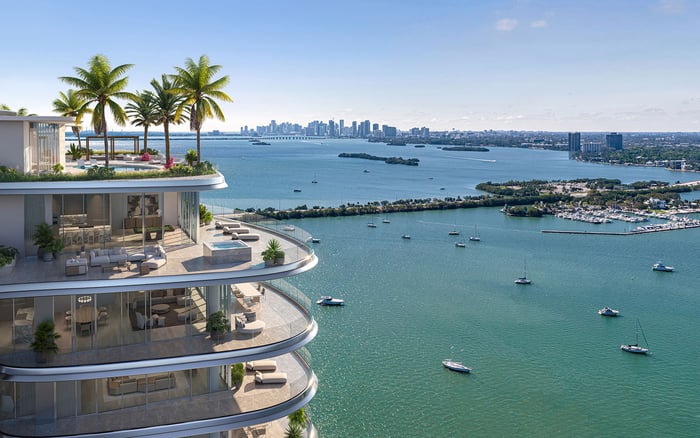
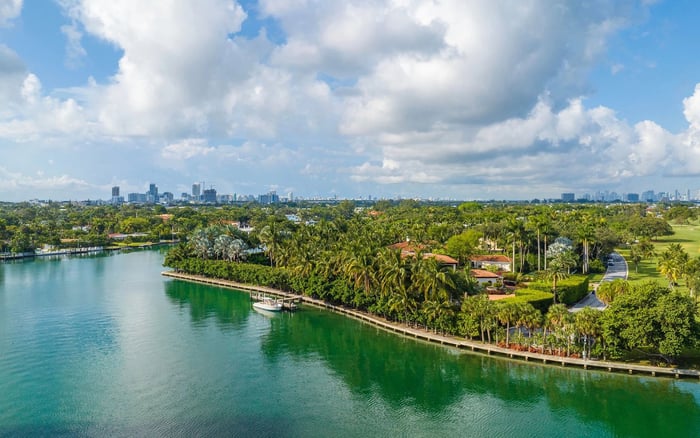
A buyer-focused guide to insurance diligence at Tula Residences North Bay Village, with emphasis on windstorm coverage, flood considerations, deductible exposure, reserves, and the questions sophisticated condo buyers should ask before closing.
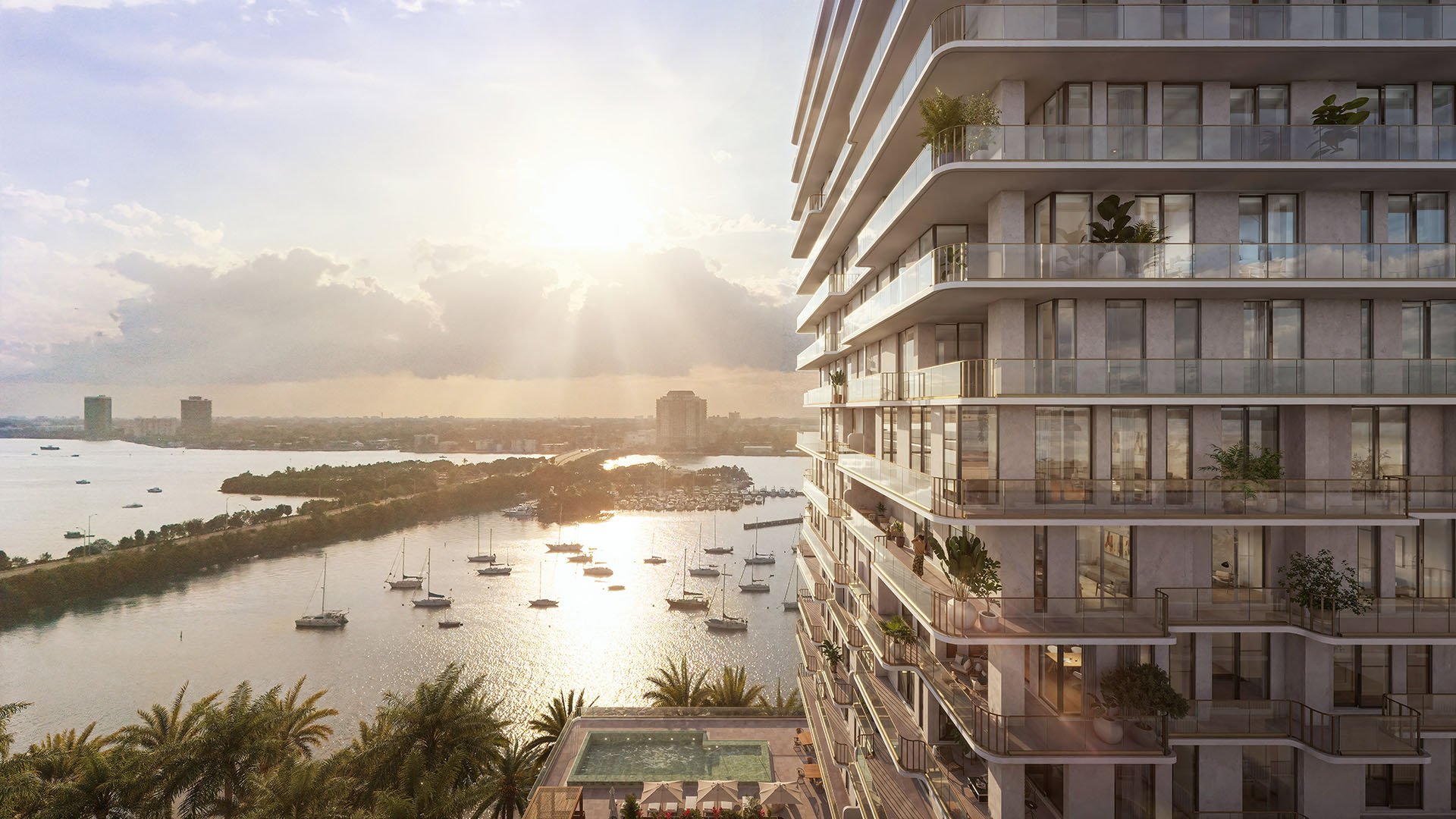
At Tula Residences North Bay Village, insurance diligence should be treated as part of the acquisition strategy, not as a post-contract administrative step. In South Florida luxury real estate, especially for coastal condominium assets, the sophistication of a purchase is measured not only by views, finishes, amenities, and floor plan, but by how clearly a buyer understands risk allocation.
The central question is not simply whether a condominium association carries insurance. The sharper question is what the association policy covers, what it excludes, how deductibles are structured, how the association intends to fund deductible events, and whether reserves are sufficient for a building exposed to wind, water, and long-term maintenance pressures. For a buyer considering Tula within North Bay Village, the diligence lens must be both lifestyle-oriented and forensic.
This is a buyer’s guide issue because it touches every serious decision point: financing, closing confidence, future assessments, resale liquidity, and the real cost of ownership. A waterfront or coastal residence can be compelling, but buyers should still ask detailed questions early.
Wind exposure is one of the defining insurance issues in South Florida condominium ownership. Buyers should request the association’s insurance summary, declarations pages when available, deductibles, exclusions, carrier structure, and any information explaining how windstorm coverage is placed. The language matters. A headline premium figure is less useful than the interplay of limits, deductibles, exclusions, and funding strategy.
The most important item is the wind deductible. In condominium buildings, wind deductibles are often expressed differently than ordinary property deductibles, and an owner’s exposure may depend on whether a loss is handled at the building level, the unit level, or both. A buyer should understand whether the association has a plan for funding a deductible event through reserves, special assessment authority, financing, or some combination of those tools.
This does not make a residence unattractive. It changes the underwriting conversation. A sophisticated buyer views wind diligence the way a collector reviews provenance or a family office reviews tax structure. The asset may be beautiful, but the documents define the risk.
Flood review is equally important in low-lying coastal environments. Buyers should ask whether the association carries flood insurance, what portions of the property are covered, how limits are structured, and whether any exclusions or gaps could affect common areas, garages, mechanical systems, lobbies, storage, or amenities.
The distinction between association responsibility and owner responsibility is critical. A building policy may address parts of the structure and common elements, while the owner may still need unit-level coverage for interiors, improvements, personal property, loss assessment exposure, or temporary relocation scenarios. Buyers should review the condominium documents alongside insurance materials, because insurance obligations and repair responsibilities often live in different places.
In this sense, comparing Continuum Club & Residences North Bay Village, Shoma Bay North Bay Village, and Tula is not only about architecture or amenities. It is also about how each association, or future association, frames risk, reserves, and owner obligations.
Deductibles deserve their own review because they can shape owner exposure after a storm, flood, or other covered event. A buyer should ask how deductibles are allocated, whether losses can be assessed to unit owners, whether the association has established a reserve line for deductible exposure, and whether the board has discretion to levy special assessments after an insured event.
For ultra-premium buyers, the question is not whether one can absorb an assessment. It is whether the scale and probability of that exposure have been priced into the acquisition. A residence can be purchased with cash, financed conservatively, and still carry contingent obligations through the association structure.
Unit owners should also coordinate their personal insurance with the association policy. A well-designed unit policy may address interior build-outs, personal property, liability, temporary living expenses, and loss assessment coverage. The goal is not duplication. The goal is continuity, so one policy begins where the other ends.
Reserves are often discussed in the context of maintenance, but they also influence insurance resilience. A well-reserved association has more flexibility when premiums rise, deductibles must be funded, or repairs need to move ahead before insurance proceeds are fully resolved. A thinly reserved association may rely more heavily on assessments, borrowing, or deferred work.
For a new or not-yet-turned-over condominium, the diligence process is slightly different. Buyers should review projected budgets, insurance assumptions, reserve assumptions, turnover provisions, and the expected timing of association control. In the early years, a building may look pristine, but its financial architecture is still being formed. That is why reserve assumptions should be read with the same attention given to ceiling heights, views, and appliance packages.
Nearby luxury developments, including Pagani North Bay Village and other South Florida projects, help frame the broader market. Buyers are increasingly comparing not just design language, but the quality of ownership infrastructure behind the façade.
A buyer should request the current or projected master insurance summary, including property, windstorm, flood, general liability, directors and officers, equipment breakdown, and any umbrella or excess layers if applicable. The buyer should also request the association budget, reserve schedule, condominium documents, rules governing assessments, and any explanation of responsibility between the association and individual unit owners.
Questions should be direct. What is the deductible for wind? What is the deductible for flood? Are deductibles per occurrence, per building, or otherwise structured? How are deductibles funded? Are there exclusions for certain types of water intrusion? Is there loss assessment exposure for owners? Does the projected budget contemplate insurance increases? Has the association created a specific reserve for uninsured or underinsured risks?
If answers are incomplete, that does not necessarily end the conversation. It means the buyer should slow down, involve qualified insurance and legal advisers, and convert uncertainty into written clarification before closing.
Insurance is no longer a back-office item in coastal condominium ownership. It affects buyer confidence, lender comfort, carrying-cost projections, and eventual resale conversations. A future buyer may ask the same questions that today’s buyer asks, and the quality of the answers can influence liquidity.
In the luxury segment, presentation still matters. So do quiet, disciplined fundamentals. A residence with strong governance, clear insurance architecture, and realistic reserves can feel more secure to a buyer than one relying only on design magnetism.
For Tula buyers, the most elegant approach is not alarmist. It is measured. Understand the building policy. Understand the unit policy. Understand deductibles. Understand reserves. Then decide whether the total ownership profile fits the way you intend to hold, finance, use, and eventually sell the residence.
What insurance documents should a Tula buyer request first? Start with the master insurance summary, declarations pages when available, budget, reserve information, and condominium documents defining owner and association responsibility.
Is windstorm coverage the same as ordinary property insurance? Not always. Windstorm coverage may have its own deductible structure, exclusions, and funding implications that should be reviewed separately.
Why does the flood policy matter if the unit is on a high floor? Flood-related losses can affect common areas, mechanical systems, elevators, parking, and amenities, which may still influence association costs and owner exposure.
Should a buyer carry a separate unit policy? Most buyers should review unit-level coverage for interiors, personal property, liability, temporary living expenses, and possible loss assessments.
What is loss assessment coverage? It is unit-level insurance that may help when an association assesses owners for certain covered losses, subject to the policy’s terms and limits.
How do reserves connect to insurance risk? Reserves can help an association respond to deductibles, uninsured losses, repairs, and premium pressure without relying solely on special assessments.
Are projected budgets enough for a buyer? They are useful, but they should be reviewed alongside assumptions, governing documents, reserve planning, and insurance expectations before closing.
Can insurance affect financing? Yes. Lenders may review association insurance, budget health, deductibles, and other risk factors as part of condominium loan approval.
What is the biggest mistake buyers make? The biggest mistake is treating insurance as a closing formality rather than a core ownership cost and risk-allocation document.
Should insurance diligence change the offer strategy? It can. Clear deductible and reserve exposure may influence pricing, contingencies, financing structure, and the buyer’s comfort with long-term ownership.
When you're ready to tour or underwrite the options, connect with MILLION.
If branded residences are on your mind — as a home or as an allocation — we would be glad to share what we are seeing, privately.
Begin a quiet conversation