A discreet, buyer-oriented comparison of Key Biscayne and Miami Beach for 2026, focusing on access, lifestyle, schools, safety signals, and ownership realities that matter at the ultra-premium level.
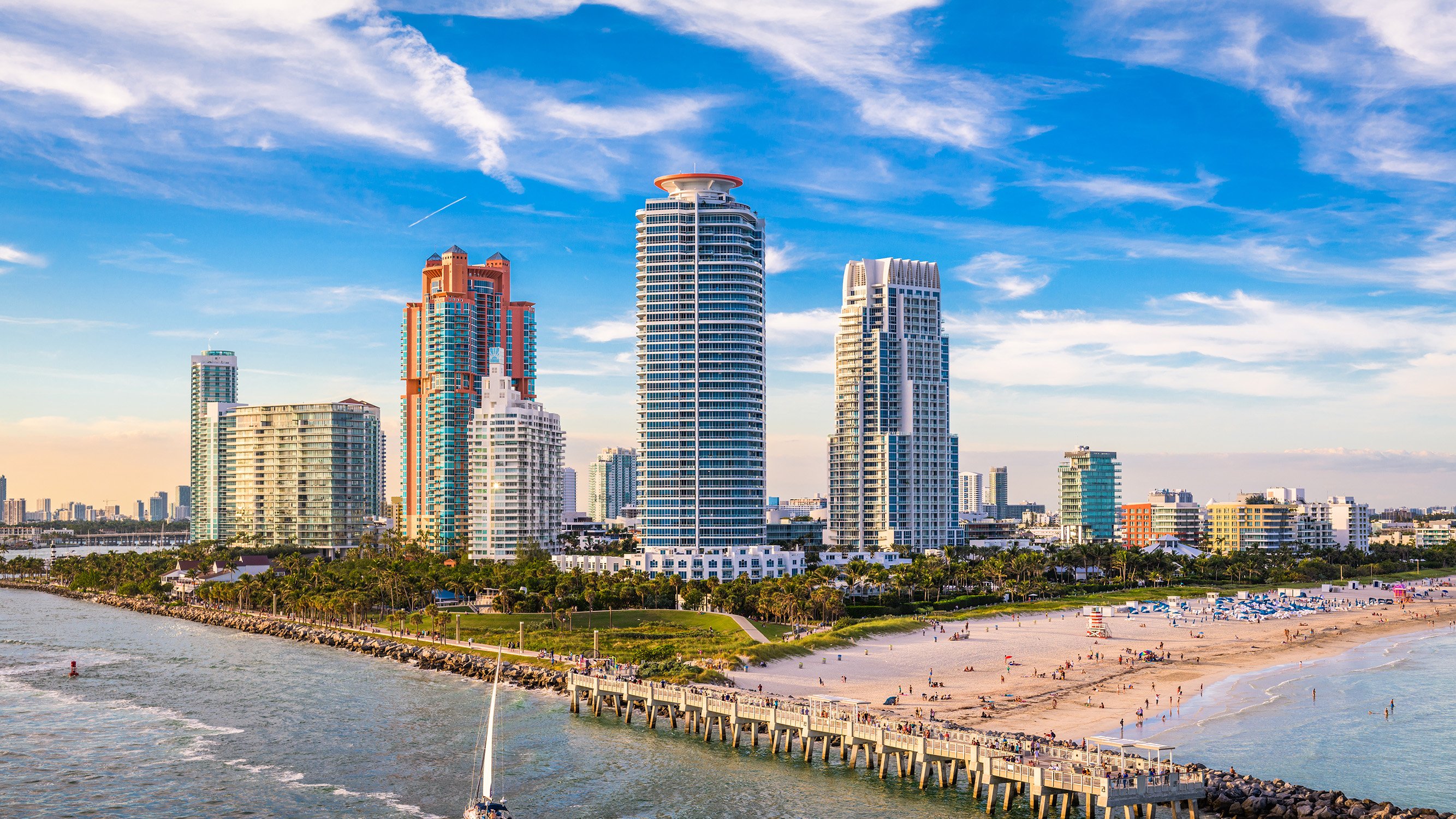
For South Florida buyers, “island living” can describe two very different realities. Key Biscayne presents as a residential enclave with one defining threshold: the drive in and out. Miami Beach, by contrast, is a barrier-island city with multiple gateways, a wider mix of neighborhoods, and a more public, cultural tempo.
In 2026, the better luxury buy is rarely about one headline metric - it’s about fit. Are you optimizing for a quieter, family-leaning routine and true separation from the mainland, or for walkable energy, restaurant density, and a portfolio of micro-neighborhoods where your scene can change by block?
This MILLION Luxury comparison focuses on the variables that typically move the needle at the high end: access and redundancy, lifestyle and noise profile, schooling signals, safety perceptions, and the often-underestimated ownership realities that can materially reshape carrying costs.
Key Biscayne is primarily reached via the Rickenbacker Causeway. That singular approach is part of the allure. It creates a psychological and practical “island boundary” many owners value - especially those who want their home to feel like a destination, not a stop on a circuit.
The trade-off is direct: fewer entry points mean less redundancy when traffic patterns shift, special events alter flows, or maintenance impacts travel. Buyers commuting daily into the urban core tend to feel this more acutely than second-home owners.
Miami Beach is also an island, but it’s connected to the mainland by multiple causeways. In practice, that delivers more routing flexibility. For frequent flyers, nightlife regulars, or owners who treat the city as an extension of their living room, Miami Beach’s multi-connection grid can register as a luxury in its own right.
The 2026 lens: if your calendar is meeting-heavy and time-sensitive, redundancy becomes a quality-of-life multiplier. If your priority is to “arrive” and decompress, the single-threshold experience may be the point.
Key Biscayne’s signature luxury is calm. The island’s social life tends to center on outdoor time, family schedules, and a distinctly residential pace.
A defining anchor is Bill Baggs Cape Florida State Park, open daily from 8 a.m. to sunset, with an $8 per vehicle entry fee. The park includes the historic Cape Florida Lighthouse, dating to 1825. Beyond being a weekend plan, this kind of protected shoreline and heritage landscape shapes the island’s identity: less “being seen,” more simply being outside.
Miami Beach’s luxury, meanwhile, is range. The city is positioned as a major visitor destination, and its neighborhood map is intentionally varied - from the high-energy core to quieter residential stretches. That diversity is a feature for buyers who prefer to choose their rhythm rather than inherit it.
For the classic beachfront public-space experience, Lummus Park runs along Ocean Drive in South Beach, with paths and recreation areas. It’s iconic, visible, and social. The lifestyle implication is clear: Miami Beach delivers more kinetic, public-facing moments in the daily mix - even if you live in a private, service-rich building.
The 2026 lens: Key Biscayne suits owners who want fewer variables and a consistent, low-noise baseline. Miami Beach suits owners who want optionality: dine, walk, gallery-hop, then retreat.
Key Biscayne’s story is cohesive. It’s one place with one identity, which can appeal to buyers who dislike constant reinvention.
Miami Beach operates differently. It’s a city of distinct sub-areas, each with its own tone. A practical example is Lincoln Road, a major pedestrian-oriented shopping and dining corridor that supports the classic walkable “errand plus espresso” day many second-home buyers want. The city also carries a globally recognizable architectural identity through the Miami Beach Architectural District, widely known for its Art Deco legacy.
If you prize walkability as a daily luxury, Miami Beach typically offers more ways to live car-light. Key Biscayne can still feel walkable in a local sense, but its primary advantage isn’t retail density - it’s the residential calm that begins the moment you cross the causeway.
Miami Beach’s restaurant landscape includes Michelin-recognized options, which matters for buyers who use dining as both pleasure and social infrastructure. A great dinner can be the default, not a planned expedition.
Key Biscayne can feel intentionally quieter. Many owners prefer entertaining at home, on terraces, or through club-adjacent routines rather than a nightly circuit.
The 2026 lens: if hosting and going out are central to your lifestyle, Miami Beach’s density and recognition can be a meaningful edge. If your ideal week includes a few standout outings and many serene nights, Key Biscayne’s restraint is the draw.
Luxury buyers often want a simple answer to a complex question. The reality is that crime statistics can vary by methodology, reporting windows, and what is counted.
Key Biscayne shows an overall crime rate of 11.59 crimes per 1,000 residents, with a violent crime rate of 0.62 per 1,000 residents. The property crime rate is 10.96 per 1,000 residents, accounting for most of the total. As a perception signal, the island also earns a top-tier “places to live” grade alongside a strong safety grade in consumer-facing community scoring.
Miami Beach maintains a public police crime statistics portal with city dashboards. That transparency can be useful, but the city’s scale, tourism, and neighborhood diversity mean lived experience can vary significantly by sub-area and building.
The 2026 lens: for many buyers, the decision is less about an abstract citywide rate and more about micro-location and building operations. Security staffing, access control, and resident-only amenities can create a private-world feel even within a highly public environment.
For households with children, Key Biscayne’s family profile is often part of the calculus. A notable option is Key Biscayne K-8 Center, which carries a strong overall grade and reports 80% math proficiency and 75% reading proficiency.
Miami Beach families can also build excellent setups, but the discussion tends to be more neighborhood-specific and plan-driven. The best fit often comes down to where you live, what commute you’ll accept, and how you prioritize language, arts, or athletics.
The 2026 lens: if you want a simplified family routine with a strong local public-school signal, Key Biscayne can be compelling. If you want a city-beach lifestyle and you’re comfortable curating a school plan around it, Miami Beach can work beautifully.
Key Biscayne’s housing market has shown a median sale price around $1.5M with year-over-year declines, alongside indications of longer days on market and homes selling below list price in cooler conditions.
In luxury, “cooler” can be a strategic advantage. It can create room for diligence, more time for inspections and association review, and the ability to negotiate on terms - not just price. It also gives buyers the runway to be selective about view corridors, stack positioning, and the less visible attributes that separate a good apartment from a truly exceptional one.
Miami Beach’s market dynamics are often more segmented by neighborhood and building type. The strongest, service-forward product can behave differently than older inventory, and the premium for best-in-class maintenance and management tends to hold.
Both Key Biscayne and Miami Beach sit in Miami’s tropical monsoon climate zone: hot, humid summers and warm winters. That climate is part of the appeal, but it also shapes ownership. Salt air, wind exposure, and storm-season planning influence maintenance schedules, reserve funding, and building operations.
Insurance is a particularly consequential line item. South Florida’s property-insurance environment has been widely scrutinized, and Key Biscayne has been highlighted as an example of extreme premium pressure. For buyers, that means underwriting the full ownership profile: not only purchase price, but also HOA budgeting, reserves, and the stability of building-level insurance strategies.
The 2026 lens: sophisticated buyers treat carrying costs as part of the acquisition decision, not an afterthought. A “better buy” can be the property that performs more predictably over time.
When buyers want Miami Beach energy with a modern, service-rich experience, new and newly delivered product can provide a cleaner operational baseline.
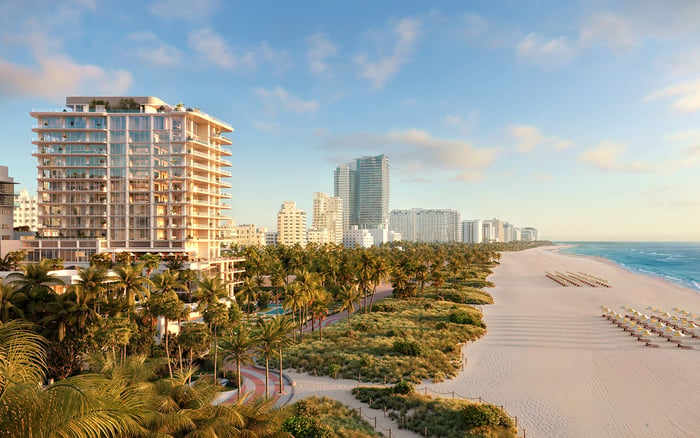
In South Beach adjacency, Five Park Miami Beach speaks to buyers who want a contemporary tower lifestyle while staying close to the city’s walkable core.
For oceanfront priorities, 57 Ocean Miami Beach aligns with the buyer who values a more residential beach atmosphere while remaining in the Miami Beach ecosystem.
For those who prefer hospitality-caliber living and a globally familiar service standard, Setai Residences Miami Beach offers a brand-led, amenity-forward approach that resonates with frequent travelers.
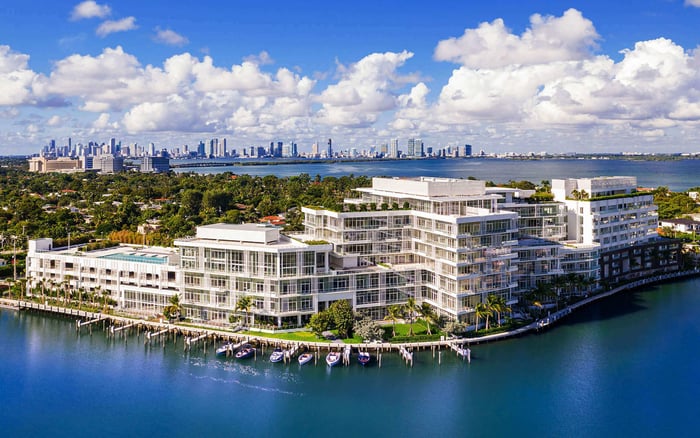
And for owners who want a private, design-driven residence with a luxury service framework, The Ritz-Carlton Residences® Miami Beach reflects the appeal of turnkey ease: arrive, lock-and-leave, and rely on staff-led consistency.
In 2026, many buyers are less focused on sheer square footage and more focused on operational excellence. The building becomes part of the purchase - not just the container for it.
Key Biscayne is often the better buy when your definition of luxury is separation, routine, and a residential cadence. The causeway threshold reinforces privacy, and the lifestyle is anchored by nature and a quieter social ecosystem. For family buyers, the K-8 signal is a meaningful part of the value proposition.
Miami Beach is often the better buy when your definition of luxury includes variety, walkability, dining density, and multiple neighborhood “moods” within a single city. It offers more redundancy for access, more public culture, and a broader range of building styles - from historic character to modern, service-intensive towers.
The most durable decision is the one that matches how you actually live. In the ultra-premium tier, lifestyle misalignment is the costliest mistake, because it cannot be renovated away.
Is Key Biscayne more private than Miami Beach? Generally, yes - access is concentrated through a single primary causeway, and the island is more residential.
Does Miami Beach have multiple neighborhoods with different vibes? Yes. Miami Beach is made up of distinct sub-areas that range from high-energy to more relaxed.
What is a signature outdoor destination on Key Biscayne? Bill Baggs Cape Florida State Park is a major draw, open daily from 8 a.m. to sunset.
What is a signature beachfront public space in South Beach? Lummus Park is a prominent beachfront park along Ocean Drive with paths and recreation areas.
Is Miami Beach known for walkable shopping and dining? Yes. Lincoln Road is a major pedestrian-oriented corridor with numerous stores and restaurants.
Does Miami Beach have notable historic architecture? Yes. The Miami Beach Architectural District is widely recognized for its Art Deco identity.
Are there Michelin-recognized restaurants in Miami Beach? Yes. Miami Beach has Michelin-recognized dining options, supporting a strong restaurant scene.
What do Key Biscayne crime rates generally look like? Key Biscayne’s overall rate is 11.59 crimes per 1,000 residents, with violent crime at 0.62.
Is the Key Biscayne market always a fast-moving seller’s market? Not necessarily; recent conditions have shown a cooler tone with longer days on market.
What ownership factor should buyers underwrite carefully in 2026? Insurance and carrying costs can materially impact the total cost of ownership on barrier islands.
For a confidential assessment and a building-by-building shortlist, connect with MILLION Luxury.
If branded residences are on your mind — as a home or as an allocation — we would be glad to share what we are seeing, privately.
Begin a quiet conversation