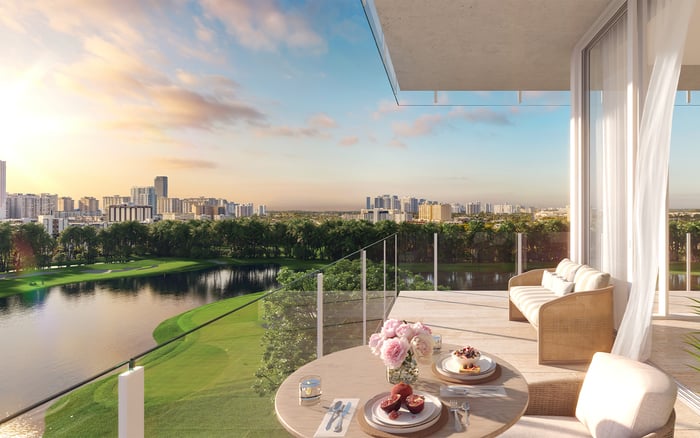
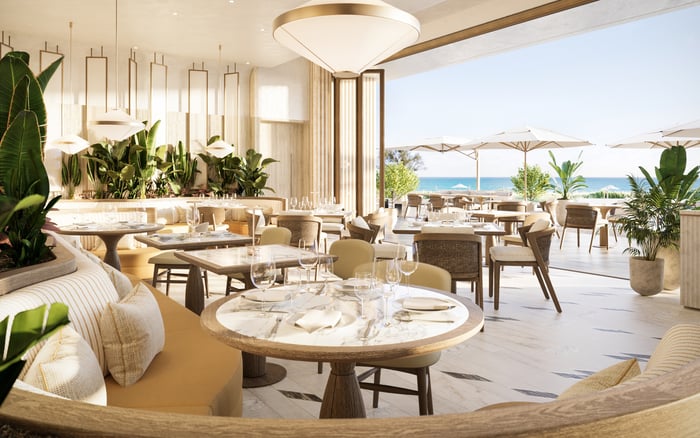
Furnishing a luxury South Florida condominium for World Cup dignitaries is less about taste and more about operational excellence: security-aware planning, brand-neutral comfort, and a white-glove timeline that protects the building, the owner, and the guest experience.
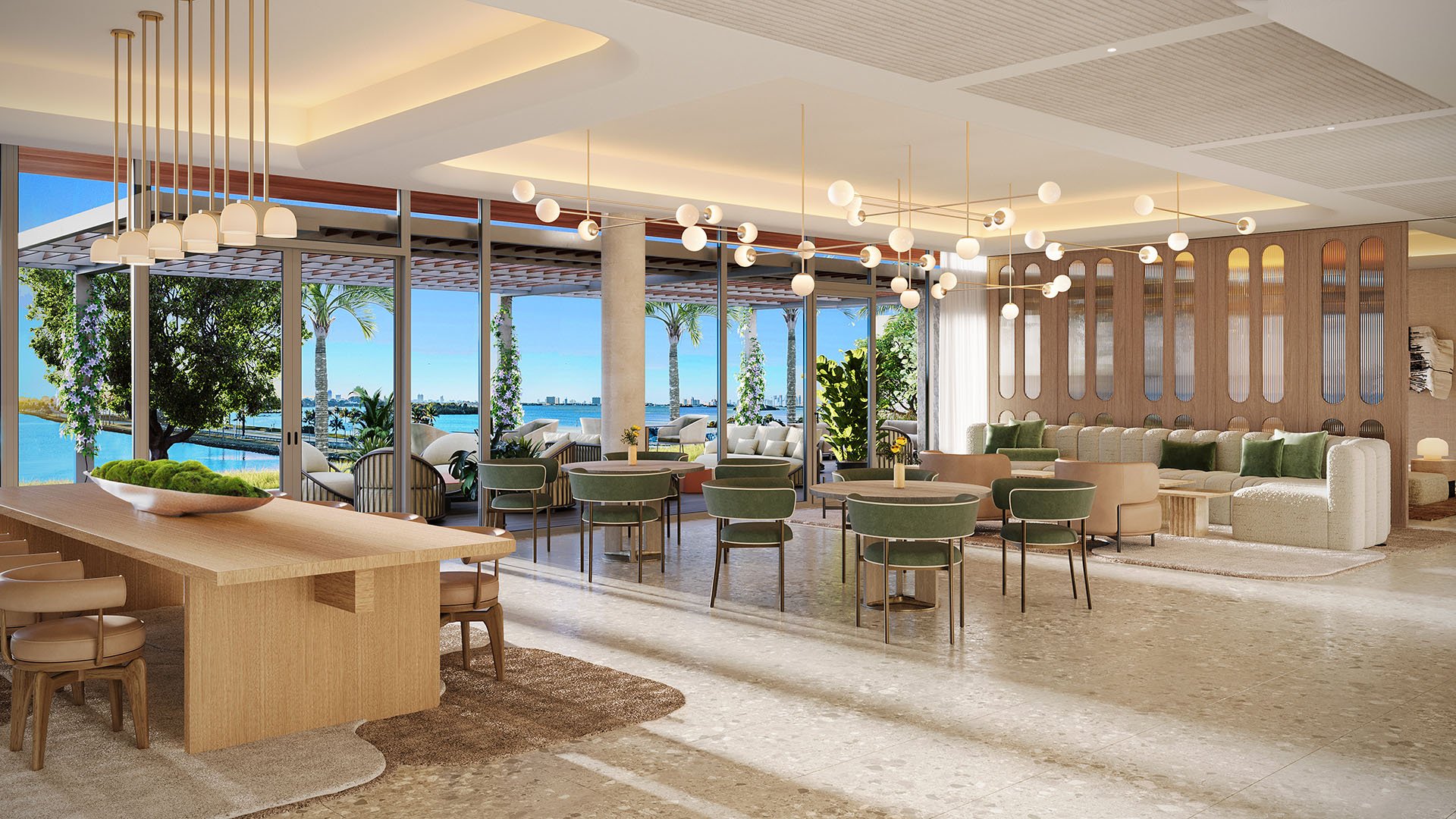
When a residence is being prepared for World Cup dignitaries, the furnishing brief shifts-quietly but materially. The objective is not to project an owner’s personal style. It is to deliver a home that feels intuitively comfortable, impeccably maintained, and completely discreet, while staying aligned with condominium rules, staff workflows, and the reality that multiple stakeholders may touch the residence.
The best outcomes start with a clear premise: the experience must be hotel-level without presenting as a hotel. That standard demands an operational plan with controls for access, timing, documentation, and reversibility. Executed well, the residence becomes a calm, secure base that never draws attention to itself-and can be restored, re-leased, or sold without friction.
For high-profile stays, time is the most expensive finish. Begin with the arrival date and build a backward schedule that protects approvals and respects building constraints.
A practical framework is: (1) building coordination, (2) procurement, (3) delivery and installation, (4) styling and commissioning, and (5) a final punch list with a reset plan. Each phase needs a buffer; elevator reservations, dock access, and building insurance requirements can compress what would otherwise be routine.
In dense luxury corridors like Brickell and Miami Beach, traffic, delivery windows, and vendor staging often become the hidden critical path. A residence in a tower such as 2200 Brickell may offer an exceptional lifestyle proposition, but the operational reality is that building rules and logistics dictate the install sequence. Your plan should assume limited elevator time, strict protection requirements, and zero tolerance for disruption.
Before a single item is ordered, align with the building’s operating framework:
Service elevator capacity, cab dimensions, and weight limits.
Hours for moving, drilling, and art hanging.
Dock procedures, vendor check-in, and required COIs.
Protective coverings for corridors and common areas.
Any restrictions on window treatments, balcony furnishings, or outdoor grills.
Then add dignitary-specific controls. Keep access lists tight, and designate a single point of contact for vendor scheduling. Wherever possible, reduce the number of trades entering the residence by bundling scope under one lead installer and one lead integrator.
Finally, document the home as you would a private collection: a room-by-room inventory with photos, model numbers, and care notes. This is not bureaucracy-it is the fastest way to resolve questions about condition, replacement, or responsibility without escalating tension.
Dignitary-ready does not mean bland. It means brand-neutral and universally legible. Avoid pieces that require explanation, constant maintenance, or specialized handling.
A high-function procurement plan prioritizes:
Lead time certainty over novelty.
Performance fabrics and forgiving finishes.
Matching dye lots for textiles and wallcoverings.
Replacement availability for lampshades, hardware, and filters.
If the residence sits on the ocean, specify with salt air, humidity, and intense light in mind. In a beachfront context like 57 Ocean Miami Beach, durability is elegance: corrosion-resistant hardware, protected metals, and upholstery that can handle sunscreen, sea breeze, and frequent cleaning without showing wear.
For owners who want the residence to remain resale-forward, keep the palette cohesive and quiet, and let texture do the work: stone, refined woods, layered neutrals, and carefully calibrated lighting temperatures. The goal is simple-every room should photograph beautifully while still feeling livable at midnight.
Dignitaries remember sleep quality more than sculptural chairs. The comfort spec should be non-negotiable.
Start in the bedroom:
Mattress and topper that can satisfy a wide range of preferences.
Two pillow profiles per bed, clearly stored and rotated.
True blackout that still looks tailored in daylight.
Silent bedside lighting with intuitive controls.
Then address acoustics and privacy. In a high-rise, sound management is invisible luxury: rugs with proper pads, drapery that dampens reflections, soft-close hardware, and a layout that keeps staff paths away from rest zones.
Climate is equally critical. Commission the HVAC, test humidity control, and ensure return vents are not obstructed by millwork or art. If the unit has operable windows or terraces, add discreet door and window contacts to protect interiors from unexpected weather.
A dignitary-ready residence should never feel fortified. Security should read as quiet layers, not visible hardware.
Priorities typically include:
Key management that eliminates uncontrolled copies.
A single, documented entry protocol for staff.
Network hygiene: secure Wi‑Fi with segmented guest access.
Protected storage for personal items and documents.
Within the unit, avoid obvious cameras or aggressive “security” cues. Instead, prioritize solid doors, quality hardware, and lighting that removes shadowy corners in corridors and entries. If the building already has robust front-of-house controls, your role is to complement them-not duplicate them.
Tech should disappear. That requires commissioning, labeling, and an interface built for humans.
Build around these rules:
One app, minimal remotes, consistent scenes.
Hardwired reliability where possible.
Pre-set scenes: Arrival, Evening, Night, Cleaning.
A printed quick guide in a discreet drawer, not on the counter.
Test everything the way a guest would. If you cannot walk in and set lighting, music, and temperature within 30 seconds-without instructions-the system is too complex. The same applies to televisions and streaming accounts: keep sign-ins controlled and resettable between stays.
Installation days are where luxury plans either crystallize or unravel. The discipline is straightforward: protect the building, protect the residence, protect the schedule.
A well-run install includes:
Pre-labeled cartons by room, with a master placement plan.
A staging zone for unpacking that keeps debris out of hallways.
Immediate removal of packaging, with a cleaning crew following.
A punch list written in real time, not reconstructed later.
Oceanfront buildings often operate with tighter delivery tolerance, especially in peak season. In a coastal setting such as 2000 Ocean Hallandale Beach, plan for wind exposure when moving large pieces to terraces, and specify outdoor furnishings that will not become a liability if weather turns quickly.
Dignitary stays require a residence that performs under frequent touch. That means the home must be staff-readable.
Design for service:
A defined housekeeping closet with labeled supplies.
Duplicate linens and towels with a rotation plan.
Clear waste and recycling procedures that match the building.
A protected area for deliveries, flowers, and gifts.
Also consider human flow. Staff should be able to refresh the residence quickly without crossing private areas. If the layout provides separate service paths or a discreet laundry zone, use them. If it does not, create operational separation through timing, storage placement, and a clear protocol.
Avoid anything that can be misread: provocative themes, overt political references, or overly literal sports motifs. For dignitaries, luxury is restraint.
A strong approach:
Museum-like framing and proper hanging systems.
Fewer, larger works rather than many small pieces.
Objects that feel collected but not precious.
If the residence has signature design language, let the architecture lead and keep accessories quiet. In design-forward projects such as 888 Brickell by Dolce & Gabbana, the strongest furnishing plans amplify the intended sophistication without competing for attention. Treat the interior like a tailored wardrobe: perfect fit, impeccable materials, and nothing that distracts.
With high-profile occupancy, the right protections are practical-not pessimistic.
Establish:
A move-in condition baseline with photos.
An inventory with replacement values.
Care instructions for every critical surface.
A reversible installation plan for anything custom.
Reversibility matters. If you add built-ins, ensure they can be removed without damaging core finishes. If you customize closets, keep a clean record of original components. The point is to protect optionality: the residence can pivot from dignitary stay to private use, long-term lease, or sale without expensive rework.
The final walkthrough is not only about scratches and alignment. It is about whether the home feels effortless.
Commission the residence as a sequence:
Entry: lighting, scent neutrality, drop zone.
Living: seating comfort, glare control, sound levels.
Kitchen: intuitive organization, coffee and water setup.
Bedroom: blackout, temperature, bedside charging.
Bath: towel warming logic, storage, non-slip safety.
Then lock the playbook: a single binder or digital file with vendor contacts, appliance manuals, paint codes, fabric references, and the reset checklist. In dignitary logistics, the playbook is the asset.
What is the first step after deciding to furnish for dignitaries? Confirm building delivery rules, COI requirements, and service elevator scheduling.
Should the design be themed around the World Cup? No. Keep the residence culturally neutral, with subtle hospitality rather than motifs.
What are the most important rooms to prioritize? Bedrooms and baths first, then the living room and kitchen for daily functionality.
How do you avoid delays with long lead-time furniture? Specify pieces with reliable availability and approve alternates before ordering.
What makes a condo feel “hotel-level” without looking like a hotel? Quiet luxury: exceptional sleep, lighting scenes, and flawless maintenance readiness.
How do you handle deliveries without disrupting the building? Bundle vendors, reserve elevator time early, and stage unpacking inside the unit.
Is smart home technology necessary for dignitary stays? Only if it is simple, secure, and commissioned to work flawlessly every time.
What security upgrades are appropriate inside the unit? Focus on key control, network security, and discreet protocols rather than visible gear.
How do you protect luxury finishes during frequent cleaning? Provide surface-specific care notes and stock the correct, non-abrasive supplies.
Can a dignitary-ready furnishing plan support resale later? Yes, if selections are timeless, documented, and reversible with minimal customization.
If you'd like a private walkthrough and a curated shortlist, connect with MILLION Luxury.
If branded residences are on your mind — as a home or as an allocation — we would be glad to share what we are seeing, privately.
Begin a quiet conversation