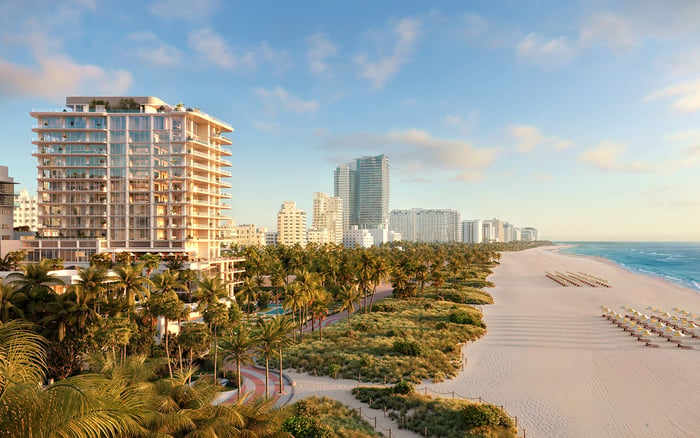
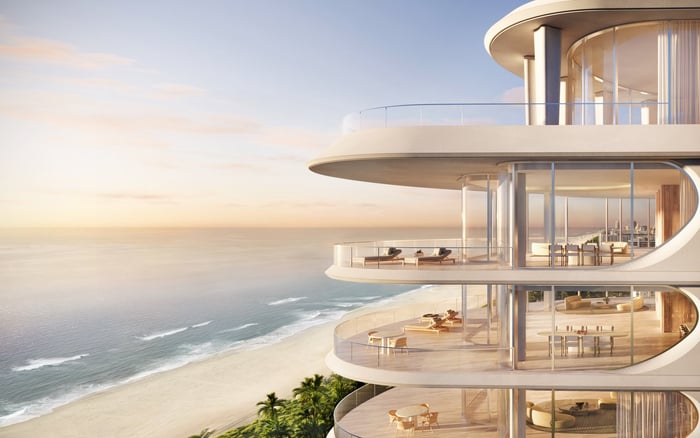
In South Florida, a “protected view” is rarely a single promise. It is the combined effect of waterfront rights, zoning and height limits on nearby parcels, recorded restrictions, and the practical discipline of monitoring what can be built next door. This guide explains what typically holds up under scrutiny, where buyers overestimate protection, and how to structure diligence so your horizon remains an asset rather than a surprise.
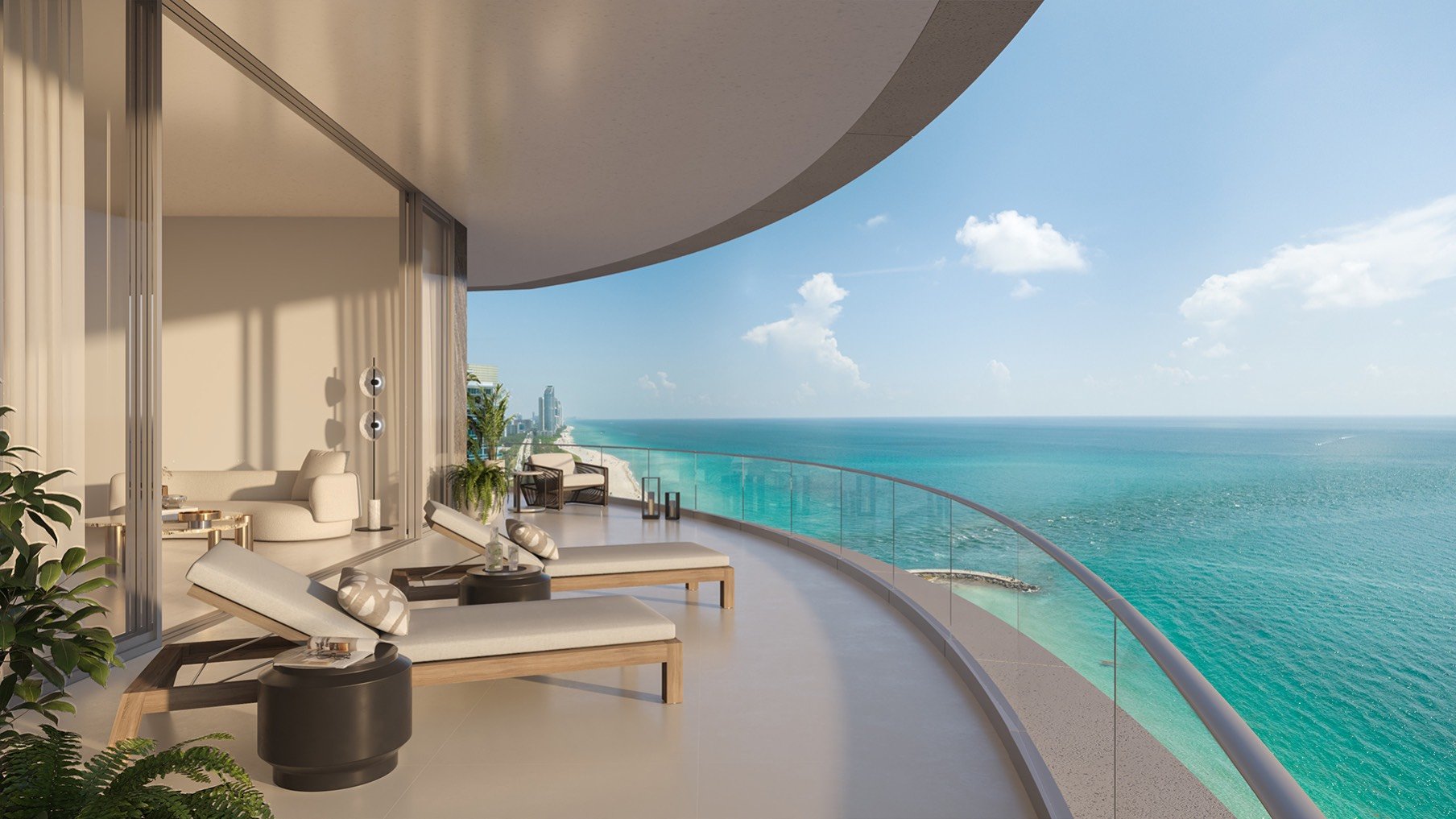
In South Florida’s premium coastal neighborhoods, buyers price a view the way they price ceiling height, brand affiliation, and service: as a durable driver of lifestyle and resale. Yet “forever view” is often shorthand for something far more technical. Real protection is rarely delivered by a single rule. More often, it’s the intersection of (1) waterfront rights, (2) the development capacity of nearby parcels under local zoning, and (3) private restrictions recorded against land or embedded in condominium documents.
For an oceanfront buyer, the question isn’t whether the view is beautiful today. It’s whether the legal and physical conditions around the property make tomorrow’s skyline predictable.
Florida common law recognizes riparian rights for waterfront (upland) owners, and those rights can include an unobstructed view of adjoining waters. In practice, that is not a broad right to every scenic panorama. View rights are generally connected to the adjoining waterbody or channel - not distant landmarks or a generalized sense of openness.
Just as important, view-based claims typically hinge on whether an obstruction is substantial and material, not whether it’s merely inconvenient. A partial change in sightlines - or the loss of a preferred angle from a single room - may not reach the threshold buyers imagine when they hear “protected.” Courts also tend to treat riparian conflicts as equitable questions, aiming to let neighboring owners enjoy their respective rights toward the channel “near as practicable,” rather than promising perfect geometry from every balcony.
The practical takeaway for ultra-prime purchasers is straightforward: riparian rights can serve as a backstop in certain waterfront disputes, but they are no substitute for knowing what can be built on the parcels that frame your view corridor.
To understand view risk, start with the land-use code that governs adjacent property. In the City of Miami, this begins with Miami 21, the zoning code that regulates use, height, massing, setbacks, and how development relates to streets and waterfront edges.
On Miami’s waterfront, adopted design guidance and standards emphasize public access and visual connections to the water. In certain contexts, that can shape how buildings are set back and whether openings or corridors are preserved. But design guidance and standards are not private covenants. They are applied through a permitting process that includes discretion and interpretation.
In Miami Beach, district-specific maximum heights vary by commercial zoning district, so view durability can shift block by block. A penthouse owner can be a single zoning map away from complacency.
When MILLION Luxury clients ask what “holds up,” the most useful answer isn’t abstract legal theory. It’s a parcel-by-parcel reality check: identify the lots between you and the water (or between you and the bay), then confirm their current height, their maximum allowed height, and what setbacks could still allow.
Some of the strongest view preservation comes from private restrictions that run with the land. In Florida, conservation easements are designed to protect conservation, scenic, and open-space values, and they can restrict development in ways that preserve openness and view corridors. These easements can be recorded and structured to bind future owners.
For luxury buyers, this category matters because it’s often the quiet advantage that never appears in a marketing brochure: the adjacent parcel isn’t simply “a park today” - it may be constrained from becoming something else later. The diligence task is to confirm what is actually recorded and enforceable, and whether it benefits your parcel directly or simply limits a neighbor’s.
Condominium buyers often focus on finishes, reserves, and lifestyle rules, but view durability can be shaped by governance.
Florida’s condominium statute provides time-sensitive cancellation rights after receipt of condominium documents, making early document review more than a formality. In a view-sensitive purchase, prioritize documents that affect building profile and future change: amendment powers, easement grants, roof rights, signage rights, and any provisions that allow material alterations.
Separately, association actions can foreshadow view impacts - especially when an association is evaluating adjacent acquisitions, air-rights style opportunities, or major capital work that changes the building envelope. Meeting notice rules can allow an attentive owner to track these moves early, when outcomes are still negotiable.
At the top of the market, buyers sometimes assume title insurance means “no surprises.” Title insurance can be valuable, but it is not a blanket guarantee against every boundary or location issue. Many policies include exclusions for matters an accurate survey would disclose.
That’s why a current survey is more than a closing checkbox. It’s a view-protection tool. Encroachments, boundary ambiguities, and waterfront-edge conditions can become leverage points in future disputes over docks, seawalls, and structures that may affect sightlines.
Beyond the immediate neighbor, view risk often reflects development pressure across a wider radius. Miami-Dade’s Future Land Use dataset is one way to see where intensity is planned or allowed, serving as a practical proxy for where taller or denser projects could emerge.
You’re not trying to predict a specific building. You’re measuring optionality. If multiple nearby parcels remain far below their maximum entitlement, the view you’re buying is effectively a bet against future redevelopment.
Even when a view is legally resilient, the value attached to that view can be weakened by building condition and long-term obligations.
Florida now requires milestone inspections for certain multi-story buildings. For buyers, that matters because mandated evaluations can lead to major work, special assessments, and construction logistics that temporarily change day-to-day experience and, in some cases, alter exterior components.
In coastal South Florida, buyers are also increasingly attentive to ground and building motion documented through remote sensing research, including subsidence hotspots that can affect long-term risk. View protection isn’t only about what might block your horizon; it’s also about whether the asset behind that horizon remains resilient.
Miami Beach’s luxury market shows why view diligence is as nuanced as design. Oceanfront towers may feel insulated because the Atlantic is immutable, yet many sightlines depend on what happens along the same stretch of sand, on nearby corners, or across a bay corridor.
For an ocean-facing lifestyle buyer considering Setai Residences Miami Beach, the core question isn’t simply whether the water is in front of you today. It’s how the surrounding zoning envelope and setbacks could shape future massing along the same shoreline.
For buyers who prefer a quieter, more residential tone, 57 Ocean Miami Beach is a reminder that boutique scale changes the view calculus. Fewer units can mean more personalized sightlines, but it can also make your view more sensitive to a single neighboring change.
Where branding and service are part of the proposition, The Ritz-Carlton Residences® Miami Beach highlights another reality: purchasers often treat the view as “managed” the way the property is managed. In practice, view management is largely external - rooted in zoning maps, recorded restrictions, and the entitlement capacity of surrounding parcels.
The strongest view outcomes typically come from a process that pairs legal review with planning intelligence.
First, define the view corridor that matters: bay channel, intracoastal, ocean, or marina approach. Because riparian view concepts attach to adjoining waters, clarity on “which water” matters.
Second, map the relevant parcels: the lot you own, the lots between you and the water, and the lots that could rise into your peripheral sightlines. Confirm the governing jurisdiction (City of Miami, Miami Beach, or another authority) and read the applicable height and setback framework.
Third, look for private constraints: conservation easements, plat restrictions, or recorded covenants. If your view depends on a neighbor’s open-space character, you want that character to be enforceable - not aspirational.
Fourth, match the paper to the property: obtain a current survey, and ensure the title and survey are reviewed together. Treat this as protection against future waterfront or boundary disputes that could shift structures into view lines.
Finally, use time windows strategically: an inspection contingency creates a defined diligence period and can be structured to include zoning and redevelopment risk, not only physical condition. And once in the building, track association notices and local public processes with the same rigor you apply to portfolio assets.
Do I legally own my view in Florida? Not in a broad, scenic sense. Protections are typically tied to adjoining waters and depend on the facts.
What does “riparian view right” usually require? Generally a substantial, material obstruction of the view toward the water channel, not minor impacts.
Will riparian rights stop any new building near me? No. They are not a general veto over nearby development and are often balanced equitably.
What is the most reliable way to estimate future view risk? Check zoning, height limits, and setbacks on surrounding parcels and compare to existing buildings.
Do Miami waterfront rules protect private condo views? They can influence design and visual connections to the water, but they are not a private guarantee.
Can an easement preserve openness or a corridor? Yes. Certain recorded easements, including conservation easements, can restrict development long-term.
Why does a survey matter for view protection? Many title policies exclude issues an accurate survey would reveal, and boundaries shape waterfront use.
Are condo documents really relevant to view stability? Yes. They can authorize alterations or grants of rights that change building form or adjacent use.
What role do milestone inspections play for luxury condos? They can trigger required evaluations and major work, affecting costs and the living experience.
What should I monitor after closing to protect my view? Track association meeting notices and local planning activity near your corridor for early signals.
For a confidential assessment and a building-by-building shortlist, connect with MILLION Luxury.
If branded residences are on your mind — as a home or as an allocation — we would be glad to share what we are seeing, privately.
Begin a quiet conversation