
Major sporting weeks can turn South Florida’s ultra-luxury rental market into a high-stakes, short-duration trade. Premium pricing is possible, but so are operational failures, building-rule violations, security exposure, and expensive disputes over deposits, damages, and quiet enjoyment. This MILLION Luxury editorial lays out a buyer-and-owner oriented risk framework: how to evaluate a building’s rental posture, how to structure agreements, what to verify before keys change hands, and how to protect privacy, staff, and the asset itself when demand spikes overnight.
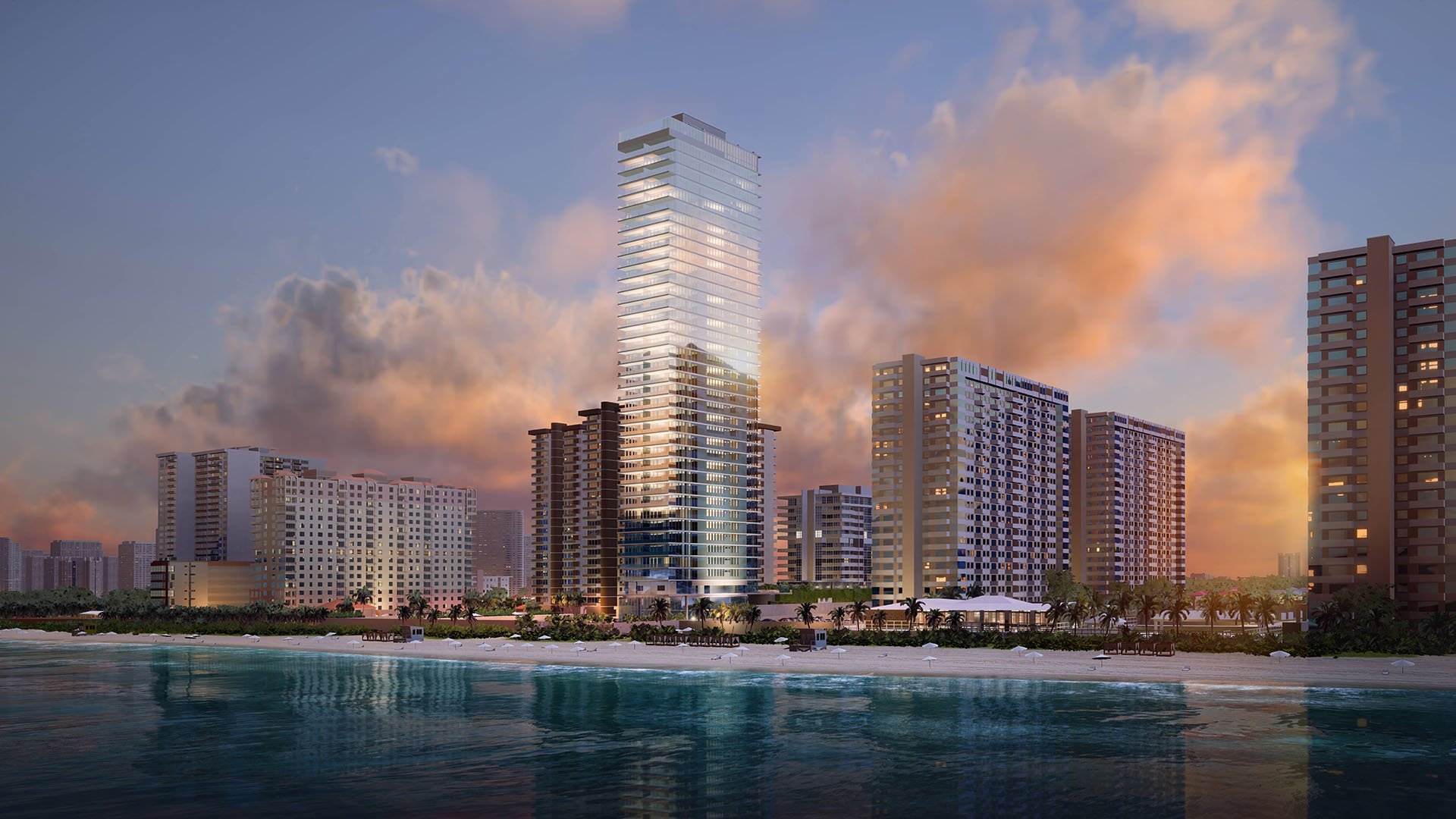
In a normal season, an ultra-luxury condominium rental is primarily a question of tenant quality, maintenance standards, and long-term wear. During major sporting events, that profile changes. Demand compresses into a handful of nights, decision cycles tighten, and the “tenant” may be an entourage rather than a single household. The most consequential risks are rarely the obvious ones.
Event-week stays strain the entire building ecosystem: valet operations, front desk flow, package handling, elevator traffic, amenity reservations, noise sensitivity, and overall security posture. A unit can be flawless and still underperform if the building is overwhelmed-degrading the experience and elevating liability. Owners often fixate on nightly rate and minimum stay; in practice, the smarter approach is to run the week like an operational production, with clear controls and documented expectations.
For owners, the upside is real: fewer days can still produce a meaningful sum. For renters, the appeal is equally clear: privacy and space in a prime location, often with panoramic views and a more residential cadence than a hotel. The friction comes from a simple mismatch. Condominiums are governed by rules built for residents-not event-week turnover.
The most underwritten variable is the building’s rental posture. Some towers are structurally and culturally equipped for higher turnover; others are designed to feel quiet, residential, and controlled. If the rules are strict, even the best contract cannot grant what the association prohibits.
Before marketing an event-week rental, owners should confirm-ideally in writing-the minimum lease term, application and approval requirements, background checks, and whether subleasing is restricted. Renters should request confirmation that both the lease term and guest count are permitted. Even when short-term rentals are broadly allowed, event-week conditions can trigger tighter enforcement: move-in protocols, elevator reservations, vehicle registration, and rules for deliveries and vendors.
A practical lens: the more “white-glove” the building, the more likely it is to operate with defined processes and clear expectations. That can reduce chaos, but it can also make non-compliance costly. In Brickell, where a business-and-entertainment mix is common, a product like 2200 Brickell reflects the broader neighborhood reality: convenience is prized, yet the building environment still expects discretion. The risk is not the address-it’s the mismatch between an event-week rhythm and a residential rulebook.
Event-week negotiations move fast. That speed can erase critical protections. Ultra-luxury rentals should be documented with the same seriousness as any high-value transaction, even when the stay is brief.
Key contract exposures to address:
Identity and authority: Confirm the signing tenant is the payer and decision-maker, and that the landlord is authorized to lease.
Occupancy and guests: Define maximum overnight occupants and day guests, and require pre-registration for additional names.
House rules and amenity use: Attach building rules, specify quiet hours, and clarify whether amenities require reservation.
Event behavior clauses: Prohibit parties, commercial filming without consent, and unregistered vendors.
Default and removal: Define what happens if rules are violated, including immediate cure periods and the right to terminate.
Owners should avoid informal “weekend” agreements that read like a handshake but function like a liability magnet. Renters should avoid wiring large sums without a clear cancellation and refund framework. Luxury is not only finishes-it’s certainty.
In event weeks, the most common financial dispute isn’t rate. It’s the security deposit, damage claims, and payment reversals.
For owners, the deposit should be sized to the asset and furnishings, and structured to be collectible and defensible. A vague “damage” standard invites conflict. A condition report with timestamped photos and a defined walk-through protocol reduces friction. Consider how you will distinguish incremental damage from normal wear.
For renters, the risk can feel asymmetric: you can arrive to a unit that isn’t as expected and be forced into an immediate scramble, while your funds remain tied up. Protect yourself with a clear inspection window upon arrival and a defined remedy-such as repair within a set timeframe or an agreed partial refund.
Both sides should be deliberate about payment rails. High-value, short-duration rentals are frequent fraud targets. Owners should be cautious with last-minute payer substitutions. Renters should be wary of requests that bypass standard documentation or appear designed to eliminate recourse.
For high-net-worth renters, privacy is often the primary reason to choose a condominium over a hotel. During sporting-event weeks, that privacy can be compromised by crowds, social media, and increased third-party access.
Owners should assume the unit will be photographed. If personal items, family photos, bespoke art, or identifiable details are present, remove or secure them. If the residence includes integrated smart-home controls, reset access codes and ensure the tenant cannot retain credentials after departure.
Renters should evaluate entry points: is there staffed security, controlled elevators, and a clear guest-registration policy? A beachfront product like 57 Ocean Miami Beach sits where lifestyle and visibility intersect. That can be a feature-but it heightens the need for discreet arrivals, controlled guest lists, and clarity on how the building handles after-hours visitors.
In the ultra-luxury context, a single failure-such as a leaked unit photo or a noise incident captured by neighbors-can become a reputation problem. Reputation risk isn’t theoretical; it is often more expensive than repairs.
Event-week stays most often fail at the “handoff.” Keys, fobs, parking credentials, and building orientation are operational details that become existential under time pressure.
Owners should plan for:
A named greeter or concierge-level handoff, not a casual key pickup.
Clear instructions for parking, loading, elevator access, and deliveries.
A dedicated point of contact for the tenant during the stay.
A defined checkout process to reduce disputes and ensure all access devices are returned.
Renters should request a pre-arrival brief: Wi-Fi credentials, thermostat instructions, appliance quirks, and emergency contacts. If you’re arriving with staff-such as a chef or security-confirm building policies for vendor access and service elevators.
In Hallandale, where oceanfront living can pair with a more resort-forward lifestyle, 2000 Ocean Hallandale Beach offers a useful mental model: when the building experience is designed to support elevated service, operational risk can be lower. Still, the lease must reflect reality-who can enter, when, and under what registration protocol.
Condominiums are communities. During major sporting events, residents can become less tolerant of unusual traffic, late-night arrivals, and amenity crowding. Buildings may respond with stricter enforcement, added security, or penalties.
Owners should not underestimate the cost of a neighbor complaint: fines, eviction pressure, or future restrictions on your ability to lease. The goal isn’t simply to “get through the week.” It’s to preserve the building relationship for next year.
Renters should treat the building like a private club, not an event venue. Quiet enjoyment clauses cut both ways: residents have rights, and so do you. If the building becomes chaotic or access is restricted beyond what was disclosed, that isn’t just an inconvenience-it may be a contractual issue.
Luxury disputes are often expectation disputes. A unit can be objectively beautiful and still disappoint if the listing implies a hotel-like experience the building cannot provide.
Owners should market with precision: exact bed configurations, true view corridors, balcony access rules, parking availability, and any renovation or construction noise that could affect the stay. Avoid promising services that aren’t consistently deliverable.
Renters should ask targeted questions: Is valet guaranteed? Are amenities fully available during event-related security overlays? Are there restrictions on pool cabanas, guest passes, or fitness center reservations?
In Sunny Isles, the audience often expects resort-level polish. A property like Bentley Residences Sunny Isles is a reminder that brand-forward luxury raises expectations. If a rental is positioned at the top end, the operational execution must match the narrative.
Risk management in an ultra-luxury event-week rental isn’t about complexity. It’s about verifying the few items that prevent catastrophic friction.
For owners:
Confirm the building’s minimum lease term and approval process.
Require verified ID for all adult occupants; register names with security.
Document condition with photos, and define deposit release timing.
Set clear rules on guests, noise, vendors, and filming.
Provide a single point of contact and a clear handoff protocol.
For renters:
Confirm the stay is permitted by building rules and the lease is compliant.
Request a pre-arrival orientation and a written amenity access policy.
Ensure cancellation, refund, and remedy terms are explicit.
Clarify privacy expectations: cameras, smart locks, and data access.
Budget for friction: event weeks can include traffic, closures, and delays.
None of these steps dilute the experience. They protect it.
Is renting a luxury condo during a major sporting week always riskier than a hotel? Not always, but the risk shifts from service consistency to rules, access control, and governance.
What is the single biggest mistake owners make with event-week rentals? Leasing without confirming building rules and approval timelines, then scrambling under pressure.
What is the single biggest mistake renters make? Assuming a condominium operates like a hotel with flexible guests, late-night activity, and staff access.
Should the lease specifically restrict parties and filming? Yes; clear prohibitions and defined consequences prevent most high-end disputes.
How should security deposits be handled at the ultra-luxury level? With a written condition report and a defined timeline for inspection and return.
Can a building deny access to unregistered guests? Often yes, and it can be enforced quickly during high-traffic event weeks.
Do smart-home systems create additional risk for short stays? Yes; reset codes, revoke access, and avoid sharing accounts that persist after checkout.
How can renters protect privacy in a high-visibility week? Use controlled arrivals, limit guest lists, and confirm the building’s visitor registration policies.
What should be verified before paying a large upfront amount? The landlord’s authority to lease, the unit’s compliance with building rules, and clear refund terms.
Is it reasonable to require a dedicated point of contact during the stay? Yes; high-value, short-duration rentals benefit from concierge-like responsiveness.
For a tailored shortlist and next-step guidance, connect with MILLION Luxury.
If branded residences are on your mind — as a home or as an allocation — we would be glad to share what we are seeing, privately.
Begin a quiet conversation
.jpg&width=700&height=438&fit=cover)