Leasing a penthouse during global event weeks can be lucrative, but reputational value is built on consistency, discretion, and control. For South Florida owners, the real objective is not simply occupancy. It is protecting the building’s standing, the neighbor ecosystem, and the long-term resale narrative while still meeting the expectations of high-intent visitors.
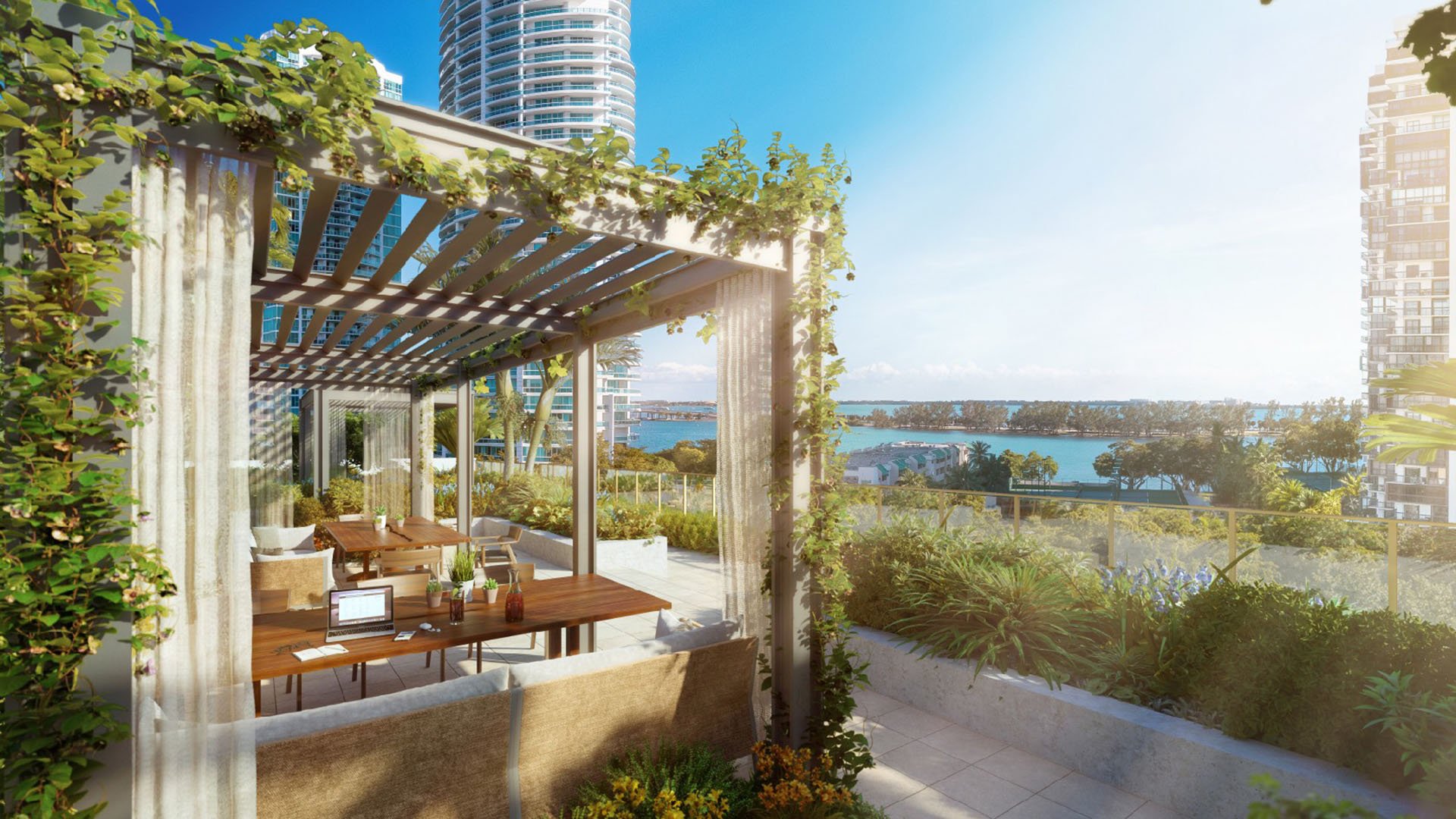
In South Florida, a penthouse is never just square footage in the sky. It is a visible signal within a building, a neighborhood, and a peer set of similarly rare residences. When global event attendees arrive for headline weeks, the temptation is to optimize for rate and speed. The reputational objective is different: preserve the property’s narrative so the next buyer, the next lender, and the next neighbor experience a home that still reads as private, orderly, and elite.
Reputational value is earned when a residence performs predictably under pressure. The guest experience should feel effortless, while the building experience stays calm. The right lease is the one that ends with no digital trail, no security incidents, no complaints, and no “story” that follows the address.
High-profile visitors can pay premium rates, but they also bring risk through visibility, entourage volume, and a compressed timeline. The best protection is positioning: present the penthouse as a private residence with an invitation-only lease-not a commodity stay.
That positioning shows up in small decisions with outsized reputational impact:
Language and presentation: avoid mass-market cues. Keep photography architectural and restrained, focusing on light, views, and materials rather than party-forward imagery.
Access model: eliminate open-door showing windows; use a single point of contact and prequalified inquiries.
Service expectation: be explicit that the home runs on a household standard, not a hotel free-for-all.
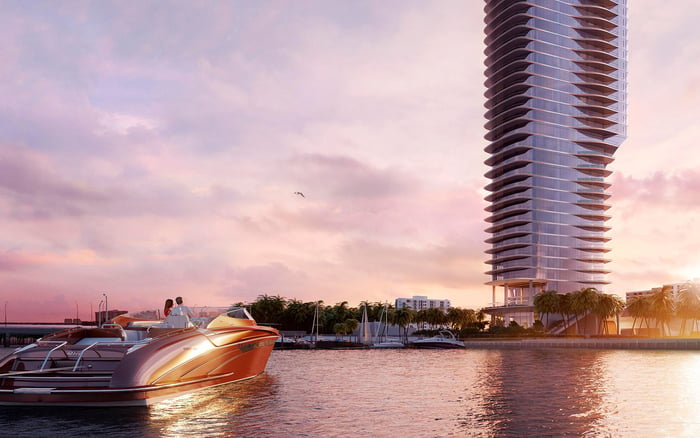
If you want event-week demand without event-week chaos, place your penthouse in a context that already signals discretion. In Miami Beach, that can mean a residence with a quieter ownership culture, where privacy is part of the brand experience, such as Apogee South Beach.
The most reputationally damaging leases rarely begin with bad intent. They begin with uncertainty: who is arriving, who is allowed in, and who is accountable. The goal is to make the home easy for the right guest-and effectively inaccessible to the wrong one.
A discreet gating protocol typically includes:
Identity verification for all adult occupants prior to contract execution.
Defined occupancy and visitor limits that are enforceable, not aspirational.
A primary responsible party who remains financially and operationally accountable.
A no-subletting and no-assignment clause that prevents “proxy” bookings.
This is not about suspicion. It is about clarity. Ultra-premium guests are accustomed to standards in private aviation, private clubs, and luxury hospitality. When vetting is presented as a normal part of the process, it reads as a feature: the building is protected, and so are they.
In event weeks, reputational risk often comes from activities that create collateral exposure: filming, branded activations, parties, and social posts that make the residence identifiable. Your lease should anticipate these scenarios and define boundaries.
Key clauses to prioritize:
No events without written approval. Define “event” broadly, including catered gatherings, ticketed functions, and any commercial activation.
Filming and photography controls. Prohibit commercial shoots by default and require preapproval for any content creation involving third parties or visible branding. If you allow personal content, specify that identifiable exterior views, signage, or building marks cannot be used to locate the unit.
Security and access obligations. Make guest compliance with building security procedures a material term of the lease.
Noise and nuisance standards tied to remedies. “Quiet enjoyment” language is not enough. Include financial remedies and termination rights for violations.
Staffing and vendor boundaries. If the guest brings staff (drivers, stylists, security), require a preapproved roster and limit the number of non-resident personnel present at one time.
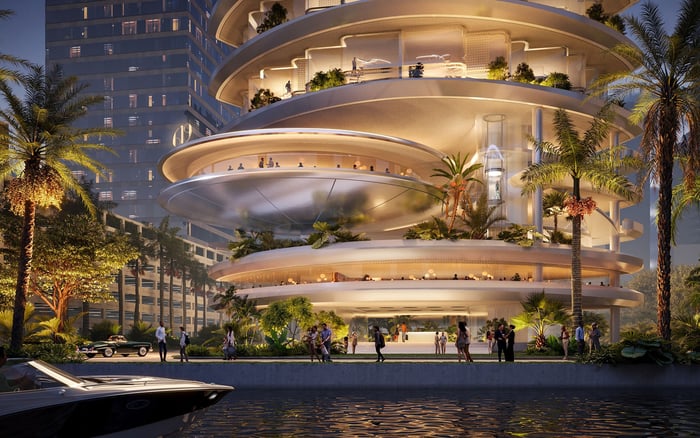
In Brickell, where high-rise living intersects with board governance and a dense luxury ecosystem, contractual clarity is essential. A building with a refined, resident-forward profile can reinforce that tone; for context, consider how a waterfront address like Una Residences Brickell communicates privacy and order as part of its lifestyle promise.
Reputational value is preserved through operational consistency. The guest should experience seamless arrival, flawless condition, and immediate issue resolution-while neighbors experience minimal disruption.
A penthouse-ready operational plan includes:
White-glove turnover: professional cleaning plus detailed inspection of surfaces, fixtures, and AV.
A pre-arrival technical check: Wi‑Fi, smart home systems, televisions, lighting scenes, and door hardware.
A single concierge-style contact available during waking hours, with escalation paths for after-hours issues.
House manual that reads like a private residence guide: concise, beautifully formatted, and focused on “how this home works.”
The point is not to mimic a hotel. It is to run the residence with household discipline. That discipline shows in details sophisticated guests notice immediately: aligned cabinet doors, calibrated audio levels, chilled glassware, properly labeled electrical panels, and an HVAC system that is quiet and balanced.
For oceanfront leasing, where salt air and wind can accelerate wear, proactive maintenance protects both the stay experience and the home’s long-term condition. In Hallandale, a modern oceanfront tower like 2000 Ocean Hallandale Beach underscores why meticulous preventative maintenance is part of the brand-not an afterthought.
Even when you own the penthouse, you are leasing within a shared governance environment. Long-term reputational value depends on alignment with management, security, and neighbors.
Practical ways to protect that relationship:
Pre-clear the lease policy with the building’s rules well before event season.
Coordinate arrival logistics so valet, loading areas, and elevators are not overwhelmed.
Use discreet move-in protocols for luggage and large deliveries.
Provide building staff with a verified guest roster and your on-call contact.
Think of this as protecting community goodwill. In luxury towers, goodwill functions as social capital. Lose it, and every future request becomes harder-from renovations to approvals to subtle neighborhood recommendations.
Not every global-event attendee is the right guest for every address. Reputational value increases when the guest profile matches the building’s culture.
A useful lens is the “social temperature” of the neighborhood:
Miami Beach: high visibility, but the most enduring value is created by discretion and controlled access.
Brickell: high density and high expectations for order; governance and security are central.
Bay Harbor and Surfside: quieter luxury with an emphasis on privacy and residential rhythm.
If your penthouse sits in a setting where wellness-forward design and a calmer residential cadence are central, lean into that identity in your lease standards. In Bay Harbor Islands, a concept like The Well Bay Harbor Islands is a reminder that the most persuasive luxury is often the least loud.
Event-week pricing should be less about “what the market will bear” and more about what the property requires to remain pristine. Reputational pricing includes the cost of control.
Build your pricing around:
Higher security deposit norms (and clear release timelines).
Mandatory mid-stay service for multi-week leases.
Pre-authorized incidentals for after-hours responses.
Professional staffing allowances when the guest brings a larger entourage.
The result is a rate that screens for seriousness. Guests who respect boundaries often interpret a robust deposit and a structured service plan as signals of quality, not obstacles.
Today, reputational risk is frequently a byproduct of content. A penthouse view is instantly recognizable; a lobby is identifiable; a balcony shot can become a geotag. The objective is to keep the address from becoming part of a public narrative.
Best practices include:
A no-geotag request written into the lease as a courtesy expectation.
Prohibition on naming the building in public posts.
No public listing photos that reveal unique identifiers such as art, trophies, family photos, or one-of-one furnishings.
A defined process for press inquiries routed to a single representative.
This is not about policing a guest’s life. It is about ensuring the home remains a home-not a backdrop.
Reputation can be compromised after the guest departs, when small issues become building conversations. Treat checkout as a controlled handoff.
A strong post-lease routine:
Same-day inspection with timestamped documentation.
Inventory reconciliation for high-value items.
Immediate maintenance tickets for any wear.
Professional deodorization and HVAC filter checks.
A quiet feedback loop with building management if anything needs attention.
The goal is that within 48 hours the residence is indistinguishable from its pre-lease condition, and the building’s staff has no reason to remember the stay.
How do I protect my building’s reputation when renting a penthouse? Use strict vetting, clear rules on guests and events, and a staffed, controlled arrival plan.
Should I allow filming or photo shoots in my penthouse during event weeks? Allow only with written approval, defined hours, and clear limits on branding and identifiability.
What lease term is best for global event attendees? A fixed term with defined occupancy and visitor rules typically offers the best control and clarity.
How do I reduce noise and complaint risk? Set quiet hours, cap visitor counts, and attach meaningful remedies for violations.
Is a high security deposit worth it in the luxury segment? Yes, it screens for seriousness and funds immediate resolution without negotiation.
How can I keep the address off social media? Include no-geotag and no-building-name expectations, and restrict identifiable imagery.
Do I need on-call staff during the stay? For premium penthouses, an on-call manager prevents small issues from becoming incidents.
What amenities should be emphasized for event attendees? Privacy, seamless tech, secure access, and a calm, well-managed building environment.
How do I coordinate with building management without oversharing? Provide a verified roster and a single contact number, and keep communications operational.
What is the biggest reputational mistake owners make during event season? Treating the home like a commodity stay instead of a controlled private residence.
For a discreet conversation and a curated building-by-building shortlist, connect with MILLION Luxury.
If branded residences are on your mind — as a home or as an allocation — we would be glad to share what we are seeing, privately.
Begin a quiet conversation