A discreet, buyer-oriented playbook for South Florida luxury pre-construction purchasers navigating delivery delays, Temporary Certificates of Occupancy, contract extensions, and deposit recovery options under Florida’s condo and construction frameworks.
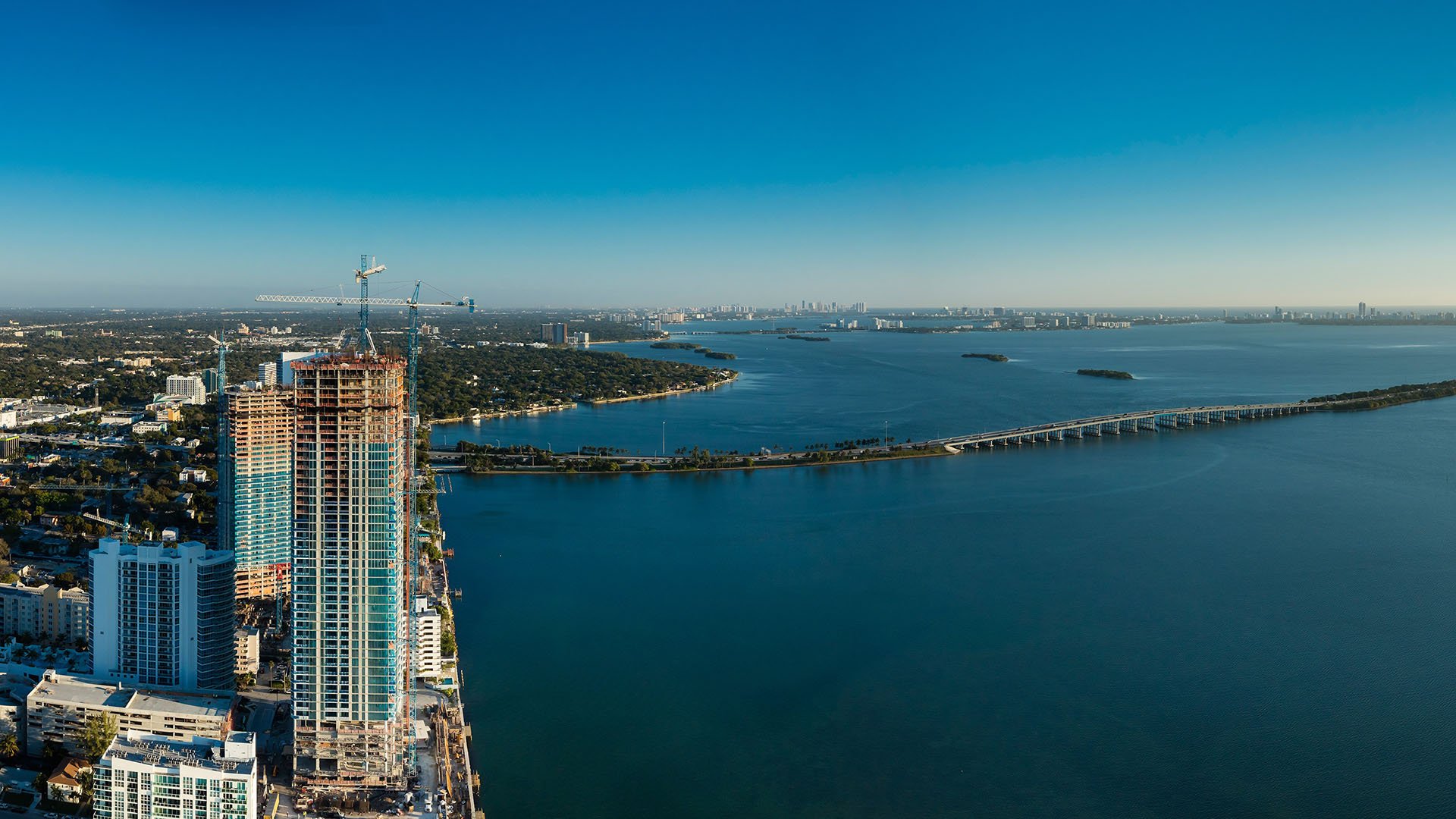
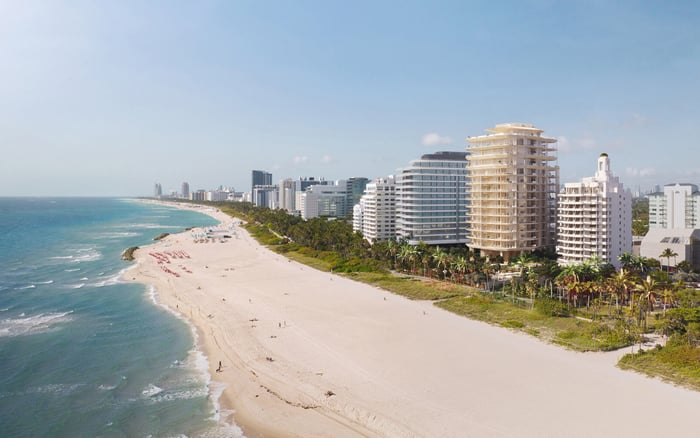
In South Florida, pre-construction is often the most direct route to an oceanfront address, modern building systems, and curated services that legacy inventory cannot always deliver. It is also a purchase where time is part of the asset. School calendars, seasonal living, tax planning, furniture lead times, and lease expirations can all hinge on a date that feels firm - until it isn’t.
Delays happen for many reasons. Some are “excusable” under the contract, including weather events, government actions, and supply disruptions. Others can be “inexcusable,” such as mismanagement or certain permitting and financing failures - depending on how your agreement allocates risk. The practical point is this: outcomes rarely turn on indignation. They turn on the contract’s date architecture, the notice mechanics for extensions, and how deliberately you preserve leverage as the building advances.
This guide is written for buyers in the upper tier of the market who want to remain discreet, strategic, and fully prepared - whether the project is simply sliding a quarter or truly at risk of cancellation.
Most delay disputes begin with confusion about which date actually controls.
Many agreements distinguish between a tentative closing date and a developer-controlled schedule that can move. Some contain an “outside” date tied to occupancy or completion, sometimes with multiple extension rights if specific notices are delivered. Others reference milestones that allow closings to begin even while work continues.
Your first step is to put three items on one page: 1) the stated closing or completion target, 2) every contractual extension trigger and notice requirement, and 3) your remedies if the outside date is missed. If you are evaluating a new purchase, this same exercise is equally valuable before you sign. It clarifies whether you are buying a home with a calendar - or buying a position in a construction timeline.
Luxury buyers are often surprised to learn that occupancy and completion can be decoupled. A Temporary Certificate of Occupancy (TCO) can allow occupancy and closings before the project is fully complete, but it is time-limited and typically requires remaining items to be finished later.
In Miami condo development, the TCO milestone is often what enables closings to start even while punch-list items or certain amenity components continue to be refined.
If your developer is pushing toward a TCO-driven closing, treat it as a due diligence phase - not a formality.
Focus your questions on what remains outstanding and how that reality affects daily life and resale posture. Are elevators, life safety systems, and primary building services fully operational? What is the timeline for amenity completion? Which items are controlled by the association after turnover versus retained by the developer’s team? Your goal is not to stop the train. It is to understand precisely what you are agreeing to live with - and what must be documented in writing before you close.
When schedules slip, luxury buyers often lean on calls and informal assurances. That is understandable - and it is also how leverage disappears.
Move all communications about timeline changes, promises, and deliverables into a written record. Confirm what you were told, when you were told, and what you are being asked to do. This is not about confrontation; it is about preserving a clean, date-stamped narrative that can support negotiation or, if needed, formal remedies.
Keep it polished. A brief email confirming the revised projected timeline and your understanding of next steps is often enough. If the situation escalates, your file becomes your power.
In practice, most luxury buyers have three lanes.
First, negotiate compensation. This can be structured as closing cost credits, upgrades, furniture allowances, storage, parking accommodations, or association-related concessions. Many contracts also include liquidated damages provisions for delay, which must be a reasonable estimate rather than a penalty to be enforceable. Importantly, liquidated damages clauses can be drafted as the exclusive remedy for delay, limiting a buyer’s ability to pursue additional damages beyond the stated amount. Translation: read the remedy section closely before assuming your negotiating ceiling.
Second, extend thoughtfully. If you still want the residence and the building’s fundamentals remain strong, the smartest move may be to trade time for certainty. Buyers sometimes negotiate an amended closing schedule, defined punch-list commitments, and clarity around what will be delivered at closing versus post-closing.
Third, pursue termination or deposit recovery if the agreement allows. Outcomes commonly depend on the contract’s termination clause and the deposit or escrow terms governing refund timing and deductions. The more you can anchor your request to specific contract language and missed milestones, the less emotional - and more effective - the conversation becomes.
Force majeure is frequently invoked during volatile construction cycles, but it is not a magic incantation. These clauses generally excuse performance only for events within the clause’s scope. They are interpreted contract by contract, and causation matters.
From a buyer’s standpoint, the analytical question is not whether a disruption exists. It is whether the disruption is the kind your contract lists, whether it actually caused the delay at issue, and whether the developer complied with notice requirements.
If you are still shopping pre-construction, evaluate force majeure language the same way you evaluate a view corridor: with specificity. Broad language shifts risk to you. Narrow, well-defined language protects the timeline you are paying for.
Florida’s condominium framework is primarily governed by Chapter 718, Florida Statutes, which shapes everything from creation to sales and operations. Within it, Florida Statute §718.503 gives residential condominium buyers a right to rescind by written notice within 15 days after executing the contract and receiving required developer disclosures.
That rescission window is short, and it is not a delay remedy. It is a front-end safeguard. If you are in the early phase and are uneasy about shifting timelines or disclosure changes, this statutory right can be decisive.
On the back end, if your issue relates to construction defects, Florida’s Chapter 558 creates a mandatory pre-suit notice-and-opportunity-to-repair process before filing a lawsuit. The notice must describe the alleged defects and generally gives the contractor 30 days to inspect, with different timing mechanics in certain multi-unit or association situations.
Even for buyers who prefer never to litigate, knowing this process matters because it dictates how and when a dispute becomes formal. In high-end buildings, association-level defect strategy can influence everything from reputation to resale velocity.
In rare cases, a buyer may pursue more aggressive legal tools. Specific performance is a potential remedy for breach of a real estate contract, but it is discretionary and can be used strategically because it may create significant pressure on the seller or developer. A related tool, a lis pendens, can be recorded in Florida disputes to give public notice of litigation affecting title, which can impede a developer’s ability to sell or refinance.
This is not a recommendation to escalate. It is a reminder that leverage in real estate is often tied to title, timing, and financing. Sophisticated buyers use that knowledge to negotiate from a position of calm strength.
South Florida has seen buyers sue a Sunny Isles Beach developer over major condo delivery delays, seeking rescission and deposit recovery after missed promised completion dates. The dispute involved a 320-unit project near 300 to 330 Sunny Isles Boulevard, with buyers alleging delivery far past promised dates and seeking cancellation and refunds.
You do not need to be litigious to learn from that narrative. The lesson is that when expectations diverge from contract mechanics, the situation can move from inconvenience to formal conflict quickly. A disciplined paper trail, a clear reading of dates and notices, and a defined negotiation posture reduce the odds you will be forced into a binary choice under pressure.
Today’s environment still carries real execution risk. Florida’s construction market faces significant labor shortage pressure, and material costs and procurement uncertainty remain meaningful contributors to schedule slippage risk on residential projects.
For a luxury buyer, the most protective habit is to underwrite the timeline the way you would underwrite a building’s balance of design and service. Ask for clarity on the milestones that matter to you: when the building expects to pursue TCO, how amenity delivery is sequenced, and whether the contract ties your closing to a date certain or to developer discretion.
If you are considering Miami Beach, projects such as Setai Residences Miami Beach and The Ritz-Carlton Residences® Miami Beach illustrate why buyers accept pre-construction complexity in exchange for brand-level service expectations and long-term positioning.
For those prioritizing an oceanfront posture with a more intimate scale, 57 Ocean Miami Beach naturally appeals to buyers who value privacy and a straightforward daily rhythm.
And for buyers who want hospitality sensibility baked into the residential experience, Casa Cipriani Miami Beach belongs in the conversation, particularly if you view service as a hedge against the friction that sometimes accompanies delivery and early building operations.
If you are closing under a TCO or amid ongoing work, refine your closing checklist to match reality:
Confirm in writing what is complete at closing and what will be completed after.
Identify which incomplete items are inside your residence versus common elements.
Document punch-list items with dates, photos, and response commitments.
Clarify access logistics for movers, designers, and deliveries if construction continues.
Align your insurance, lease transitions, and furnishings with realistic timelines.
Above all, avoid improvising at the closing table. Your leverage is greatest before you sign the final documents.
What is my first step if my condo delivery date slips? Read the contract’s date and notice provisions, then confirm the new timeline in writing.
Can a developer close my unit before the building is fully finished? Yes. A Temporary Certificate of Occupancy can allow occupancy and closings before final completion.
Is force majeure automatically a valid excuse for any delay? No. It depends on the clause’s scope, the facts, and whether the event actually caused the delay.
Do I have any quick statutory right to cancel after signing? Florida provides a 15-day rescission right after signing and receiving required disclosures.
What if my concerns are about defects, not timing? Florida uses a mandatory pre-suit notice process for construction defects before filing suit.
Can my contract limit what I can recover for delays? Yes. Liquidated damages provisions can cap - or even be - the exclusive remedy for delay.
Should I keep taking calls with the sales team about revised dates? Take the call if helpful, but confirm every material change by email or letter afterward.
If a developer cancels the project, do I automatically get my deposit back? Outcomes typically depend on the termination and escrow refund terms in your contract.
Can litigation tools affect a developer’s ability to sell or finance? Potentially. Certain remedies can place pressure on title and transactions.
How do I reduce delay risk when buying pre-construction again? Underwrite the date structure, extension rights, and TCO strategy as carefully as the design.
For a confidential assessment and a building-by-building shortlist, connect with MILLION Luxury.
If branded residences are on your mind — as a home or as an allocation — we would be glad to share what we are seeing, privately.
Begin a quiet conversation