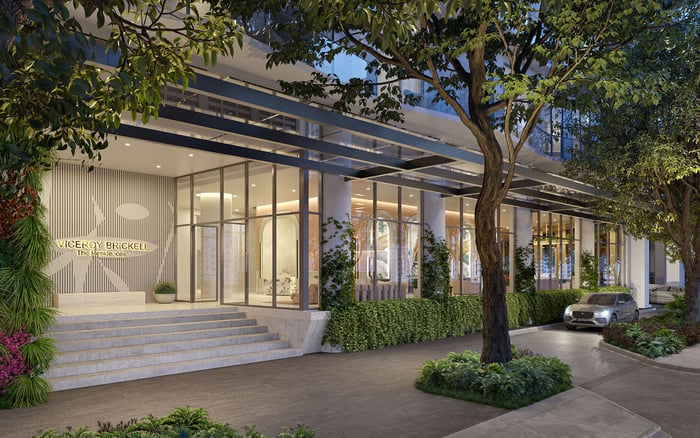
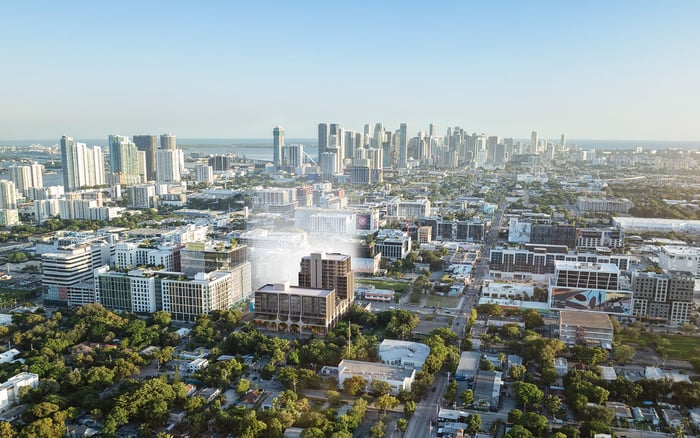
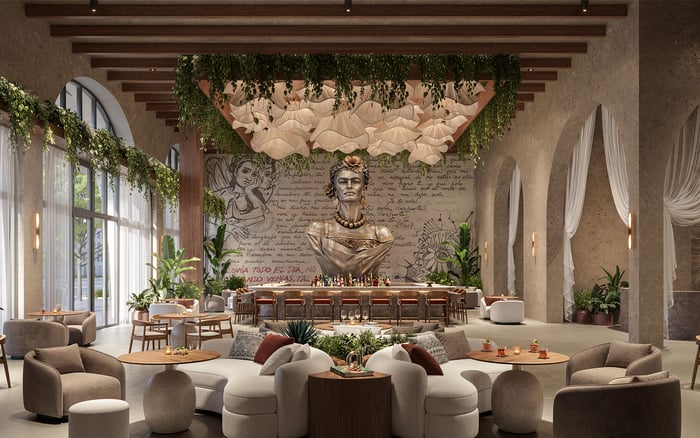
A buyer-oriented comparison of two very different Miami residential propositions: hospitality-led prestige in the Design District versus culturally expressive living in Wynwood.
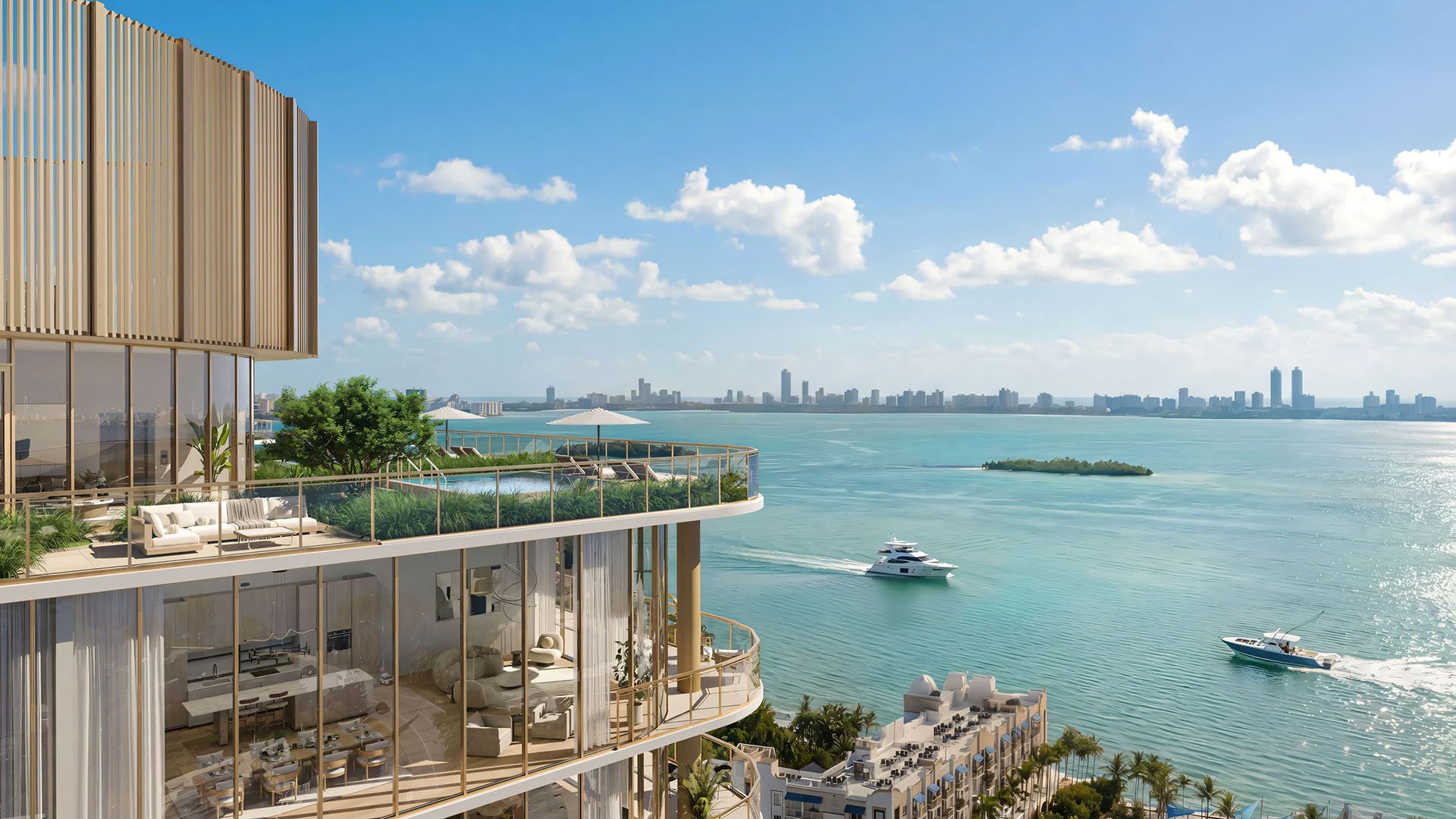
In Miami's luxury conversation, some addresses sell serenity, some sell status, and a select few sell a distinct way of moving through the city. That is the central distinction between Kempinski Residences Miami Design District and Frida Kahlo Wynwood Residences. The comparison is less about counting amenities and more about understanding what each neighborhood makes possible each day.
Kempinski enters the conversation with the aura of a luxury hospitality brand associated with personalized service and an elevated guest experience. In the Miami Design District, that brand logic aligns naturally with a neighborhood defined by luxury shopping, design showrooms, polished dining, and architecture-conscious placemaking. The appeal is not simply an apartment near boutiques. It is a residence embedded in a refined urban ecosystem where fashion, interiors, and hospitality sensibility converge.
Frida Kahlo Wynwood Residences begins from a different proposition. Wynwood is not a couture enclave. It is Miami's creative district, shaped by murals, galleries, studios, nightlife, and a street-level sense of cultural immediacy. The project's identity is understood less through traditional hospitality prestige and more as an art-forward address drawing energy from the neighborhood itself. For certain buyers, that is not a compromise. It is the point.
If your definition of luxury includes curated retail streets, visual order, and the sense that international brands help anchor neighborhood identity, the Design District has the cleaner argument. Here, residential life is reinforced by a highly edited public realm. One steps out into a district where fashion flagships, collectible design, dining, and contemporary art feel intentionally composed rather than incidentally assembled.
That context matters because branded residences are often strongest when the brand and the neighborhood speak the same language. Kempinski's hospitality-led identity suggests a buyer who values service, discretion, and a polished front-of-house experience. The larger thesis remains coherent: branded living paired with one of Miami's most recognizable luxury environments.
For buyers who already understand the grammar of branded real estate, this places Kempinski in dialogue with other South Florida names that derive power from lifestyle association and neighborhood fit, from 888 Brickell by Dolce & Gabbana to Casa Bella by B&B Italia Downtown Miami. The common thread is not sameness. It is the idea that design credibility and brand prestige can meaningfully shape residential desire.
In practical terms, the Design District suits the buyer who wants daily proximity to luxury retail culture, design-conscious streets, and an atmosphere that already feels globally legible.
Wynwood's luxury proposition is more textured and, for the right buyer, more emotionally resonant. It is not built on polished uniformity. It is built on movement, experimentation, and cultural density. The neighborhood remains synonymous with murals, galleries, artist-driven spaces, and nightlife. The effect is immersive. One does not simply live near culture in Wynwood. One lives within a district where art is part of the streetscape.
That is why Frida Kahlo Wynwood Residences is best understood through thematic fit rather than old-school hospitality metrics. Its attraction lies in cultural expression, artistic branding, and the promise of an address that feels plugged into Miami's creative bloodstream. Buyers drawn to collectors' circles, visual identity, and a more informal form of prestige may find Wynwood more compelling than a conventional branded tower in a polished district.
There is, of course, another side to Wynwood's momentum. The neighborhood's growth has come with an evolving story shaped by residential expansion. For some, that means opportunity and continued relevance. For others, it means accepting that the district's identity is still being negotiated in real time. Either way, Wynwood offers buzz with edge, not perfection with predictability.
That distinction places Frida Kahlo in a broader conversation with culturally inflected urban projects such as Miami Design Residences Midtown Miami and, in a different register, lifestyle-driven concepts like ORA by Casa Tua Brickell. The comparison is not literal. It simply underscores how Miami buyers increasingly choose narrative as much as square footage.
The Kempinski buyer is likely to be service-oriented, brand-literate, and highly attuned to environment. This person may split time between cities and prefer a neighborhood that feels orderly, elevated, and immediately legible to an international peer set. They may care less about creative spontaneity and more about consistency, discretion, and the quiet confidence that comes from living in an established luxury ecosystem.
The Frida Kahlo buyer is often seeking something more expressive. They may be collectors, entrepreneurs, aesthetes, or simply residents who prefer neighborhoods with texture over polish. For them, the value proposition is not that Wynwood resembles traditional luxury districts. It is that it does not. The neighborhood offers walkability to murals, galleries, nightlife, and cultural programming that can make daily life feel less scripted.
There is also a subtle difference in how each address performs socially. Design District living signals curation and access. Wynwood living signals fluency with culture and change. Neither is inherently superior. Each is a declaration of taste.
From a market-positioning standpoint, the Design District benefits from clarity. Its luxury identity is already well established, and its concentration of internationally recognized brands gives buyers an easily understood framework for value. That can be reassuring in a high-end residential purchase, especially when the surrounding district itself functions as part of the asset's appeal.
Wynwood presents a more dynamic proposition. Its energy, visibility, and continued residential evolution create a compelling narrative, but one that remains more fluid. Buyers who embrace Wynwood generally do so because they want exposure to cultural momentum, not because they expect the district to behave like a mature luxury retail enclave.
This is why the comparison should not be forced into a simplistic hierarchy. If your primary metric is branded-hospitality alignment in a refined setting, Kempinski has the stronger strategic fit. If your priority is neighborhood identity, art-world adjacency, and a more creatively charged daily rhythm, Frida Kahlo has the sharper emotional logic.
For couture adjacency, Kempinski Residences Miami Design District is the more convincing answer. The neighborhood already delivers the fashion-facing, design-conscious, hospitality-friendly atmosphere that buyers in this category typically want. The project benefits from its position in a district where luxury is part of the streetscape.
For creative-district energy, Frida Kahlo Wynwood Residences is the clearer expression. Its appeal comes from immersion in a neighborhood whose identity is built on art, nightlife, and cultural movement. It will resonate most with buyers who want their address to feel original, urban, and visibly connected to Miami's creative scene.
So the choice is not between better and worse. It is between refinement and rawness, between a district that has been fully edited and one that still thrives on experimentation. In Miami, both can command attention.
What does couture adjacency mean in this comparison? It refers to living beside a luxury fashion and design ecosystem where boutiques, showrooms, and polished placemaking shape daily life.
Why does Kempinski fit the Design District so well? Its hospitality-led identity aligns with a neighborhood defined by refinement, service expectations, and established retail culture.
What is the strongest argument for Frida Kahlo Wynwood Residences? It offers immersion in Wynwood's art-forward atmosphere, with murals, galleries, nightlife, and a more expressive neighborhood identity.
Is Wynwood a traditional luxury district? Not in the conventional sense. Its appeal comes more from creative energy and cultural density than from couture retail polish.
Is the Design District more established than Wynwood? Yes. It reads as a more mature luxury ecosystem with a clearer concentration of global brands and curated urban design.
Who is the likely buyer for Kempinski Residences Miami Design District? Someone who values branded prestige, service culture, and a residence embedded in a refined district.
Who is the likely buyer for Frida Kahlo Wynwood Residences? Someone drawn to artistic identity, neighborhood character, and a more culturally expressive version of urban living in Wynwood.
Does Wynwood's evolution matter to buyers? Yes. Its continuing residential growth and changing identity are part of the attraction for buyers who want a neighborhood still in motion.
Should buyers focus on amenities in this matchup? The sharper distinction here is neighborhood proposition rather than granular amenity comparisons.
What is the best way to shortlist comparable options for touring? Start with location fit, delivery status, and daily lifestyle priorities, then compare stacks and elevations to validate views and privacy.
To compare the best-fit options with clarity, connect with MILLION.
If branded residences are on your mind — as a home or as an allocation — we would be glad to share what we are seeing, privately.
Begin a quiet conversation