Opus Coconut Grove speaks to buyers who want Miami connectivity without surrendering to the intensity of the urban core. Its Coconut Grove context supports a quieter ownership thesis built around privacy, greenery, livability, service, and long-term residential ease.
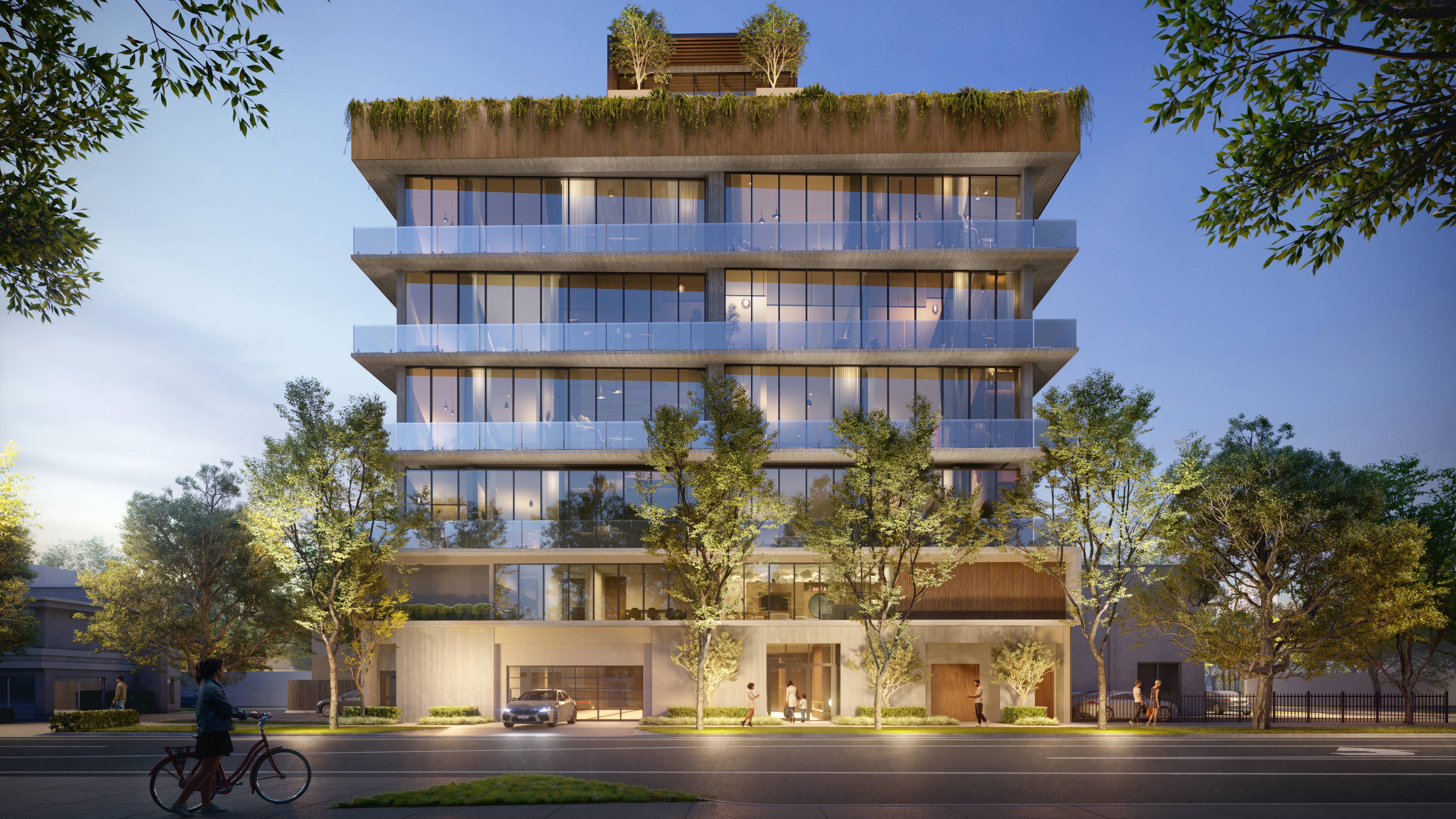
Opus Coconut Grove is best understood through a precise buyer lens: the globally connected owner who wants Miami within reach, but not always at full volume. For that buyer, access is essential. The city’s business relationships, cultural calendar, dining life, private aviation patterns, and international networks remain central to the equation. Yet the daily home environment needs to feel composed, residential, and grounded.
That is where Coconut Grove changes the conversation. Rather than leading with skyline drama or a high-intensity urban pace, the neighborhood offers a softer cadence shaped by mature greenery, winding streets, and proximity to Biscayne Bay. Opus Coconut Grove sits within that context as a choice for buyers who value Miami connectivity, but prefer a private residential rhythm when they return home.
The distinction matters. In South Florida’s upper tier, luxury is no longer defined only by scale, views, or spectacle. For many high-net-worth buyers, the more durable measure is how a residence supports the week: the ease of a morning routine, the ability to step out for a quiet coffee, the discretion of arrival, and the sense that home sits apart from the city’s public performance.
Private residential rhythm is not simply a poetic phrase. It is a practical ownership filter. It asks whether a property can support an international lifestyle without making everyday life feel transient, crowded, or exposed. For buyers who divide time among multiple cities, the most successful Miami home is often the one that allows immediate re-entry into a calm routine.
Coconut Grove’s appeal is both emotional and functional. The neighborhood’s walkable amenities, including cafes, restaurants, boutiques, fitness studios, and local services, help compress daily life into a more manageable radius. A buyer can remain close to the networks that make Miami valuable while preserving a sense of locality. The home is not isolated, but it is buffered.
This creates a meaningful contrast with more vertical, high-energy submarkets. Brickell and Downtown offer a powerful urban proposition, especially for buyers who want proximity to towers, offices, hotels, nightlife, and constant movement. Those districts can be compelling, but they are not trying to be quiet. Coconut Grove offers a different luxury language, one that places privacy, neighborhood feeling, and day-to-day livability closer to the center of the decision.
The choice between Coconut Grove and the urban core is less about which is better and more about personal operating style. A buyer who thrives on density may prefer the immediate charge of Brickell or Downtown. A buyer who wants the same city access, but with a softer return home, may find the Grove more aligned with long-term ownership.
For a buyer comparing Miami submarkets, the practical search language may include Opus Coconut Grove, Coconut Grove, Brickell, Downtown, new construction, and boutique residences; the deeper question is how each option supports the way a household wants to move through the week. Density, privacy, neighborhood texture, arrival sequence, and ease of daily errands can matter as much as finish packages or amenity labels.
Coconut Grove’s scarcity comes from character. It is not as skyline-driven as many other Miami districts, and that lower-key residential identity is precisely the point. Mature landscaping, shaded streets, and the nearby presence of Biscayne Bay create a sense of continuity that is difficult to replicate in newer, more vertical areas. For buyers already familiar with global capitals, the Grove’s appeal is often its restraint.
That restraint should not be mistaken for detachment. The neighborhood remains part of Miami’s broader luxury map, with access to business, cultural, and travel networks still central to the ownership case. Opus Coconut Grove speaks to those who want to participate in that larger ecosystem while keeping the home environment calmer, more personal, and less performative.
The most useful way to evaluate Opus Coconut Grove is not to ask whether it is louder than competing luxury options. It is to ask whether it is more livable for the buyer’s specific pattern. Does the residence support privacy without feeling disconnected? Does the neighborhood make daily life easier rather than more complicated? Does the setting offer a durable sense of place beyond a market cycle?
Privacy is the first filter. In a city where many luxury addresses are designed around visibility, some buyers prefer a residence that lowers the temperature. This does not mean sacrificing quality. It means prioritizing discretion, calm circulation, and a home life protected from the speed of the city.
Livability is the second filter. The Grove’s walkable services and residential texture can reduce friction in ordinary routines. A luxury home that performs well on an unremarkable Tuesday often proves more valuable than one that impresses only during a visit. Restaurants and boutiques matter, but so do quiet streets, familiar routes, and the ability to keep life local when desired.
Service is the third filter, though buyers should evaluate it carefully within the specific project details available at the time of purchase. The relevant question is not how many features can be named, but whether the ownership experience feels well supported. For high-net-worth households, service quality is often measured by consistency, privacy, and ease.
Resilience and long-term ownership quality form the final filter. In this context, resilience is not just a technical concept. It is also the resilience of lifestyle: whether the neighborhood’s identity can hold its value because it is rooted in character, scarcity, and residential desirability rather than temporary spectacle. Coconut Grove’s mature setting gives that argument particular force.
Opus Coconut Grove is likely to resonate with buyers who want Miami as a global platform, not a constant stage. They may travel frequently, entertain selectively, work across markets, and value access to culture and commerce. Still, they want home to feel like a retreat rather than an extension of the city’s intensity.
This buyer is not avoiding Miami. They are editing it. They want the ability to reach the city’s most important nodes while living in a neighborhood that feels human in scale. They may compare Opus Coconut Grove against urban luxury towers, waterfront options, and established residential enclaves, but the deciding factor will often be rhythm.
In that sense, the project’s strongest promise is not spectacle. It is balance. For the buyer who sees privacy as the highest form of luxury, Coconut Grove offers a rare proposition: global access held inside a residential cadence that feels calm, green, and intentionally discreet.
Who is Opus Coconut Grove best suited for? It is suited for buyers who want Miami access while preferring a quieter Coconut Grove residential setting.
What is the main lifestyle promise of Opus Coconut Grove? The central promise is a private residential rhythm supported by the Grove’s calmer neighborhood character.
How does Coconut Grove differ from Brickell? Coconut Grove feels more residential and lower-key, while Brickell is typically more vertical, dense, and high-energy.
Why is Biscayne Bay relevant to the buyer case? Proximity to Biscayne Bay contributes to the Grove’s sense of place and reinforces its coastal residential appeal.
Is this article focused on specific unit details? No. The stronger buyer thesis here is lifestyle-oriented, centered on privacy, livability, service, and long-term quality.
What daily amenities support the Grove lifestyle? Cafes, restaurants, boutiques, fitness studios, and local services help create a walkable residential cadence.
Should buyers compare Opus Coconut Grove with Downtown options? Yes. The comparison is useful because Downtown offers more urban intensity, while the Grove emphasizes calm and privacy.
What makes Coconut Grove scarce as a luxury setting? Its mature greenery, winding streets, and less skyline-driven identity create a residential character that is difficult to duplicate.
Is Opus Coconut Grove only for local buyers? No. It also appeals to globally connected buyers who want Miami business, cultural, and travel access with a calmer home base.
What is the best way to shortlist comparable options for touring? Start with location fit, delivery status, and daily lifestyle priorities, then compare stacks and elevations to validate views and privacy.
When you're ready to tour or underwrite the options, connect with MILLION.
If branded residences are on your mind — as a home or as an allocation — we would be glad to share what we are seeing, privately.
Begin a quiet conversation