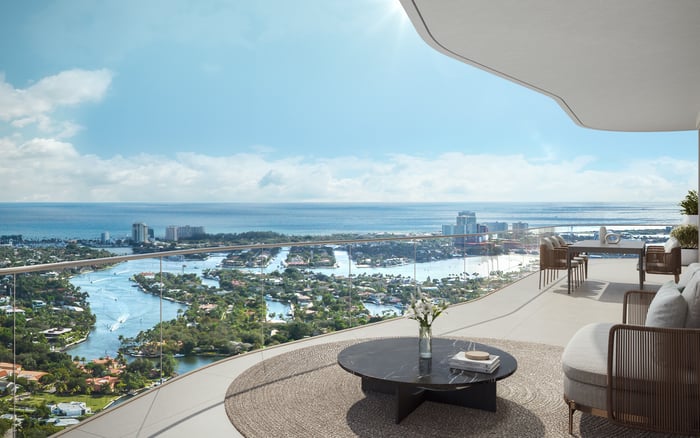
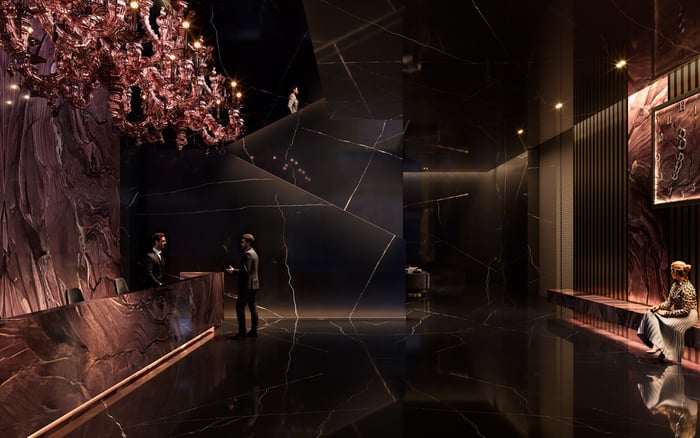
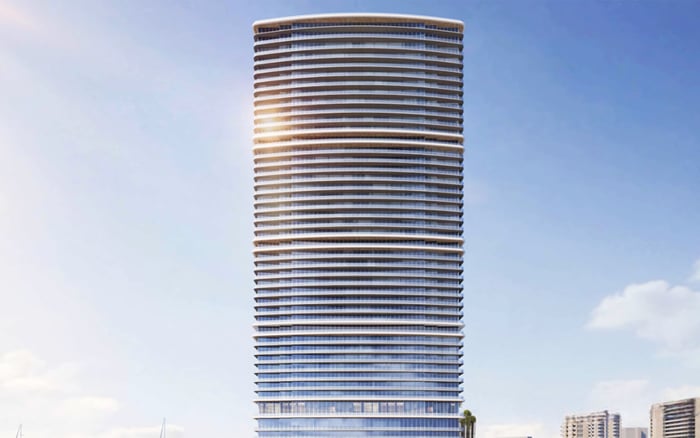
A buyer-focused comparison of Miami Design Residences Midtown Miami and Frida Kahlo Wynwood Residences, framed around ownership structure, walkability, school access, and lifestyle use.
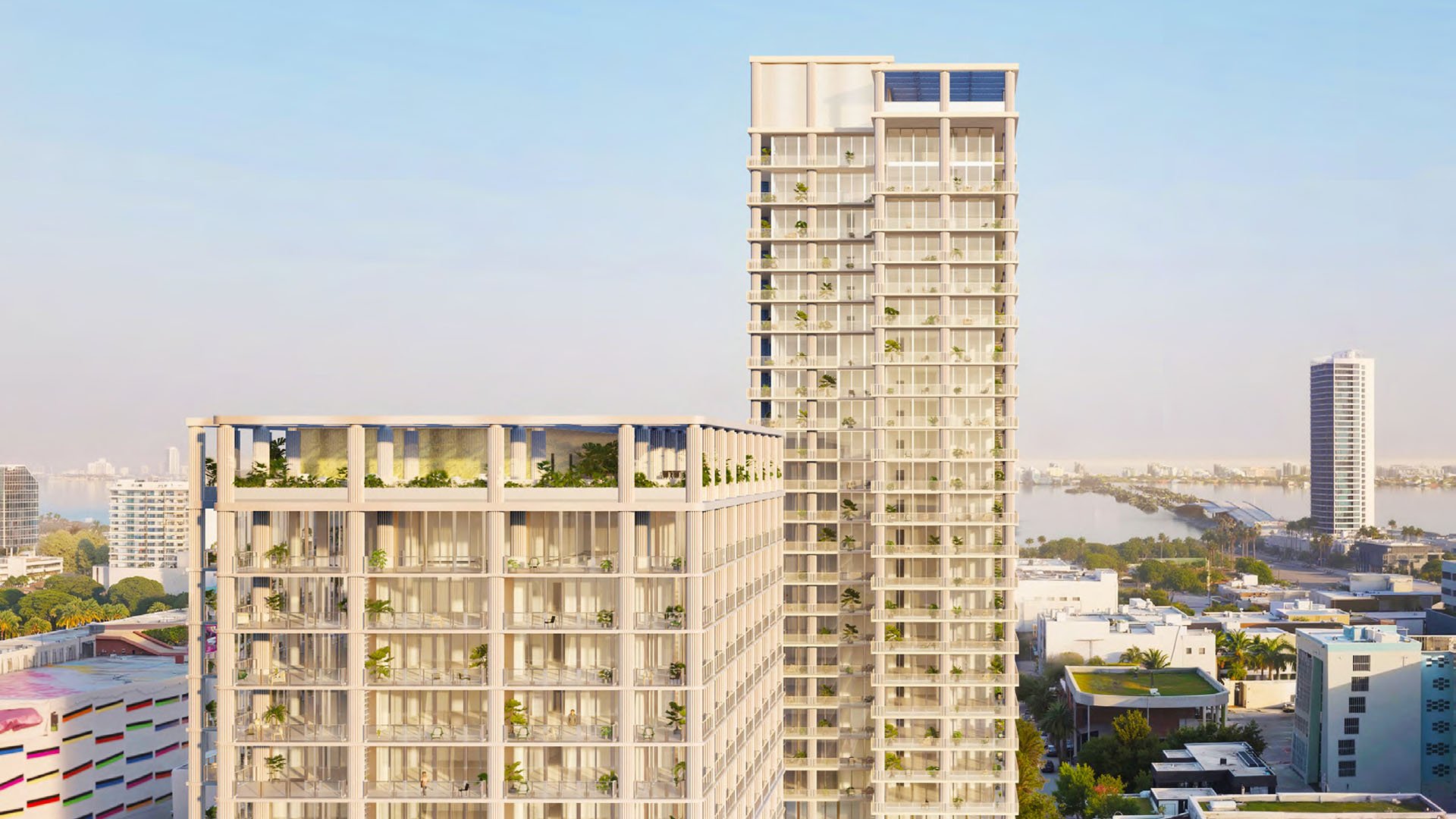
Miami Design Residences Midtown Miami and Frida Kahlo Wynwood Residences belong to a conversation larger than architecture or branding. For a luxury buyer, the essential question is how each residence would live on a Tuesday morning, a Friday evening, and a school-day commute-not simply how it photographs in a launch presentation.
The most useful comparison begins with ownership. In an urban condominium purchase, the ownership model affects far more than the deed. It shapes governance, rental flexibility, service obligations, common-area costs, guest access, delivery logistics, parking expectations, pet rules, and the way a building preserves its identity over time. Buyers who focus only on price per square foot can miss the rules that define daily life.
This decision is ultimately a study in alignment. Miami Design Residences Midtown Miami may appeal to buyers who prioritize an efficient city base near daily conveniences, while Frida Kahlo Wynwood Residences may speak to those drawn to a more expressive neighborhood rhythm. Those impressions, however, should be tested against documents, commute patterns, school needs, and weekend habits before a contract becomes emotional.
The phrase “ownership model” deserves careful attention. A residence can look straightforward from the sales gallery and still carry a detailed framework of rules that matters to an owner. Buyers should understand whether the home is intended primarily for owner occupancy, seasonal use, extended family stays, or flexible rental use. Each path carries different implications for privacy, building wear, amenity access, and resale perception.
This is where due diligence becomes a luxury discipline. Review the condominium declaration, budget, rules, rental policy, transfer procedures, insurance structure, and any branded or management agreements. Ask how the association will handle short visits, long stays, move-ins, deliveries, pets, amenity reservations, and guest registration. If hospitality-style services are part of the offering, clarify what is included, what is optional, and what can change over time.
For investment-minded buyers, the distinction is especially important. A model that appears flexible may also bring higher operational complexity, more transient use, or stricter booking rules than expected. A model designed for quieter residential ownership may protect privacy, but limit income strategies. Neither is automatically superior. The right answer depends on how the owner intends to use the asset.
Walkability should be evaluated personally. A building can be close to restaurants, fitness, culture, or everyday services, yet the experience changes with heat, rain, school drop-off, grocery routines, pet care, and evening safety preferences. For Miami Design Residences Midtown Miami and Frida Kahlo Wynwood Residences, buyers should walk the surrounding blocks at several times of day before deciding what “walkable” truly means.
A practical walkability audit includes five questions. Can you complete daily errands without relying on a car? Do you feel comfortable walking after dinner? Is there a logical route for children, guests, or older relatives? How easy is rideshare pickup during peak weekend hours? Does the parking experience support your life, or will it become a recurring frustration?
Wynwood has become shorthand for a certain creative Miami energy, but buyers should still separate neighborhood personality from personal usability. A second-home owner may love a lively weekend setting, while a full-time resident may value quieter mornings, efficient parking, and predictable access. The best urban purchase is not the most animated one. It is the one whose rhythm matches the owner’s calendar.
School access is often discussed too casually in real estate conversations. For families considering Miami Design Residences Midtown Miami or Frida Kahlo Wynwood Residences, the right approach is to treat school planning as a separate advisory track. Residential marketing should never replace direct confirmation of enrollment boundaries, admissions requirements, application timelines, transportation options, or future changes.
The private-school question is equally nuanced. Proximity may matter, but commute quality matters more. A school that looks close on a map may be complicated by traffic, drop-off protocol, parking, bridge timing, sibling schedules, or after-school activities. Families should test the route during real school-hour conditions and speak directly with admissions offices where appropriate.
Buyers should also consider the age of the children and the expected holding period. A residence that works beautifully for preschool may not work for middle school or high school. If grandparents, nannies, or household staff will participate in the school routine, building access, loading zones, and elevator efficiency can become part of the decision. In luxury real estate, convenience is not abstract. It is operational.
Weekend lifestyle is where these two choices may feel most distinct to a buyer, even when both are part of the same broader urban Miami narrative. One owner may want immediate access to dining, galleries, wellness appointments, and social plans. Another may want the ability to arrive, park, reset, and leave the car untouched until Monday. The building should support the preferred version of leisure.
Amenity design matters, but building culture matters more. A property oriented toward full-time residents may feel calmer, more predictable, and more private. A property with flexible use may feel more dynamic, but also more active in lobbies, elevators, and amenity spaces. Buyers should ask how the building intends to balance owners, guests, staff, deliveries, and events. That answer will define the lived experience as much as finishes or views.
This is particularly relevant for a new project purchase, where buyers may be evaluating vision before the building has a fully mature ownership culture. In a pre-construction context, the documents, developer history, management approach, and specificity of promised services are central. The most elegant renderings should be read alongside the most practical rules.
A clean comparison starts with a written use case. Will the residence be a primary home, pied-à-terre, family base, rental-sensitive asset, or lifestyle purchase? How many nights per month will the owner be there? Who else will have access? How important are school routes, pet logistics, gym habits, grocery access, and weekend dining?
Then compare Miami Design Residences Midtown Miami and Frida Kahlo Wynwood Residences through four filters. First, governance: what does the association allow, restrict, and control? Second, operations: how will daily movement actually work? Third, neighborhood fit: does the surrounding environment match the owner’s tempo? Fourth, exit strategy: will future buyers value the same ownership model?
The answer may not be obvious from branding. A buyer drawn to design may ultimately choose the quieter operational model. A buyer drawn to art and culture may still require disciplined building rules. A family may prioritize school logistics over weekend energy. An investor may prioritize flexibility but reject unnecessary complexity. The best purchase is the one where the emotional and legal realities point in the same direction.
How should buyers compare Miami Design Residences Midtown Miami and Frida Kahlo Wynwood Residences? Start with the ownership documents, rental rules, budget, and daily-use logistics, then compare neighborhood fit and lifestyle preferences.
Is walkability enough reason to choose one residence over the other? No. Walkability should be tested through real routines, including errands, evening plans, school routes, parking, and rideshare access.
What does ownership model mean for a luxury condo buyer? It refers to the legal, operational, and lifestyle framework that governs use, rentals, guests, amenities, expenses, and resale positioning.
Why does school access require separate diligence? School eligibility, admissions, transportation, and timing can change, so families should verify details directly before relying on location alone.
Can a weekend-focused buyer value a different model than a full-time resident? Yes. A weekend buyer may prioritize flexibility and neighborhood energy, while a full-time resident may prioritize quiet, privacy, and routine.
Should investors focus mainly on rental flexibility? Rental flexibility is important, but investors should also assess operating costs, building culture, guest rules, management structure, and resale depth.
How can buyers judge a project before the building culture is established? They should study the governing documents, management plan, service promises, budgets, and how clearly the rules anticipate real owner behavior.
What questions matter most during a sales appointment? Ask about rental policy, guest access, parking, storage, pets, amenity reservations, delivery procedures, insurance, and future association control.
Is a more active neighborhood always better for resale? Not always. Resale strength depends on the next buyer’s priorities, including privacy, convenience, school access, rental rules, and lifestyle fit.
What is the most important takeaway for buyers? Treat the decision as a match between legal structure, daily rhythm, family needs, and weekend lifestyle rather than a simple neighborhood preference.
For a confidential assessment and a building-by-building shortlist, connect with MILLION.
If branded residences are on your mind — as a home or as an allocation — we would be glad to share what we are seeing, privately.
Begin a quiet conversation