A buyer-focused guide to evaluating the resident-event calendar at W Pompano Beach Hotel & Residences through the lenses of privacy, service quality, operating discipline, and future resale appeal.
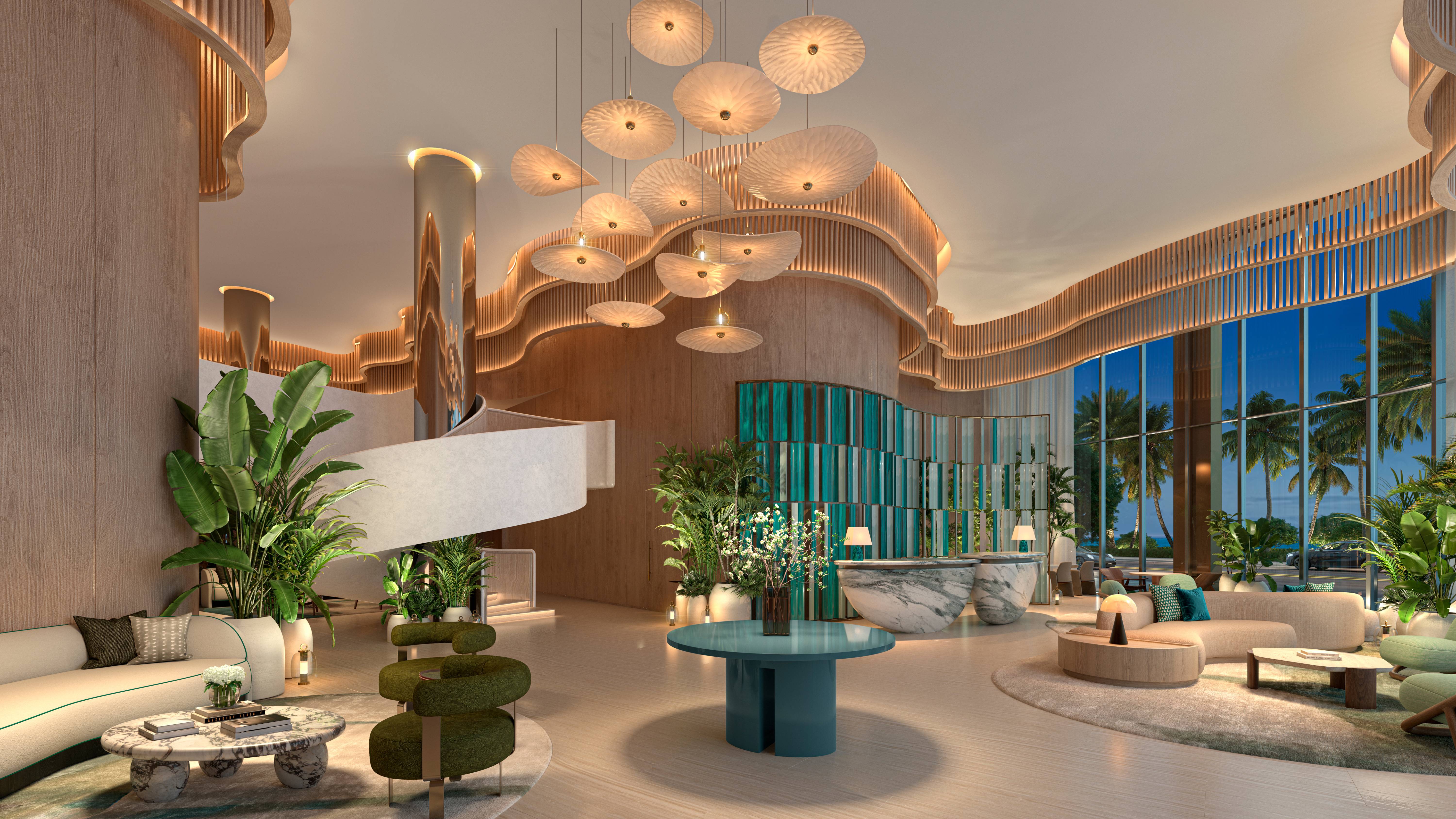
At W Pompano Beach Hotel & Residences, a sophisticated evaluation should reach beyond floor plans, finish palettes, views, and amenity renderings. In a branded coastal environment, the resident-event calendar is not a side note. It is part of the lived asset.
For some buyers, a full calendar of social programming is precisely the reason to choose a hospitality-led residence. For others, that same energy can raise concerns about privacy, access control, valet demand, elevator flow, and the quiet enjoyment of home. The question is not whether events are inherently good or bad. The question is whether the calendar supports the buyer’s intended lifestyle.
That distinction matters in a W-branded setting, where lifestyle programming, hospitality services, and social activation are likely to be meaningful parts of the ownership experience. The brand promise may include arrival, energy, design, and connection. The buyer’s task is to understand how that promise translates into daily residential life.
The first distinction is simple, but consequential: who is invited?
A resident-only wine tasting, wellness class, chef dinner, or seasonal gathering can add perceived value. It may strengthen community, support owner satisfaction, and make the building feel curated rather than anonymous. In that form, programming becomes an extension of ownership.
A resident-plus-hotel-guest event is different. It may still feel controlled, but it introduces a broader hospitality audience into shared areas. A public-facing event is different again. DJ nights, brand pop-ups, holiday parties, restaurant activations, or ticketed gatherings can generate energy, but they also raise questions about foot traffic, noise, valet queues, pool crowding, restaurant capacity, and elevator congestion.
The buyer should not simply ask, “Will there be events?” The sharper question is, “Which events are exclusively residential, which include hotel guests, and which are open to the public?” That distinction is the foundation of any privacy analysis.
A calendar should be reviewed through four practical variables: frequency, timing, guest eligibility, and venue location.
Frequency defines rhythm. A building that hosts occasional owner-focused programming may feel refined and residential. A property with frequent public activations may feel more like an entertainment venue. Timing matters just as much. A quiet weekday breakfast has a very different impact from a late weekend activation during peak tourism season.
Guest eligibility determines how porous the residential experience may become. If programming regularly prioritizes outside guests or revenue-generating events, tension can emerge between hotel operations and residential owner comfort. Venue location then determines how visible and audible that tension becomes.
Buyers should ask whether events occur in shared spaces such as pools, lounges, restaurants, beachfront areas, spa facilities, or amenity decks. The more the calendar relies on spaces residents use for daily life, the more important it becomes to understand access rules and operational controls.
Luxury owners often notice service degradation before they notice policy flaws. A lobby that feels overrun, a valet operation that slows noticeably, or an elevator bank that becomes crowded can shift the emotional tone of a property.
For that reason, buyers should evaluate whether staffing levels expand during events. Does the property add security, valet personnel, cleaning staff, front-desk coverage, pool attendants, or restaurant support when programming intensifies? Or do existing residential services become diluted as staff are redirected toward event execution?
This is where the calendar intersects with operating discipline. A heavily programmed environment can work beautifully if staffing, circulation, and access controls are designed around it. Without that support, even attractive programming can feel intrusive to ownership.
The most useful diligence is documentary. Buyers should request condominium documents, hotel-management agreements, and rules governing amenity access. These materials help clarify who controls programming decisions, who approves event types, and how shared amenities may be used.
The key issue is governance. A beautiful calendar is less reassuring if residents have limited visibility into how it may evolve. A restrained calendar is less valuable if management can later increase public-facing activations without meaningful residential oversight.
Buyers should also ask for an illustrative 12-month event calendar. It should distinguish projected resident-only events, hotel-guest events, and public-facing events. The goal is not certainty in every detail, but a clear understanding of the intended operating pattern across weekdays, weekends, holidays, and peak-tourism periods.
A calendar that feels discreet in May may feel very different during winter holidays or high-season weekends. Seasonal comparison is essential in a coastal hospitality environment.
Programming should be studied alongside physical design. The same event can feel discreet or disruptive depending on how the property separates residents, hotel guests, and public visitors.
Buyers should examine whether resident elevators, entrances, parking areas, pools, lounges, and amenity decks are separated from hotel or public traffic. A strong plan can preserve privacy even in an active setting. A weak plan can make modest events feel intrusive.
This is also where asset classification becomes useful. A buyer may shorthand the opportunity as Pompano Beach, oceanfront, condo-hotel, new-construction, and resale-sensitive, but those labels only become meaningful when paired with the actual circulation plan. In a hybrid hospitality-residential environment, the path from valet to lobby to elevator can matter as much as the residence itself.
The event calendar can influence resale because it shapes reputation. If programming creates a desirable branded lifestyle, strong owner satisfaction, and market buzz, future buyers may see the property as more compelling. The calendar becomes part of the brand premium.
The opposite is also true. If future buyers associate the building with noise, congestion, limited privacy, or excessive public access, resale perception may be pressured. This is not simply a matter of taste. It is a question of whether the property is remembered as a private residence with hospitality privileges or as a hospitality venue with residences attached.
Operating costs also deserve attention. Programming may require additional security, valet, cleaning, staffing, entertainment, or amenity maintenance. Buyers should understand how those costs are handled and whether they could affect the residential cost structure over time.
The strongest question is personal: do you want a quiet private residence, an active social resort, or a balance of both?
A heavily programmed calendar may be ideal for an owner who values energy, connection, brand moments, and a resort atmosphere. An under-programmed calendar may disappoint a buyer who expects W-branded differentiation. The art is finding the middle ground where service, privacy, and social life reinforce one another.
For W Pompano Beach Hotel & Residences, the resident-event calendar should be treated as a core diligence item. It may not appear on a floor plan, but it can define the way the property lives, serves, and resells.
Why does the resident-event calendar matter to buyers? It affects daily privacy, service consistency, amenity access, and future resale perception.
What is the first calendar question to ask? Ask whether each event is resident-only, open to hotel guests, or public-facing.
Can events increase owner value? Yes, resident-only programming can support community, owner satisfaction, and perceived lifestyle value.
When can events become a concern? They can become a concern when they increase noise, foot traffic, valet demand, or elevator congestion.
Which venues deserve the closest review? Pools, lounges, restaurants, beachfront areas, spa facilities, and amenity decks deserve careful review.
How should service quality be tested? Ask whether staffing expands during events or whether regular residential service is stretched thinner.
What documents should buyers request? Buyers should review condominium documents, hotel-management agreements, and amenity access rules.
Why compare different seasons? Event intensity may vary between weekdays, weekends, holidays, and peak-tourism periods.
Can the calendar affect operating costs? Yes, events may require added security, valet, cleaning, staffing, entertainment, or maintenance.
How can the calendar influence resale? It may enhance resale through lifestyle appeal or pressure it through perceptions of congestion and limited privacy.
To compare the best-fit options with clarity, connect with MILLION.
If branded residences are on your mind — as a home or as an allocation — we would be glad to share what we are seeing, privately.
Begin a quiet conversation