A buyer-focused examination of how lobby volume, porte-cochère privacy, and valet choreography shape the daily experience and long-term value perception of Jade Ocean Sunny Isles Beach and Fendi Château Residences Surfside.
For buyers considering Jade Ocean Sunny Isles Beach and Fendi Château Residences Surfside, the conversation should not begin and end with views, terraces, interior finishes, or beach access. In daily-use seven- and eight-figure residences, the arrival sequence becomes one of the most frequently experienced aspects of ownership. It is the first tactile encounter after Collins Avenue traffic, the first climate-controlled threshold after heat or rain, and the first signal of how a building manages privacy, service, and pace.
That makes lobby volume, porte-cochère privacy, and valet choreography more than aesthetic preferences. They are due-diligence categories. A residence can be restyled. Millwork can be replaced. Lighting can be softened. But the geometry of the driveway, the placement of the lobby, the vertical impression of the common arrival space, and the relationship among cars, pedestrians, staff, and street visibility are long-term characteristics of the building.
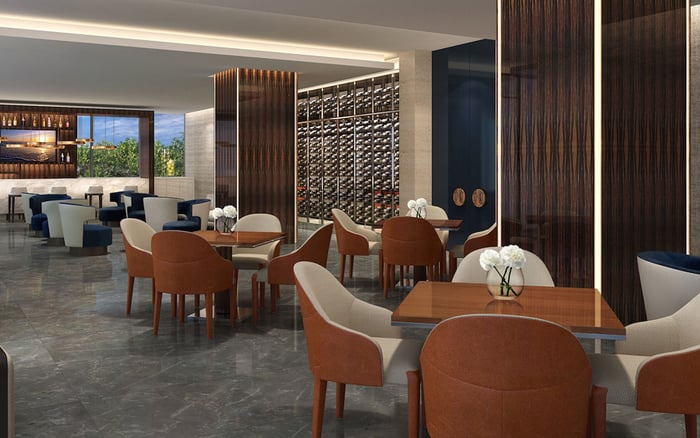
Lobby volume is one of the most durable architectural attributes in a condominium. Its effect is immediate: ceiling height, width, proportion, and the way light enters the space determine whether the arrival feels theatrical, intimate, ceremonial, or compressed. In an oceanfront building, this can define the emotional handoff from public boulevard to private residence.
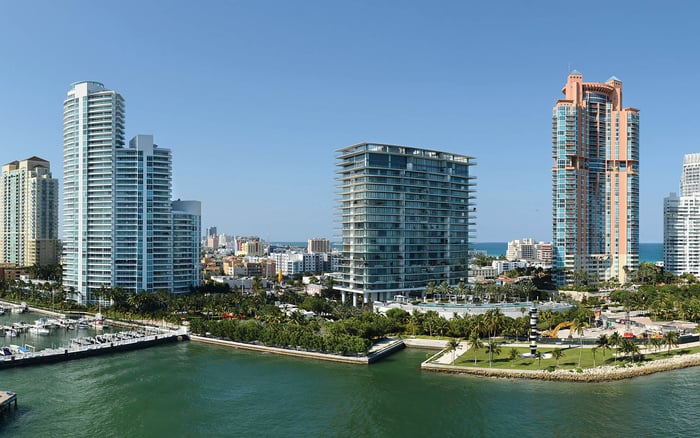
Jade Ocean Sunny Isles Beach sits on the larger, resort-style side of the comparison. In this framework, a more expansive lobby can signal scale, prestige, and a quasi-hotel atmosphere. That may appeal to buyers who value an arrival with presence, visibility, and a more animated rhythm. The value is not simply in size, but in whether the space feels intentional rather than oversized, elegant rather than exposed.
Fendi Château Residences Surfside represents the more boutique end of the lens. A smaller, highly detailed lobby environment can deliver a more residential impression, where discretion and human scale become the luxury. In Surfside, the buyer may be less interested in spectacle and more focused on the feeling of being absorbed quietly into the building.
Neither approach is inherently superior. The question is alignment. A buyer who wants hotel-like energy may find a cocooned arrival too restrained. A privacy-focused owner may find a grander lobby too visible. The due-diligence task is to determine whether the lobby’s volume matches how the owner actually wants to live.
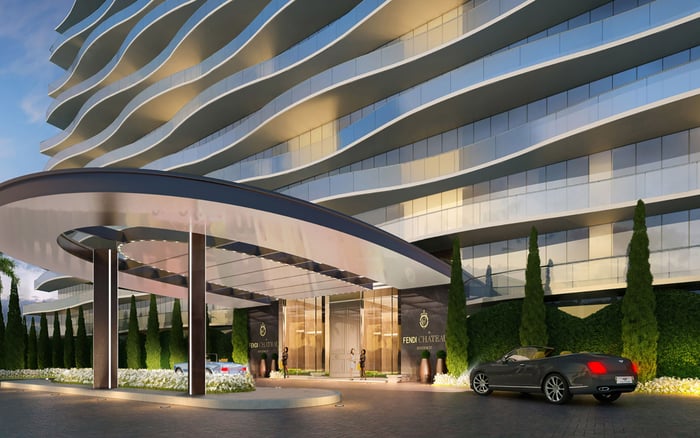
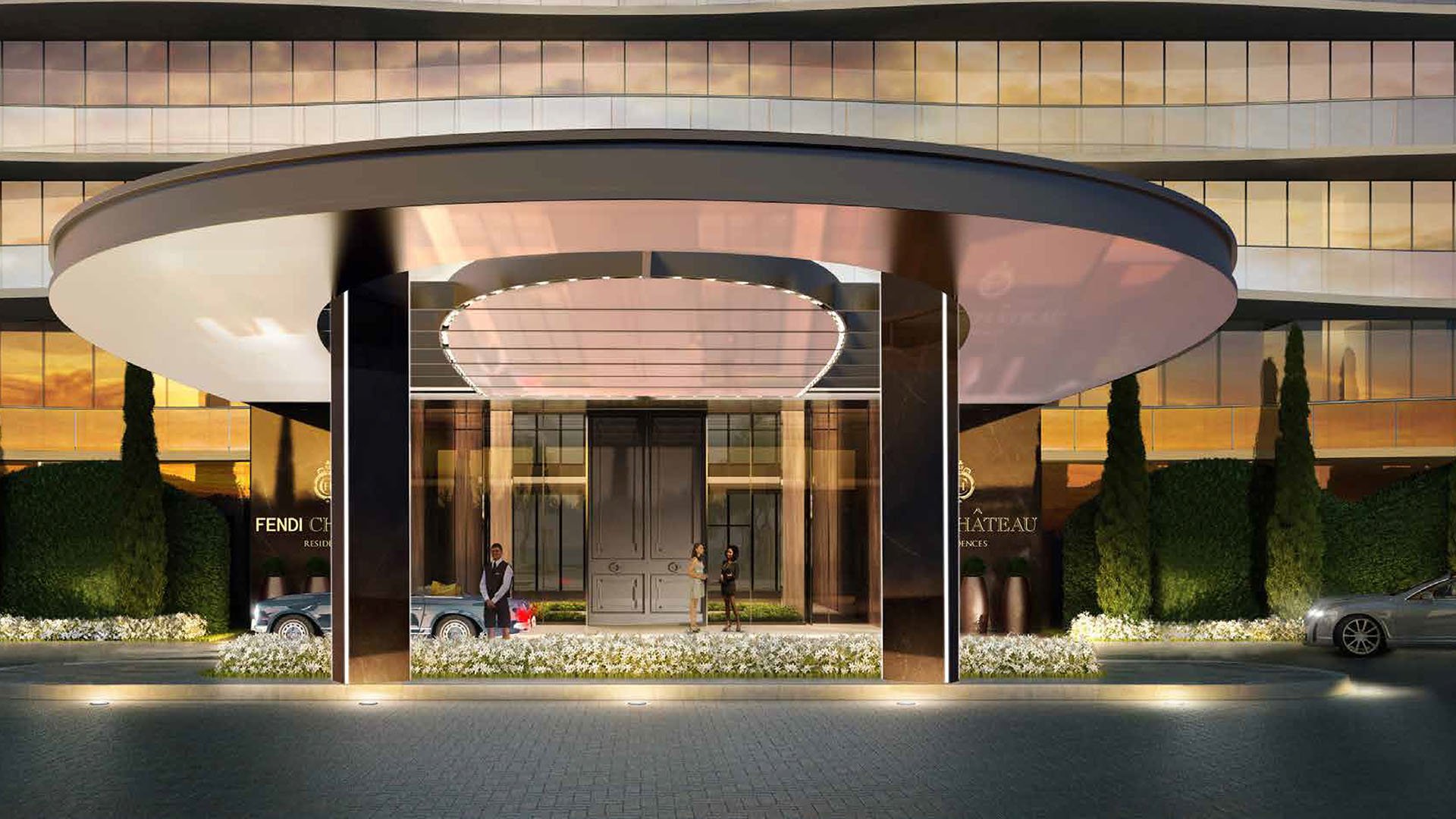
A porte-cochère is often described as a convenience, but in South Florida luxury real estate it is also a privacy device. Covered arrival matters because heat, humidity, solar exposure, and seasonal rain shape the practical transition from vehicle to lobby. Yet coverage alone is not enough. The more revealing question is who can see the arrival.
For both assets, Collins Avenue conditions matter. Traffic congestion, holiday periods, guest arrivals, and seasonal intensity can turn a visually polished entry into a bottleneck. A well-designed entry sequence should reduce exposure while allowing movement to remain calm. Buyers should consider whether the drop-off is visible from passing vehicles, neighboring towers, pedestrian areas, or adjacent public zones.
At Jade Ocean Sunny Isles Beach, the larger arrival experience may offer a more expressive sense of destination, but a buyer should evaluate how public or private that expression feels in practice. At Fendi Château Residences Surfside, the boutique promise should be tested against the actual sightlines from the street and surrounding context. Privacy is not created by branding. It is created by angles, screening, depth, staffing, and the choreography of movement.
Valet performance is where architectural intent meets daily reality. A beautiful motor court can underperform if stacking depth is limited, lane geometry is awkward, or rideshare and delivery activity interfere with resident movement. Conversely, a quieter entry can perform beautifully if staffing, rules, and circulation are disciplined.
The key is to observe multiple simultaneous demands. How does the building handle two or three SUV arrivals at once? Where do guests wait? Are deliveries separated from resident drop-off? Does a rideshare vehicle linger in the same zone as an owner’s arrival? Is there enough space for a car to enter, pause, unload, and clear without pressuring the next vehicle?
These questions are especially important because valet choreography is partly operational. Staffing levels, peak-season occupancy, guest policies, and management standards can change the experience. A buyer should distinguish between the architecture that is fixed and the service model that must be maintained. The most resilient buildings are those where the physical plan supports strong operations even on imperfect days.
Resale value is not shaped only by the private residence. It is shaped by what a buyer feels before reaching the elevator. The arrival sequence is repeated constantly by owners, guests, family offices, drivers, seasonal visitors, and prospective future purchasers. That repetition gives it liquidity relevance.
From an investment perspective, fixed common-area characteristics deserve special weight. Interior finishes can be updated to match a new owner’s taste, but ground-floor volume, driveway depth, porte-cochère exposure, and lobby placement are far harder to change. If those elements feel compromised during a showing, they can become negotiating friction. If they feel effortless, they reinforce the property’s position before the residence door opens.
This is why the Jade Ocean Sunny Isles Beach and Fendi Château Residences Surfside comparison is useful. It forces the buyer to separate brochure-level amenity language from lived performance. A larger arrival can be impressive, but must manage traffic and privacy. A boutique arrival can feel discreet, but must still absorb real-world activity without becoming constrained.
The most revealing visit is not always the quiet midday tour. Buyers should experience the entry during a busier period, preferably when residents, guests, deliveries, and rideshare vehicles overlap. The goal is not to catch flaws, but to understand the building’s true rhythm.
Stand outside briefly and watch sightlines. Sit in the vehicle approach and feel whether the sequence is intuitive or tense. Notice whether staff can communicate clearly without crowding the car. Observe whether the covered zone protects against weather without feeling dark or enclosed. Walk from vehicle to lobby and ask whether the transition feels gracious, rushed, public, or secure.
For Sunny Isles and Surfside buyers, these observations can be as important as comparing floor plans. Luxury is not only the view from the living room. It is the confidence that every return home feels composed.
Why does lobby volume matter in luxury condo due diligence? Lobby volume shapes the first spatial impression and is effectively fixed after construction, making it a long-term ownership factor.
Is a larger lobby always better? No. A larger lobby may signal prestige and drama, while a smaller, detailed lobby may feel more private and residential.
Why is porte-cochère privacy important? Visibility from streets, pedestrians, nearby buildings, or passing vehicles can affect discretion, security, and comfort.
What should buyers observe about valet service? Buyers should watch how the building handles simultaneous SUVs, guests, rideshare vehicles, and deliveries during busier periods.
How does South Florida weather affect the arrival sequence? Heat, humidity, sun, and seasonal rain make covered, efficient transitions from vehicle to lobby especially important.
Does Collins Avenue traffic affect the ownership experience? Yes. Congestion can turn an attractive entry into a practical bottleneck during peak seasons, holidays, or busy arrival windows.
How should buyers compare Jade Ocean Sunny Isles Beach and Fendi Château Residences Surfside? Compare the daily feeling of arrival: scale, privacy, street exposure, covered access, and how movement is managed.
Can valet performance change over time? Yes. Staffing, occupancy, guest rules, and management standards can influence how well the arrival sequence performs.
Why is the arrival sequence relevant to resale? Future buyers experience it before they see the residence, so it can influence confidence, emotion, and negotiating posture.
What is the main takeaway for oceanfront buyers? Treat the lobby, porte-cochère, and valet plan as core building infrastructure, not decorative amenities.
For a discreet conversation and a curated building-by-building shortlist, connect with MILLION.
If branded residences are on your mind — as a home or as an allocation — we would be glad to share what we are seeing, privately.
Begin a quiet conversation