A discreet buyer’s comparison of Key Biscayne and Coconut Grove across lifestyle, water orientation, school logistics, privacy expectations, and long-term fit.
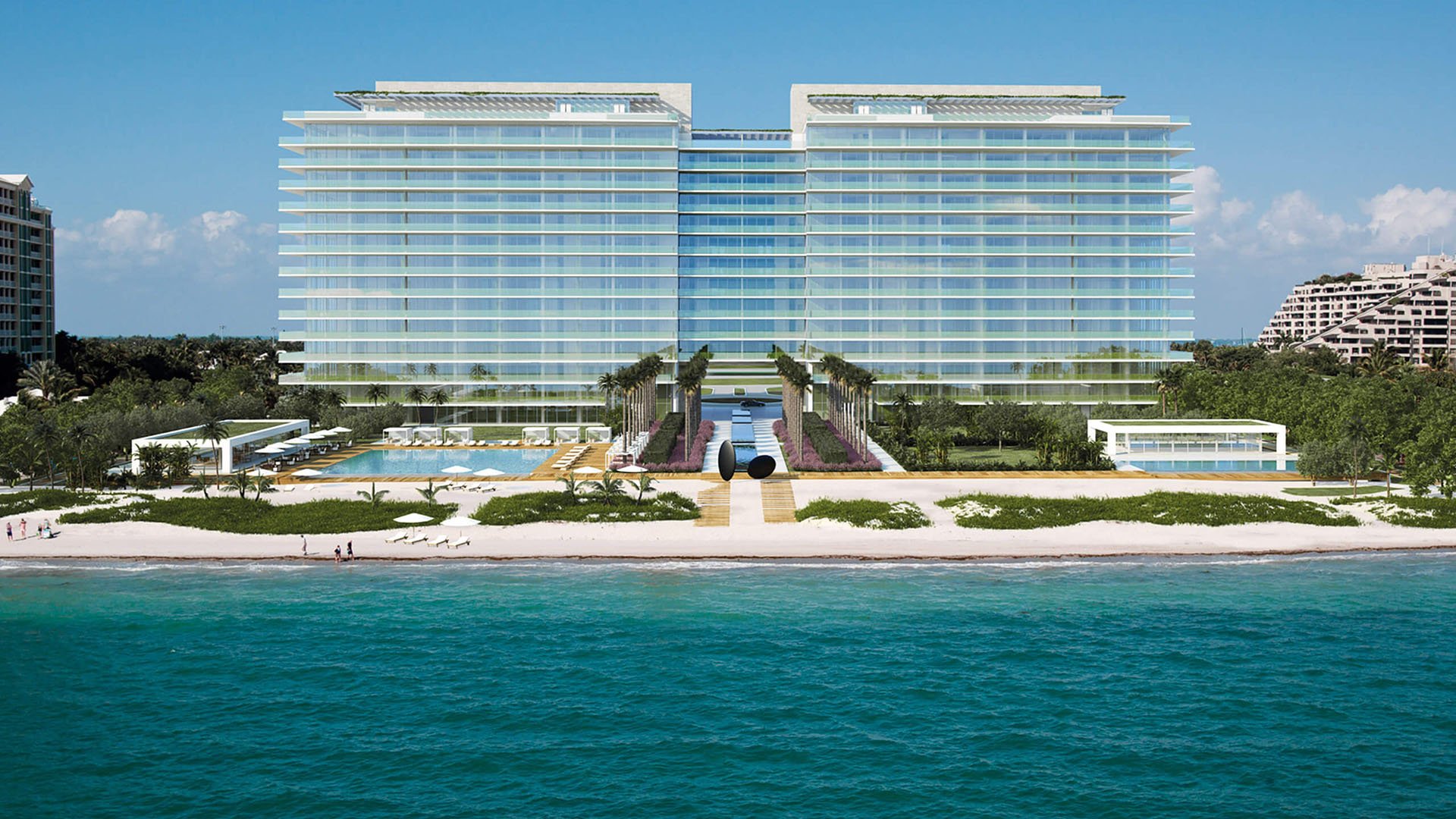
Key Biscayne and Coconut Grove occupy a rare tier in South Florida luxury real estate: established, desirable, and quietly self-assured. Yet they serve very different definitions of home. The better choice is not simply the more exclusive address. It is the one whose rhythm matches how a household actually lives.
Key Biscayne tends to appeal to buyers seeking separation, beach proximity, and a more contained residential environment. Coconut Grove speaks to those drawn to bay atmosphere, mature landscaping, dining, schools, and a connected mainland routine. At the highest level, buyers sort the decision through six filters: island living, village life, private-school access, beach routines, gated-community expectations, and waterview priorities.
For a primary residence, the distinction becomes practical quickly. Where will children go to school? How often will the household move through the urban core? Is the ideal morning a beach walk, a marina view, a shaded village coffee, or a quiet drive through residential streets? The right answer often appears before the price conversation begins.
Key Biscayne is the clearer fit for buyers who want beach life to be central, not occasional. Its appeal is direct: a resort-like sense of arrival, a calmer residential mood, and the feeling that water shapes the day’s structure. For owners who value swimming, sand, casual club culture, and a stronger island identity, Key Biscayne offers a lifestyle that feels removed without being disconnected from Miami.
Coconut Grove, by contrast, is not primarily a beach decision. It is a bay decision. Its luxury is softer and more atmospheric: tree canopy, sailing culture, waterfront parks, village streets, and proximity to restaurants and cultural life. The Grove’s water experience is often visual and social rather than purely beach-driven. Buyers who prize views, breezes, boating adjacency, and layered neighborhood fabric often find the bay more compelling than the sand.
The difference matters. A buyer seeking a barefoot second-home feeling may find Key Biscayne more emotionally aligned. A buyer who wants waterfront energy with mainland flexibility may prefer Coconut Grove. Both are refined, but they create different rituals.
For family buyers, schools are often decisive, but the question is rarely abstract. It comes down to commute time, admissions planning, extracurricular logistics, after-school traffic, and whether children’s lives are centered on the island, the Grove, Coral Gables, Brickell, or elsewhere in Miami.
Key Biscayne can work beautifully for families who want a more contained residential setting and are comfortable with the daily movement island living requires. The value proposition is privacy, consistency, and a slower residential texture. The tradeoff is that every outside commitment must be measured against the crossing and the household’s tolerance for routine travel.
Coconut Grove offers a more integrated mainland position. For families balancing school, sports, dining, office access, and social calendars across several neighborhoods, that centrality can feel efficient. The Grove’s appeal is not only where it sits, but how naturally it connects to Miami’s broader private-school and family ecosystem.
In both markets, the strongest buyers evaluate schools before they fall in love with a property. A home can be architecturally perfect and still be wrong if the morning and afternoon routine does not work.
Privacy in Key Biscayne is geographic. The island setting creates a natural boundary. Buyers often respond to the feeling of entering a distinct residential world, where the pace is lower and the environment reads as more self-contained. For those who equate privacy with separation, Key Biscayne has an intuitive advantage.
Privacy in Coconut Grove is more architectural and social. It is found behind gates, through landscaping, on quiet streets, and in homes that turn inward while remaining close to the village. The Grove can feel intimate without feeling isolated. Its discretion is less about leaving Miami behind and more about living within Miami on one’s own terms.
This distinction is subtle but important. Key Biscayne privacy feels like retreat. Coconut Grove privacy feels like concealment within a historic, sophisticated neighborhood. One is protective by geography; the other is protective by design.
The luxury buyer’s calendar often reveals the better neighborhood. If the household entertains frequently across Brickell, Coral Gables, Miami Beach, and the Design District, Coconut Grove may feel easier to integrate into a citywide life. Dinners, school events, galleries, airport runs, and professional meetings can fold into the day with fewer psychological barriers.
Key Biscayne, however, rewards buyers who prefer the home to be the destination. Entertaining there often feels more residential and relaxed, with less dependence on the city’s constant movement. For owners who host family weekends, boating days, beach routines, or quiet dinners, the island’s separation can become the point.
Neither model is superior. Coconut Grove favors the buyer who wants graceful access. Key Biscayne favors the buyer who wants a more deliberate arrival home.
Key Biscayne and Coconut Grove both attract buyers who care deeply about architecture, privacy, outdoor space, and water orientation, but the property logic differs. In Key Biscayne, buyers often weigh island houses and established condominium residences through the lens of beach access, family use, and retreat. The strongest properties tend to feel effortless, durable, and relaxed.
In Coconut Grove, the decision can be more varied. Some buyers want a tropical single-family home under mature trees. Others want a contemporary residence with bay views and services. Others prefer a lock-and-leave lifestyle near dining, schools, and cultural life. The Grove can satisfy a broader range of urban-residential preferences, provided the buyer is clear about noise tolerance, street character, and desired seclusion.
For second-home buyers, Key Biscayne may read more immediately as vacation. For primary residents who move constantly through Miami, Coconut Grove may offer more flexibility. For families seeking both calm and connection, the choice depends on where daily obligations actually sit.
Choose Key Biscayne if the dream is beach proximity, island quiet, a residential boundary, and a life that feels intentionally set apart. It is especially compelling for buyers who want their home environment to filter the outside world and who place a premium on weekend ease.
Choose Coconut Grove if the dream is bay atmosphere, mature greenery, strong neighborhood texture, and a more connected mainland base. It is particularly persuasive for buyers who want privacy without removing themselves from Miami’s cultural and educational network.
The wisest approach is to test each neighborhood through an ordinary weekday, not a perfect weekend. Drive the school route. Visit in the morning and evening. Notice whether the household relaxes when crossing onto the island or feels energized by staying mainland. Luxury is not merely the home you acquire. It is the friction you remove.
Is Key Biscayne better for beach-focused buyers? Yes, buyers who want beach life to shape the daily routine often gravitate toward Key Biscayne.
Is Coconut Grove better for bay-oriented living? Yes, Coconut Grove is often a stronger fit for buyers who prioritize bay views, boating culture, and village energy.
Which neighborhood feels more private? Key Biscayne offers privacy through island separation, while Coconut Grove offers discretion through design, landscaping, and street character.
Which area is better for families considering schools? The better choice depends on school location, commute tolerance, admissions planning, and after-school logistics.
Is Key Biscayne more suitable as a second home? It can be, particularly for buyers who want a relaxed beach-oriented retreat with a clear sense of arrival.
Is Coconut Grove more convenient for citywide access? Often yes, especially for households moving regularly between schools, restaurants, offices, and nearby neighborhoods.
Which market is better for buyers who entertain often? Coconut Grove may suit citywide entertaining, while Key Biscayne may suit quieter hosting centered around home, beach, and family.
Should buyers decide based on the property or the neighborhood first? Neighborhood fit should come first because daily rhythm, commute, and privacy expectations shape long-term satisfaction.
Do both areas offer luxury single-family options? Yes, both attract luxury buyers seeking refined homes, though the lifestyle context differs significantly.
What is the best way to shortlist comparable options for touring? Start with location fit, delivery status, and daily lifestyle priorities, then compare stacks and elevations to validate views and privacy.
For a tailored shortlist and next-step guidance, connect with MILLION.
If branded residences are on your mind — as a home or as an allocation — we would be glad to share what we are seeing, privately.
Begin a quiet conversation