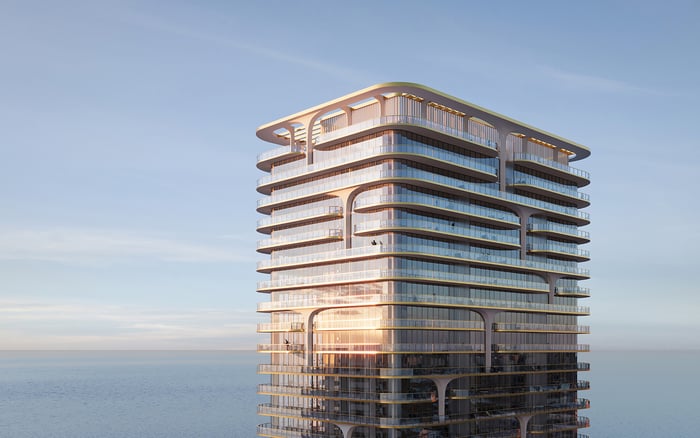
A buyer-focused editorial on why grill rules at Waldorf Astoria Residences Pompano Beach are less about outdoor cooking and more about the practical limits of condominium ownership, terrace rights, branded standards, and lifestyle due diligence.
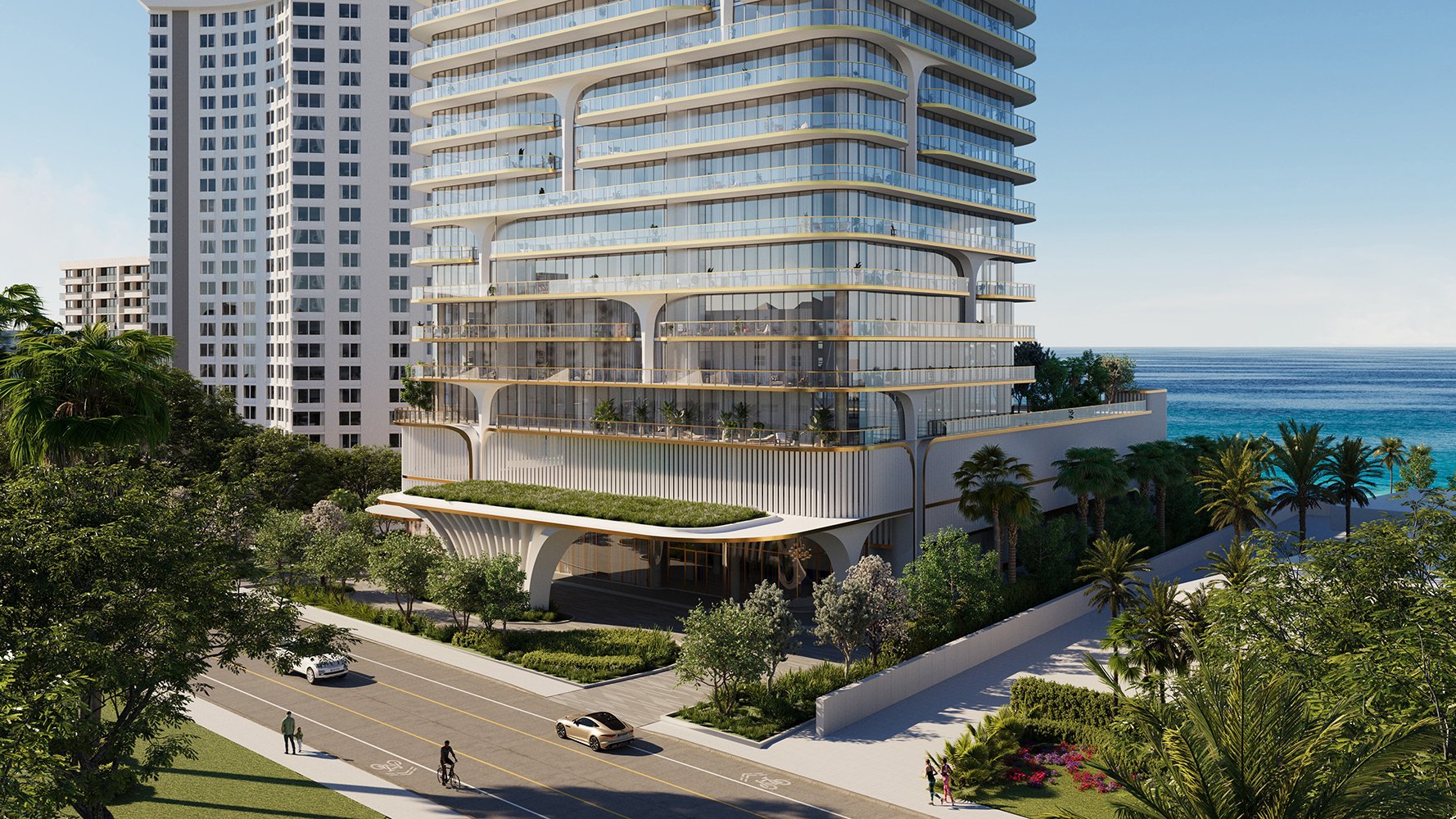
At first glance, a grill policy can seem like a small lifestyle detail. For a buyer considering Waldorf Astoria Residences Pompano Beach, however, it raises a larger and more consequential question: what does ownership actually allow after closing?
In South Florida luxury condominiums, ownership is valuable, but it is not absolute. A residence may be privately owned, beautifully finished, and designed for indoor-outdoor living, yet its balconies, terraces, building systems, shared amenities, insurance profile, and brand standards remain governed by documents and rules. The question is not simply whether an owner can cook outside. It is whether the governing structure permits a particular use in a particular place, under specific safety, design, and community standards.
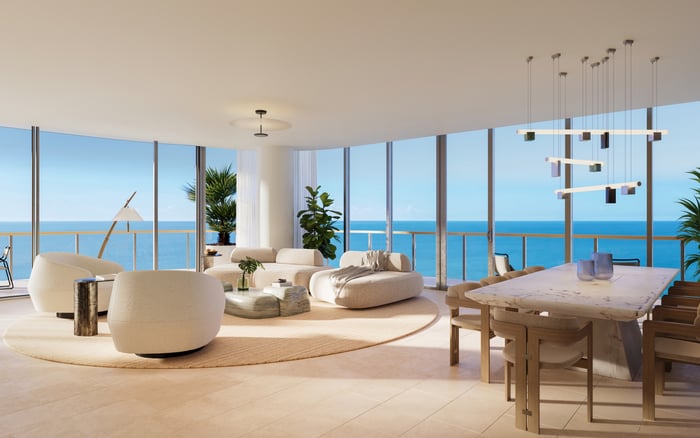
That distinction matters in Pompano Beach because the luxury buyer here may be seeking a complete coastal ritual: morning light, water views, guest weekends, casual dining, and the ease of a resort-caliber building. A grill restriction, allowance, or condition can quietly define how that ritual works.
Branded residences tend to attract buyers who want private ownership with hotel-level order. That combination is central to the appeal, but it also means the experience is curated. Rules are not merely administrative. They help preserve design consistency, operational safety, service standards, and the shared quiet that supports long-term value.
A grill policy may involve several layers. The declaration may distinguish between a unit, a limited common element, and a common element. The bylaws may define board authority. Rules and regulations may address day-to-day use. Insurance requirements may influence whether open-flame equipment, propane storage, or certain appliances are permitted. Local safety standards may also shape what is allowed on a balcony or terrace.
For buyers, the critical issue is not whether a rule feels restrictive. It is whether the rule aligns with the lifestyle they are purchasing. If outdoor cooking is central to the way an owner entertains, that detail deserves the same attention as views, parking, ceiling heights, and service culture.
The phrase “I own it” can be misleading in a condominium context. An owner controls the interior residence within the boundaries set by the governing documents, but the building remains a collective environment. The exterior appearance, façade, railings, mechanical systems, life-safety systems, amenity areas, and many terrace conditions may be regulated for the benefit of all owners.
That is why a grill rule often becomes a proxy for larger questions. Can furniture remain outside year-round? Are heat-producing appliances allowed? Are planters, umbrellas, or outdoor kitchens restricted by weight, wind, drainage, or appearance? Who maintains what? What happens if a future board revises a rule? Does a branded operator have approval rights over visible terrace conditions?
None of these questions diminish ownership. They clarify it. In the ultra-luxury market, clarity is part of the asset. A buyer who understands the building’s framework can live more comfortably, negotiate more intelligently, and avoid assuming that a private terrace functions like a single-family patio.
Pompano Beach belongs to Broward’s coastal condominium corridor, where buyers often compare service, privacy, beach proximity, and long-term usability with care. The attraction is not only the shoreline. It is the possibility of a quieter luxury experience that still connects to the wider South Florida market.
In this context, Waldorf Astoria Residences Pompano Beach sits within a buyer mindset shaped by hospitality, wellness, design, and everyday convenience. The name brings expectations. Those expectations should be matched by a disciplined review of the documents that govern real life after move-in.
Search language can flatten nuance. Buyers may arrive through terms such as Pompano Beach, Broward, oceanfront, balcony, or new construction, but those labels do not tell the full story. Two ocean-facing condominium residences can offer very different rights of use. One may permit only certain electric appliances. Another may restrict all private grilling but provide common outdoor cooking areas. Another may allow equipment only if installed, vented, or maintained in a prescribed way. The value is in the detail.
A careful buyer should request and review the governing documents before treating any outdoor use as guaranteed. The declaration, bylaws, rules and regulations, sales materials, purchase agreement, and any current operating policies should be read together. If a grill or outdoor kitchen is important, the question should be asked plainly and documented clearly.
The best questions are practical. Is any grill permitted on a private terrace? If yes, what type? Electric, gas, built-in, portable, or only developer-installed? Is fuel storage allowed? Are there restrictions on size, heat output, placement, cover, ventilation, or hours of use? Are there common grilling areas instead of private terrace use? Who has authority to modify the rule later? Are violations subject to fines or removal requirements?
A luxury purchase should not depend on casual assumptions made during a showing. The terrace may photograph beautifully, but the permission structure determines how it can be used. For an owner who entertains often, this can affect everything from furniture planning to the rhythm of weekends.
Rules can feel personal, but they also affect liquidity. Future buyers may ask the same questions. Some will value stricter rules because they reduce smoke, odor, fire risk, and visual clutter. Others will prioritize more flexible private outdoor living. Neither preference is inherently superior. The issue is market fit.
In a branded building, consistency can support confidence. Buyers often pay for predictability, not improvisation. A well-defined policy can be preferable to vague discretion, especially in a high-end condominium where neighboring terraces, hotel-style expectations, and resident privacy intersect.
For sellers, clarity can prevent friction. If a residence is marketed with an emphasis on outdoor entertaining, the actual rules should support that positioning. If private grilling is not part of the lifestyle, the alternative should be framed accurately: dining terraces, chef-ready interiors, catered entertaining, or common outdoor amenities, depending on what the building documents permit.
The presence of a grill rule should not be treated as a flaw. It should be treated as a signal to understand the building. In many luxury condominiums, restrictions are part of the architecture of comfort. They protect façades, manage insurance concerns, maintain serenity, and preserve the brand experience.
The more important question is whether the rule is clear, consistently applied, and compatible with your use. A buyer who rarely cooks outdoors may welcome a quiet terrace culture. A buyer who imagines weekly grilling for family and guests may need a building where that use is expressly permitted. The right answer depends on the owner, not on a generic idea of luxury.
For Waldorf Astoria Residences Pompano Beach, the ownership question behind grill rules is ultimately a due diligence question. Luxury is not only the residence you buy. It is the set of permissions, services, limits, and protections that shape everyday life inside the building.
Do condominium owners automatically have the right to grill on their balconies? No. Balcony and terrace use is typically governed by condominium documents, building rules, insurance requirements, and safety standards.
Why would a luxury building restrict private grilling? Restrictions can address fire safety, smoke, odor, façade protection, insurance, and the comfort of neighboring residences.
Is a grill rule the same as a lack of ownership? No. It reflects the nature of condominium ownership, where private rights coexist with shared building governance.
What documents should a buyer review before assuming outdoor cooking is allowed? Buyers should review the declaration, bylaws, rules and regulations, purchase agreement, and current operating policies.
Can a board change grill rules after owners move in? Some rules may be revised under the authority granted by the governing documents, so buyers should understand amendment powers.
Are electric grills treated differently from gas or charcoal grills? They can be. The permitted equipment type, if any, should be confirmed in writing through the applicable building documents.
Do branded residences usually have stricter lifestyle rules? They may have more curated standards because the resident experience, service model, and brand presentation are part of the value.
Should grill access influence an offer decision? Yes, if outdoor cooking is central to the buyer’s lifestyle, entertaining plans, or terrace design expectations.
Is Pompano Beach attracting more detailed luxury due diligence? Buyers in Broward’s coastal condominium market often compare governance, usability, service, and lifestyle fit before relying on assumptions.
What is the most practical next step for a serious buyer? Ask direct questions, obtain written confirmation, and have the relevant condominium documents reviewed before relying on any assumed use.
For a confidential assessment and a building-by-building shortlist, connect with MILLION.
If branded residences are on your mind — as a home or as an allocation — we would be glad to share what we are seeing, privately.
Begin a quiet conversation