A buyer-focused guide to evaluating the weekday school-morning departure at Fendi Château Residences Surfside, with attention to privacy, service choreography, Collins Avenue access, and resale relevance for family buyers.
At Fendi Château Residences Surfside, the most revealing family due diligence may not happen at sunset, during cocktail hour, or in the quiet of an afternoon showing. It happens between 7:15 and 8:15 a.m., when school bags are packed, uniforms are visible, the elevator is called, the car is requested, and the household must move from private residence to Collins Avenue without friction.
This is where a branded oceanfront home becomes an operational environment. Fendi Château Residences Surfside is positioned as an ultra-luxury boutique condominium with an identity tied to Fendi, and that carries a clear expectation of discretion. For family buyers, the question is not simply whether the residence is beautiful. It is whether the building can protect privacy and tempo during the most repeated, time-sensitive part of the weekday.
Oceanfront living creates a powerful contrast. The eastern side of the home is about view, calm, and privacy. The western side, where vehicles, service, valet coordination, and Collins Avenue access come into play, is where daily performance is tested.
The right way to evaluate a school-morning departure is to time the entire path, not a single component. Start at the apartment door. Measure the elevator wait, the ride down, the walk through the lobby or garage level, valet retrieval, loading children and bags, and the final driveway exit toward Collins Avenue.
A polished lobby can conceal weak choreography if the car is not staged, the elevator is delayed, or multiple families converge within the same 10- to 15-minute window. Conversely, a smaller building can feel exceptionally composed when staff recognize household rhythms, anticipate repeat departures, and keep the vehicle sequence moving without visible strain.
The key is to test the building during the actual weekday window. A late-morning tour may show the architecture. A true school-morning visit reveals the operating culture.
In luxury real estate, privacy is often discussed in terms of floor height, direct views, sound separation, and private outdoor space. For families, privacy also exists in motion. It includes elevator landings, hallway exposure, lobby visibility, security recognition, valet zones, and the moment children enter the car.
A private-school household may be especially sensitive to this choreography. Uniforms, schedules, drivers, tutors, sports equipment, and repeated routines can make family patterns easy to observe if the transition from residence to vehicle is too public. The best buildings do not merely provide access. They soften exposure.
Private or semi-private elevator access can help, but it should not be treated as a complete answer. Its value depends on elevator count, speed, control logic, and how the system behaves when several residences are leaving at once. Buyers should ask how peak departures are handled, whether elevator priority is predictable, and whether staff coordinate in advance when multiple vehicles are expected.
Boutique scale is one of the natural advantages at Fendi Château Residences Surfside. Fewer residences can reduce the risk of elevator congestion, lobby crowding, valet pileups, and curb pressure compared with a larger high-density tower. For a family buyer, that can translate into a more civilized daily rhythm.
Still, boutique is not automatically synonymous with seamless. In a small luxury condominium, every operational flaw is more noticeable because residents repeat the same routines daily. If a car is late three mornings in one week, the issue feels personal. If security does not recognize a household rhythm, the experience feels less bespoke. If the porte cochère becomes congested, the brand promise is undercut by the simplest part of the day.
The practical question is whether the service team can maintain composure under predictable pressure. Ask how concierge, valet, security, and building management communicate during peak family departures. Ask whether cars can be requested in advance, how staging is prioritized, and what happens when weather, luggage, or multiple children complicate the handoff.
Collins Avenue is central to the daily functionality of an oceanfront Surfside building. From there, families may connect to school routes in Surfside, Bal Harbour, Bay Harbor Islands, Miami Beach, and nearby mainland areas. The exact route will vary by school, bridge choice, calendar, and morning conditions, so buyers should avoid relying on a single casual estimate.
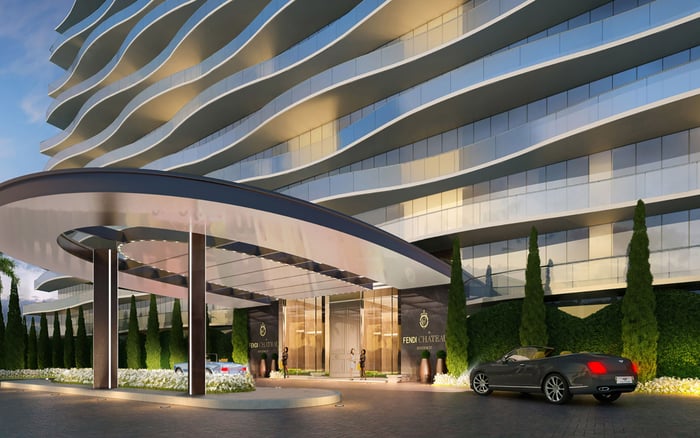
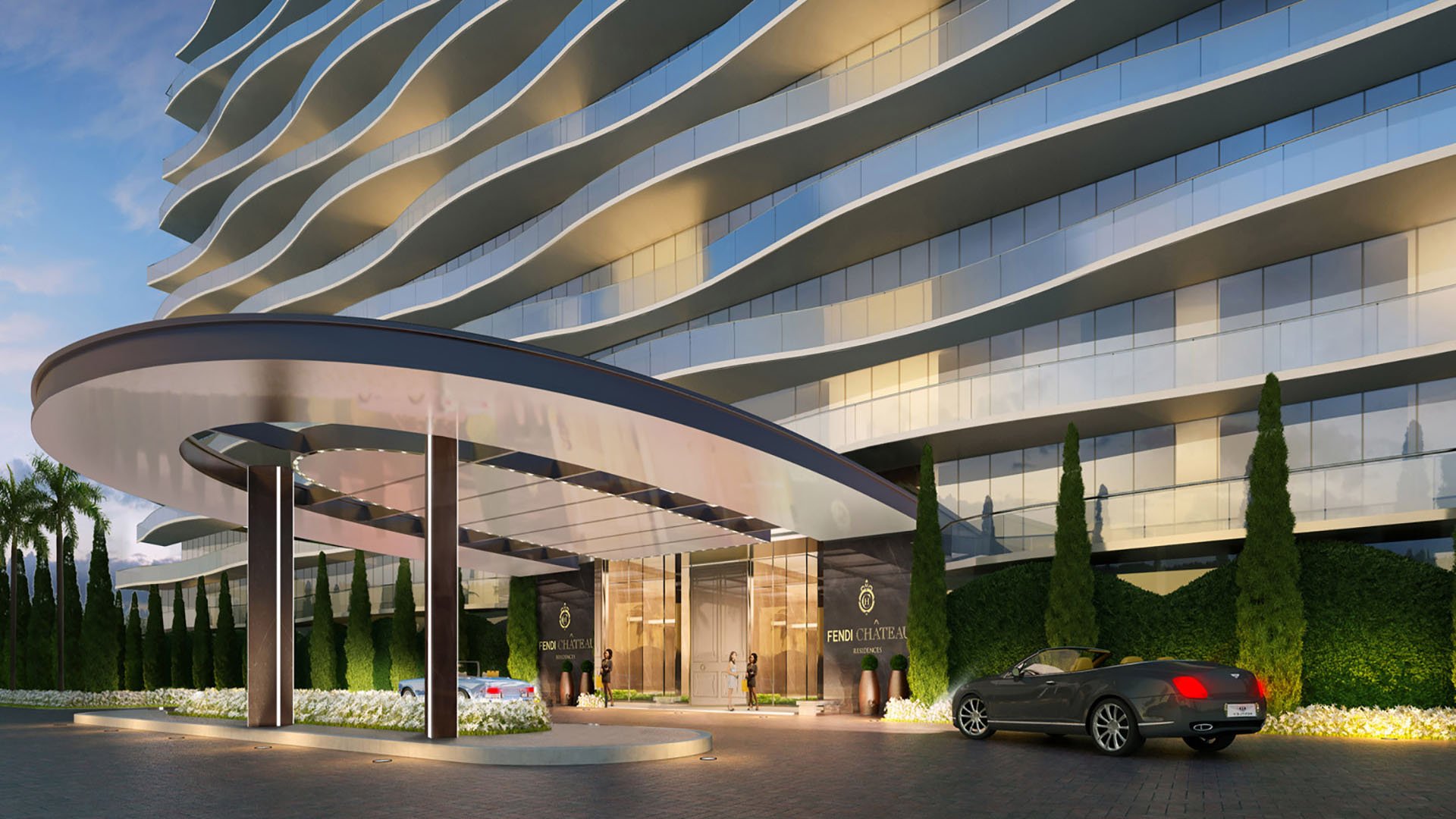
Instead, evaluate the exit as a repeatable pattern. Does the driveway release cars cleanly? Is there enough space for loading without blocking other departures? Does the valet team understand that a school run is different from a leisure departure? Is the resident experience calm even when the public traffic environment is not?
Oceanfront status is an amenity, but the western service interface is the daily test. A residence can feel serene above the water and still disappoint if the move to Collins Avenue feels exposed, delayed, or improvised. The strongest properties make both sides of the building feel intentional.
Resale value in this segment is shaped by more than finishes, views, amenities, and brand prestige. For family buyers, a discreet, predictable, low-friction weekday exit can become a decisive feature. If the building makes school mornings feel composed, it supports daily livability. If it creates repeated stress, the issue follows the property into buyer perception.
This is especially important for Fendi Château Residences Surfside because the residence appeals to buyers who expect design and service to operate together. The Fendi identity may help define the aesthetic and positioning, but the lived value is proven in routine. A buyer who can say the school-morning exit is calm, private, and consistent has a stronger practical story when evaluating long-term ownership.
Resale does not depend on one isolated showing. It depends on whether future buyers can imagine their weekday life functioning beautifully. In family-oriented luxury, operational grace is part of the asset.
Schedule at least one visit during the 7:15 to 8:15 a.m. window. Begin inside the residence, not in the lobby. Time the door-to-car sequence and the car-to-Collins Avenue release separately. Note whether children would be visible in transitional spaces and whether staff presence feels discreet or performative.
Ask specific service questions. How are repeat morning departures tracked? Can vehicles be requested before a family reaches the lobby? How are simultaneous valet calls sequenced? What happens when one household needs extra loading time? Are security and concierge teams trained to recognize family routines without making them feel public?
Finally, compare the emotional register. The best school-morning exit should feel almost uneventful: no crowding, no unnecessary conversation, no exposed waiting, and no uncertainty about where the car will be. In a true luxury building, the quietest service moment is often the most valuable one.
Why is the school-morning exit important at Fendi Château Residences Surfside? It reveals how the building performs during a daily peak-use moment, from elevator timing to valet readiness and Collins Avenue access.
What time should buyers test the exit sequence? The most relevant window is 7:15 to 8:15 a.m. on a weekday, when family departures are most likely to overlap.
Does oceanfront living affect the morning exit? Yes. Oceanfront living separates the private residential environment to the east from the more public service and vehicle interface to the west.
Is boutique scale an advantage for families? It can be, because fewer residences may reduce elevator, valet, and lobby pressure, but service coordination still matters.
What should buyers time during a visit? Time the path from apartment door to Collins Avenue, including elevator wait, valet retrieval, loading, and driveway exit.
How should privacy be evaluated? Look beyond the residence itself and study hallway exposure, lobby visibility, valet staging, and school-uniform departures.
Does private elevator access guarantee discretion? Not by itself. Its value depends on elevator speed, count, control logic, and how the system performs during peak departures.
Why does service culture matter in a small luxury condominium? Repeated routines make any operational weakness more visible, especially when residents depend on timely weekday departures.
Can school-morning performance affect resale? Yes. Family buyers often value a calm, discreet, predictable exit as part of long-term livability and ownership confidence.
What is the best way to shortlist comparable options for touring? Start with location fit, delivery status, and daily lifestyle priorities, then compare stacks and elevations to validate views and privacy.
For a tailored shortlist and next-step guidance, connect with MILLION.
If branded residences are on your mind — as a home or as an allocation — we would be glad to share what we are seeing, privately.
Begin a quiet conversation