A discreet buyer’s guide to evaluating whole-floor privacy in Fort Lauderdale residences, with emphasis on arrivals, floor-plate control, outdoor space, service routes, and resale clarity.
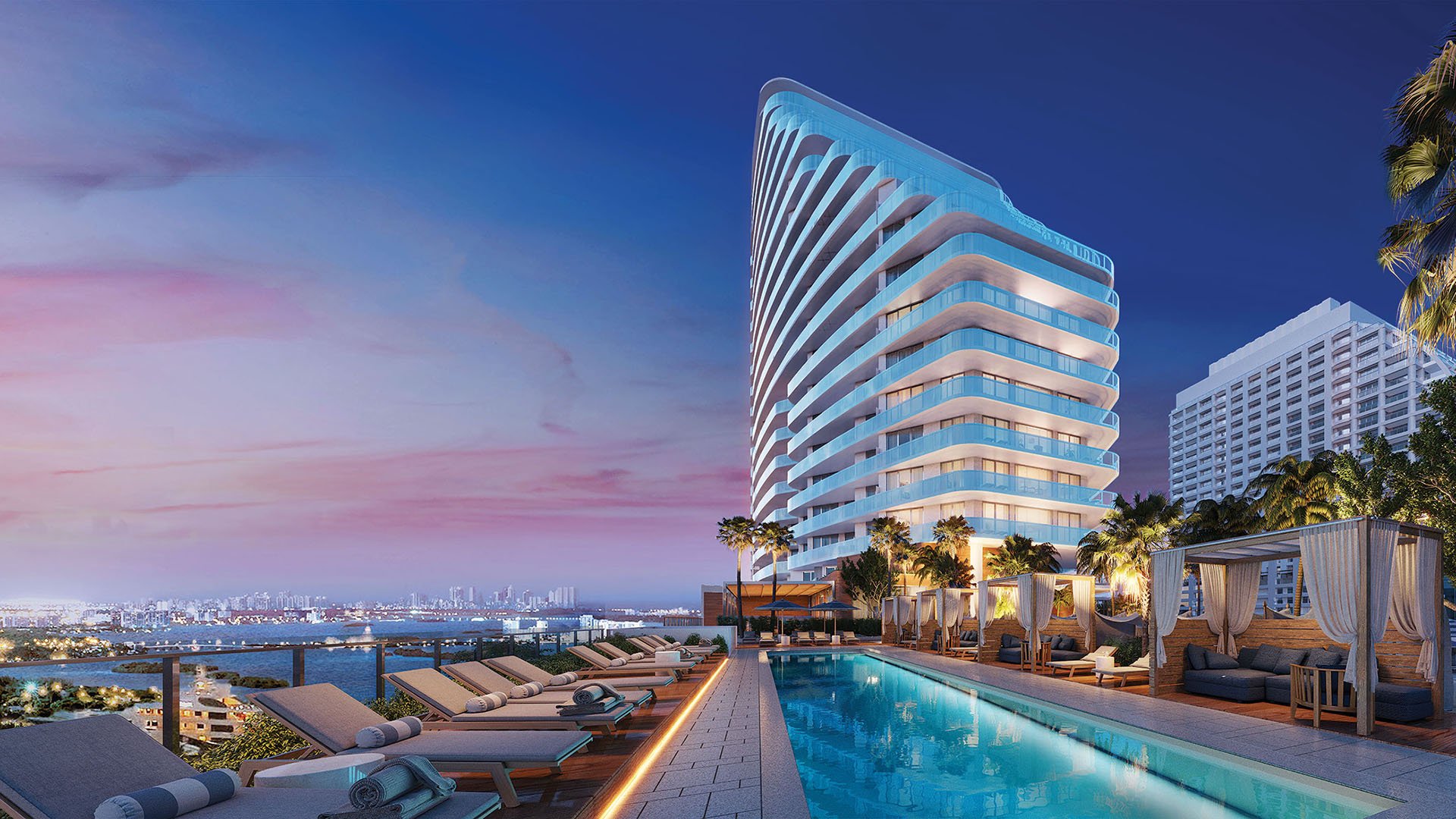
For the Fort Lauderdale buyer, whole-floor privacy is less about size alone than control. The strongest private residences reduce shared thresholds, limit visual exposure, and create a composed sequence from arrival to living room. A true whole-floor home should feel settled before the door opens, with elevator access, foyer depth, service movement, and outdoor space working in concert.
That discipline matters in a market where waterfront living, boating culture, resort amenities, and year-round entertaining can pull a residence in competing directions. Buyers want sociability by choice, not because the floor plan demands it. At the ultra-premium level, privacy is the ability to move through the home without interruption, host without exposing family life, and return from the water, airport, or office to a controlled residential environment.
In private search language, terms such as Fort Lauderdale, Broward, boutique, high-floor, penthouse, and terrace can help separate broad luxury inventory from homes that warrant closer review. The vocabulary is simple; the diligence is not.
1. Whole-floor tower residence - private arrival
The most compelling privacy profile is a residence occupying an entire floor with a controlled elevator arrival. The distinction is not simply whether the elevator opens near the home, but whether the arrival sequence feels residential, protected, and free of unnecessary shared circulation.
Buyers should study whether the foyer can receive guests without exposing the main living areas. A well-composed plan creates a deliberate pause between the elevator and the home, allowing art, lighting, and materiality to establish discretion before the social rooms unfold.
2. Waterfront residence - protected outlook and controlled exposure
Waterfront residences are prized for views, but privacy depends on how those views are framed. Wide glazing can be extraordinary, yet it should be balanced with setbacks, terrace depth, and room orientation so the home does not feel displayed to nearby buildings, docks, or passing boats.
The best waterfront privacy is layered. It combines elevation, thoughtful sightlines, and outdoor zones that allow dining, lounging, and morning routines to take place without the constant sensation of being observed.
3. Boutique full-floor residence - fewer neighbors, quieter rhythm
A boutique residence can offer a different kind of privacy than a large amenity tower. Fewer homes may create a calmer elevator rhythm, more familiar staff interaction, and less daily friction in lobbies, garages, and amenity areas.
This profile appeals to buyers who value discretion over spectacle. The residence still deserves careful examination, especially for parking access, package handling, guest arrival, and whether service routes remain separate during peak household activity.
4. High-floor residence - elevation as a privacy tool
High-floor homes can improve privacy by distancing the home from street-level activity, neighboring terraces, and pedestrian sightlines. Elevation also tends to change the character of light, sound, and horizon, making interiors feel calmer and more removed.
Height alone is not enough. Buyers should assess neighboring tower positions, balcony alignment, and whether primary suites, baths, and terraces are shielded from direct visual overlap. The best high-floor homes combine altitude with intelligent orientation.
5. Penthouse-style residence - autonomy, scale, and outdoor control
A penthouse profile often attracts buyers seeking the most autonomous living experience in a building. The appeal is typically a combination of scale, ceiling height, outdoor space, and separation from the rest of the residential stack.
For privacy-focused buyers, the critical issue is how the penthouse handles access and service. Expansive entertaining areas are valuable only when household circulation, catering movement, staff entry, and private bedroom wings remain disciplined.
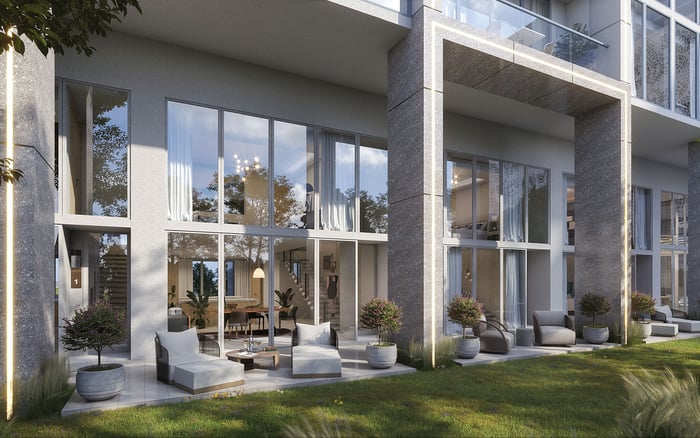
A large residence can still feel exposed if the plan is too direct. The entry should not reveal the kitchen, family spaces, or bedroom corridors at first glance. In a private home, arrival unfolds in stages: elevator, vestibule, foyer, gallery, then living areas.
Bedroom placement is equally important. Primary suites should be insulated from entertaining zones, and secondary bedrooms should avoid dependence on corridors that guests or service providers must cross. A whole-floor residence succeeds when every daily movement feels intuitive and protected.
The kitchen also deserves careful review. In luxury living, kitchens are often both design statements and working spaces. Privacy improves when the home allows catering, staff preparation, and family routines to occur without making the kitchen the unavoidable center of circulation.
Privacy begins below the residence. A discreet home can lose its advantage if garage access, valet flow, package delivery, or guest check-in feels crowded or overly visible. Buyers should understand how residents enter on ordinary days, not only during a polished showing.
Look closely at the path from car to elevator. Does it require crossing a public lobby? Is there a direct residential route? Can household staff, vendors, and deliveries be managed without passing through the principal entertaining rooms? These operational details often determine whether a residence feels genuinely private after move-in.
Service elevators, back-of-house corridors, storage access, and loading procedures are not glamorous, but they are central to whole-floor living. The more substantial the household, the more important these systems become.
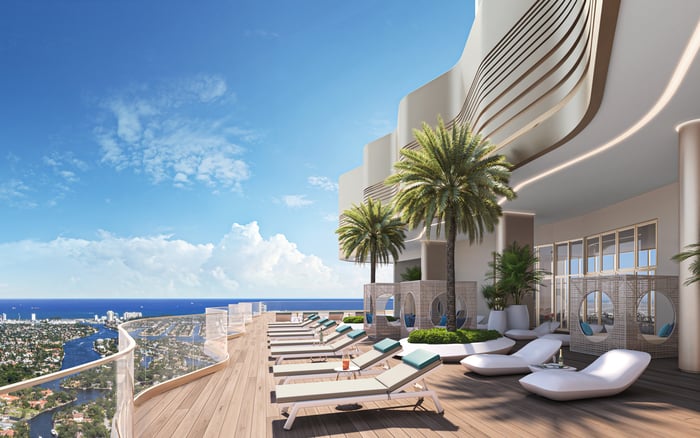
A terrace can be a private open-air room or a beautiful space that is rarely used because it feels too exposed. Depth, railing design, overhead cover, side screening, and neighboring sightlines all shape the result.
Fort Lauderdale buyers often imagine sunrise coffee, waterfront dinners, and relaxed evenings outdoors. To make that vision practical, the terrace should have zones that support different uses without placing every chair in full view. Privacy can be achieved through architecture, landscaping, elevation, and the way rooms open to the exterior.
Sound matters too. A residence may be visually private but acoustically compromised by traffic, mechanical equipment, pool decks, or active waterfront movement. Buyers should visit at different times when possible, paying attention to how the home feels during both quiet and active hours.
The phrase whole-floor should be tested carefully. Buyers should confirm the legal and practical boundaries of the residence, the nature of elevator access, the existence of any shared vestibules or mechanical spaces, and the rules governing alterations.
Privacy-focused buyers should also review building policies for guests, vendors, deliveries, short stays, amenity reservations, and staff access. These rules influence daily life as much as finishes or views. A residence may be beautifully designed, but privacy depends on governance, operations, and the behavior a building permits.
For resale, clarity has value. Future buyers will want to understand why the home is private, not simply be told that it is. The strongest residences make the case through plan, position, arrival, outdoor design, and operational discipline.
What defines a whole-floor residence? It generally refers to a home occupying an entire residential floor, though buyers should verify the legal boundaries and shared access conditions.
Is a private elevator enough to ensure privacy? No. The elevator arrival, foyer depth, service access, and guest circulation all affect how private the home feels.
Are high-floor homes always more private? Not always. High-floor homes can help, but neighboring towers, balcony alignment, and room orientation still matter.
Why do terrace sightlines matter? A terrace may be expansive but uncomfortable if it is directly visible from nearby residences, amenities, or waterfront activity.
Should buyers prioritize boutique buildings? Boutique buildings can offer quieter daily rhythms, but the full privacy picture depends on access, staffing, and building operations.
What should be reviewed before an offer? Buyers should review floor-plate boundaries, elevator rights, building rules, service routes, parking access, and alteration limits.
Can a penthouse still lack privacy? Yes. Scale and elevation help, but poor circulation or exposed outdoor areas can weaken the privacy experience.
How important is service access? It is essential for larger households, frequent entertaining, deliveries, and staff movement that should remain discreet.
Does waterfront living reduce privacy? It can, unless the residence uses elevation, setbacks, terrace depth, and careful orientation to protect sightlines.
What is the best first step for a privacy-focused buyer? Begin with floor plan review, then test the arrival sequence, outdoor exposure, and building operations in detail.
For a tailored shortlist and next-step guidance, connect with MILLION.
If branded residences are on your mind — as a home or as an allocation — we would be glad to share what we are seeing, privately.
Begin a quiet conversation