A buyer-first luxury editorial on what sophisticated condo purchasers in South Florida are underwriting right now: reserves, assessments, insurance, rental rules, and climate resilience.
South Florida has always been a market of sunlight, water views, and velocity. What has changed is the underwriting discipline expected of a condo buyer who wants the lifestyle without surprise friction. Today, a luxury residence is not only defined by ceiling height, exposure, and finishes. It is also defined by the association’s balance sheet, inspection cadence, reserve posture, and operational maturity when hurricane season becomes more than a forecast. Newer statewide reforms have accelerated a shift toward Structural Integrity Reserve Studies for certain buildings and higher reserve funding, pushing many associations toward meaningfully higher owner costs. In parallel, special assessments tied to deferred maintenance, inspections, repairs, and reserve catch-up have become a reality across Florida. For the luxury buyer, that does not signal “avoid condos.” It signals “choose the right condo,” then price the full cost of ownership with the same rigor you would apply to a yacht slip or a private aviation hangar. The strongest purchases in this environment tend to share one trait: transparency. Buildings that can clearly articulate what is funded, what is planned, and how decisions are made inspire confidence. Confidence, in turn, supports liquidity.
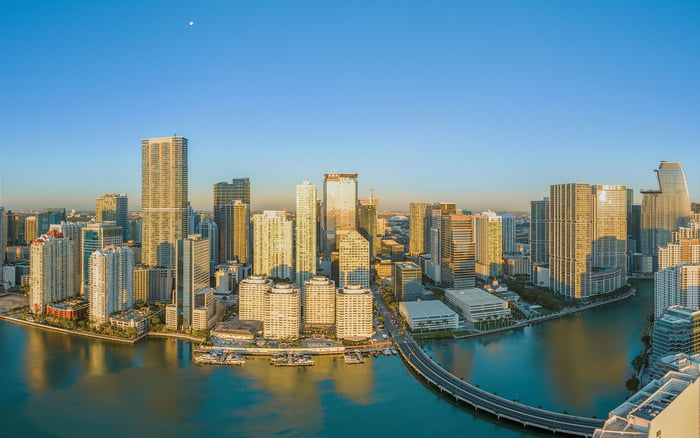
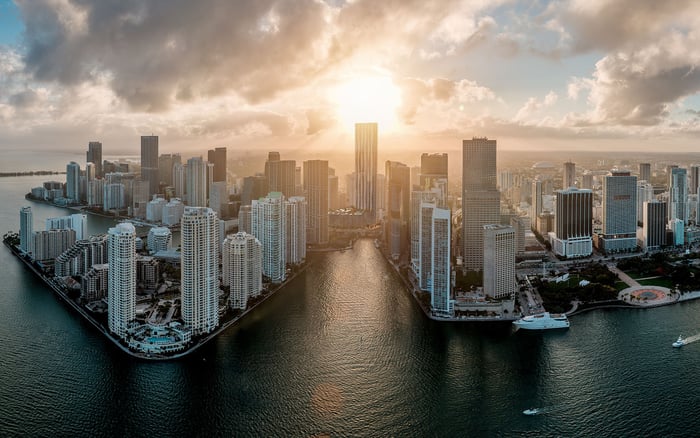
Most sophisticated buyers start with the monthly maintenance line item, then quickly realize it’s only one layer of the ownership stack. In South Florida, your true monthly burn rate can include operating dues, reserve contributions, potential special assessments, and unit-owner insurance considerations. HO-6 insurance for condo unit owners is shaped by hurricane and flood exposure, as well as the specifics of the building and the coverage selected. It can be a rounding error in some situations and a meaningful line item in others. Either way, it belongs in the initial model. Also, plan for closing costs beyond the purchase price. A luxury closing often includes multiple buckets of expenses that are easy to miss when the focus is on negotiating terms. Buyers who arrive with a complete cash-to-close estimate preserve optionality when opportunities move quickly. In Brickell, for example, the appeal of a lock-and-leave waterfront lifestyle can be compelling, but the financial structure should be just as compelling. If you are comparing new product, apply the same lens across brands and amenity profiles, from 2200 Brickell to Una Residences Brickell. The objective is not to minimize cost, but to maximize clarity.
A condo is a legal and financial relationship as much as it is a home. Your quality of life is directly affected by how the association budgets, enforces rules, and executes capital projects. In practical terms, buyer due diligence commonly includes reviewing board minutes, budgets, reserve funding, pending litigation, and any upcoming capital projects before purchase. At the luxury end, where privacy and service expectations are high, you want to understand not only what the building is today, but how it will be maintained. Consider asking, in plain language: - What capital projects are contemplated in the next few years, and how will they be paid for?
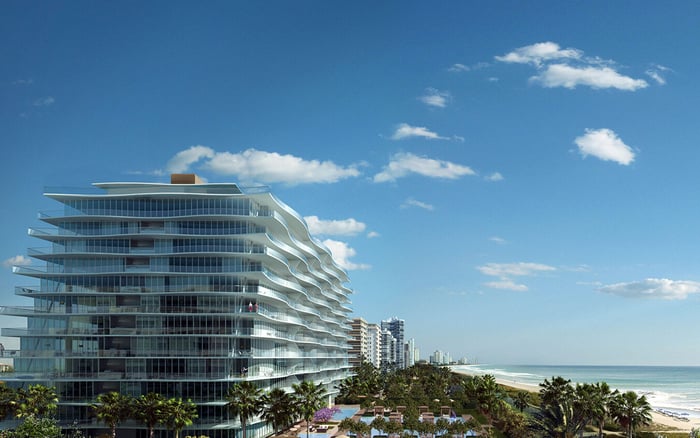
Many luxury buyers want optionality: a primary residence today, a pied-à-terre tomorrow, or a lease strategy when travel schedules shift. In condos, that flexibility is never assumed. It is granted, limited, or prohibited by a combination of building rules and local regulations. Short-term rental legality can depend heavily on zoning and licensing, and many residential areas restrict or prohibit transient rentals. Even when rentals are permitted, associations can impose minimum lease terms, approval processes, and operational rules that affect both returns and lifestyle. A special case is the condo-hotel model, which can offer rental revenue potential but typically involves hotel-style management structures, fees, and owner-use restrictions that shape net economics and personal spontaneity. If you are drawn to a hospitality-forward experience in Miami Beach, that can be the point. Just underwrite it as a managed asset, not a conventional apartment. For buyers who prefer classic residential privacy with a modern Miami Beach address, consider the character of boutique beachfront living at 57 Ocean Miami Beach, where the conversation often centers on day-to-day livability rather than transient turnover.
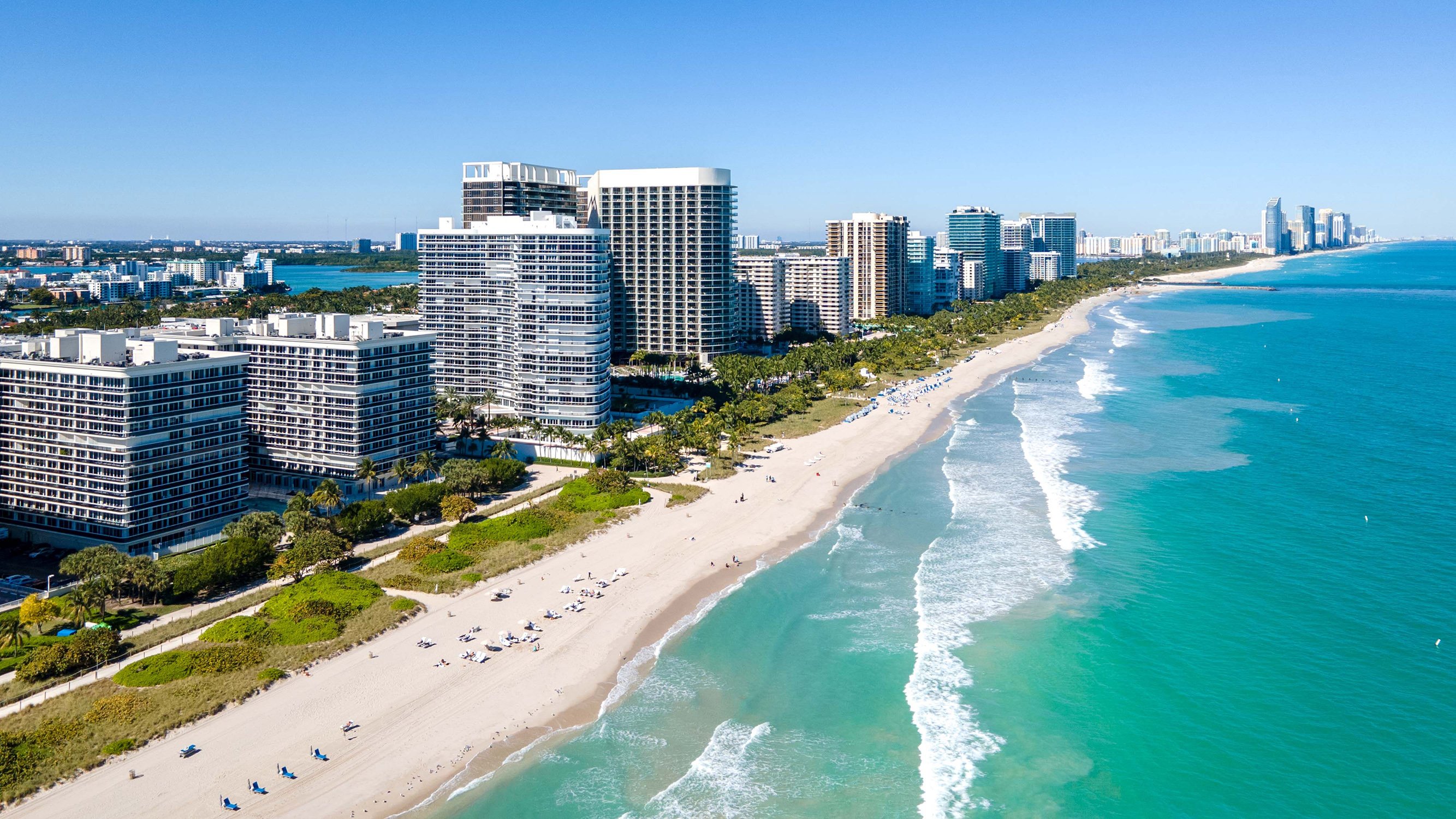
South Florida’s appeal is inseparable from water, and so is its risk profile. Flood and storm risk are part of the landscape, and long-term sea level rise and flooding considerations are now embedded in how sophisticated buyers evaluate neighborhoods, building elevations, and infrastructure planning. For condo living, resilience is not theoretical. It shows up in building policies, preparedness protocols, generator capacity where applicable, and continuity of services during hurricane season. Even the best amenity deck matters less if the building’s operational plan is unclear when conditions tighten. When evaluating a property, ask how the building communicates before storms, how common areas are secured, what rules apply to balcony furniture and shutters where relevant, and what expectations exist for staff and vendors. A well-run operation reads as calm, consistent, and practiced. In Surfside, the market has become especially sensitive to engineering diligence and governance maturity. That is one reason design-forward, modern inventory can feel reassuring when paired with clear stewardship, as with Eighty Seven Park Surfside.
Miami’s luxury condo ecosystem competes on exclusive amenities, but the right move is not to chase the longest list. It is to align amenities with real behavior. A resident who travels weekly values a seamless arrival, security, and service. A resident who works locally values acoustics, coworking-grade spaces, and predictable elevator performance. A resident who entertains values a credible owner lounge and guest management. Treat amenities like a portfolio. Some are daily drivers, like fitness and pool access. Others are occasional, like private dining rooms. Some are purely symbolic. The distinction matters because amenities are not free; they are built, insured, maintained, and staffed.
Miami remains a major U.S. market for foreign home buyers, and that global buyer base influences liquidity and pricing in ways domestic-only markets do not replicate. At the ultra-luxury end, the city’s position as a second-home destination for global wealth continues to shape the depth of buyer demand for premier waterfront product. For a seller, that breadth can be an advantage, especially when the building’s governance is clean and operating costs are legible. For a buyer, it is a reminder that the best assets can trade quickly, and that pre-approval, document readiness, and decisive due diligence are competitive tools.
Some buyers aren’t choosing between buildings. They’re choosing between governance models. Condos offer service, simplicity, and shared responsibility. Single-family living in a gated community offers autonomy, privacy, and direct control, paired with a different set of maintenance obligations. If you are comparing these options, the honest question is: where do you want decision-making power to sit? In a condo, rules and budgets are collective. In a house, you are the board. Neither is superior. The better choice is the one that matches your tolerance for shared governance, your desire for discretion, and your preferred relationship with staff and neighbors.
Luxury buyers tend to move faster when the work is front-loaded. Before you sign, make sure you can answer: - What is the association’s reserve posture, and what is planned next?
Why are Florida condo costs rising in many buildings? Newer structural and reserve requirements are pushing higher funding levels, and some buildings are also catching up on deferred maintenance.
What is a special assessment and why does it matter to luxury buyers? It is an additional charge to owners for specific expenses; it can materially change the true cost of ownership.
What documents should I review before buying a condo? Focus on budgets, reserve information, board minutes, pending litigation, and upcoming capital project plans.
Are short-term rentals automatically allowed in South Florida condos? No. Legality and permissibility depend on zoning, licensing, and the building’s own rules.
How does condo-hotel ownership differ from a typical condo? It often includes hotel management, added fees, and owner-use restrictions that can affect net returns and flexibility.
Do I still need insurance if the building is insured? Yes. Many owners carry HO-6 coverage for their unit, shaped by building specifics and storm exposure.
How should I think about hurricane season as a condo owner? Evaluate building preparedness, communication protocols, and continuity of services, not just the physical structure.
Why does foreign demand matter when I buy or sell? A global buyer pool can support liquidity, especially for well-governed buildings with clear cost structures.
Are amenities a reliable indicator of value? Only when they match your real usage; amenities also drive operating costs that you effectively underwrite.
What is the single biggest mistake luxury condo buyers make? Falling in love with the view before fully underwriting the association’s financial health and planned projects.
For tailored guidance, speak with MILLION Luxury.
If branded residences are on your mind — as a home or as an allocation — we would be glad to share what we are seeing, privately.
Begin a quiet conversation